
In the open world of Pywel, it is easy to give up on collecting shades — far too much time goes into hunting down each individual jar. The good news is that players do not have to scour every corner. Dyes in Crimson Desert can be brewed from recipes even if you have not formally “discovered” them. The improvisation system turns any herbs and insects into pigments from scratch. Below is a full crafting guide that will finally clear your inventory of bugs and complete your collection.
Table of Contents
Dye Cauldron: Where to Find the First Witch
To brew dyes you will need a cauldron. Look for it at the witch-merchants — they are scattered across Pywel, but one of them you are guaranteed to meet. Elowen has settled in the Witch’s Lair, north of Hernand Castle. She is your starting contact.
Tip: do not show up empty-handed. Bring as much Abyss Gear as you can carry (useful for reforging) plus a stock of herbs and insects. That way the visit pays off handsomely.
4 Ingredients for Crafting All Dyes
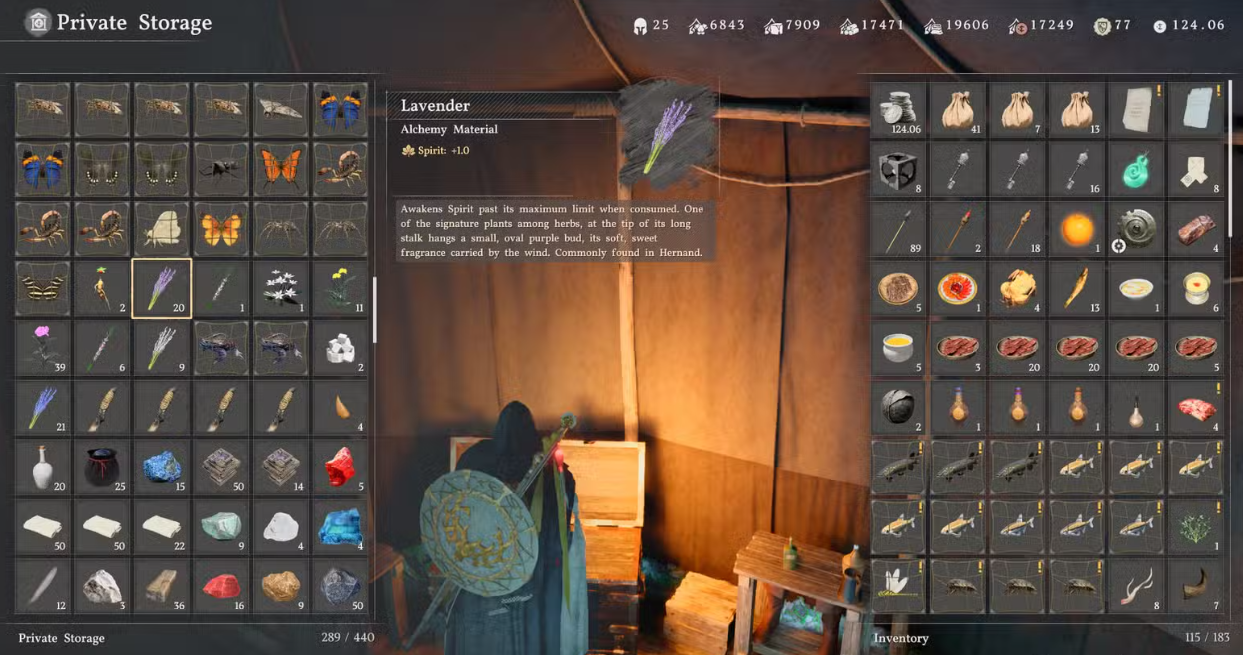
To mix every available dye, keep the following in your bag:
-
Insects — any kind, quantity matters.
-
Pink herbs — pink rosemary, begonia.
-
White herbs — marigold, dunbaria, yellow rosemary.
-
Yellow herbs — dendrobium orchid, pseudostellaria, snapdragon.
Fill your slots to the brim with these components and you can launch a full conveyor for producing the shades you are missing.
Why Witches Matter Beyond Pigment Brewing
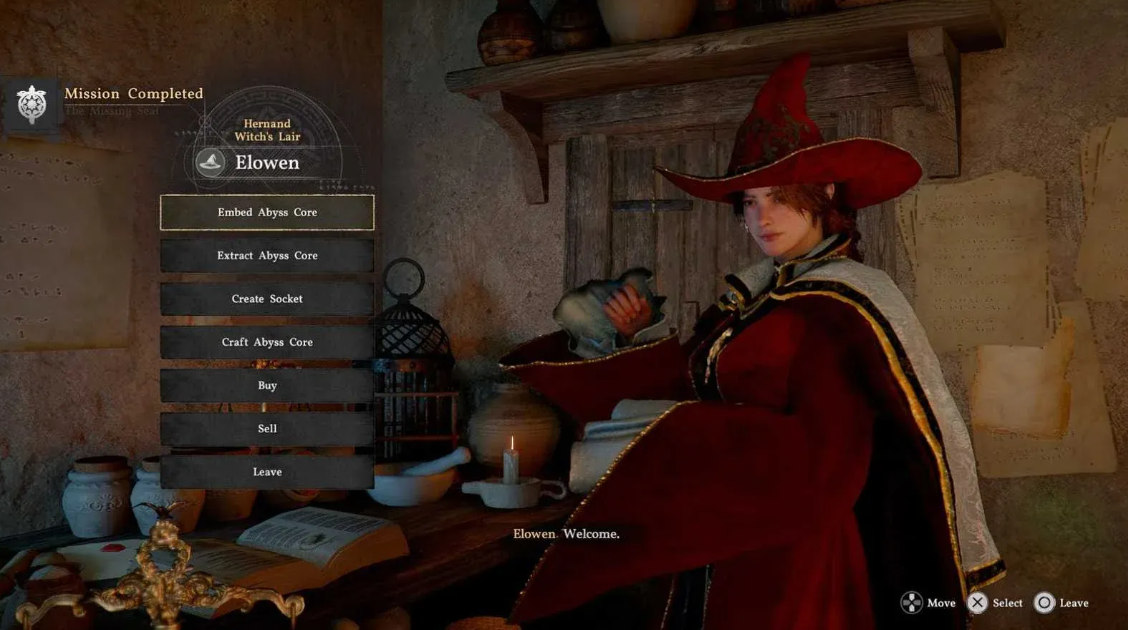
These NPCs are the real gold of Pywel. Besides crafting pigments, they help you forge gear like the Yellowbeak Rishi Boots. So do not put off the search for witches. The sooner you find their lairs, the faster you close out a whole stack of tasks at once — from equipment to aesthetics.
Dyes are brewed on the spot, and recipes unlock automatically through improvisation. The main thing is to bring the right ingredients. And yes, each witch has a single cauldron that handles every case.
All Red Dye Recipes in Crimson Desert
The base for every red shade is pink herbs (pink rosemary or begonia) plus insects. Rhinoceros beetles are mandatory here: 3 per recipe. From there the variations play with longhorn and stag beetles.
Here is the full set:
-
Red Dye (standard): 10 pink herbs + 3 rhinoceros beetles + 1 longhorn beetle + 1 stag beetle. The baseline you should start with.
-
Bright Red: 10 pink herbs + 3 rhinoceros beetles + 3 longhorn beetles. No stag beetles and the color turns more aggressive.
-
Dark Red: 10 pink herbs + 3 rhinoceros beetles + 1 longhorn beetle + 2 stag beetles. A shift into depth.
-
Deep Red: 10 pink herbs + 3 rhinoceros beetles + 3 stag beetles. No longhorns — maximum saturation.
-
Rich Red: 10 pink herbs + 3 rhinoceros beetles + 2 longhorn beetles + 1 stag beetle. The golden mean.
Note that every recipe uses exactly 10 pink herbs and 3 rhinoceros beetles. Only the proportions of longhorns and stags change.
Blue and Sky Blue Dye Recipes
The blue range is a bit trickier. The core shades revolve around blue lavender and regular lavender (15 and 5 respectively). For the sky blue series, however, instead of lavender you use white lavender paired with blue — 10 of each.
Blue shades (15 blue lavender + 5 lavender):
-
Blue Dye: +1 longhorn +1 stag.
-
Bright Blue: +3 longhorn beetles (no stags).
-
Dark Blue: +1 longhorn +2 stags.
-
Deep Blue: +3 stag beetles (no longhorns).
-
Rich Blue: +2 longhorn +1 stag.
Sky Blue series (10 white lavender + 10 blue lavender):
-
Sky Blue: +1 longhorn +1 stag.
-
Bright Sky Blue: +3 longhorn beetles.
-
Dark Sky Blue: +1 longhorn +2 stags.
-
Deep Sky Blue: +3 stag beetles.
-
Rich Sky Blue: +2 longhorn +1 stag.
Notice the pattern? The insect combinations repeat from color to color — only the herb base changes.
Purple Dye: Formulas From Two Lavenders
For purple dyes you take 15 regular lavender and 5 blue lavender. The insects follow the same scheme:
-
Purple: +1 longhorn +1 stag.
-
Bright Purple: +3 longhorns.
-
Dark Purple: +1 longhorn +2 stags.
-
Deep Purple: +3 stags.
-
Rich Purple: +2 longhorns +1 stag.
Violet Dyes in Crimson Desert
Other guides cut off at the heading, but we know better: the violet range will require different lavender proportions and possibly new insects. Stay tuned — as soon as the Crimson Desert developers reveal the exact recipes, we will add them right here. For now, experiment with the ingredients you have: the improvisation system sometimes throws up unexpected results.
All Violet Dye Shades: Recipes
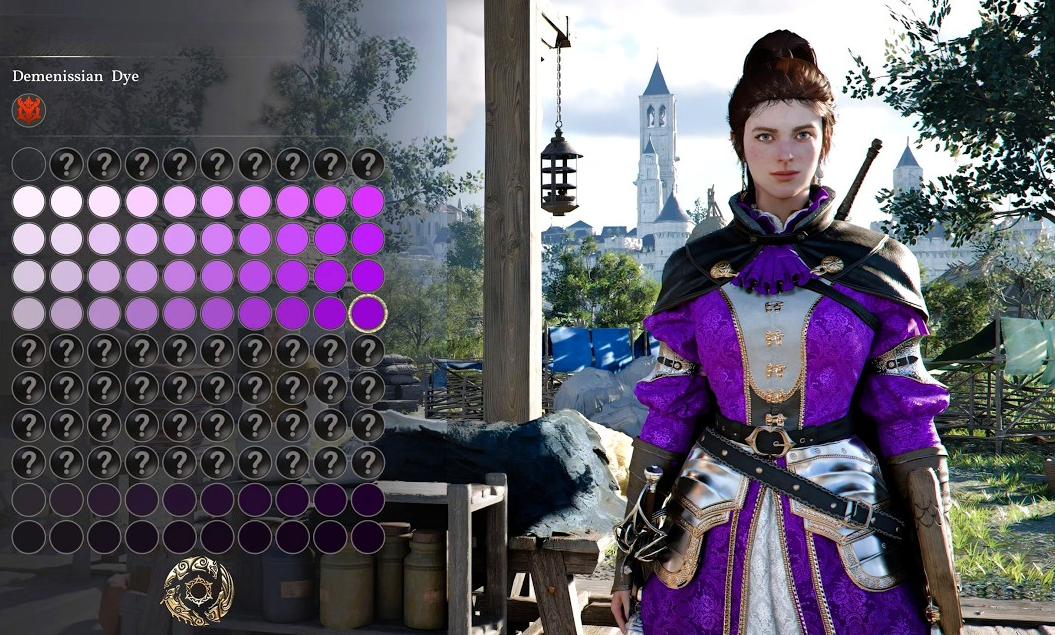
The violet range is one of the trickiest in crafting. To create it you will need pink herbs (Begonia or Pink Rosemary), lavender, and insects. You cannot go without the last ones.
-
Violet Dye: 10 pink herbs + 10 lavender + 1 longhorn beetle + 1 stag beetle.
-
Bright Violet: 10 pink herbs, 10 lavender, and 3 longhorn beetles.
-
Dark Violet: same formula, but the beetle proportions shift — 1 longhorn and 2 stags.
-
Deep Violet: all three beetles must be stag beetles.
-
Rich Violet: 2 longhorns + 1 stag.
As you can see, the balance between the two insect types determines the final shade. Experiment.
Teal Dye Recipes: Formulas With Sophora
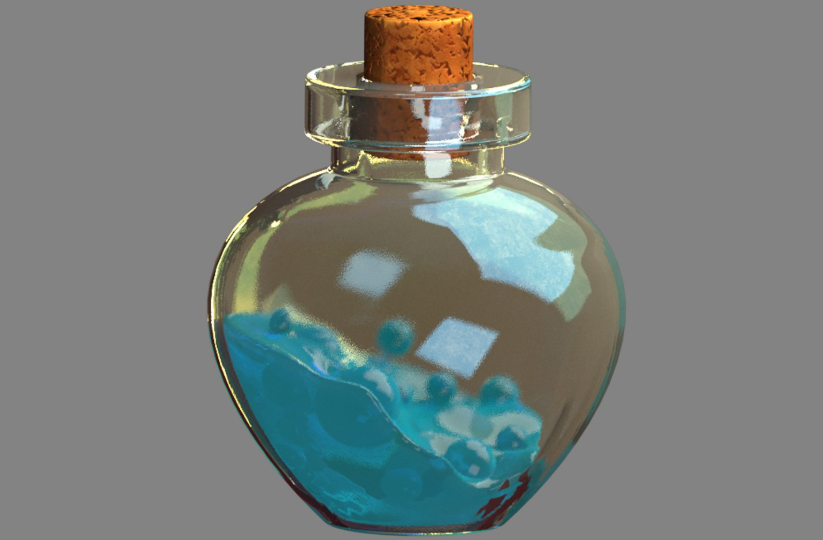
Here the base is blue lavender and yellowish sophora. Insects are in play again.
-
Teal: 10 blue lavender + 10 sophora + one of each beetle type.
-
Bright Teal: three longhorn beetles.
-
Dark Teal: one longhorn and two stags.
-
Deep Teal: three stag beetles.
-
Rich Teal: two longhorns and one stag.
Teal shades work great for water-themed or cold-climate locations — we recommend keeping a couple of jars in reserve.
Green and Spring Green Dyes: Full Guide
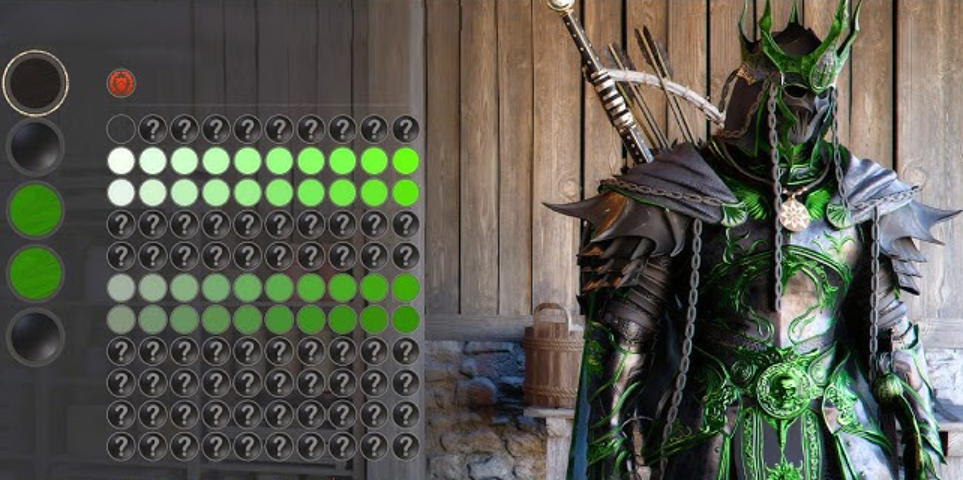
The largest section. For basic green shades you need yellow herbs (Dendrobium, Pseudostellaria, or Snapdragon) and regular insects — do not confuse them with longhorns and stags.
-
Green: 5 yellow herbs + 5 insects + 1 longhorn + 1 stag.
-
Bright Green: three longhorns.
-
Dark Green: one longhorn and two stags.
-
Deep Green: three stag beetles.
-
Rich Green: two longhorns and one stag.
Spring Green Dyes: Beetle Proportions
Here instead of yellow herbs you use white lavender — and the proportions differ.
-
Spring Green: 10 white lavender + 3 insects + 1 longhorn + 1 stag.
-
Bright Spring Green: three longhorns.
-
Dark Spring Green: one longhorn and two stags.
-
Deep Spring Green: three stags.
-
Rich Spring Green: two longhorns and one stag.
The main thing to remember: longhorn beetles add brightness while stag beetles give depth and saturation. Combine them to taste.
Yellow Dyes in Crimson Desert: All Formulas
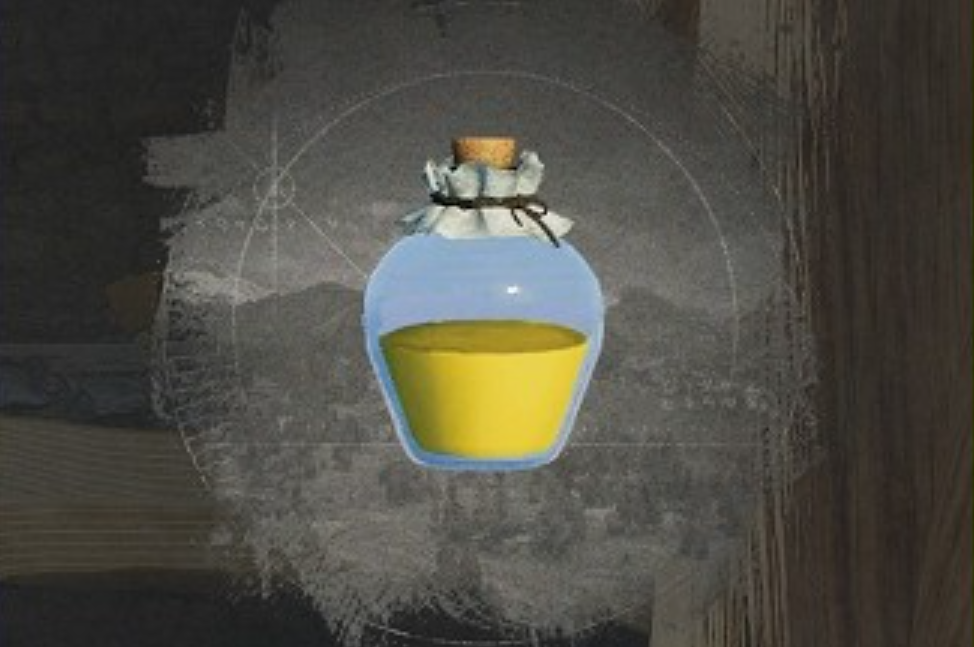
The yellow range is beautiful, but again impossible without insects. The base is yellow herbs: Dendrobium, Pseudostellaria, or Snapdragon. Plus three regular insects (not to be confused with longhorns and stags).
-
Yellow Dye: 10 yellow herbs + 3 insects + 1 longhorn + 1 stag.
-
Bright Yellow: 10 herbs, 3 insects, and three longhorn beetles.
-
Dark Yellow: same formula but the proportions shift: one longhorn and two stags.
-
Deep Yellow: all three extra beetles are stags.
-
Rich Yellow: two longhorns and one stag.
Note that regular insects are listed as a separate item here. Their quantity does not change — always 3.
Orange Dye: Recipes With the Rhinoceros Beetle
Orange requires rhinoceros beetles. That is the key difference. The yellow herbs stay the same (Dendrobium, Pseudostellaria, Snapdragon).
-
Orange Dye: 10 yellow herbs + 3 rhinoceros beetles + 1 longhorn + 1 stag.
-
Bright Orange: three longhorn beetles (rhinos still 3).
-
Dark Orange: one longhorn and two stags.
-
Deep Orange: three stag beetles.
-
Rich Orange: two longhorns and one stag.
Main tip: do not confuse regular insects with rhinoceros beetles. Orange needs rhinos specifically, otherwise you will end up with yellow. And yes, the longhorn-to-stag balance again dictates the final tone: more longhorns = brighter, more stags = deeper and richer.
Top 5 Dyes for an Early-Game Start in Pywel

The first hours in Pywel feel like a bottleneck: stag beetles and rosemary drop slowly, and a single jar of pigment easily eats up 20–30 minutes of pure farming. That is why the starting five is not picked by taste. The criteria are different — ingredient cost, armor versatility, and frequency of use in early sets. Below is a shortlist that covers roughly 80% of visual needs up to mid-playthrough.
The prioritization logic is simple. Start with the dyes that do not require rhinoceros beetles (green and yellow ranges) — they craft 2–3 times faster than the rest of the five. The rhinos themselves drop consistently at major spawn points near Hernand Castle and around the Witch’s Lair. The first fifty will go straight into the red and orange palettes.
Crafting, Buying, or Stealing: How to Get Dyes Faster
Crafting at Elowen’s is far from the only option. Pigment jars are sold by merchants, they can be lifted via the pickpocket mechanic, and occasionally they drop as side-quest rewards. The efficiency gap between methods is significant.
If your goal is to complete the collection, crafting wins by a wide margin. Buying only makes sense in late game when silver is overflowing and there is no desire to gather begonias for the fifth time. Stealing works as an emergency option — reputation in Pywel recovers slowly, and ruining your standing with the Hernand guard over a single jar of red is simply not worth it.
Where to Farm Herbs and Insects for Dyes
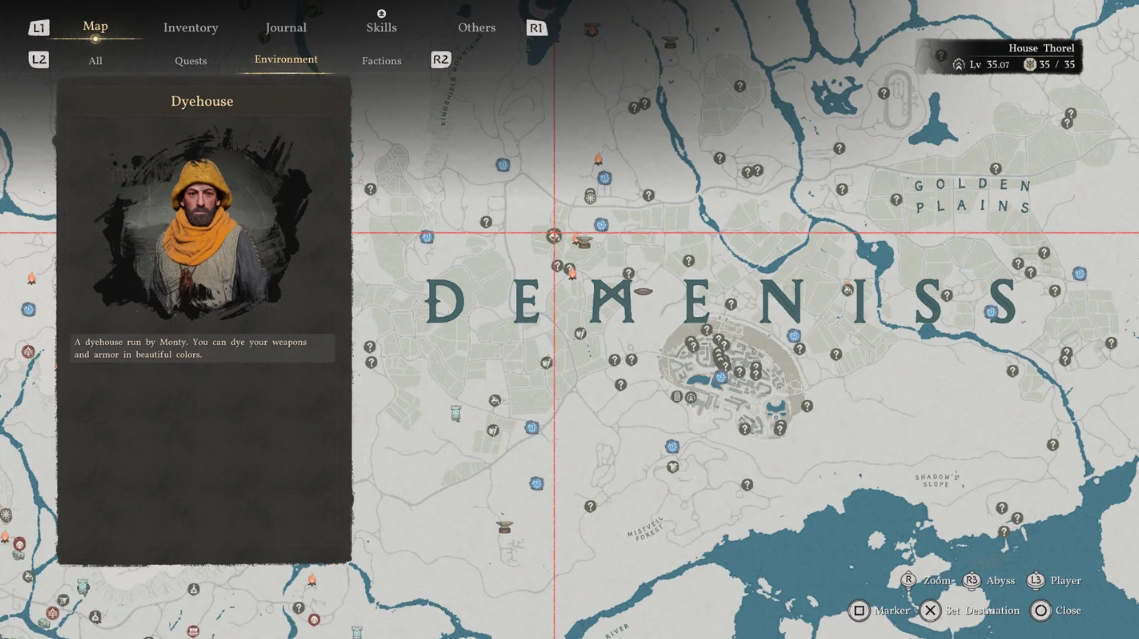
The resource map in Crimson Desert is zoned: herbs are strictly tied to biomes, while insects are bound to wood and carrion. Key spots for early game:
-
Witch’s Lair and the surrounding forest — pink rosemary and begonia (pink herbs) grow densely along the path from Hernand Castle. A single run yields 30–40 units.
-
Northern foothills of Pywel — blue and white lavender on rocky slopes. Respawn roughly 15 minutes, convenient to run in a loop.
-
Southern river meadows — yellow herbs (dendrobium, pseudostellaria, snapdragon). They grow in clusters of 4–6 bushes on a daytime cycle.
-
Fallen logs and stumps — spawn points for longhorn beetles and stag beetles. The Witch’s Forest has six such spots.
-
Carrion and carcasses of large game — Longhorn Beetles and rhinos gravitate to the corpses of boars and deer you leave behind after hunting. A working trick: drop large game right near your future farm spots, and within ten minutes the beetles will swarm in.
Route tip: start from Elowen’s cauldron → the northern slopes for lavender → loop south through the forest for yellow herbs and insects → return to the lair. One such run provides materials for 4–5 jars of dye — nearly the full starter set from the table above.