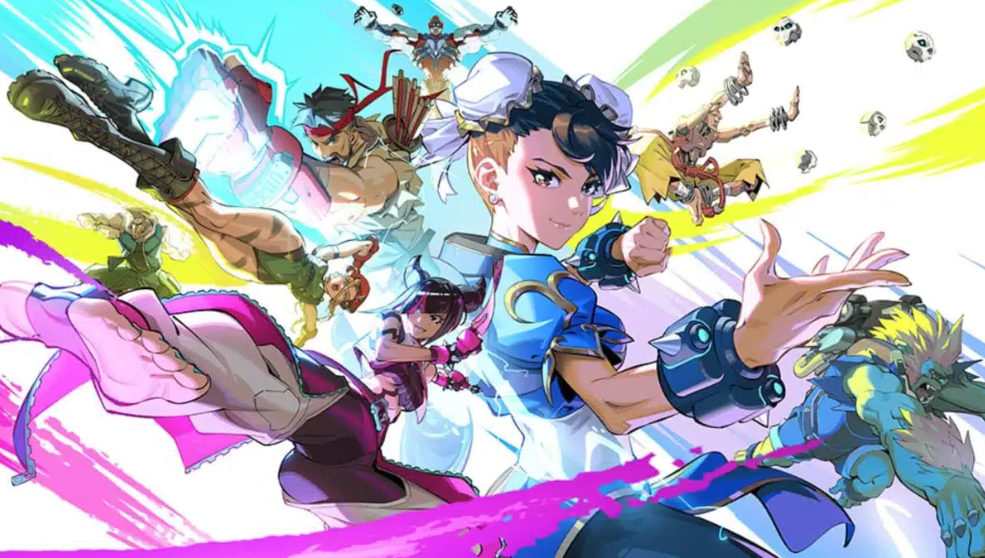
Capcom has officially decided on the role of neural networks in the production of their hits — and Street Fighter 6 fans can exhale. In a recent report to investors, the Japanese publisher explicitly stated that the company does not plan to use generative AI to create gaming assets. There will be no “robotic” faces, generated backdrops, or synthetic voice acting in the fighters’ roster. At least, that’s the official position for 2026.
Table of Contents
Capcom and Generative AI: Development Assistant or Artist Replacement
The developers of Street Fighter 6 chose the path of pragmatism — they separate content generation and technical optimization. While competitors from SNK are receiving a portion of criticism for controversial Fatal Fury: City of the Wolves trailers, Capcom is playing ahead of the curve.
The main points from the company’s statement:
-
No generative in the final: Character design, graphics, and sound remain the responsibility of living people.
-
Technical boost: Neural networks will be integrated into programming and rendering to speed up routine processes.
-
Productivity: The purpose of using AI is to increase the efficiency of development, not to replace the staff of artists.
Street Fighter 6 Community about AI: from Criticism to Support
The gaming community — especially in fighting games (FGC) — is militant. After ARC Raiders replaced AI voices with real voice acting due to the protests, any news about neural networks is perceived as a declaration of war. On social media, including X (formerly Twitter), gamers are already taking investor quotes apart.
Opinions are divided — while some accuse Capcom of “verbal balancing act”, others call for common sense. After all, using algorithms to write simple blocks of code is like using a drill instead of a hand screwdriver. This saves time that developers can spend polishing the combat balance or network code. By the way, against the background of mass layoffs in the industry, Capcom retains staff — and this is a strong argument in favor of their strategy.
Naevis in Street Fighter 6: An AI Idol as a Gray Area of Capcom Policy
Here lies the most interesting thing — in 2025, the virtual singer Naevis from South Korea has already appeared in Street Fighter 6. She became an in-game commentator, while being a completely AI project.
It’s important to understand the context here:
-
Collaboration: The character was created by a third-party studio, not Capcom itself.
-
Voice synthesis: Naevis’ voice is collected from samples of real actors — this is a “gray area” that still angers conservative fans.
-
Precedent: Despite the promises, the presence of an AI idol in the commentators’ roster shows that the line between “own” and “borrowed” content is very thin.
As a result, we have a classic situation for 2026 — large publishers are afraid of the anger of the audience, but they cannot ignore progress. Capcom promises to keep Street Fighter 6 “human”, using neural networks only as an invisible base. Coincidence or not, this approach has so far helped them avoid the reputational disasters that other market players have noted.
It is logical that such a principled publisher could not but affect the gray area of the industry — fan creativity and modifications. Although Capcom officially disowned neural networks in the final assets of Street Fighter 6, this did not at all turn the game into a “sterile reserve” closed to experimentation. In fact, PC modding has long been living by its own rules, which only indirectly overlap with the official course of developers, creating a bizarre symbiosis of strict taboos and unspoken permissions.
Custom mods in SF6 after Capcom’s Ban on Generative AI
The situation in the custom segment now resembles a cold war between user-generated content and an EULA. Visual add-ons — from fan-made skins and updated textures to a complete redesign of the interface — are still storming the tops of Nexus Mods. Another interesting thing is that most of the top authors fundamentally adhere to “hand-made”, minimizing the involvement of algorithms in creating models.
In practice, the balance of power is as follows:
-
Cosmetics are illegal (almost): The Japanese office does not put a stick in the wheels of mod creators as long as they do not touch the network code or anti-cheat.
-
Risk zone: Real bans come for cheats, not for custom costumes — however, if you decide to launch a stream with NSFW content, sanctions will follow immediately.
-
Filter for official events: The ban on generative AI in Street Fighter 6 works as a dense sieve for any contests.
-
Disqualification: Any art competition from Capcom now includes a clause banning neural networks — violators are removed from the lists without the right to appeal.
For those who dream of seeing their design as an official Challenger Screen or promo art, the choice is obvious – only “clean” drawing. Any hint of machine learning in the portfolio today closes the doors to the official ecosystem of the fighting game.
Hand-crafted design against AI in the Underground: how the SF6 fan community is divided
Among modders, this policy has caused the expected stratification. On the one hand, we are witnessing the renaissance of the traditional school of design: the demand for artists who are able to recreate the SF6 corporate identity without “blurred” faces and typical neural network artifacts has increased significantly. This creates a special value for manual labor, which is so appreciated in the FGC community.
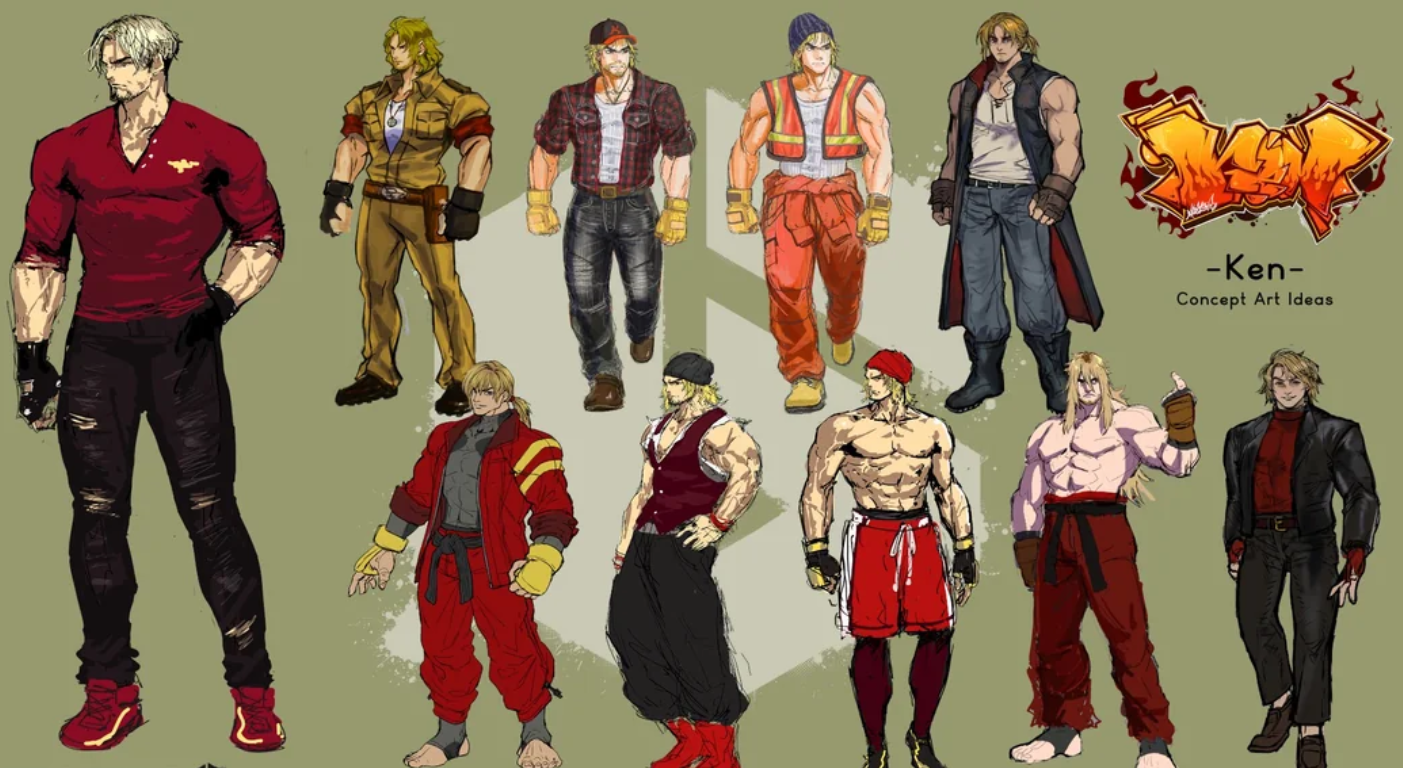
On the other hand, the experimenters haven’t gone anywhere. Some of the community continues to try AI capabilities “for themselves,” but such activity has now finally gone underground. Such works do not shine in official communities, settling in closed Discord channels or local publications, where they try not to mention Capcom’s name once again.
In fact, the strict generation veto in the official Street Fighter 6 line has transformed into a quiet social contract: “we don’t welcome it publicly, but we can’t ban you in private.” This position only strengthens the status of manual customization, without destroying the ecosystem of mods that has developed over the years — provided that players do not try to use neural networks as a “backdoor” to obtain official recognition from developers.