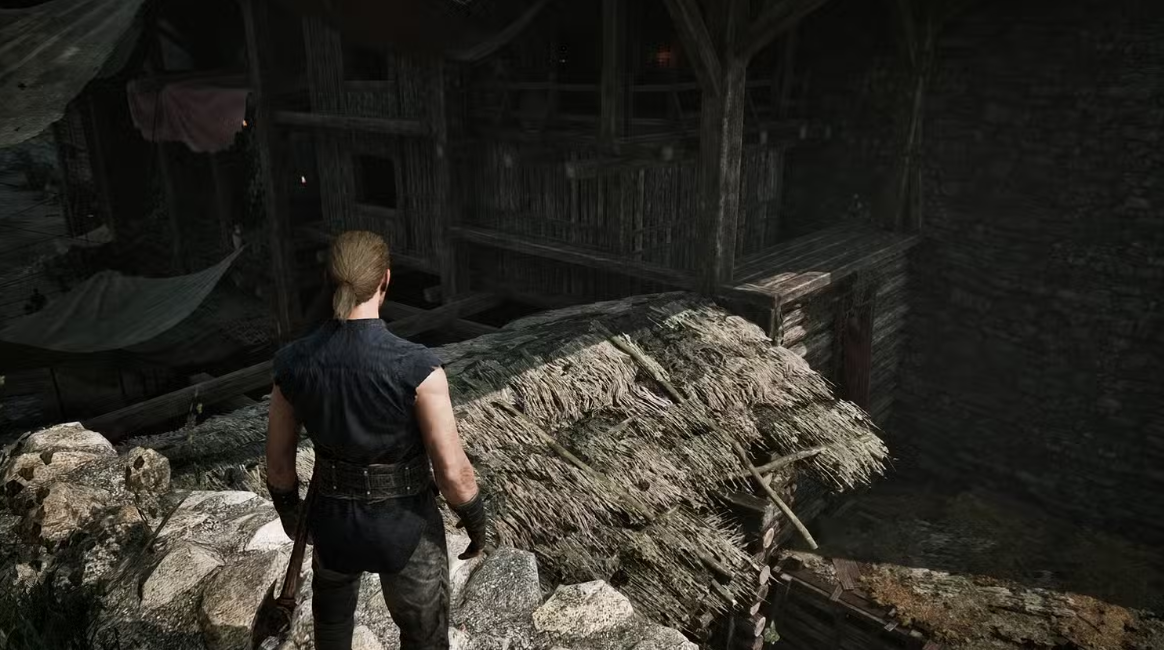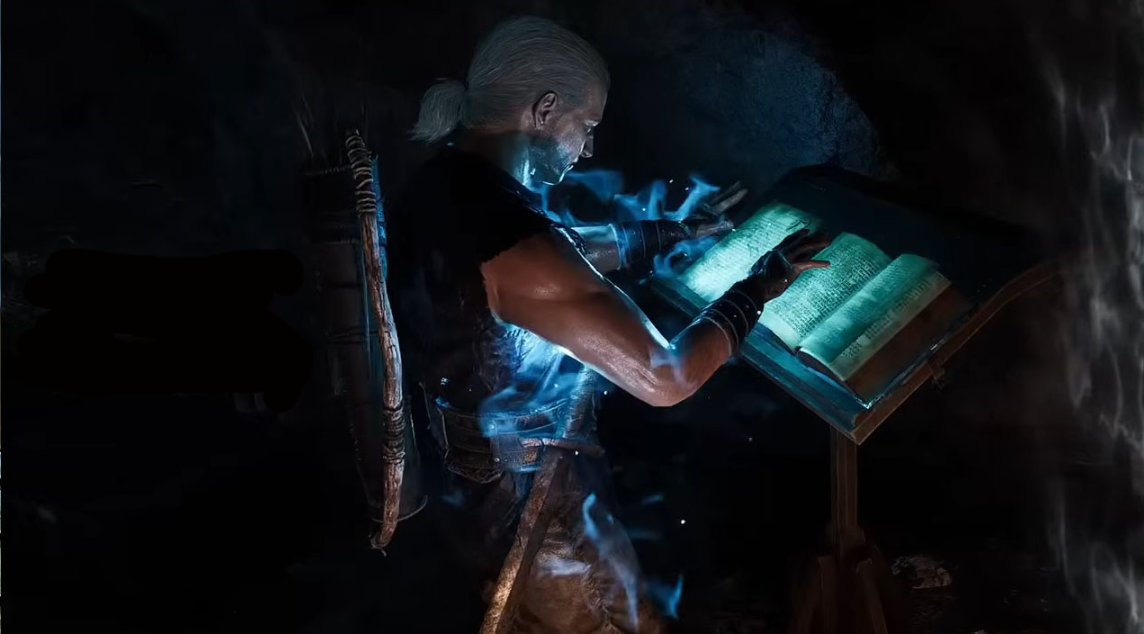
The combo system in Gothic 1 Remake is a complex thing. At first glance, it’s simple: just grab a stick and swing. But without leveling up, the Nameless One can’t even swat a fly. If you delve deeper, truly deadly combos unfold that revolutionize close combat.
There’s just one caveat: “mastering a weapon” and “actually being able to use it” are two different things. At the beginning of the game, you’re a nobody, a prisoner who can’t even hold a club properly. But a few training sessions and your attacks become sharper, faster, and then you suddenly start combing your attacks.
Table of Contents
Where can I find close combat teachers in Gothic 1?
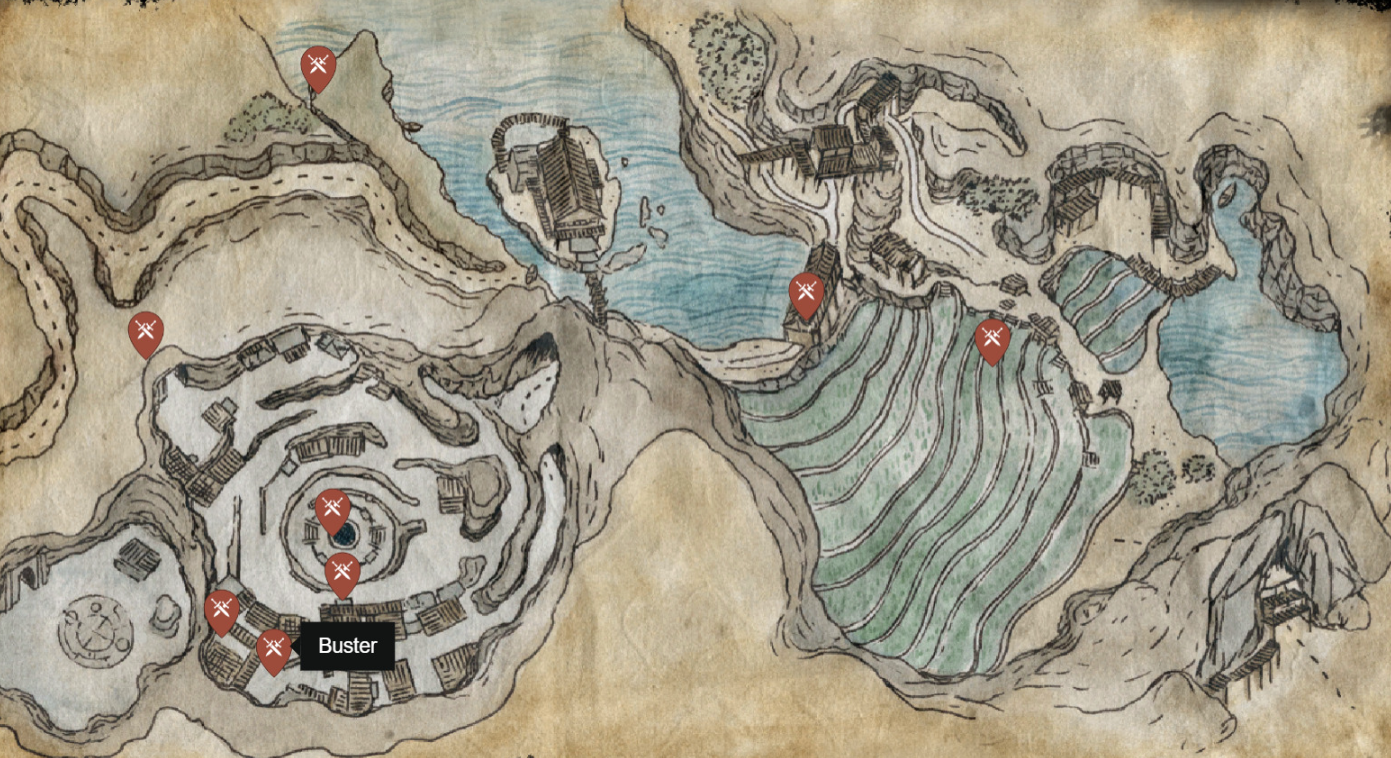
You need to look for mentors in three camps. Here’s who and where:
-
Old Camp – Scatty at the Arena. Will level up your one-handed weapons to Master.
-
Old Camp – Torus at the Fortress gates. Responsible for two-handed weapons, also up to Master.
-
New Camp – Kord at the training grounds (to the left of the tavern). One-handed.
-
New Camp – Lee at the Mercenary HQ. Two-handed, Master.
-
Swamp Camp – Gor Na Toth at the training ground. One-handed up to Master.
-
Swamp Camp – Kor Angar, also there. Two-handed Master.
Features and benefits of the Trained rank
Once you unlock “Trained” (10 LP and 50 ore for any type), the difference is like night and day. Swing speed increases, simple combos and blocks become available. Window for parrying and combos become wider. The character is no longer a madman with a club – now they are quite a skilled fighter. You have to admit, the progress is obvious.
How to get Master rank and critical hits?
The second rank costs 20 LP and 200 ore. And it’s truly worth it. Master unlocks finishing moves in combos, adds critical hits, knockback on attacks, and even counterattacks after parries. This isn’t just an upgrade, it’s a whole new league. Unless you’re a mage or archer, leveling up to Master is a must. Otherwise, you’ll be decimated in the late game.
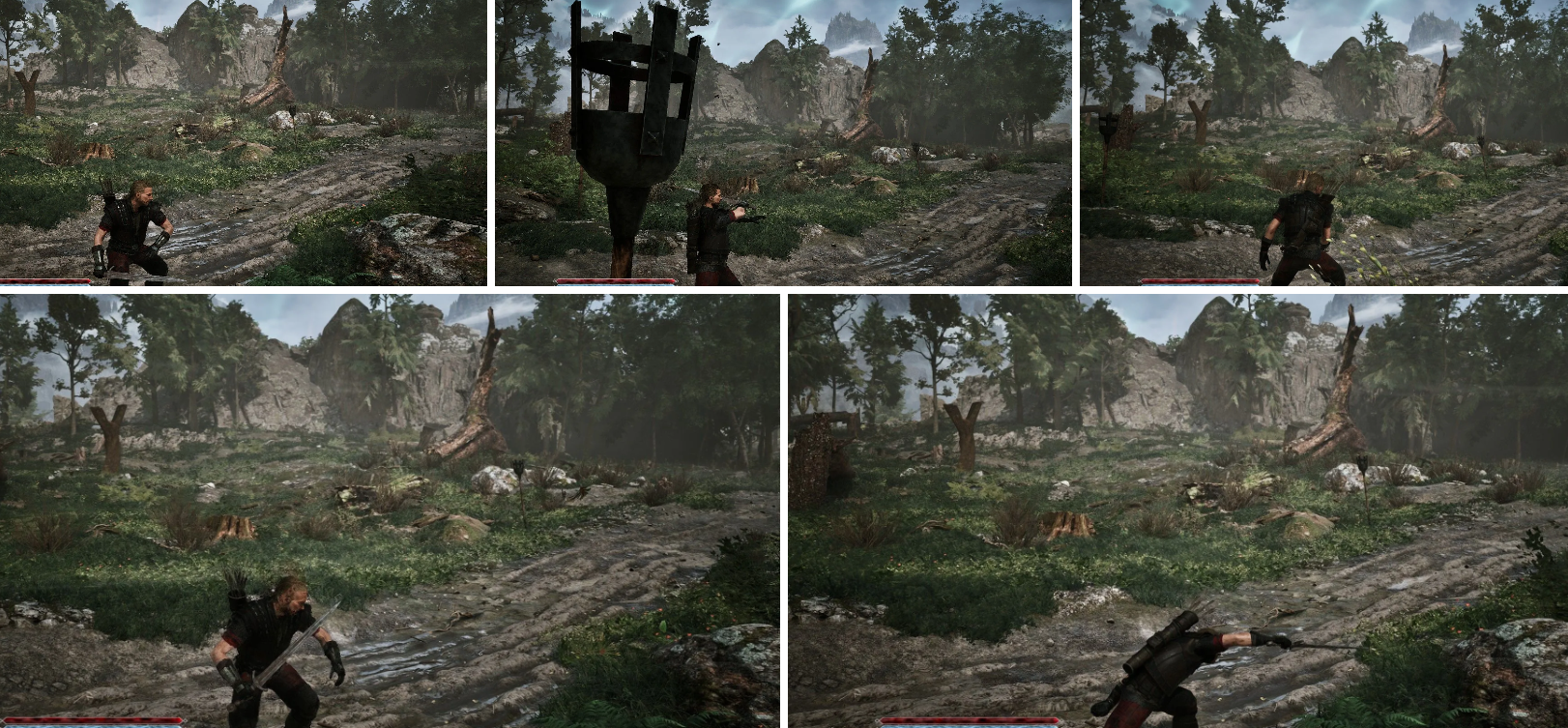
Weapon Upgrade Cost and Combat Effects
-
One-Handed (Trained) – 10 LP / 50 Ore. Speed, control, simple combos, crits, parries.
-
One-Handed (Master) – 20 LP / 200 Ore. Control, speed, critical chance, finishing moves, knockback, counterattack.
-
Two-Handed (Trained) – 10 LP / 50 Ore. Swing speed, combos, crits, parries.
-
Two-Handed (Master) – 20 LP / 200 Ore. Critical hits, finishing moves, knockback, counterattack.
How Training Affects Game Progression
Don’t ignore your teachers. A Nameless One who’s been trained and one who’s swinging a stick haphazardly are two different experiences. The first is pain and suffering. The second is spectacular kills with three-hit combos. The choice is yours.
How do you perform combinations of attacks and finishers?
Okay, theory is theory, but how exactly do you make the Nameless One chain together? It all comes down to the so-called “chain window.” Each weapon type has its own swing animation and its own timing for the next attack. Combos usually last 3-4 moves, and if you get the timing right, you’ll get a finisher at the end. Miss the window, and your character slows down, and the enemy will strike back.
Controls are classic: left button (quick attack), right (strong), Q (low thrust), E (overhead strike).
By the way, I strongly recommend choosing one weapon type and mastering it. If you’re constantly flitting between an axe and a sword, you’ll constantly miss progress bars at the most inopportune moments. Gothic 1 Remake also has animation cancellation. Yes, it’s a serious system.
Which one-handed or two-handed weapon should you choose?
Let’s break down each type.
-
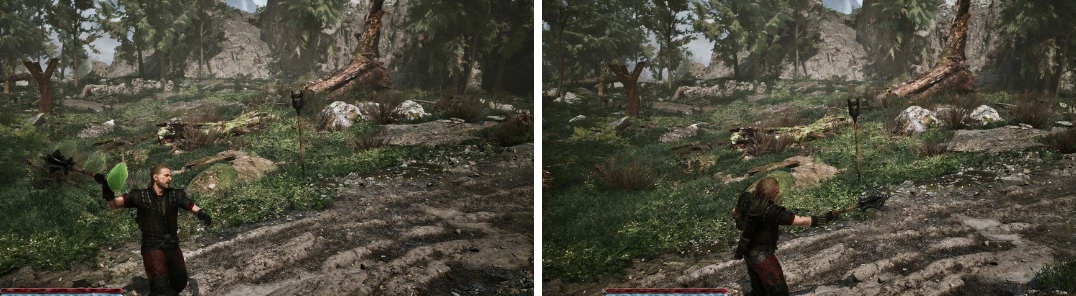
One-handed swords are simple in appearance but difficult to master. They’re fast, have average damage, but deadly combos. They’re the hardest to chain together, but the reward is increased critical hits and knockdowns.
-
One-handed axes are the happy medium. Reliable, they hit harder than swords. Combos are slightly easier to execute, and after leveling up, they become a brutal weapon. Something between a sword and a mace.
-
One-handed maces are slow but powerful. The low attack knocks enemies back, and the overhand strike crushes bones. Heavy, but effective.
-
Two-handed swords are slow, but have a huge range. Combos are even slightly easier to perform than with other two-handed weapons. The downside: they’re hard to swing in caves, and not so good against crowds.
-
Two-handed axes are also slow, but devastating. They’re ideal against strong, single enemies. Their combos are devastating, but their timing requires precision.
-
Staves and spears—their combos are tricky, but they have area-of-effect attacks. They’re the best choice against groups of mobs or for keeping enemies at bay. They’re practically useless against trolls, shadow beasts, or golems.
Attack Timing and Fatigue Mechanics
Timing is everything. Each attack allows you to immediately launch the next one, but there’s a catch. Mindlessly mashing buttons tires your character. Yes, Gothic 1 Remake has a hidden “fatigue” effect when spamming. Watch your rhythm and pause between combos.
Here are a couple of working combos for one-handed weapons (try it yourself):
-
Strong + Fast + Low Attack → Fast chain with a finishing blow.
-
Strong + Fast + High Attack → Powerful Combo with a Jump and Turn at the End.
-
Fast + Fast + Low Attack → Short Combo with a Stab.
How to Master? Practice only. Find a weapon that truly suits your spirit. It’s easier to become a Swordsman, more fun to become an Axeman, and you can take out crowds with a Spear.
How do Animation Cancel and Dodge Cancel work?
Remember that “heavy combat system” the developers talk so much about. The problem is this: after completing each swing, the Nameless One literally freezes in place for a split second due to a cooldown window. For any agile opponent, you’re a perfect target at that moment.
Animation Cancel (classic animation cancel) helps eliminate this vulnerability. The mechanics are simple: you press Block or Dodge during the final phase of an attack. The character instantly drops the lock, ignoring the remainder of the animation tail, and is immediately ready to act.
Block Swing and Recovery Phases
The system allows you to cut down on two key timings: the buildup, when the weapon is just rising, and recovery—those lazy frames after contact with the enemy. For this, the gamer has only two tools—block and dodge. What’s cool is that dodging is now activated directly from a defensive stance, so you can roll without the slightest delay. This is a purebred dodgecancel. The scheme works: press the enemy with maximum aggression, but at the first sign of danger, break your own combo and close the distance.
Unlocking Conditions for Hit Cancelling in Combat
However, this legal cheat won’t be available from the start. If your character is at the basic “Untrained” rank, you can forget about dodging mid-combo. You’ll have to faithfully watch your swing through to the end every time, even if the target has long since dodged and is attacking from behind. Everything changes after reaching the “Trained” level, which costs 10 LP. This skill activates canceling through dodge and block. This is perhaps the most powerful and critical upgrade for the early game—it changes the perception of timing more than any Strength upgrade.
Weapon Proficiency Rank
Using Dodge Cancel against opponents
There are three key scenarios when a well-timed dodge cancel can decide the outcome of a duel:
-
Countermeasures against heavy weapons. The opponent starts raising their heavy weapon just as you’re stuck in the recovery phase. A well-timed cooldown saves your face from unnecessary damage.
-
Crowd control. While you’re attacking one mob, a second one comes from the flank. We interrupt the current attack, reposition, and avoid a fatal stunlock.
-
Quick initiative transfer. Immediately after a successful parry, we cancel the animation tail, cut corners, and instantly find ourselves in the perfect position for a devastating counterattack.
Missing invulnerability frames when rolling
An important detail: local dodge is not the same as the roll from Dark Souls. There are no invulnerability frames (i-frames) for this dodge. Remember: if the roll animation doesn’t physically move the hero’s hitbox out of range, you’re guaranteed to get punched.
Animation canceling is designed for quick repositioning and breaking stupor, not for turning into a ghost. If you’re facing a golem or troll with their sweeping spinning attacks, forget about the pompous dodgecancel. It’s more reliable to lock down your block and counterattack the monster when it gets stuck in its recovery window.