If you really want to increase your chances of success in the Valorant tactical shooter from Riot Games, just playing more often is a weak strategy. It’s not enough. It is much more important to understand exactly where you are playing and what awaits you there. The actual pool of cards is not a checkmark in the menu or a minor detail, but the foundation of the entire competitive scene. A good knowledge of the cards that are currently in the ranking rotation gives you a tangible advantage even before the first shot is fired. Rising through the ranks and steady progress are based not only on accurate aim and quick reactions. Here the complex is solved: the ability to think strategically, interact with the team and confidently navigate the map. When you know which agent compositions work best, remember proven lineups, and understand the logic of each card, decisions are made almost automatically. The game stops being unnerving and begins to feel more calm and controlled.
The Valorant card pool is far from just a set of locations that alternate from match to match. Rather, it is a collection of completely different spaces, each with its own character and mood. The narrow and oppressive corridors of Split create one feeling, while the more open and variable Bind creates another. Haven’s verticality keeps you constantly on edge and makes you watch your height, while Ascent encourages dynamic firefights and gives you room for tactical maneuvers. Each map has its own pace, its advantages and its weaknesses. That is why it is so important to monitor the changes. Riot Games regularly updates the pool: some cards are added, others temporarily disappear from the rating queue. This is done for a reason — the game needs to stay alive and fresh. And if you keep your finger on the pulse, you can adjust strategies in advance, try new ideas and gain an advantage at a time when your rivals are just getting used to the next changes.
Table of Contents
All Valorant active pool cards (updated January 2025)
In Episode 8 Act 1, the Icebox ice map returned to the active pool on January 10th, once again bringing with it complex verticality and non-standard angles. At the same time, Haven was temporarily excluded from the competition queue, which significantly affected the usual choice of cards in rating matches.
- Ascent
- Bind
- Breeze
- Icebox
- Lotus
- Split
- Sunset
- Ascent
Ascent
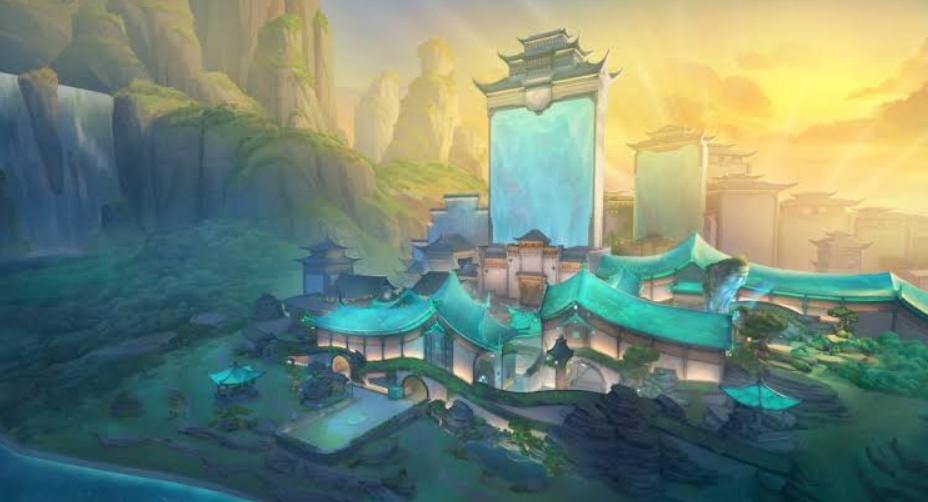
Ascent is considered to be one of the most beloved cards in Valorant. Its design, inspired by the atmosphere of Venice, immediately catches the eye. The Italian architecture, neat details and overall visual mood create the feeling of a living city, not just a shooting arena. But Ascent’s popularity isn’t just about the look. The main thing here is a well—balanced balance. The map is equally well suited for long-range shootouts and close-quarters combat.
Ascent’s shooting and line-of-sight are designed to support different playing styles. Long corridors and open spaces allow snipers to feel confident, and narrow corners and passageways regularly turn into intense duels where everything is decided by reaction and teamwork. The verticality complements the picture: several levels, elevations and unexpected positions make you constantly keep your head “360” and keep a close eye on the flanks.
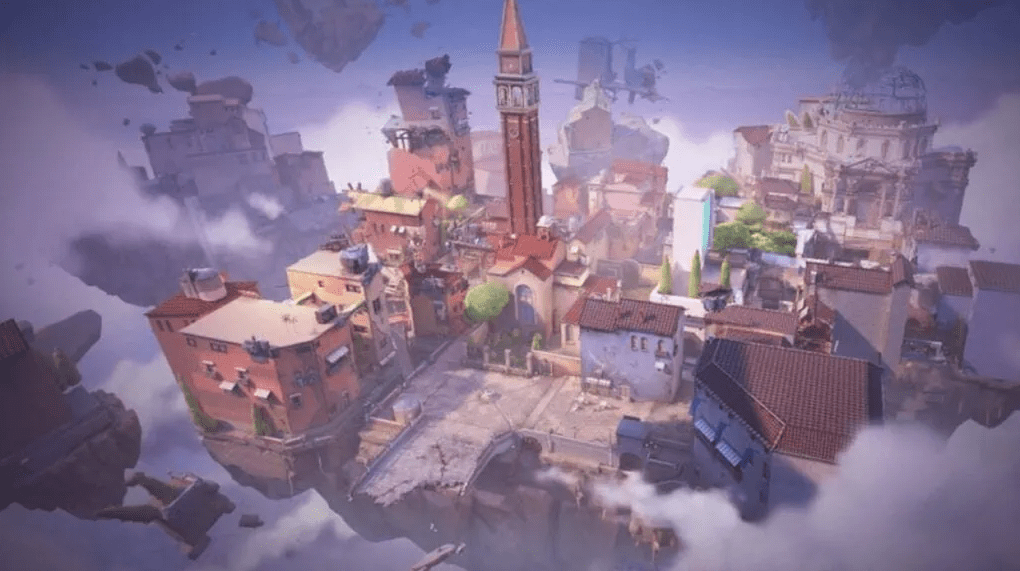
At the same time, Ascent takes not only gameplay. Its warm color palette, elegant buildings and recognizable atmosphere enhance the immersive effect. The matches here feel like a stroll through a picturesque Italian city, albeit with a gun in hand. Unsurprisingly, Ascent has long been a favorite of the community. It combines visual appeal, good balance and deep tactical potential, remaining interesting for both beginners and experienced players. Whether you like to play from a distance or prefer aggression up close, Ascent offers a dynamic and exciting gaming experience every time.
Bind
Bind is one of those Valorant cards that cannot be confused with anything else. It’s all thanks to teleports, a unique mechanic that sets the pace for the entire game. They are what make Bind truly special. The ability to instantly move between parts of the map opens up a lot of tactical options: from sudden rotations to unexpected flanks that can turn the round in a couple of seconds. You can’t lose your concentration here even for a moment.
Proper use of teleporters is a key skill for a successful Bind game. It is important not only to know when to use them, but also to be able to read the opponent, anticipating his movements. Teleporters are great for aggressive exits, quick defensive rebuilds, and even tricky traps. But without a well-coordinated team game, it is almost impossible to realize this potential.

Bind seriously checks the level of understanding of the map and the quality of communication within the team. Clear calls, correct timings and synchronous actions here decide the outcome of many rounds. Additional tension is created by the constant threat of the sudden appearance of an opponent from the teleporter — this keeps the players on their toes and adds adrenaline to every match.
In addition, Bind encourages out-of-the-box thinking. The map literally encourages experimentation and bold decisions, rewarding those who are not afraid to go beyond the template strategies. As a result, Bind remains one of the most tactically intense maps in Valorant. Teleporters make every match unpredictable, and their proper use can take the game to a new level and give you really vivid, memorable emotions.
Breeze
Breeze is one of the most recognizable Valorant cards with a beach theme and a sense of spaciousness literally from the first seconds. There is a lot of air, sun and open areas here, but you should not relax: the map quickly punishes mistakes. Wide spaces and long lines of sight make players feel the distance, control angles, and work confidently at long distances. The tropical surroundings look attractive and even peaceful, but behind this beauty lies a map where every detail is important. To feel confident on the Breeze, you need to be able to read the map, position yourself correctly, and understand where you are vulnerable.

Due to its size, Breeze gives you the freedom to choose your playing style. Some prefer to conduct methodical long-range duels, taking sniper rifles and controlling key shots. Others are more cunning, using cover, timings, and unexpected exits to force close combat. Open areas make team play especially important: without communication and coordinated actions, it is difficult to succeed here. Crossfires, competent rotations, and teammate support solve more than individual skill. Despite the resort mood, Breeze does not forgive frivolity. Long shots and a minimum of safe zones require precision, patience and a cool head. Sometimes it’s better to wait a second than rush forward and give a round.
Icebox
Icebox is a cold and sharp Valorant card that immediately stands out for its character. It feels different: more vertical, more aggressive, and sometimes chaotic. One of the main features of the map is the horizontal ziplines at point A. They noticeably accelerate movement and open up space for unexpected flanks and rapid rotations. It’s easy to take an opponent by surprise if you use your mobility wisely. At the same time, Icebox is literally strewn with shelters: containers, walls and ledges become part of the tactics and allow you to play out non-standard situations.

The verticality of the map deserves special attention. The different height levels on the film make you constantly keep in mind not only the horizontal, but also the upper positions. Defenders often gain an advantage by taking up height, while attackers have to look for non-standard ways and use their abilities to knock them out. Icebox requires flexibility — there is no one right style here. Snipers feel comfortable in open areas, and tough close-range shootouts can easily break out in narrow passages. Visually, the map also works for the atmosphere: icy structures, cold shades and the feeling of a harsh Arctic zone make each round tense. Icebox has added a fresh dynamic to Valorant and forced players to adapt. Ziplines, heights, and dense shelter placement create dozens of scenarios where those who can think fast, interact with the team, and are not afraid to change the plan on the go win.
Lotus
Lotus is a map that immediately makes it clear that everything will not be so simple here. This is the second Valorant card with three films, and this alone greatly affects the pace of the game and decision-making. But the main highlight of Lotus is its interactive elements. The revolving doors on sides A and C keep the players on their toes all the time. They can open the way for an unexpected attack or, conversely, confuse plans at the most inopportune moment. Every use of them is a risk and an opportunity at the same time. Another important element is the collapsible wall between A Main and A Link. The decision to break it is always tactical: on the one hand, new angles and pressure options appear, on the other, the team can betray its intentions and expose itself to return fire.

All these mechanics make Lotus a map where you need to think one step ahead. It is important not only to shoot, but also to understand when it is better to act cautiously and when to act sharply and aggressively. Revolving doors and a collapsible wall especially emphasize the role of teamwork. Without communication, clear calls, and proper timing, the card’s potential is simply lost. Lotus is constantly changing as the round progresses, and players have to adapt on the fly. As you master the map, you begin to enjoy its depth and variability. As a result, Lotus becomes a truly vibrant Valorant arena, where creativity, flexibility and teamwork decide the outcome of the rounds and make each match different from the previous one.
Split
Split immediately catches your eye and is memorable — it’s one of those Valorant cards that either catch on or make you nervous. Dense urban development, difficult terrain and a constant feeling of pressure create a very special atmosphere here. The map literally forces players to change their usual style of play and adapt to its rules. Narrow passageways, multi-level buildings and unexpected corners make each round different from the previous one.
The key feature of Split is its pronounced verticality. Here, combat rarely takes place “on the same plane”: a threat can come from above, from below, or from the side. Players have to constantly scan the space and keep several map levels in mind at once. This adds tension and makes the shootings more chaotic and emotional. I made a mistake with my position and immediately found myself in the crossfire.

High-altitude positions on Split can both save the round and play a cruel joke. For defenders, this is a powerful control tool: a convenient overview, unexpected exits, and the ability to impose your pace on your opponent. But the attackers have to act carefully and thoughtfully — without teamwork, competent calculations and accurate timings, it is extremely difficult to break through to the top.
The narrow corridors deserve special attention. They create a feeling of tightness and keep you constantly in suspense. Here, everything is decided by reaction, confident shooting and the ability to use the agents’ abilities in time. To play comfortably on Split, it’s not enough just to know the map — you need to feel its rhythm, competently take positions and constantly communicate with the team. Coordinated exits and quick rotations here often decide the outcome of the match.
Sunset
Sunset is the very case when the classics work. Two planes, three lines and a clear structure make the map intuitive and convenient for most players. At the same time, it does not seem boring: on the contrary, the familiar layout gives room for tactics and team decisions. Complementing all this is the vibrant atmosphere of Los Angeles, which is felt in the details and overall mood of the map.
An interesting Sunset mechanic is the mechanical doors familiar to Ascent players. They can change routes right during the round — open new paths or, conversely, block access. It adds dynamics and makes you constantly be on your guard. Sometimes a single click of a button can completely turn the situation on the map.

Sunset’s classic design encourages thoughtful play and teamwork. Three lines allow you to vary approaches, play fakes and change the pace of the attack. Without communication and a clear understanding of roles, it is difficult to succeed here — this is a map where team synergy is felt especially acutely.
Visually, Sunset looks lively and atmospheric. References to Los Angeles, bright colors and recognizable elements create a presence effect and make matches more emotional. To feel confident at Sunset, you need not only to know the positions and timings, but also to be able to adapt to the course of the game. Competent exits, skillful use of utilities, and timely decisions are often crucial here.
Haven
Haven breaks the usual patterns of Valorant — instead of the standard two boards, there are three spike installation points at once. This solution significantly complicates the game and forces the teams to think more broadly. You can’t just “read the card on the roll” here — each round requires attention and flexibility.
Three players radically change the dynamics of matches. Teams have to constantly make decisions about where to strengthen their defenses, when to rotate, and how to allocate resources. Each point has its own characteristics, and a mistake in choosing a position can cost a whole round. Haven is not about automatism — it’s about reaction and the ability to adjust quickly.

The unusual structure of the card stimulates creativity. Players are more likely to experiment with strategies, try out non-standard agent setups, and look for unexpected solutions. Thanks to this, Haven rarely feels monotonous — even after dozens of matches, it is capable of surprising.
Mastering Haven requires a high level of teamwork. Constant exchange of information, quick calls and willingness to change the plan on the go are crucial here. The card keeps you in suspense until the last second and generously rewards those who know how to think strategically and keep their cool in difficult situations.
Card rotation in Valorant: why are there only seven of them?
In competitive Valorant, maps are not just a background, but a full—fledged gameplay element. Each of them offers its own pace, logic and a set of tactical solutions. The seven cards included in the rating pool were selected in such a way as to cover different styles of play and at the same time not overload the players.
A limited number of cards is a conscious choice. It allows you to maintain a balance between diversity and depth. Players have time to explore each map inside and out: to learn the angles, shooting, spreading and optimal routes. Instead of a superficial acquaintance, there is a real understanding of the map and its capabilities.
In addition, a small pool of cards strengthens the competitive community. Players discuss the same locations, share tactics, and develop a common understanding of meta. This is especially important for esports, where the stability and predictability of maps allow teams to build long-term strategies.
This approach is also beneficial for developers. It gives you the opportunity to focus on balancing and refining existing maps, rather than spreading yourself across dozens of locations. As a result, players get a more stable and honest competitive experience. There may be only seven maps, but each of them is designed to remain interesting and relevant for a long time.