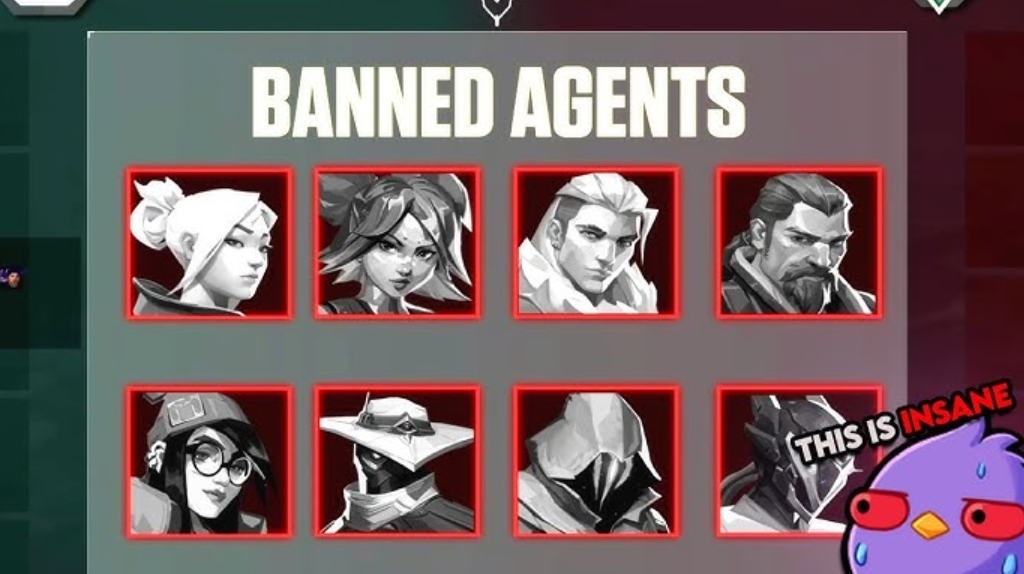
Since its release in 2020, VALORANT has come a long way, evolving from a simple 10-character shooter into a complex discipline where the old rules of the game no longer apply. While roles were clear and strategies transparent at the start, by April 2026, the roster had swelled to 29 agents. Today, discussions about introducing a ban system in VALORANT esports no longer sound like a whim, but a production necessity.
Table of Contents
Why VALORANT Needs an Agent Ban System Now
Previously, the idea of bans seemed outlandish. The character pool was too small, and banning a Jett or Sova could simply ruin a team’s tactical preparation. VALORANT Senior Game Designer Trevor Romleski claimed back in 2020 that Riot Games had no plans to introduce bans because the game lacks “hard counter picks.” The developers took responsibility for balance, trying to avoid situations where a ban became the only way to avoid overpowered players.
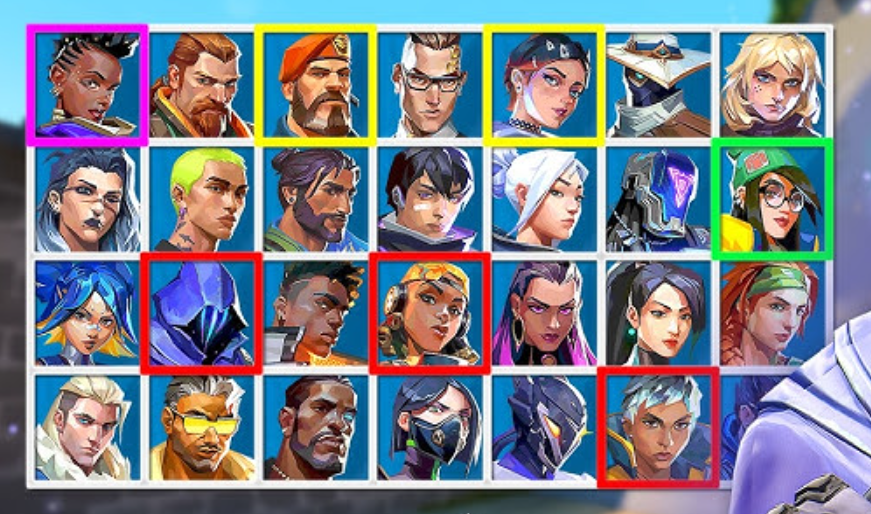
But times have changed. There are now almost three times as many characters, and their abilities have begun to dangerously overlap. Take Vyse, for example—she has traits of both a Sentinel and an Initiator. The lines are blurring.
The Problems of the VALORANT Meta and the Effect of Inertia
Despite the abundance of choice, the professional scene often languishes in monotony. While some agents dominate every pick, others gather dust on the shelf, despite looking quite decent by the numbers. Global Esports head coach Hector “FrosT” Rosario is quite blunt about this: he considers it foolish for half the roster to be practically unplayable due to imbalances and bizarre Sentinel nerfs. Innovation in the game has shifted to the micro level—teams are honing timing and pixel perfection, but the overall (macro) picture remains predictable. Analyst Donnie “Elevated” Chell aptly noted on Twitter: VALORANT has become too sluggish. Games often snowball into a series of ultimates, with the outcome already decided before the mid-game.
How will agent bans change VALORANT esports?
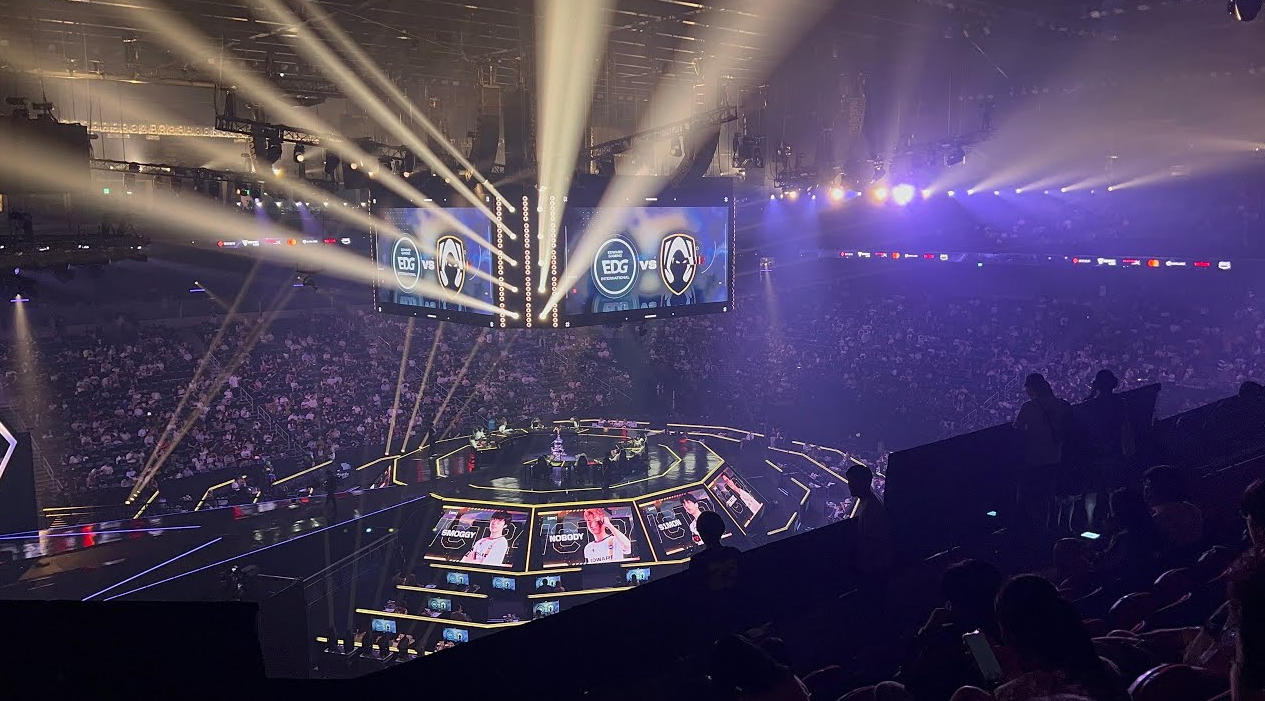
The introduction of bans will impact the comfort level of top players. This will force teams to be flexible in real time, rather than simply copying the successful strategies of their competitors. While some may argue that this will devalue existing developments, in reality, it will only reveal the true depth of a roster.
-
Adaptability vs. memorization: Those who can adapt on the fly will win.
-
Strategies: Bans will push forgotten characters back into the spotlight. • Spectacle: Predictability is the main enemy of viewership, and bans will destroy it.
Melanie “meL” Capone, former captain of Shopify Rebellion Gold, emphasizes that victory in VALORANT is currently forged on the ability to maximize micro-situations and finish off opponents in favorable trades. The ban system will add another important variable to this equation: strategic intelligence during the draft stage.
VALORANT Stagnation and Falling Viewership
Viewership for top VALORANT leagues has plummeted, and the reason is obvious: viewers are simply bored. Esports has always relied on unpredictability and insane highlights, but now the professional scene has become an endless Groundhog Day of the same old picks. Fans are starved for drama, and agent bans could be the catalyst that would create new storylines and force teams to truly focus on strategy.
The numbers confirm this dismal trend. According to Esports Charts, peak online viewership for VCT Americas Kickoff 2026 barely broke the 370,608 mark. By comparison, the previous event in the series attracted 553,837 viewers at its peak. A drop in interest of almost a third is no longer a fluctuation, but a serious wake-up call for Riot Games. Why unconventional picks increase tournament reach
The best proof that the audience craves madness is Team SMG’s legendary match at the VALORANT Game Changers Championship 2023. The girls mistakenly (or perhaps just for fun) picked four duelists and one sentinel on the map Lotus. The outcome? A 13-3 rout of Evil Geniuses GC and a community debate that continues two years later. Team SMG’s roster adapted on the fly, showing that spark that’s sorely lacking in the sterile VCT matches.
How will Riot Games implement bans without losing balance?
Clearly, it’s impossible to act rashly—chaos in the meta can kill tactical depth. The most logical way to test the system is on the tier-2 stage or at off-season tournaments like BoomTV VALORANT Select 2025. Starting with a single ban per team will refresh the game without completely destroying the coaches’ existing systems.
Therefore, the developers themselves have already been thinking about this. Back in 2025, John Gosicki, head of character development at Riot Games, hinted that the game’s current state was stable, but as the roster of agents grew, the studio would have to “pull another lever.” It seems the time for radical changes in VALORANT esports has finally arrived—otherwise, stagnation will completely kill interest in the discipline.