

YAPYAP is one of those games that feels less like a polished product and more like an invitation to step into someone else’s strange idea of fun. It doesn’t try to impress you with lore dumps or cinematic introductions. Instead, it drops you into a hostile space and quietly asks: what if everything you do just makes things worse — and contributes to a chaos quota you can’t ignore?
After several sessions, YAPYAP stopped feeling like a “game I’m learning” and more like a place I was visiting with friends — a place where things consistently went wrong in new and unexpected ways. There’s no heroic framing here. You’re not chosen. You’re not important. You’re loud, clumsy, magical troublemakers living out a kind of wizard vandalism fantasy, breaking things first and thinking later.
Table of Contents
YAPYAP Free Steam Account
What really separates YAPYAP from other action games is its attitude toward control. Most games reward mastery and precision. YAPYAP rewards adaptability. Even when you understand its systems, the game rarely lets you feel fully in charge. Something always slips: a spell fires late due to voice recognition, an enemy reacts oddly, or a teammate panics and shouts the wrong command. The chaos is not accidental — it’s the core fantasy.
YAPYAP doesn’t give you clean objectives like “secure the area” or “retrieve the artifact.” Instead, it encourages destructive curiosity. Break objects, smash fixtures to fill quota, make noise, trigger reactions. The game doesn’t punish you for being reckless — it expects it, and then escalates accordingly through a clear quota of Chaos.
Extraction isn’t a victory lap; it’s survival after self-inflicted disaster. The extraction point moves, pressure rises, and you don’t feel clever for escaping. You feel relieved. And that emotional shift is important. YAPYAP isn’t about feeling powerful — it’s about barely holding things together.
How a Run Is Structured

On paper, YAPYAP’s structure is simple. In practice, it’s surprisingly effective at creating tension without relying on scripted events. Every run follows the same broad pattern, but no two ever feel identical.
You enter a location, start interacting with the environment, and slowly realize that your presence is making the place angrier. The longer you stay, the more the game pushes back.
Three nights, rising pressure and extraction
Each run is split into a three-night cycle, and that pacing matters more than it first appears. The first night often feels deceptively calm. You experiment, joke around, maybe even feel confident. Mistakes are survivable. Death feels unlikely.
By the second night, that comfort erodes. Enemies become more aggressive, resources start to matter, and coordination stops being optional. You can feel the game closing in, tightening its systems around your earlier decisions.
The third night is where YAPYAP reveals its real personality. Everything is louder, faster, and less forgiving. Extraction becomes chaotic, often messy, and rarely graceful. When you succeed, it feels less like triumph and more like escaping a bad situation you helped create.
You’ve never played like this – thanks to steam free accounts.
Voice-Controlled Spells in Practice
The voice-controlled spell system is YAPYAP’s most talked-about feature, and for good reason. Built around voice recognition, it fundamentally changes how you interact with the game — and with the people you’re playing with.
Speaking spells out loud sounds like a novelty until you’re actually doing it under pressure. When things are calm, voice control feels almost magical. You cast spells with your mic, say the words, the spell fires, and everything clicks. When things fall apart, your own voice becomes another unreliable input.
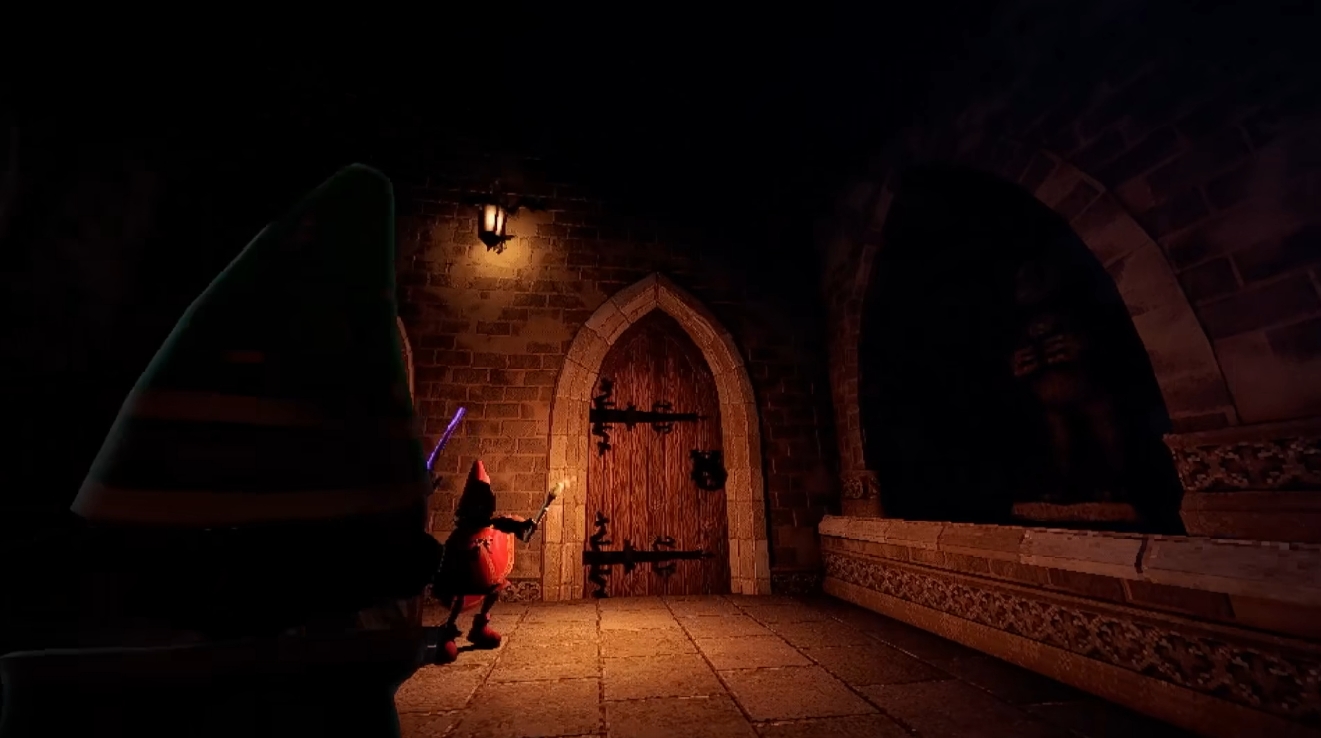
When shouting works — and when it backfires
Some of the most memorable moments in YAPYAP come directly from voice control failing at the worst possible time. A spell misfires, causing accidental friendly fire, because someone else spoke at the same moment. A shouted command comes out wrong because panic kicked in. Everyone hears it, everyone reacts, and the situation spirals.
It works best when the group finds a rhythm — when players naturally space out commands, speak clearly, and stay aware of each other. It collapses when people talk over one another or try to brute-force the system with volume.
What’s important is that these failures don’t feel external to the game. They feel earned. You don’t blame the system — you blame yourselves, laugh it off, and try again.
Wands, Progression and the Economy
Progression in YAPYAP is intentionally uncomfortable, and that discomfort feels deliberate. This is not a game where every run makes you stronger in a clean, linear way. Sometimes, you end a session feeling like you’ve lost ground — and that’s part of the experience.
Wands define your magical options, while gold governs how much flexibility you have. Both are shared resources, which immediately turns progression into a social problem rather than an individual one.
Shared gold and punishing progression
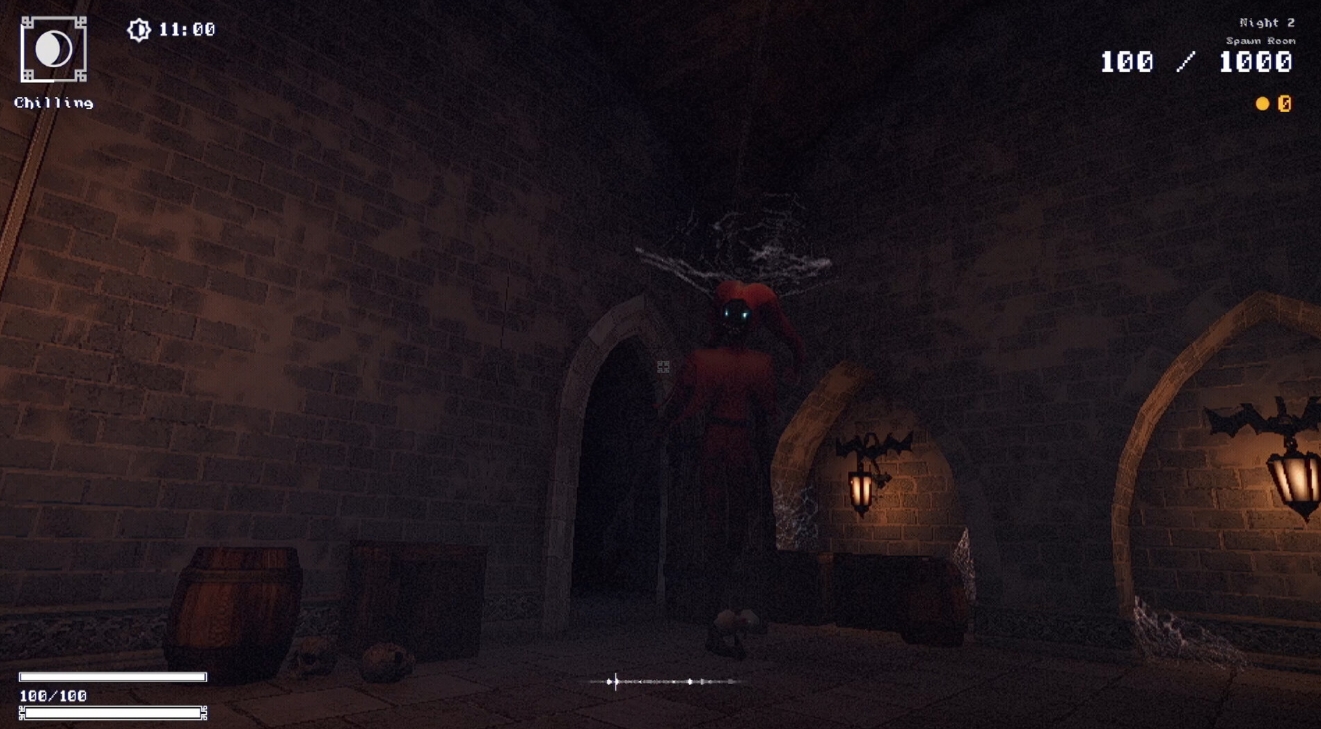
Because gold is shared — and often shared gold scarce — every purchase becomes a group decision. One bad choice can ripple through an entire run. One risky upgrade can leave everyone vulnerable later.
The punishing economy shines when players communicate openly and accept responsibility for mistakes. It feels harsh when someone hoards resources or ignores the group’s needs. YAPYAP doesn’t intervene or smooth things over. It lets those tensions play out naturally.
Progression here feels less like empowerment and more like fragile momentum — something you can build, lose, and rebuild again.
Co-Op Reality
YAPYAP is unapologetically a co-op-first game, and it doesn’t try to pretend otherwise. Everything about its design assumes you’re playing with people you can talk to, coordinate with, and occasionally argue with.
No matchmaking and solo limitations
There is no public matchmaking, and solo play feels like an afterthought. Technically, you can play alone, but the experience loses much of what makes YAPYAP interesting. Voice mechanics, shared resources, and chaotic coordination all lose their bite without other players.
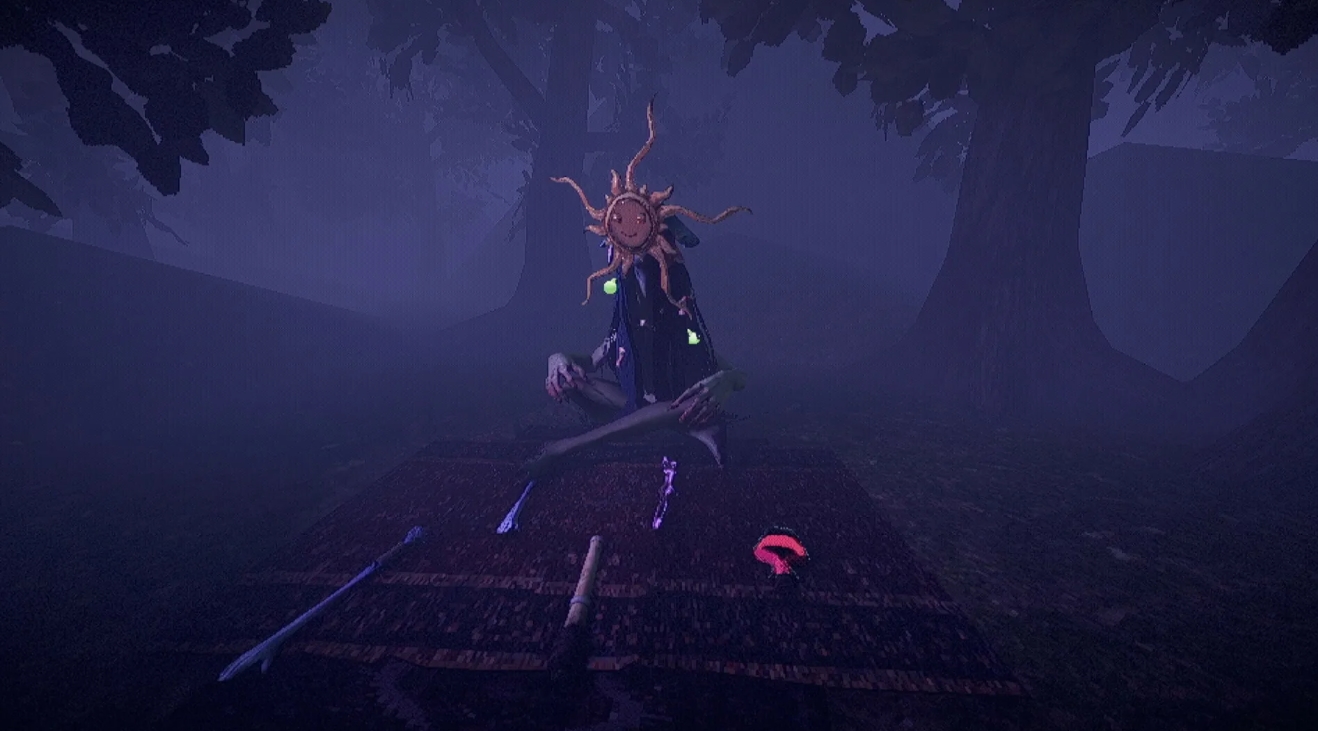
This makes YAPYAP less accessible, but also more honest. It knows what it wants to be, even if that means turning away players who don’t have a regular group.
Visual Style and Technical State
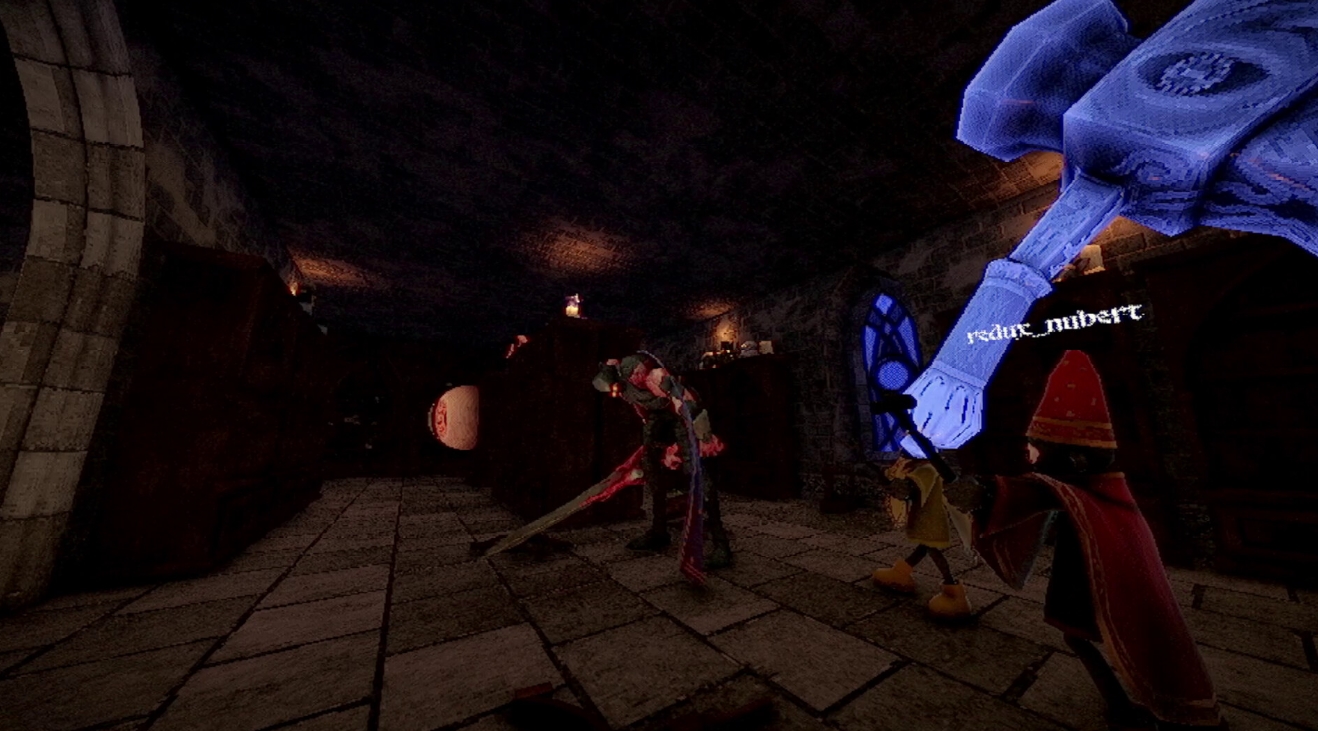
Visually, YAPYAP embraces an intentionally rough, cursed PS1 aesthetic / pixel filter. Environments look unstable and slightly wrong, which matches the tone perfectly. It’s not a beautiful game in a traditional sense, but it is expressive.
Technically, things are less consistent. Bugs, performance dips, and odd behavior show up regularly. Most of the time, they’re tolerable. Occasionally, they’re frustrating.
Cursed aesthetics, bugs and instability
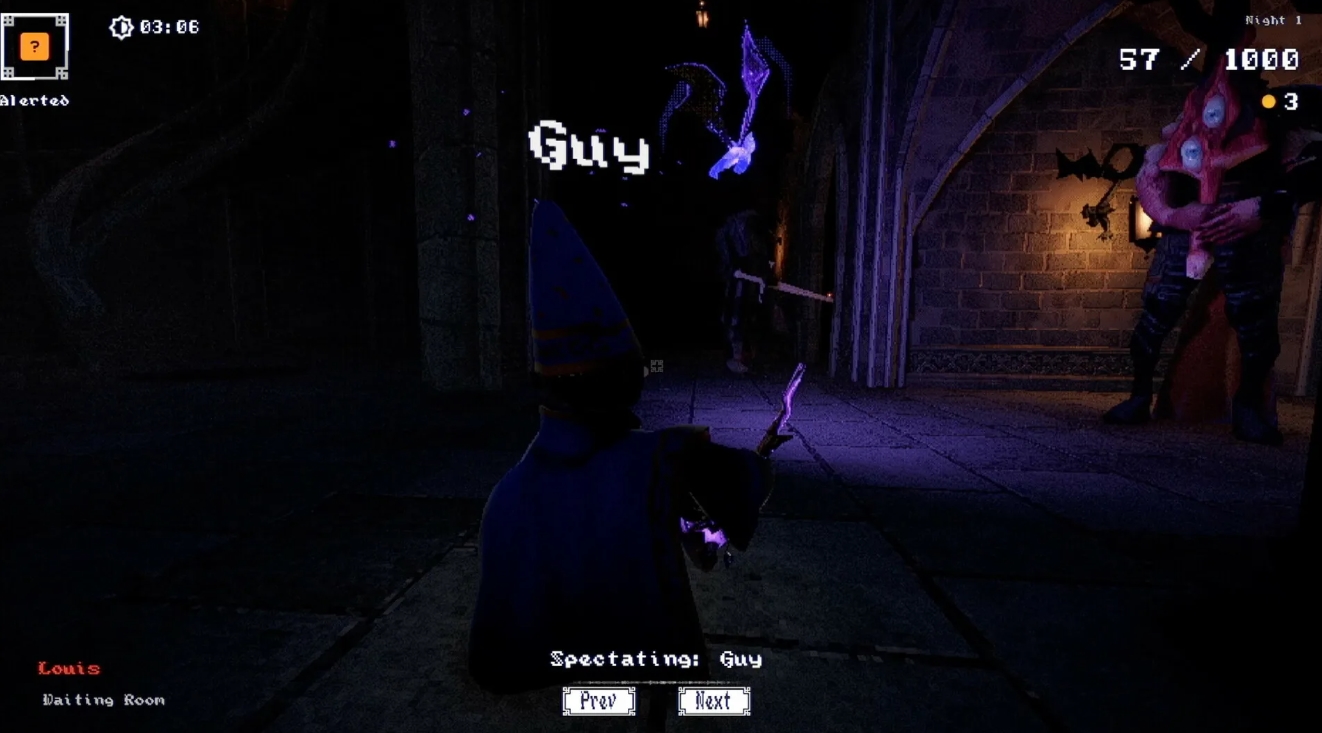
The technical issues don’t destroy the experience, but they do demand patience. You’ll likely encounter:
-
uneven performance depending on the session;
-
minor desyncs during co-op;
-
UI elements that feel unfinished.
For some players, this will be part of the charm. For others, it will be a deal-breaker.
Final Thoughts
YAPYAP feels like a game made by people who value moments over polish. It doesn’t chase mass appeal, and it doesn’t try to be safe. Instead, it builds systems that collide in unpredictable ways and trusts players to find meaning — and humor — in the fallout.
It can be exhausting. It can be unfair. But it can also be genuinely memorable in ways few action games manage.
Who will enjoy YAPYAP — and who won’t
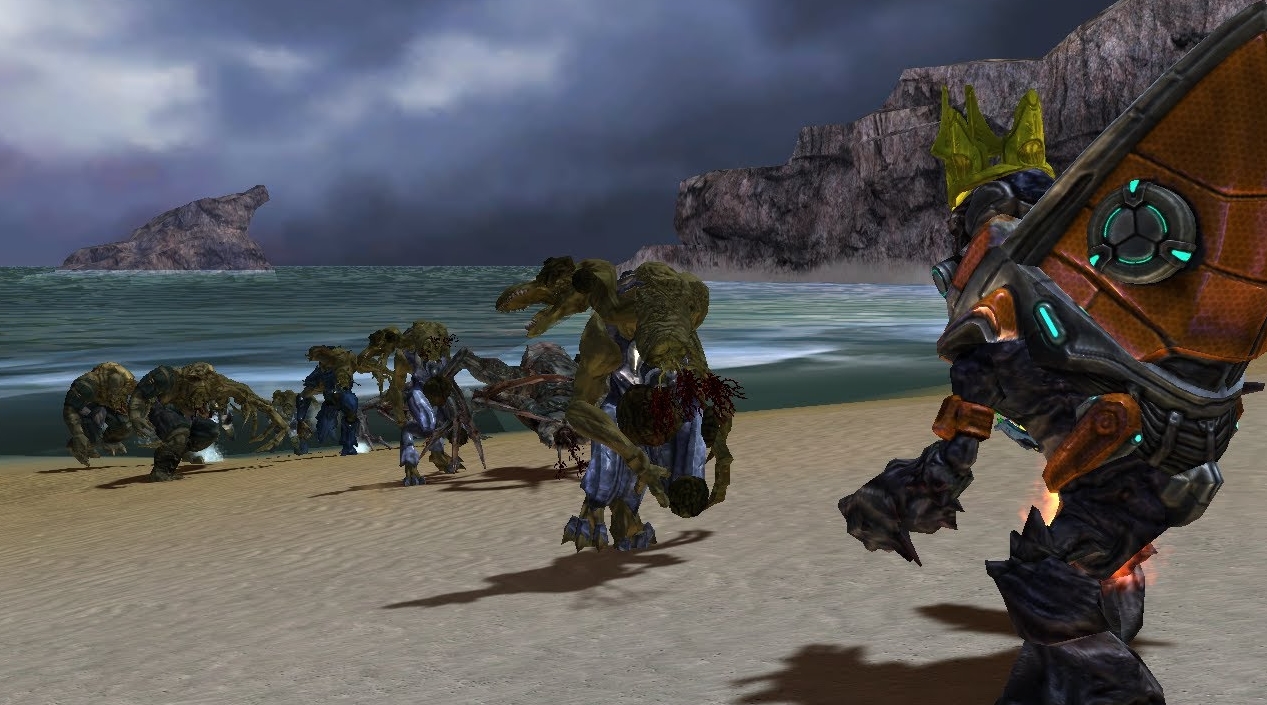
You’ll likely enjoy YAPYAP if you:
-
play games primarily with friends;
-
enjoy experimentation and failure;
-
value shared stories over clean victories.
You’ll probably bounce off it if you:
-
prefer solo-friendly design;
-
want stable progression and control;
-
dislike mechanics that rely on real-world input.
YAPYAP isn’t trying to be your next long-term obsession. It’s trying to give you a handful of chaotic nights you’ll still be talking about weeks later — and in that, it largely succeeds.
YAPYAP System Requirements for PC
YAPYAP is not one of those games that require top-end hardware or a lot of fiddling with settings. The project is quietly running on relatively modest systems and is focused on smooth gameplay rather than a race for graphics technology. If you have a computer at the level of an average gaming PC from previous years, there should be no problems with startup and stable operation.
Eight gigabytes of RAM, a Core i5 processor, and a graphics card like the GTX 970 are enough for a comfortable game. The game does not overload the system excessively and takes up a minimum of disk space, which is especially nice if the SSD is already full. Having a stable Internet connection is important primarily for the correct operation of network functions and updates.
YAPYAP
In general, YAPYAP’s system requirements look adequate and friendly — the game is designed for a wide audience and does not try to cut off players with high technical barriers. A great option if you just want to launch the game and start playing without unnecessary compromises.
How to play YAPYAP for free on Steam via VpeSports
There are times when you just want to open the game and forget about everything unnecessary — without complicated inputs, unnecessary conditions and endless settings. YAPYAP is just about this feeling. She doesn’t try to seem too serious, but she manages to drag it out so that you spend more time in the game than you planned. It’s nice to play here, it’s nice to come back and find something new every time, even if you’re not a beginner anymore.
We made everything as straightforward as possible on purpose, because we don’t like it when we have to figure it out for half an hour before we start. You register on the website, log in to your profile and just scroll up the page. There’s a GET AN ACCOUNT button waiting for you — you press it and then everything happens quickly and without surprises. No confusing schemes, everything works as it should.
If you suddenly want to keep up to date with what is happening around YAPYAP, we have a Telegram channel where everything is fair and without water. There we share new accounts, talk about updates, and just chat with the players. And if something goes wrong or you have any questions, you can always take a look at the guide or write to the chat. We respond with lively language and really try to help, because we understand how it happens when you just want to play and not figure out the problems.