

Almost a quarter of a century ago, the open-world action genre was just taking its first steps, preparing to capture the minds and hearts of players. And although it was Grand Theft Auto III that became the symbol of this breakthrough — and we will soon celebrate its anniversary — history could have turned out differently. After all, if not for the endless postponements, Mafia: The City of Lost Heaven could have become the true flagship of the genre — a game that was no less ambitious and atmospheric.
It is interesting that both of these games did not appear out of nowhere. GTA III had two-dimensional predecessors that had already laid the foundation for the cult series. And Mafia was inspired by Driver: You Are The Wheelman, which managed to recreate the spirit of real city streets in a racing game back in 1999. But it was the idea of free movement around a large, living city that could have become its main calling card. The same freedom that Shenmue had given the world a little earlier was supposed to sparkle with new colors.
However, fate decreed otherwise. Mafia was originally supposed to be released in 2000, then was pushed back to mid-2001 due to technical difficulties with the engine, and was eventually released only in the summer of 2002. And who knows what our conversations about the “father” of the open world genre would look like today if the development had gone according to plan.
Table of Contents
Mafia: Definitive Edition Free Steam Account
When talking about Mafia: The City of Lost Heaven, as well as its spiritual predecessor Driver, the first word that comes up is “authenticity”. This game didn’t just convey the atmosphere of America in the 1930s – it literally immersed you in it. Streets, buildings, cars, suits, weapons – everything looked as if you really stepped into the era of prohibition and gangster showdowns. It was impressive even today, but in 2002, when the game first came out, it was a real breakthrough: the city felt alive, convincing – real. Moreover, the level of detail was so high back then that even years later it commands respect.
It is interesting how differently the developers approached the creation of the game world in GTA 3 and Mafia. Rockstar called the city “the worst place in America… again”, and Liberty City looked like an evil caricature of New York – noisy, cruel and cynical. In Mafia, on the contrary: even the subtitle — The City of Lost Heaven — sounded warm, and the city felt almost cozy, despite its criminal essence. It was not a decoration, but a part of the story.
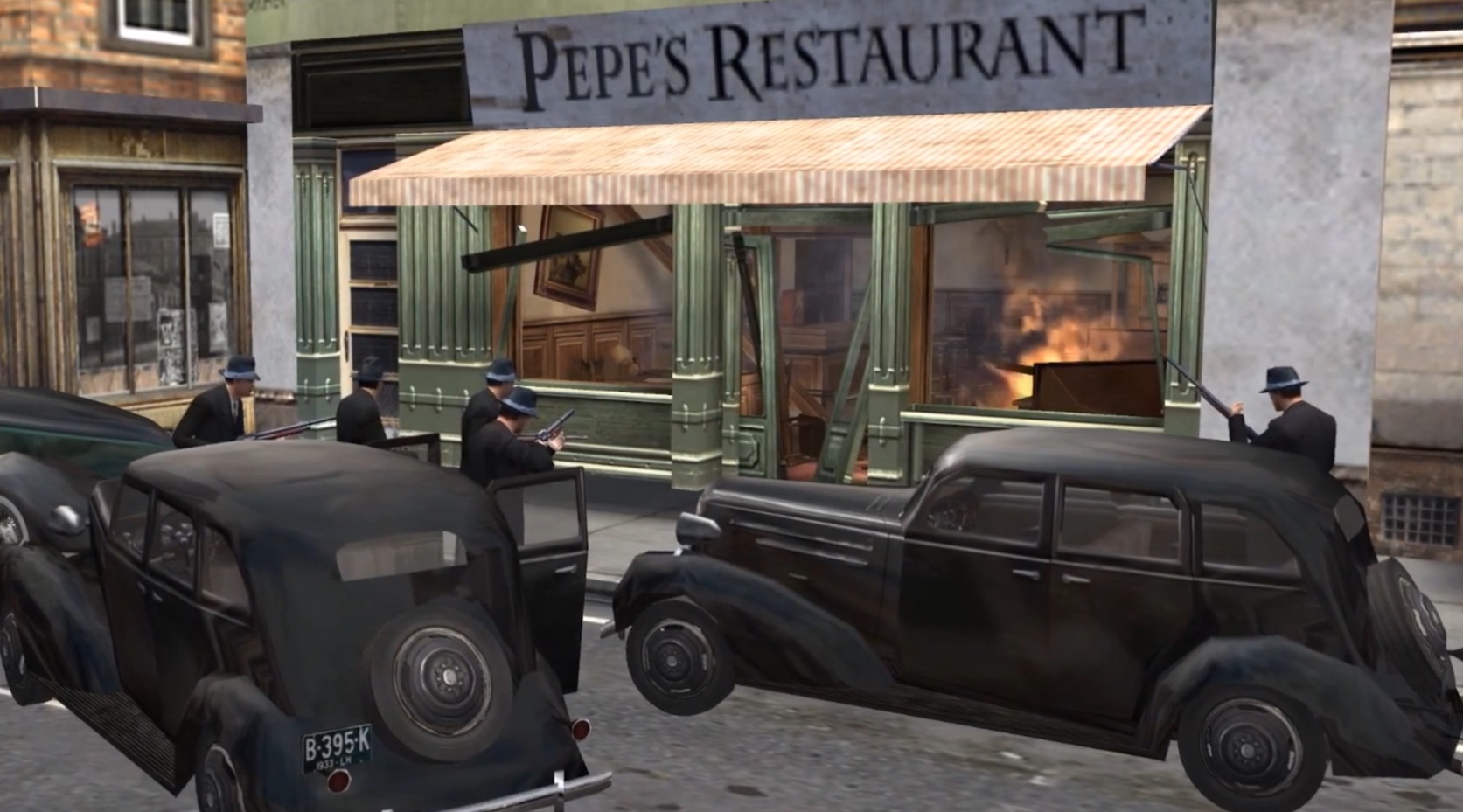
GTA 3 was about freedom. It allowed you to do whatever you wanted: steal cars, listen to your own music in the car, and just live through the chaos on the streets. The main character, the silent Claude, fit this concept perfectly: he had no will of his own, but that was the point — he was a blank canvas onto which each player projected themselves.
Mafia, on the contrary, offered not freedom, but a story. Instead of an empty avatar, you played as Tom Angelo, a taxi driver drawn into the world of organized crime. This was not just a character — it was a life that you lived with him: from a random bystander to an important figure in the mafia hierarchy. And this made Mafia not just a game, but a drama in which everything had a cause and effect.
Save your budget for snacks – play with a free steam account with!
Mafia: The Game That Brought Hollywood to Your PC
Mafia was not only captivating with its 1930s American atmosphere — it had something more. The camera captured every moment with cinematic precision, and the plot was written in such a way that at times it seemed like you were watching a serious dramatic film, not playing a game. And it was especially surprising to realize that it was not the Americans who were behind all this, but the Czech studio Illusion Softworks — talented guys who were able to convey the spirit of the era even without perfect knowledge of English.
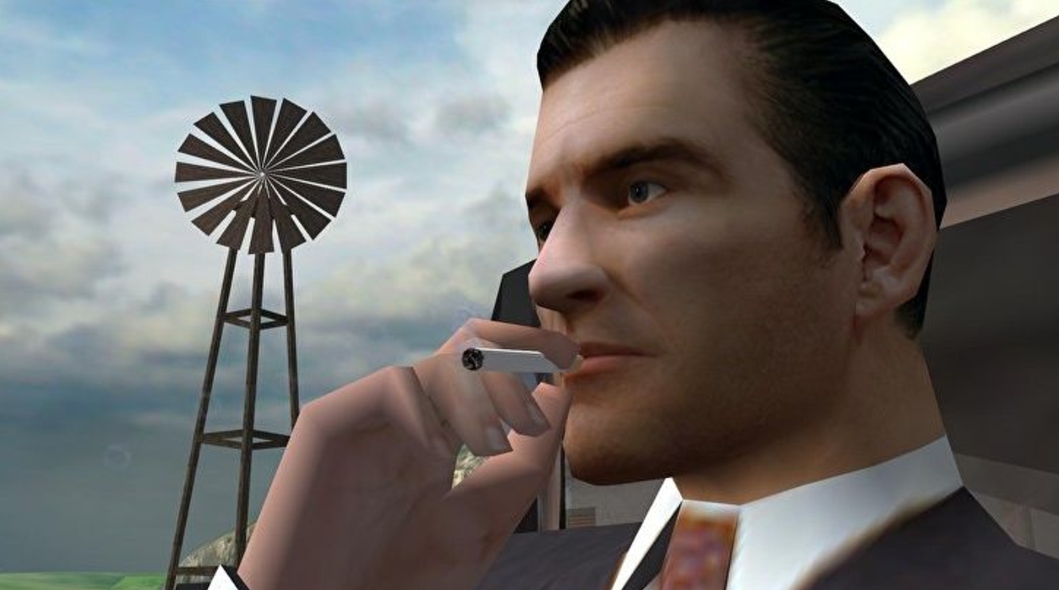
Mafia was based on the classic cliches of the genre — and this only played into its hands. Here you could try yourself in all the roles that only come to mind when you hear the word “gangster”:
-
take part in chases in vintage cars,
-
carry out orders from the boss,
-
deal with competitors,
-
arrange “conversations” with a baseball bat,
-
and, of course, calmly drive around the city, enjoying its atmosphere.
And although the structure of the game resembled a blockbuster, inside it lived a quiet, almost melancholy story.
A lot of credit for this lies in the style of the narrative. The off-screen monologues of the main character Tommy turned an ordinary plot into a confession. You don’t just watch, you live his journey: first a random witness, then an important figure in a mafia family. Tommy was neither a superman nor a villain – he was alive, with doubts, pain, hope. Someone you really empathize with.
And the other characters did not cause rejection. Mafia romanticized the gangster world, making it almost cozy – with friends, conversations in the car and eternal moral choices. That’s why it was so easy to end up “on their side.” The second part, alas, lacked this warmth – that very feeling that you became part of something big and personal at the same time.
Why Fans Still Choose the First Mafia
If the first Mafia felt like a noble crime drama with a touch of romanticism, the second part abruptly changed its tone – it became rougher, darker and much more cynical. It was a real shock for me to learn that the same person is behind both scripts – Daniel Vavra. It seems that he deliberately decided to break the glass dome of the sophistication of the first part and show everything “honestly”, adding street rudeness to the sequel, alcoholic heroes with the habits of gopniks and dialogues overflowing with obscenities – it is not for nothing that the game was even included in the Guinness Book of Records for the amount of swearing.
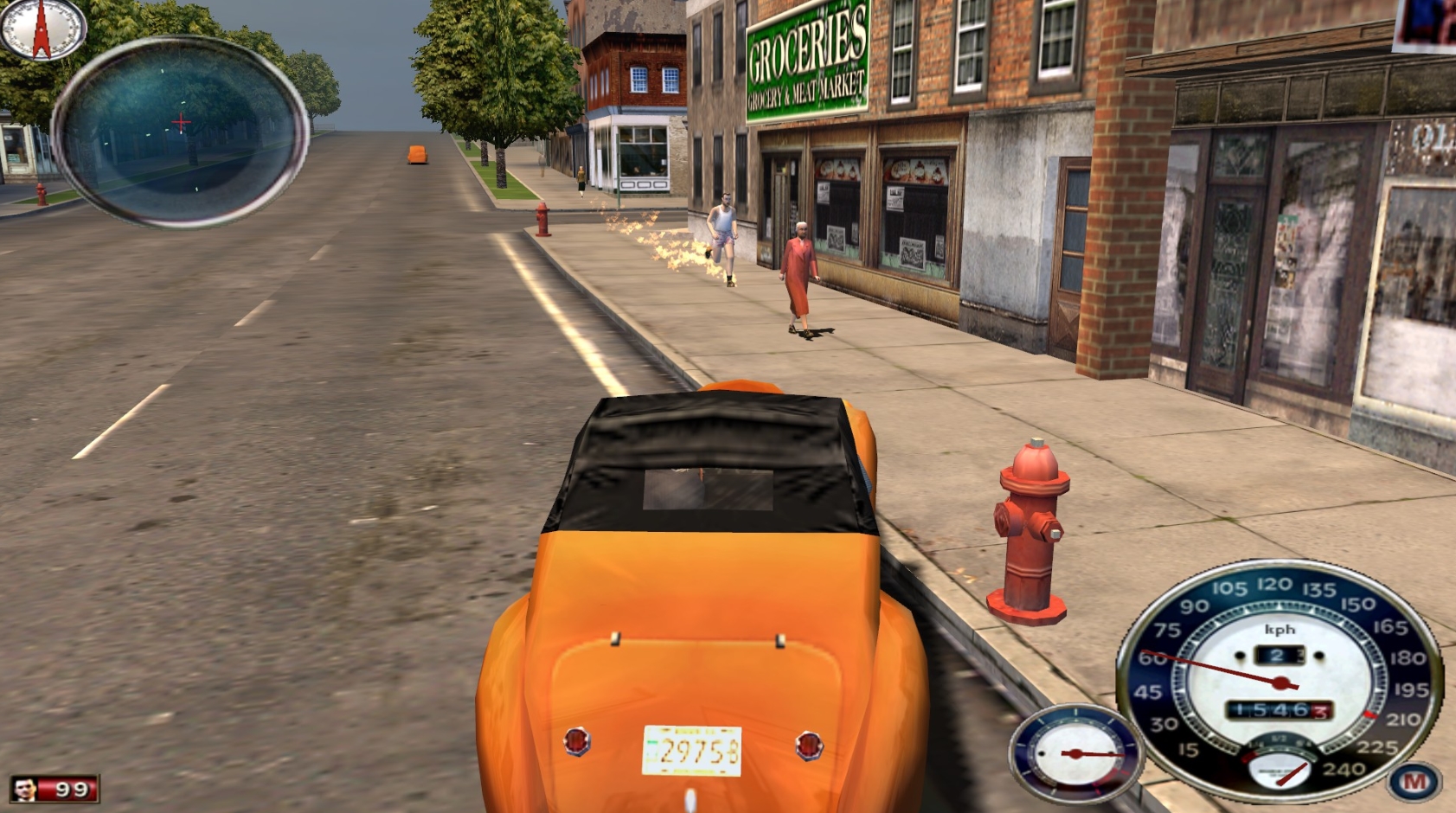
How the second part differed from the original:
-
Rough, “street” style of narration instead of elegant presentation;
-
The main character and his partner were more irritating than sympathetic;
-
Almost complete lack of progress in terms of the open world;
-
The emphasis on realism, devoid of its former charm.
This is what destroyed the magic of the sequel for me. Mafia II never became a game with an open world in the full sense (unlike the same GTA, which was later intercepted by Saints Row and others), but it tried to keep the focus on the plot. But watching the gray life of the eternally gloomy Vito and his noisy friend Joe turned out to be completely uninteresting – it was difficult to empathize with them. Instead of a gangster fairy tale, we were given a harsh, sometimes unpleasant reality, which completely deprived the game of the charisma that the original had.
And the third part seemed to deliberately turn away from its origins. That’s why for me there will always be only one real Mafia – the first one. Warm, stylish, atmospheric. The one you want to return to – not for the shootouts, but for the story of one taxi driver, which turned out to be much deeper than it seemed at first glance.
Mafia System Requirements
Mafia: The City of Lost Heaven (2002) — PC Requirements
How to play Mafia: Definitive Edition for free on Steam via VpeSports
Imagine: you are driving an old cab, it is night, the rain is pounding the windshield, and suddenly a man in an expensive coat and with a heavy look gets into the back seat. This is how the story that will change your life forever begins – the story of Tommy Angelo and the city where honor and betrayal go hand in hand. Mafia (2002) is not just a game. It is an invitation to an era where every step can be the last, and every shot – the last hope.
If you are tired of the same old entertainment and want to truly immerse yourself in the atmosphere of the 30s – we have already prepared everything. Want to play the classics without unnecessary hassle? We have a free Steam account, with which you can start your journey through Lost Heaven absolutely free. No need to search for anything, configure or rack your brains – just go to our site, register, log in to your profile, and access to the game is in your hands. Everything is clear, fast and honest.
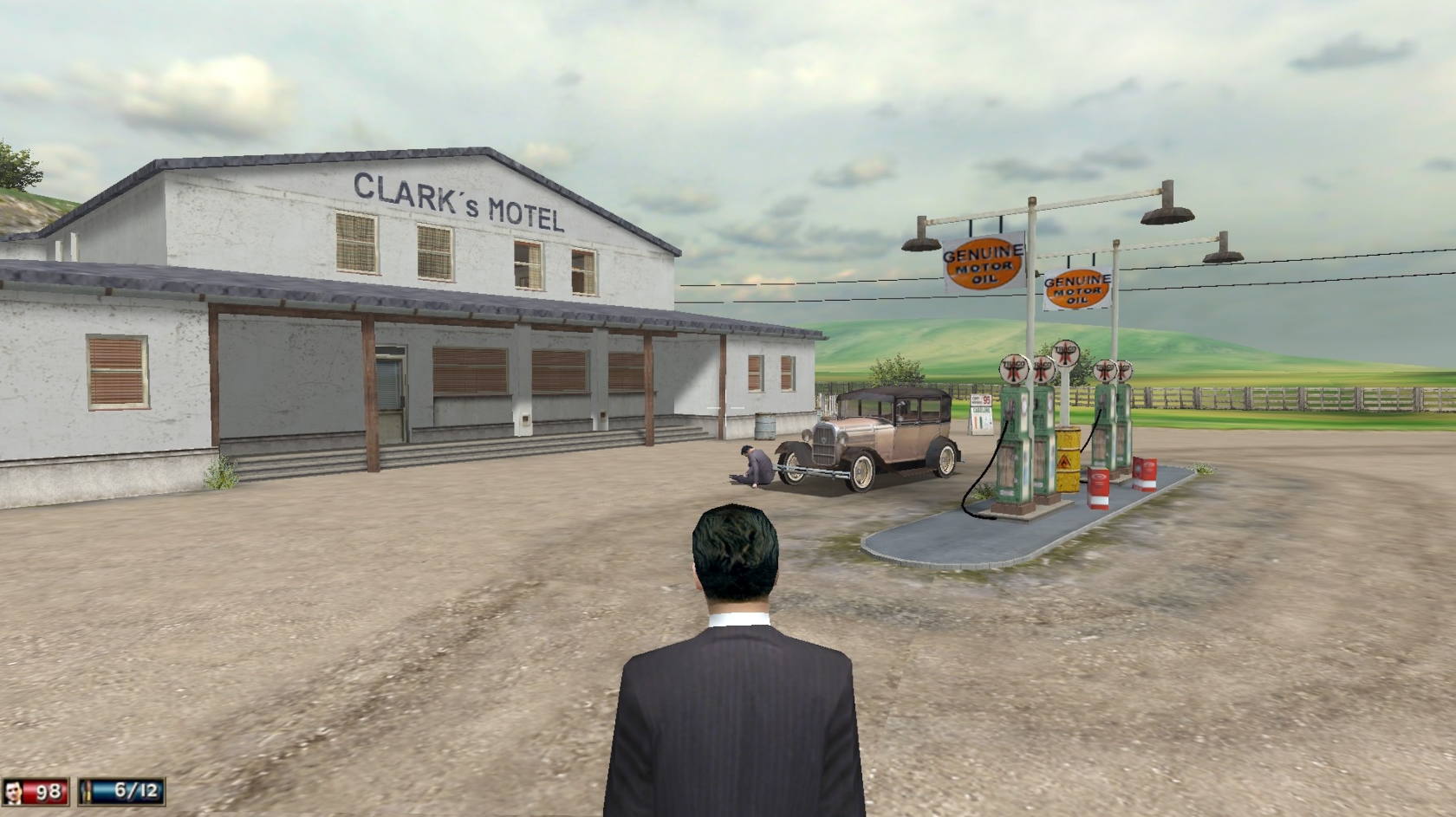
You will remember this city for a long time: night trips along empty streets, things that can’t be discussed out loud, meetings in restaurants behind closed curtains. And when you’re done, write how you liked it. We read every review. Sometimes you need to correct a couple of words so that it passes moderation — but it’s simple. After approval, we will send you access by email.
By the way, in order not to miss new free Steam accounts, patches, or just chat with other fans of the classics — subscribe to our Telegram channel. There is always fresh information, live discussion and help if suddenly something went wrong. And if you need help right now — take a look at our guide “How to play for free”. Or write to us — we are in touch.