

He cut himself out of the world, erased his name and past, but legends don’t die — they’re just waiting for them. The world did not believe in the death of Dragon Dojima, and the spin-off reveals what happened to him after the Yakuza 6 finale. Even after his “death”, he will have to face new challenges, face the ghosts of the past and prove again that strength is not only in his fists, but also in the ability to carry the burden of his own choice.
Table of Contents
Like a Dragon Gaiden: The Man Who Erased His Name Free Steam Account
After the events of Yakuza 6, the world considers Kazuma Kiryu dead. They buried him without a body, left flowers, made speeches, and he stood aside, looking at his own grave. It wasn’t just a parting with the past—it was a suicide without blood. To protect those he loves, he agreed to disappear. He gave up his name, his history, everything that made him alive. His name is Dzerimaru now. He lives in a gray world where there is no past or future, only orders and silence. He works for the mysterious Daijo organization, which serves the government and solves dirty cases with someone else’s hands. He’s a tool, a man without a shadow who just has to follow orders. No emotions, no questions. But those who have lived their lives with fists in their blood and a heart full of duty don’t know how to be machines. Kiryu may have a different name, but his soul still remembers who he is.
Every morning he gets up earlier than everyone else, trains, as if trying to smash his own thoughts with a punch. He avoids conversations, keeps his distance, as if afraid that any word will bring him back to the past. But it doesn’t let go either. If he closes his eyes, he sees the streets of Kamurocho again, noisy, lively, dangerous, but familiar. He was someone there. Nobody here. Sometimes he feels like he’s become a ghost. He exists, but no one sees him as a human being. He listens to orders, goes where he’s told, kills if necessary, and doesn’t even ask “why.” But every time his fists collide with someone’s face, something alive wakes up in his chest. Not rage, but memory. The memory of why he once started fighting-not for the sake of strength, but for the sake of protection.
The organization he serves is gradually showing its true colors. Behind the mask of legality, there is filth, betrayal, and deals with the Yakuza, whom Kiryu considered to be a thing of the past. Everything repeats itself, as if history is laughing at him. He left the Yakuza, but found himself in a world where honor and meanness are intertwined again, only now without honest words. At first, he tries not to interfere. He tells himself that he no longer has the right to decide who is right and who is to blame. But the deeper he plunges into this world, the more he sees how others suffer. A woman who lost her son because of a political deal. The old man who was silenced. A young operative who believes in ideals, but does not understand that he serves evil. All this awakens in Kiryu what he was trying to bury.
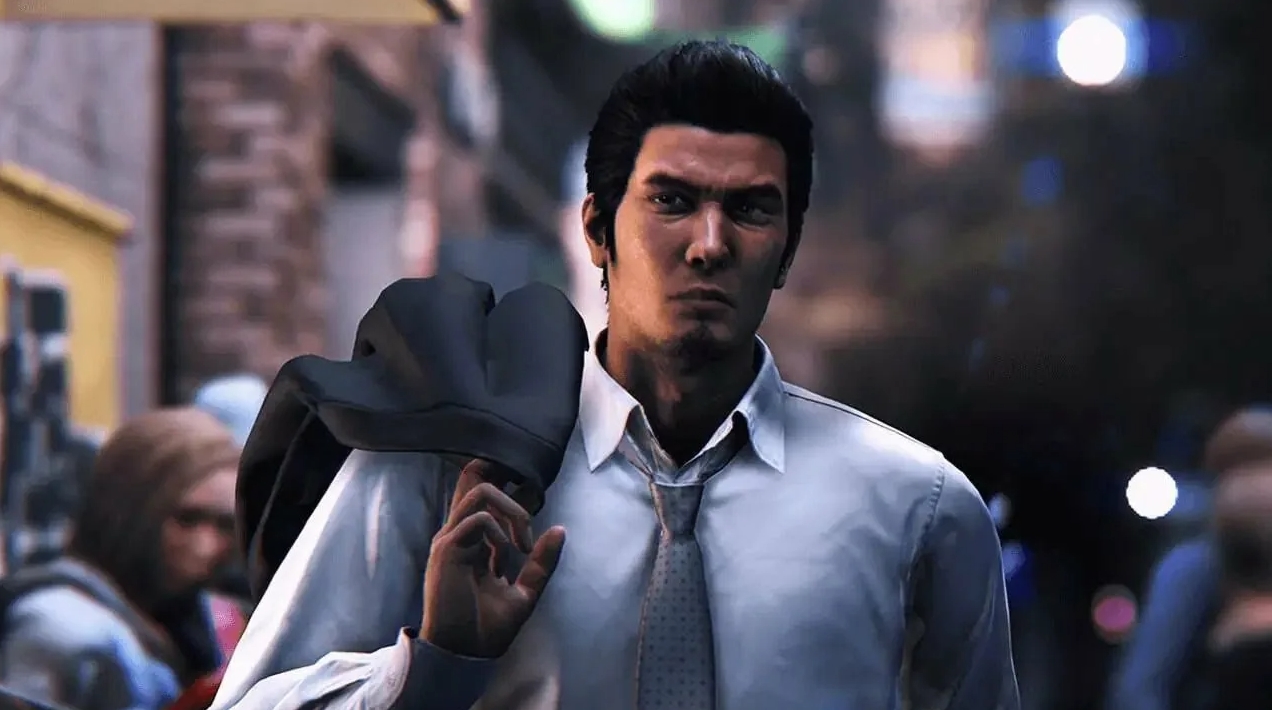
He begins to act not according to orders, but according to conscience. He is called naughty, dangerous, even a traitor. But he’s not listening. He’s just moving forward because he can’t do anything else. His path has always been the same — to protect those who cannot stand up for themselves. Even if the world turns away. Even if he doesn’t know what he’s living for. And with every step, Dzerimaru turns back into Kiryu more and more. The man he tried to erase wakes up in him. He understands that a name is not just a word in a passport. A name is a symbol of those who needed you. This is the memory of those who believed in you. To erase a name is to kill those who remember. And he doesn’t want it anymore.
Gradually, a new network of connections is being built around him. People are starting to see him not just as an agent, but as a person. Someone is afraid of him, someone respects him, someone is trying to use him. But everyone who comes into contact with him feels the power that does not need a title or a clan. This is the power of someone who lives by his conscience, even if the whole world lives by lies. The plot develops not as a spy thriller, but as an inner drama of a man who is struggling with himself. Kiryu sees how the world is turning back into an arena between power and money, where ordinary people are just expendable. He understands that he has to step in, even if it destroys everything he built, even if he has to disappear again.
When the deception is revealed, Kiryu learns that his “resurrection” from the dead was part of someone’s plan. His death and his new life are not a sacrifice, but a tool. He was manipulated. It was used as a symbol, as a myth. And now he has to decide whether he will continue to live as a shadow or become himself again — even if the price for this will be a new loss. The final scenes are filled with silence and fatigue. Kiryu stands in the middle of the night city, which has no place left for him. He’s not a hero, not an agent, not a legend. Just a man who did his best. He is no longer running from the past, but he is also not striving for fame. He accepted everything: pain, loneliness, loss. I accepted myself for who I am.
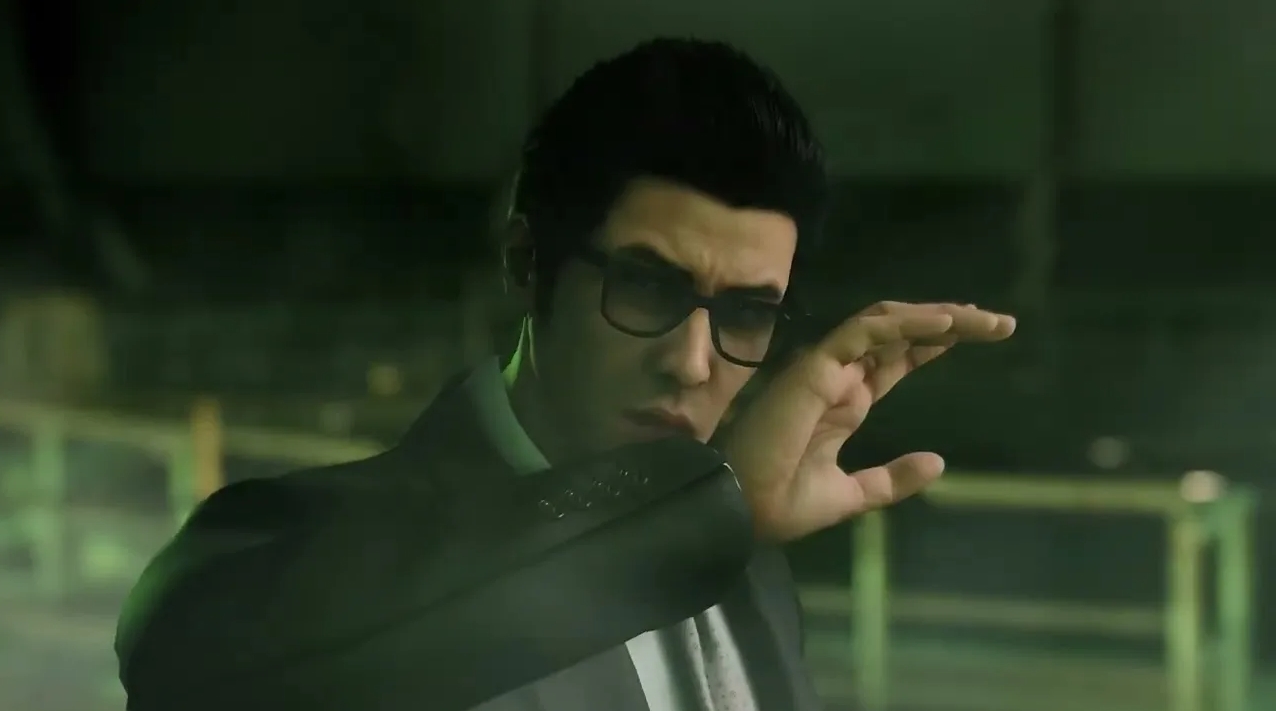
This is not a story about victory, but about understanding. Kiryu realized that you can’t cross out your name without losing your soul. His past is not a stigma, but the path he followed, stumbling but continuing to move. He realized that sometimes being alive just means not giving up, even when it seems like it’s over. There are no big endings to this story. There are no fireworks and no applause. Only a man who once decided to disappear, but again found the strength to return. He does not seek excuses and does not expect forgiveness. He just goes ahead because he can’t do anything else. And somewhere in the distance, under the neon and rain, you can hear the breathing of a dragon that is no longer hiding.
Play now – all it takes is one account steam free.
Like a Dragon Gaiden: The Man Who Erased His Name is not just a story about a former yakuza. This is a human story about loss and acceptance, about guilt and forgiveness, about how difficult it is to be yourself when the world demands that you become someone else. She says that the characters don’t disappear. They may get tired, they may hide, but there is always a quiet fire burning inside them. And as long as it burns, the person is alive.
Kiryu, the man who erased his name, didn’t get any smaller. It got deeper. His silence is louder than words, his loneliness is fuller than a crowd. He’s a reminder that even if you’ve lost everything, you still have the strength to stand up. And don’t let the world know your name, the main thing is that you don’t forget who you are.
Combat system Like a Dragon Gaiden: Dragon Style and Daidoji Agent techniques
The combat system Like a Dragon Gaiden: The Man Who Erased His Name is not just a set of techniques and combos. It’s a living story told through body movements. Here, fists are not weapons, but words spoken by a person who has forgotten how to speak. Kiryu fights not for the sake of victory, not for the sake of adrenaline, but because there is simply no other language left in his world.
He has lived for decades in fights, endured so much pain that any new fight for him is like a repeat of an old dream. But even now, when he should be dead, he’s moving forward again. And he does it the way he knows how—with fists, with an iron will, and with that silent dignity that makes him the Dragon of Dojima.
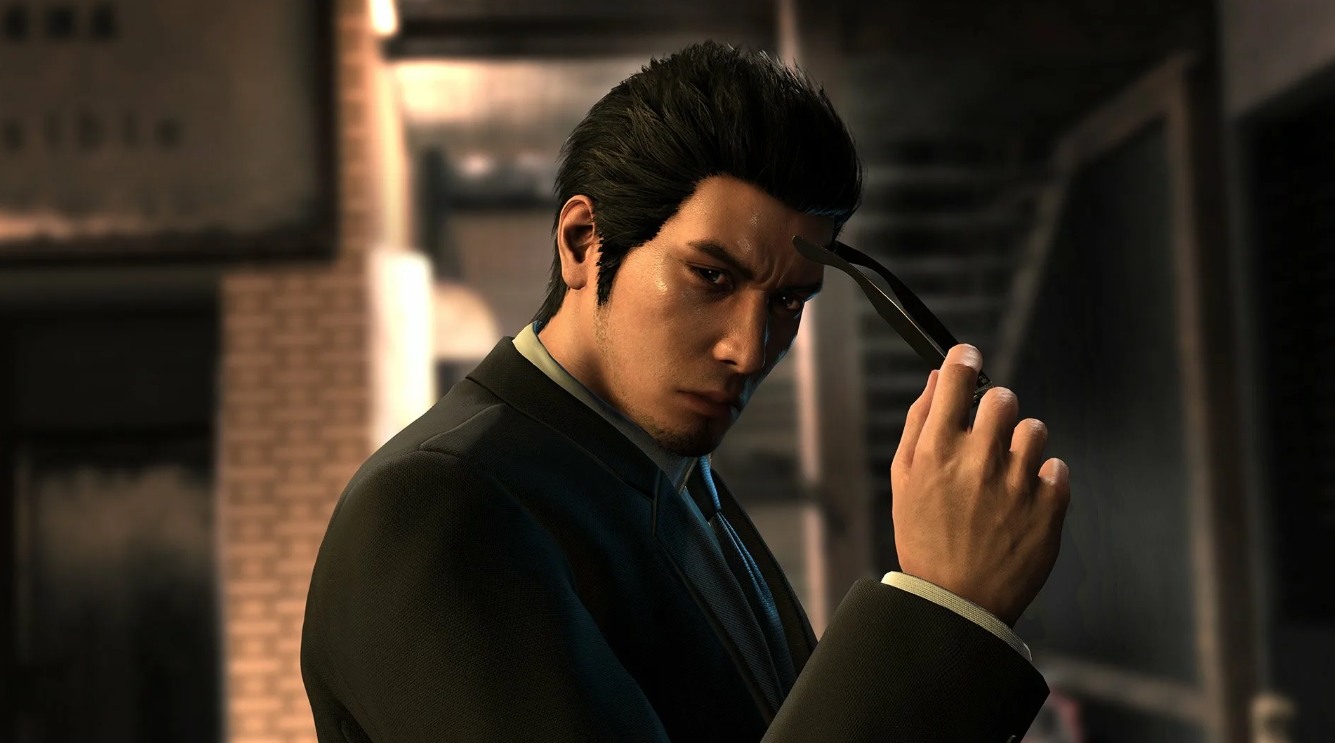
At Gaiden, the developers seemed to ask the question: what would Kiryu be like if he really disappeared? How would a man who has no right to reveal his name fight? The answer turned out to be incredibly human — you can feel fatigue, experience, pain and strength in his fight. He became quieter, more precise, cooler, but there was still the same fire inside.
The game system offers two fighting styles — Yakuza Style and Agent Style, and there is a whole philosophy between them. It’s not just different ways to beat enemies. These are two reflections of the soul of one person — past and present, fire and ice, passion and control.
To feel the difference between them, it is enough to look at what underlies each style:
-
Yakuza Style is the epitome of the old Kiryu. Strength, directness, pressure, heavy punches, and raw power. This is his past — fiery, short-tempered, honest. Every punch is as heavy as a memory, every throw is like an imprint of old fights.
-
Agent Style is the new face of Kiryu. Accuracy, speed, cold calculation, and the use of technology. This is the style of a man who has been through too much and has learned to act smarter. There are no outbursts of rage here — only composure, which scares more than any scream.
Yakuza Style is nostalgia, the smell of old Kamurocho, the crunching of bones and screams from dark alleys. This is the same Kiryu as we remember him — rude, straightforward, unshakeable. His blows are heavy, like the weight of years. When he throws an enemy over his shoulder, when he breaks through a wall or breaks a table, there is not only strength in it, but also anger accumulated over the years. This style seems to take him back to the days when he still believed that the world could be changed with his fists.
But there is also bitterness in every blow. He feels that he is no longer the guy who fought to the last for the sake of the clan. Now every fight is a shadow of your old self. He knows that violence doesn’t fix anything, but he raises his fists anyway. Because it can’t be otherwise. But Agent Style is Kiryu, who has survived everything. Cold, precise, calculating. He learned to be invisible. There are no unnecessary movements or outbursts of emotion in this style. Only efficiency. Kiryu is now an agent, part of the system, and his battle reflects this new essence.
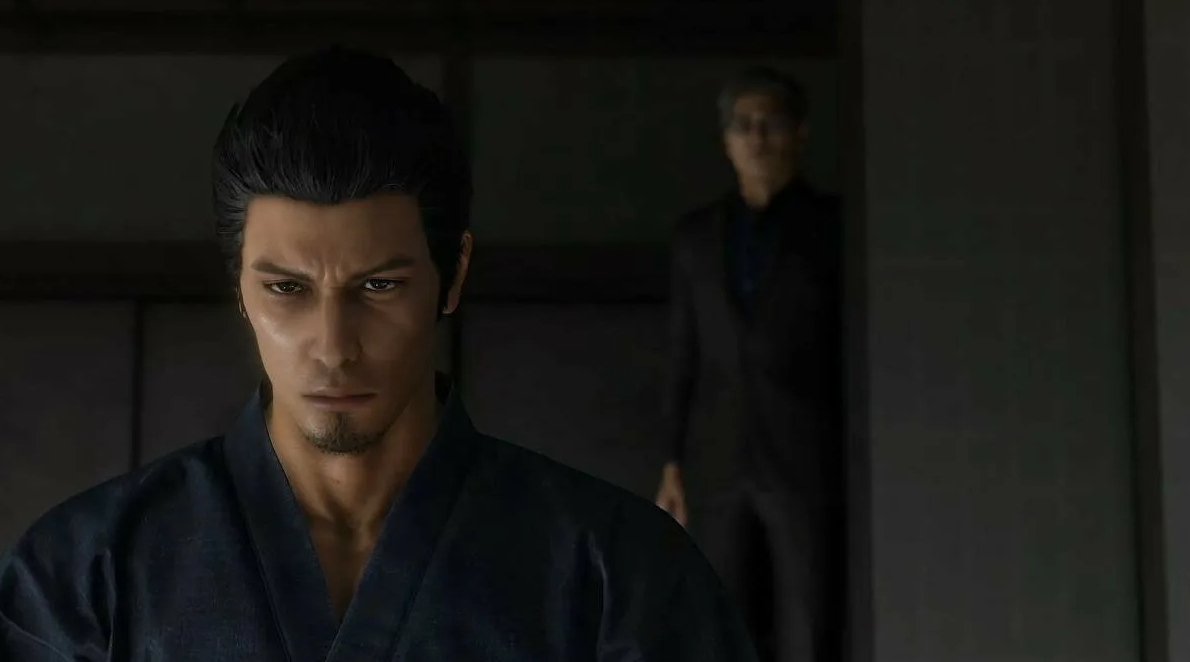
He uses gadgets like an extension of his body: a wire to instantly attract an enemy, or, conversely, to throw them away; mini-drones, smoke grenades, even shoes with boosters. All this looks strange to fans of old Kiryu, but at the same time it is logical. This is the same person, just forced to adapt to a new world where strength is measured not by muscles, but by the ability to survive. Agent Style is fast, agile, and almost danceable. Kiryu moves like a man who doesn’t want to fight anymore, but knows he has to. His fight is a mixture of fatigue and determination. He does not rush head-on, but acts with the precision of a surgeon. Sometimes it even seems that he himself is surprised at what he is capable of.
Switching between styles during a fight makes every encounter come alive, as if Kiryu is arguing inside himself: whether to remain who he was, or finally become who circumstances made him. This inner dialogue is not expressed in words — it occurs in movement, in pace, in the way he suddenly changes his stance, gaze, and breathing.
-
Yakuza Style is an impulse.
-
Agent Style is a control.
-
And between them is a man.
When Kiryu fights, it feels like every blow is hard for him, not physically, but mentally. He knows that violence is not an option, but sometimes it’s the only thing left. There is no reckless force in his movements anymore—only experience and awareness. He doesn’t hit in vain. He does exactly as much as he needs to. And that’s what makes him more dangerous than ever. Heat Actions, the signature finishing moves of the series, are back — and now they look not like pretentious stunts, but like moments of truth. When Kiryu grabs an enemy by the collar and slams him to the asphalt, it’s not cruelty, it’s fatigue. He does it because he has to. Without joy, without anger, it’s just a necessity. His face remains cold, his eyes empty. This is not a hero, this is a man who has been through too much to be surprised by the pain.
The new camera, smooth transitions, and natural animations enhance this sense of maturity. Now the fight is like a short movie, where every scene is staged with attention to detail. When Kiryu gets up after a blow, he does it with a weight — not because he is old, but because he is tired of being what the world forced him to become. Sometimes in battles, you can see how he holds his breath before the decisive blow. Or how, after a victory, he just lowers his fists, not celebrating, not rejoicing. He’s not a hero who needs a standing ovation. He just survived for one more day.
Agent Style gives these fights a new level of strategy. Now the enemies react differently, attacking in groups, using weapons, and Kiryu is forced to think ahead. He can pick up an opponent with a wire and throw it at another, pull an object to use it as a weapon, or blind a crowd with a smoke grenade, disappearing from sight. All this makes the fight flexible, almost improvisational. But most importantly, it all feels human. Not as a superhero game, but as the life of a man who knows how to fight, but would like not to do it anymore. He doesn’t look invincible. In every movement, you can feel that he is alive: he makes mistakes, stumbles, misses punches. He’s not a myth, he’s a human being.
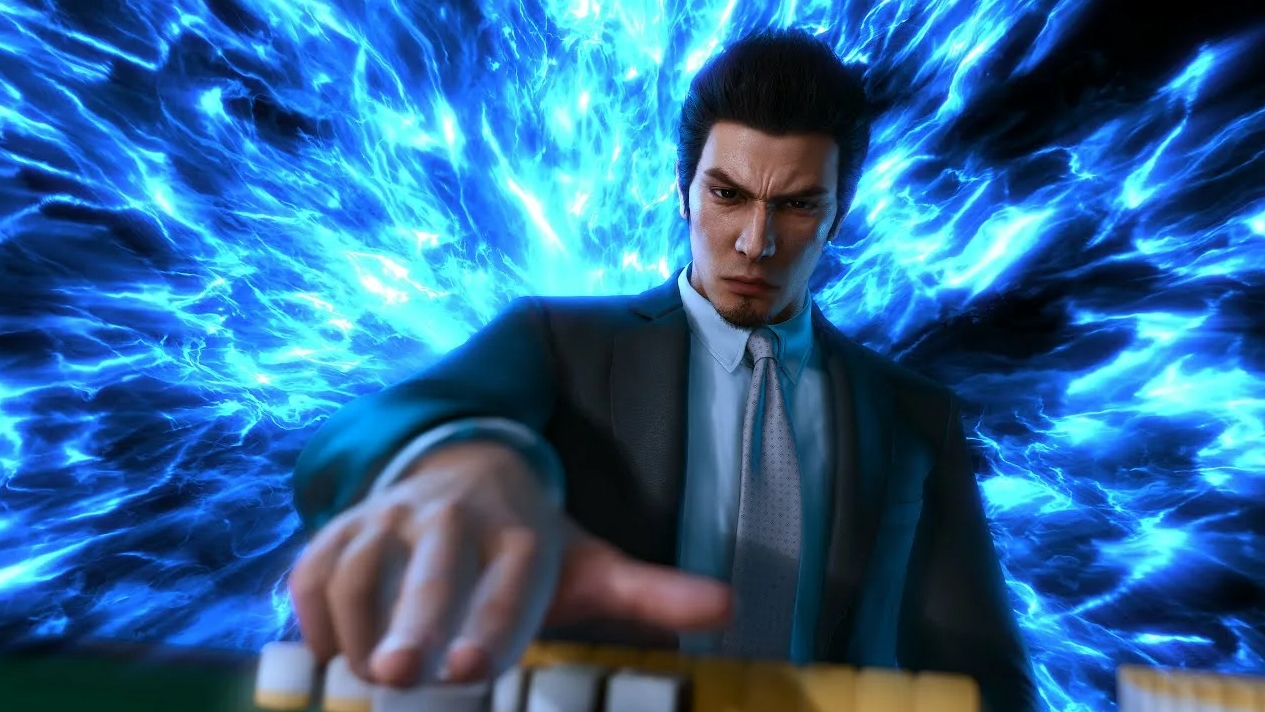
There is no usual pathos in this combat system. It doesn’t feel like you’re driving a killing machine. There is a feeling that you are controlling a man who is holding on with his last strength, but is still capable of power. And that’s her strength. Like a Dragon Gaiden brings back the spirit of the old series, but makes it more mature. Here, fighting is not entertainment, but a necessity. Not a way to prove strength, but an opportunity to survive and stay true to yourself. Every encounter here is like a short conversation between Kiryu and his past: “I’m still here. I can still do it.”
And when the fight ends, he just moves on. Without pride. Without a smile. Because for him, victory is not about defeated enemies, but the fact that he has kept himself from falling again.
Like a Dragon Gaiden: The Man Who Erased His Name shows that a fight can be a story. That movements can tell more than words. That a man who has lost his name can still fight — not for the sake of fame, but in order not to disappear completely.
Like a Dragon Gaiden: The Man Who Erased His Name System Requirements
System Specs for Like a Dragon Gaiden: The Man Who Erased His Name
Minimum Setup
Operating System: Windows 10 (64-bit)
Processor: Ryzen 5 2600X from AMD / Intel Core i7-6800K
RAM: 16 GB memory
Graphics Card: Radeon RX 5700 / GeForce GTX 1070 Ti
DirectX: Version 12 support required
Storage Space: 125 GB SSD or more
Recommended Build
Operating System: 64-bit Windows 11
Processor: Ryzen 5 3600X / Intel Core i5-10600K
RAM: 16 GB memory (dual-channel preferred)
Graphics Card: GeForce RTX 2080 / Radeon RX 6800 XT
DirectX: Version 12 compatible
Storage Space: SSD with 125 GB free space
How to play Like a Dragon Gaiden: The Man Who Erased His Name for free on Steam via VpeSports
Do you want to feel the atmosphere of the old Kamuro-te again, a world where honor is more precious than life, and the past does not let go, no matter who you are? Then Like a Dragon Gaiden: The Man Who Erased His Name is exactly what you need. And the best part is that now you can complete this story absolutely for free.
Everything is set up as simply and conveniently as possible on the VPEsports platform. Forget about complicated activations and questionable sites — everything is legal and safe here. Register, log in to your profile and go to the Free Steam Account section. There you will find a list of games already installed on shared Steam accounts. Among them you will find Like a Dragon Gaiden, a game where Kazuma Kiryu, hiding under a new name, is forced to return to the world he was trying to escape from.
On the game’s page, you’ll see a download button and a detailed guide that explains how to access it. Just a few clicks and you’re already standing on familiar streets under the neon of Osaka, ready to fight back against the past.
When you start playing, be sure to share your impressions in the comments — we always welcome live reviews. If your comment passes moderation, you will receive an email with your account details. Everything is fair and transparent — no hidden conditions.
If you don’t want to wait, you can immediately write to our support in Telegram or live chat. They will help you get access faster and answer any questions. And if you subscribe to the channel, you’ll be the first to learn about new games available for free and the latest updates to your favorite projects.
What if you get confused? It’s not a big deal — the website has detailed instructions on “How to play for free — step by step“, where everything is described down to the smallest detail.
Don’t miss the chance to become a Dragon from Dojima again, even if the world thinks you don’t exist anymore. Feel the weight of the past, the excitement of battles, and the Japanese drama where every emotion is real.
Like a Dragon Gaiden: The Man Who Erased His Name is waiting for you. And today, you can take it for free.