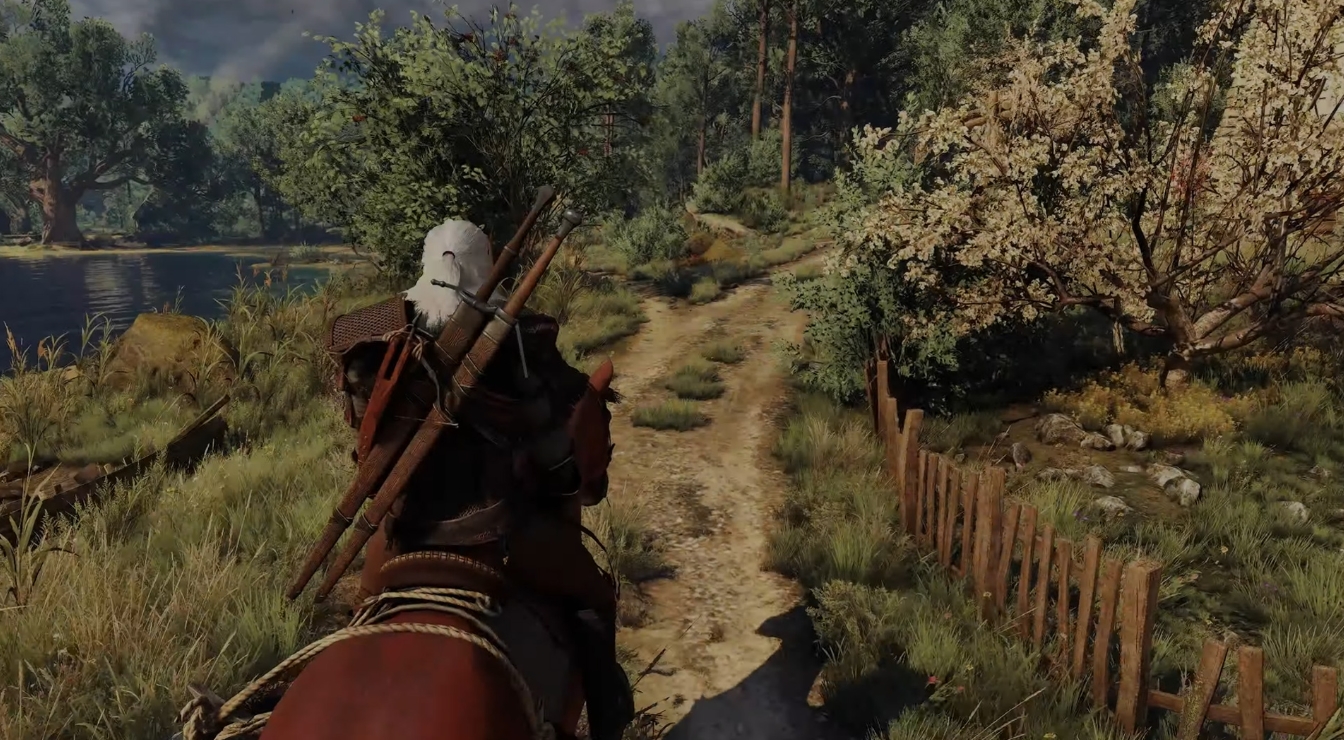
Charge into The Witcher 3 thinking “the more monsters I kill, the faster I’ll become a god with a sword,” and there’s a good chance that by the middle of Velen you’ll end up with a character who either steamrolls every story fight in one swing or gets stuck on a regular drowner because you wandered into a contract five levels too high. Leveling in this RPG is built so that mindless grinding almost always means wasting both time and fun at once. Let’s break down how to level up the smart way.
Table of Contents
Why Mindlessly Grinding Monsters Doesn’t Work in The Witcher 3
Unlike many RPGs, there’s no point spending hours clearing the same area for XP here. The game is tightly tied to level differences: beating an enemy far weaker than Geralt either gives no experience at all or just a token scrap. The system is specifically designed to discourage farming — it pushes you toward content that roughly matches your level, and it tells you this through difficulty icons next to quests and contracts, ranging from a green sword (“easy”) to a skull (“don’t even try, you’re dead”).
Which leads to a simple rule: efficient leveling isn’t about “kill more” — it’s about “pick the right content for your current level.”
Where XP Comes From: The Main Sources of Experience
Experience in the game comes from several different “buckets,” and a lot of newcomers only tap into one or two of them, leaving the rest on the table.
| XP Source | How Much It Gives | Worth Farming on Purpose? |
|---|---|---|
| Witcher contracts | A lot, fixed reward per quest | Yes, absolutely |
| Side quests (yellow marker) | Decent amount, scales with the region’s level | Yes |
| Main story | A lot, but tied to story pacing | Happens automatically |
| Map “?” points of interest | Small, one-time bonus | No, do them along the way, not on purpose |
| Regular open-world monsters | Almost nothing past a certain level | No |
| First-time brewing a potion, decoction, or oil | Small one-time bonus | Yes, in passing, free |
Witcher Contracts: The Best XP Source for Beginners
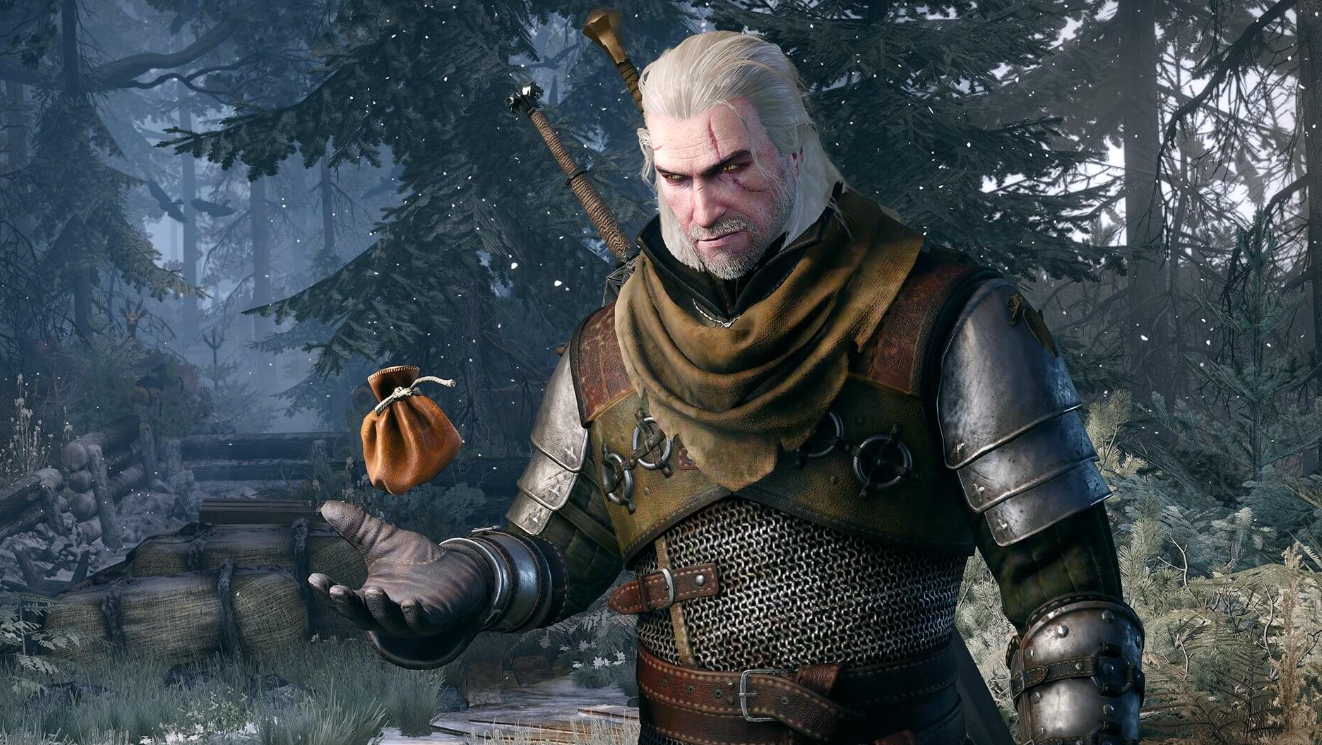
If you’re picking one activity to prioritize above all else, it’s Witcher contracts from the notice board. They almost always give noticeably more experience and money than the equivalent time spent on random fights, and along the way they teach you to read tracks, use your Witcher Senses, and gear up for the specific monster type — meaning they level up not just your character’s number, but your understanding of the combat system.
What Level Should You Be For Each Region?
The game’s content doesn’t scale infinitely to match the player — every zone has a comfortable level range. Showing up too early turns quests into a death-checkpoint sprint; showing up too late kills the tension and makes the loot worthless.
| Location | When It Opens Up | Comfortable Level |
|---|---|---|
| White Orchard | Prologue | 1–4 |
| Velen and Novigrad | Act I–II of the main story | 6–20 |
| Skellige | Act II–III | 16–30 |
| Kaer Morhen | Final part of the story | 25–35 |
| Toussaint (Blood and Wine expansion) | Standalone expansion | around 30–34 |
When Should You Start Hearts of Stone and Blood and Wine?
Both major expansions can technically be launched at almost any reasonable level — the enemies scale to match your character’s power. But if you want to avoid trivializing the story and get a proper challenge, the developers built Hearts of Stone and Blood and Wine around the late game, roughly the high 20s to low 30s in level. Jumping in right after White Orchard is technically possible, but it turns the atmospheric stories of Olgierd and Regis into a formality — enemies will fall over easily, and a chunk of the narrative tension gets lost.
How to Spend Skill Points Early Without Hitting a Wall
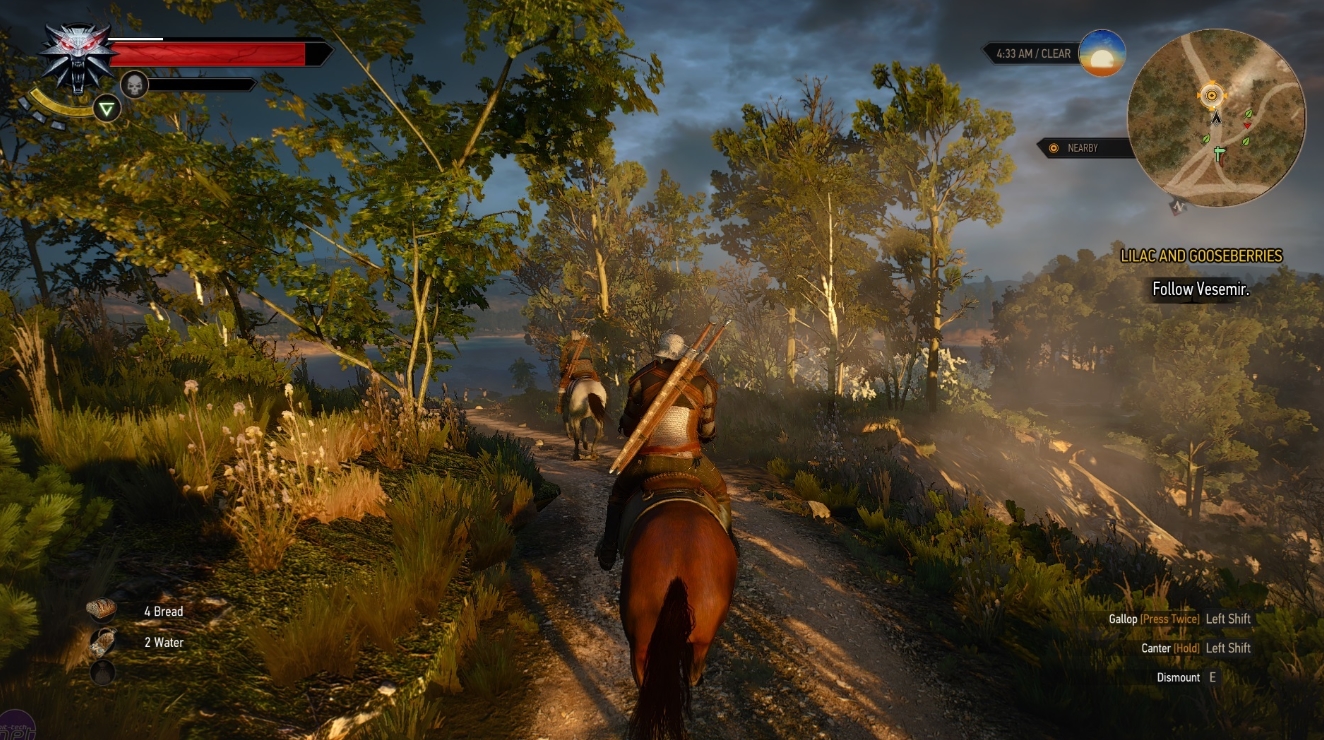
Every level grants a skill point, and Places of Power — special spots on the map where you can meditate by a source of power — hand out extra ones. Early on, it’s easier to survive by staying versatile rather than committing to deep specialization:
-
Yrden or Quen as your baseline defense in drawn-out fights;
-
one or two points into a sword-damage tree for steady output;
-
a secondary sign, Aard or Igni, for crowds of weak enemies and puzzles.
If your build doesn’t work out, it’s not the end of the world — skill points can be reset with a Potion of Clearance, sold by almost any herbalist, so experimenting comes with almost no risk.
Alchemy and Mutagens: Leveling Up Without a Single Extra Fight
One part of the system beginners often underrate is alchemy. Potions and decoctions don’t just give combat bonuses — brewing each formula for the first time also grants a small chunk of XP. Mutagens, harvested from the remains of powerful monsters, slot into special skill sockets and grant percentage bonuses to an entire skill category — letting you strengthen your character without raising your level at all.
Should You Jump Straight Into New Game Plus?

After finishing the main story and both expansions, some players are tempted to dive straight into New Game Plus to carry their progress forward. That’s a reasonable move if you want to replay the familiar story on higher difficulty with your gear and skills intact, but don’t rush it if you still have side quests or contracts left undone — once you start NG+, your original playthrough’s character becomes inaccessible.
What This Leveling System Means for Players
Leveling in The Witcher 3 isn’t a race toward a bigger number — it’s a byproduct of taking the right path through the content. Players who focus on contracts, well-written side quests, and alchemy instead of mindless monster grinding end up, by the midgame, with a character who can go toe-to-toe with story bosses instead of either steamrolling every fight or getting wrecked. If you’re just starting Geralt’s journey, don’t rush into content above your level — the game rewards those who move thoughtfully, not those who sprint ahead.
Read the following guide – Witcher 3 Next-Gen Update Rewards: The Complete 2026 Guide