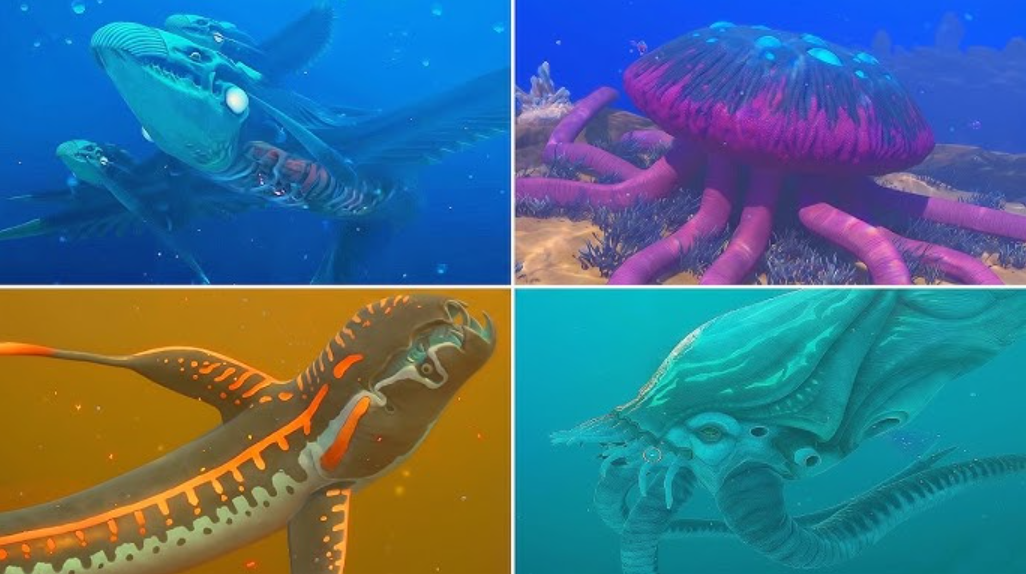
The ocean in Subnautica 2 is mostly friendly—the small fry swim harmlessly. But there are some that are best avoided. I’m talking about the Leviathans. The Deepwing Mother, by the way, is almost harmless. The rest will easily turn you into processed meat if you’re not paying attention. I’ll tell you where each of them hides and, more importantly, how to scan them and stay alive.
Table of Contents
Where can I find all the Leviathans on the Subnautica 2 map?
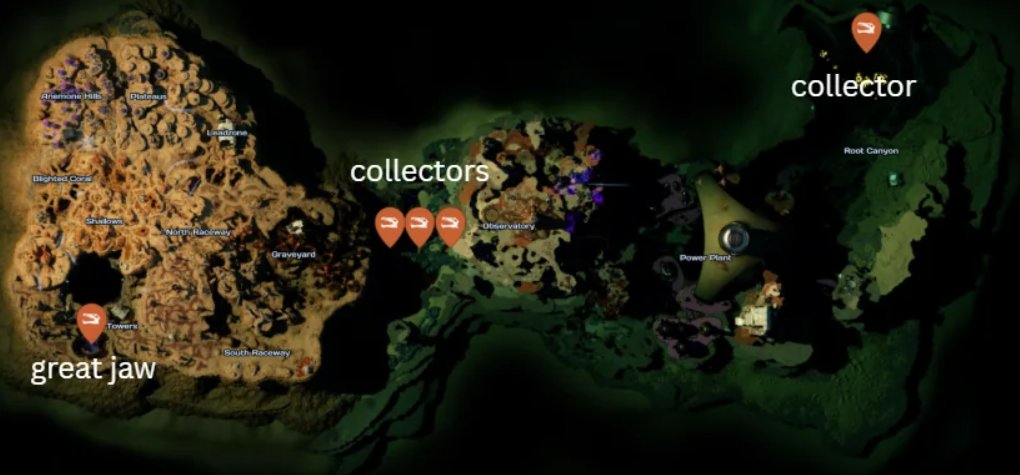
Here’s a quick cheat sheet for the locations (from the escape pod):
-
Devourer Leviathan – 350 meters in any direction, at any depth. Yes, swim beyond the edge of the map.
-
Crookshanks Oyster – 300 meters south, at a depth of 60 meters.
-
Collector Leviathan – 1000 meters east, at a depth of 65 meters.
-
Deepwing Queenfish – at the outskirts of any biome, at a depth of 60 meters (no exact coordinates).
Now, let’s take a closer look at the most unpleasant type.
The table of Leviathans Subnautica 2 threat and resources
In the current version of Subnautica 2, the developers have introduced four giants, and each one will have to find its own approach. The local fauna doesn’t just patrol biomes for extras. In order not to lose progress, it is important to clearly understand who is in front of you: an evil predator or a passive resource base. We have compiled a detailed summary of all alpha individuals (so that you don’t have to check their damage yourself).
-
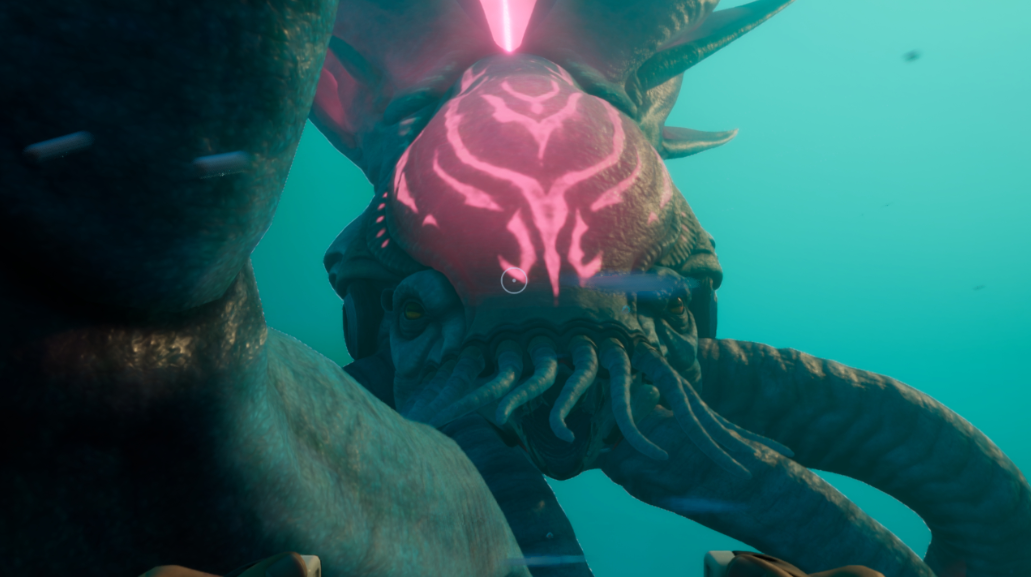
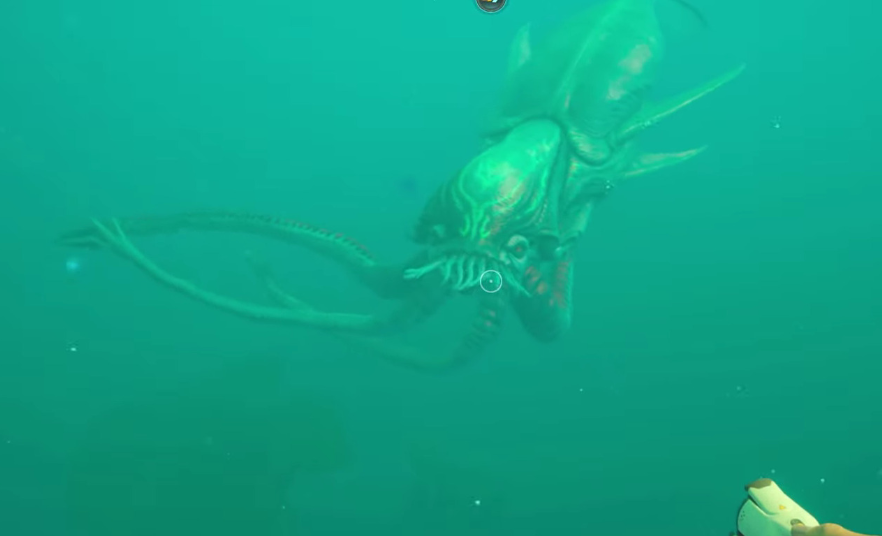
The Death Eater is an extremely dangerous active hunter. It is found at any depth, usually within a radius of 350 m from the launch capsule. Ignores masking during frontal approach. Interestingly, in a cooperative, he always chooses the session creator as a priority. You can’t collect loot from him. But a successful scan will add to the collection and add an entry to the PDA.
-
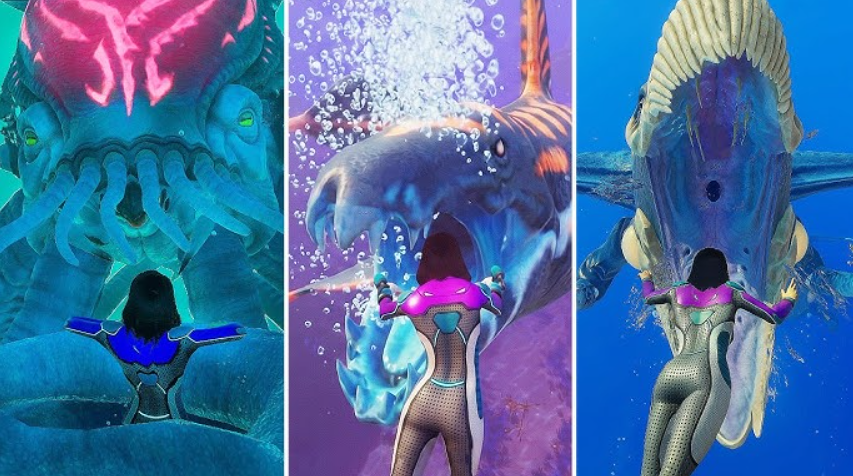
The oyster-swallower is a medium threat level. You can find this hulk at a depth of 60 m if you swim 300 m south. By itself, it is peaceful, but it works like a huge trap. If you touch the inner tentacles, the shell will instantly snap shut and release poisonous gas. This is a great point for pharma: it’s full of lithium and scrap metal, as well as a portable oxygen generator and a fragment of a drawing for the Tadpole device.
-
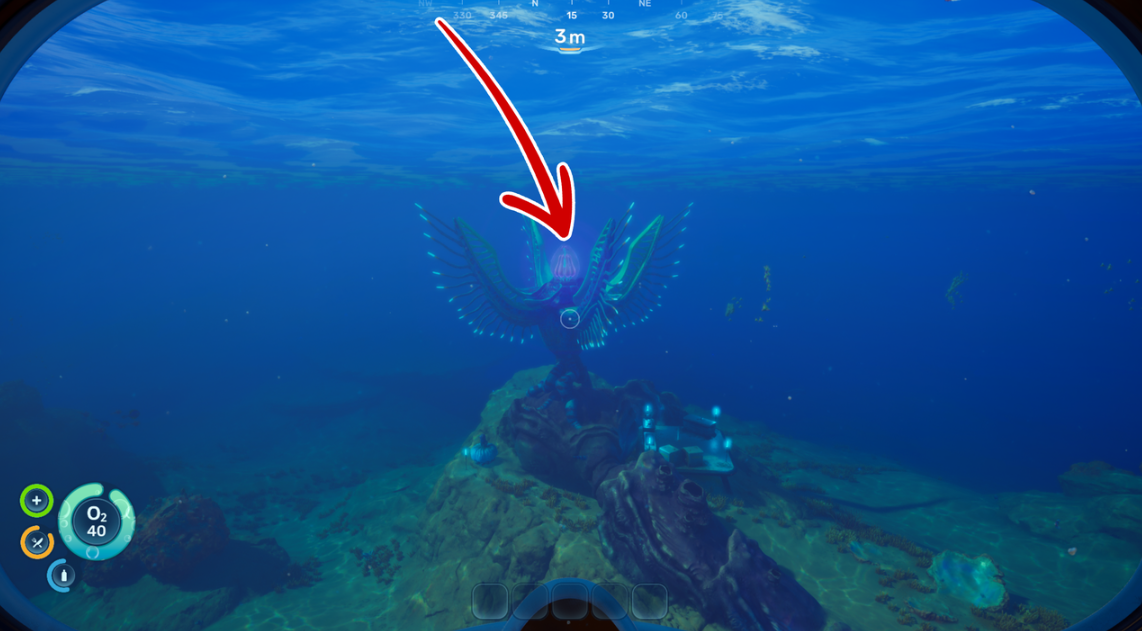
The Collector is a deadly threat to your fleet. It lives at 65 m, exactly 1000 m to the east. The monster purposefully breaks vehicles. If it smells like kerosene, you can dump an empty bathyscaphe to distract attention. The risk is justified: scanning this creature opens the most important biomode “Echolocation”.
-
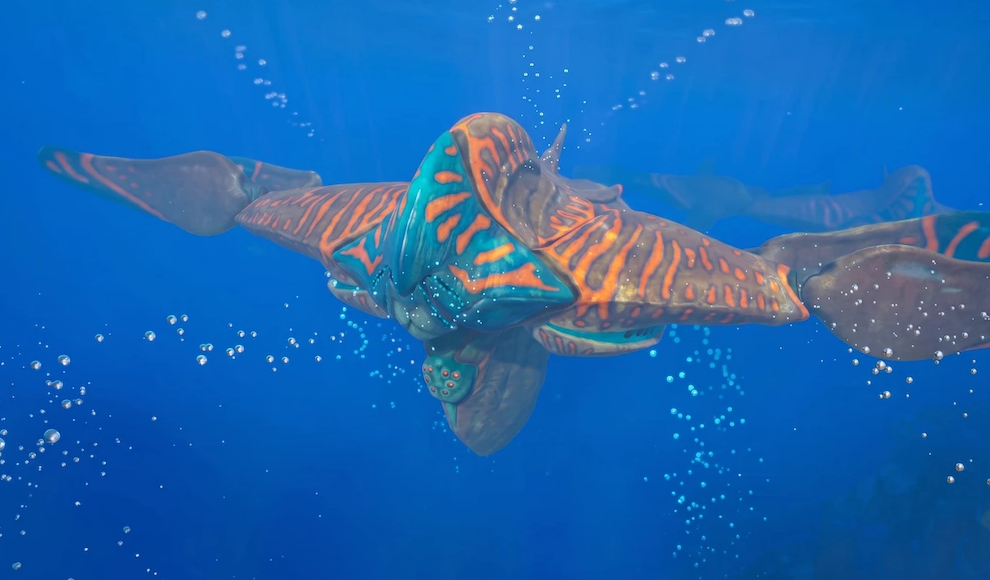
The deepwing queen is an absolutely safe creature. It swims near the borders of any biome at a depth of 60 m. It appears randomly in flocks of 3 individuals. It does not show aggression, but it provides a valuable resource for crafting (laying eggs of the deepwing) and data for the PDA.
How do transportation and camouflage change the logic of predators?
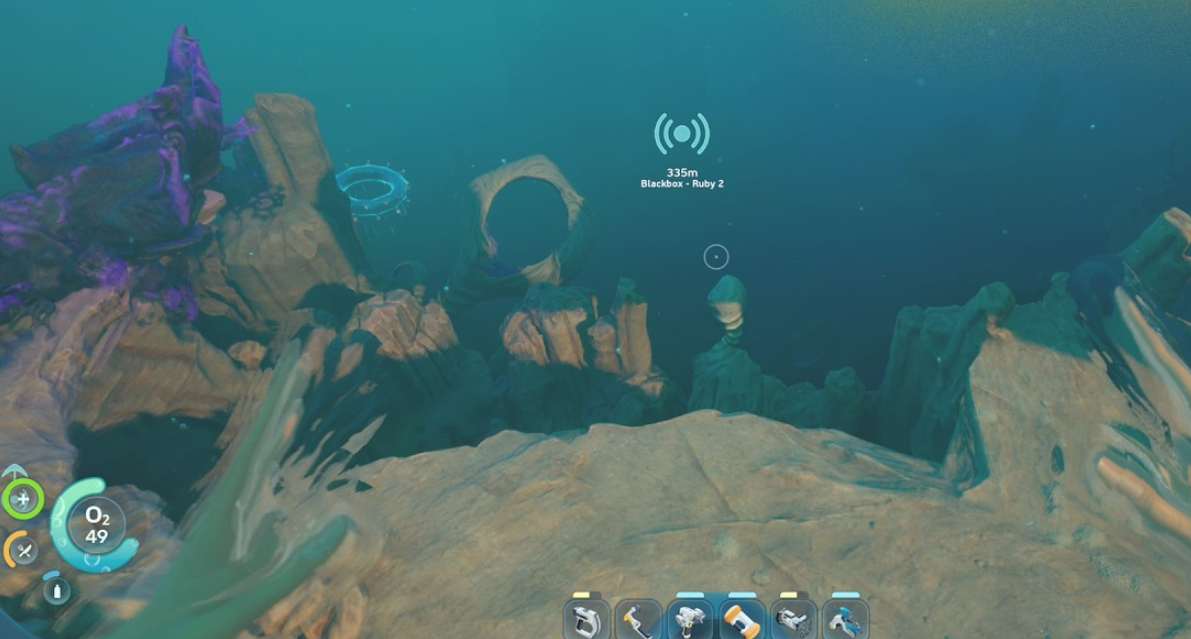
The basic parameters from the reference book are great, but in a real swim, the mechanics work much more complicated. The behavior of the local fauna strongly depends on your equipment and style of play.
The availability of transportation completely changes the priorities of monsters. The same Collector sees your “Tadpole” as a red rag, whereas the other giants will rather ignore it. But the Death Eater doesn’t care about the cockpit armor: he’s hunting for the player.
The use of gadgets also has nuances. Biomod Camouflage perfectly cuts the radius of provocation of the Collector and the Devourer (the main thing is not to climb right into their mouths). But stealth won’t save you from a Crookshanks Oyster. There is a purely physical trigger of the tentacles.
The most interesting thing happens in multiplayer. Since the Devourer is tightly attached to the session host, a chaotic panic turns into a clear pattern. The first player takes on the role of a tank and distracts Leviathan while the second safely collects data with a scanner. A great solution for fast pharma.
How to safely scan a Death Eater in Subnautica 2?
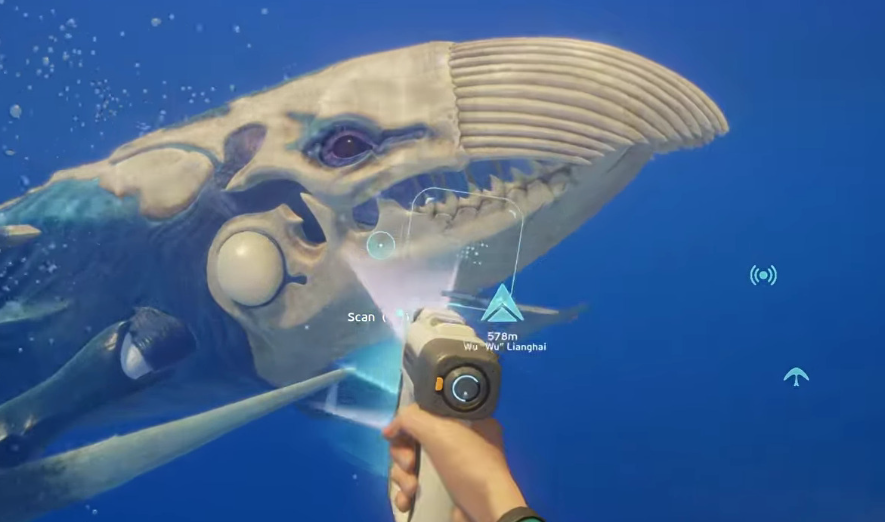
The sad thing is, they won’t give you anything for murder. No loot, no achievements. Just adrenaline. But you can scan it if you really want to. And that’s where the fun begins.
The Subnautica 2 map is quite small in early access, compared to what is promised in the future. To summon the death eater, you have to sail abroad. Any direction will do. Let’s say you’re heading west from the capsule and moving until you get an error message. This happens at about 350 meters. Depth is not important.
As soon as you see a mistake, listen carefully. Loud music first, then a screeching noise. The Death Eater is close. The easiest way to scan it is with the “Camouflage” biomode. You swim up from the side, but not head—on, otherwise it will attack even through disguise. By the way, this trick works worse against small individuals: they can accidentally touch and bite.
There is also a cooperative method. If you play together, one becomes the bait. The devourer attacks only the host of the game (the one who created the session). So a friend can distract you while you scan. If you’re solo and without camouflage, it doesn’t matter. Cross the red “wall” back and forth, scanning the monster a little bit at a time. You can also hunt small male eaters that accompany a large one — it’s safer to scan them.
Secrets of Larkspur Oyster farming and valuable loot
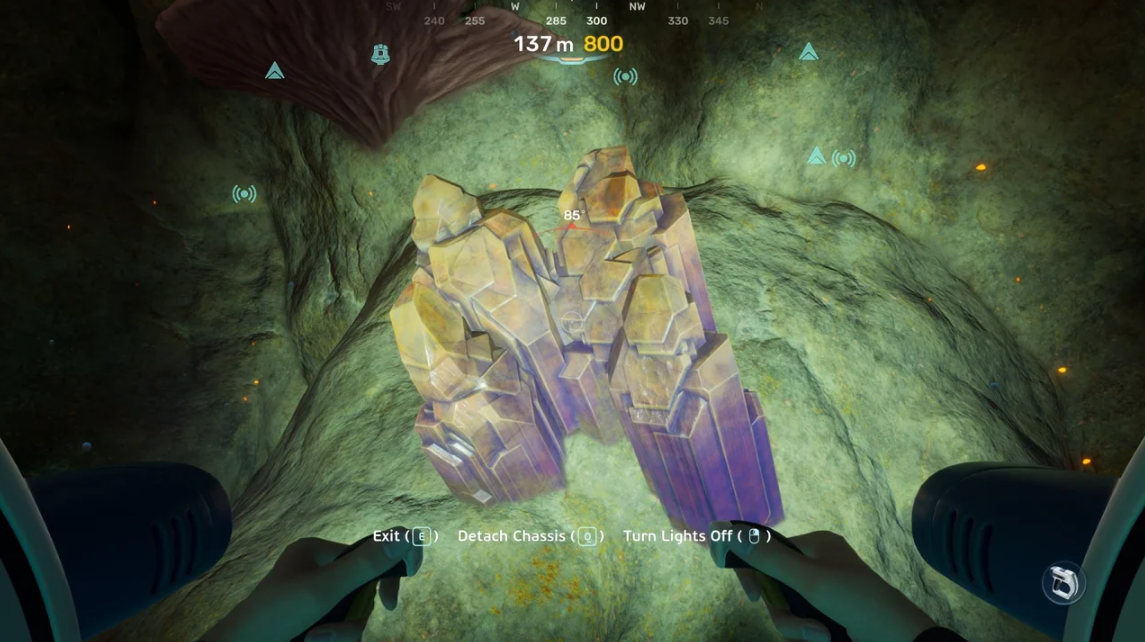
This is scanned in an easy way — point the scanner at the sink. The trouble is, the valuable loot lies inside. And inside there’s a death trap. Like a Venus flytrap: you hit the pink tentacles — the doors slammed shut, toxic gas went out, and you’re dead. But we need lithium, right?
Equipment for safe lithium collection
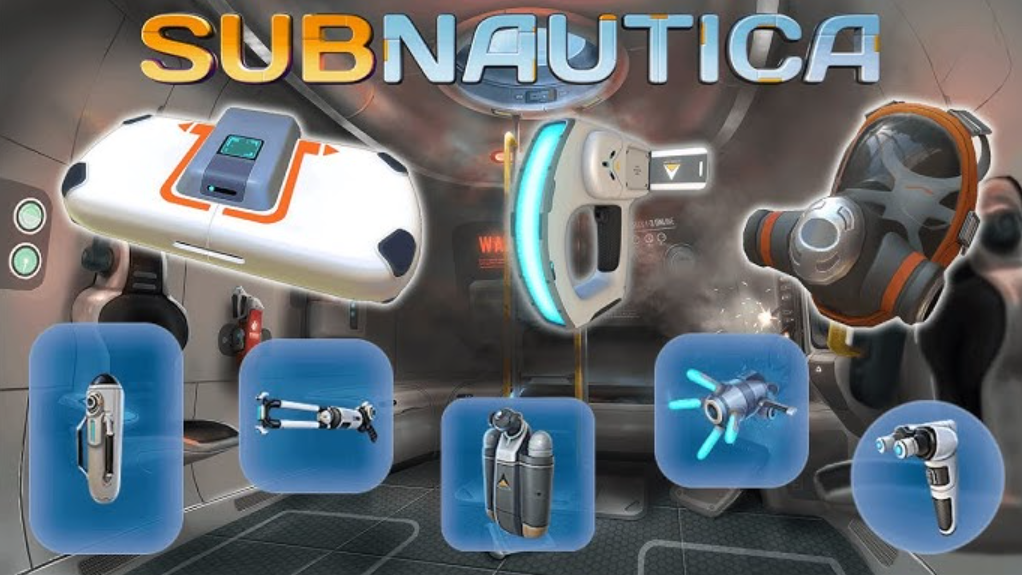
Reward: lithium, scrap metal, portable oxygen generator, a fragment of a Tadpole.
We recommend taking: an air bubble, a breakwater, improved fins, and a sound resonator.
Crookshanks is waiting for you 300 meters south of the escape pod, with a depth of about 60 meters. The main trick is not to touch the tentacles. If you do get hooked, immediately press “Pop up” on the air bubble. A breakwater and improved fins will help you speed up, but they are not required.
The most important item is the sound resonator. It is he who will allow you to take lithium from the inside. Don’t forget to also scan the scrap metal in the center and the portable oxygen generator outside the interior structure. And at the bottom, under the oyster, a fragment of a “Tadpole” awaits you.
Where does the Collector live and how do I open the Echolocation?
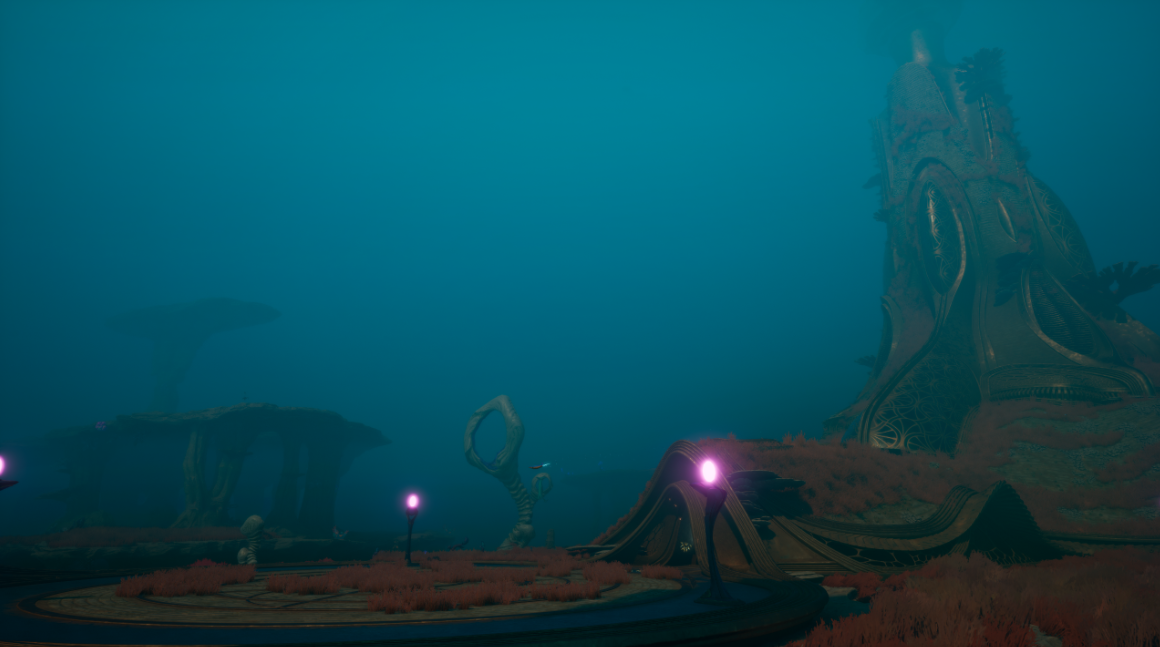
Award: biomode “Echolocation”.
Equipment: adaptation of “Overheating resistance”, “Tadpole”, improved fins, ultra-high capacity balloon, air bubble, repair tool.
The collector lives 1,000 meters due east of the capsule, with a depth of about 65 meters. There’s nothing to do without a “Tadpole” here — either take a friend on the second machine as bait, or your own. Adaptation from overheating will greatly simplify the path: without it, you will have to go around the hot biome, rather than swim directly.
Stay close to the surface to avoid the highest temperatures. As soon as you pass the hot zone, you will hear a low underwater moan and boss music. The collector is close.
Get out of the “Tadpole” next to the monster and freeze. The biomode “Camouflage” will do its job — while the creature is distracted by your device, you calmly scan. Sometimes the collector comes out of distraction mode. Be patient and don’t twitch. When the scan is finished, wait for him to smash your “Tadpole”. Then you take out a repair tool, fix the submarine and quickly leave into the sunset. Preferably before he gets back.
How to recognize a coral crab on the ocean floor?
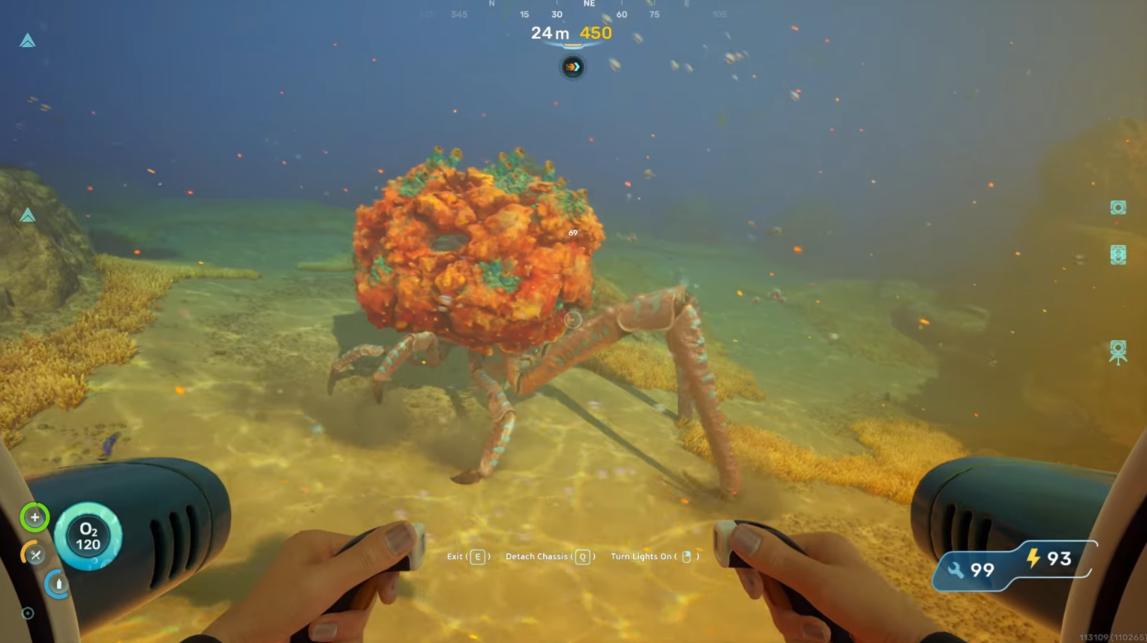
A large crab is hiding under a living coral dome at the bottom. I’m not a hunter, but if you get too close, you’ll get hit. While it freezes, it is almost impossible to distinguish it from an ordinary reef. It only attacks if you have swum into its territory or a battering ram fish has accidentally flown in. The scan will give the biomode “Water Retention”.
How to recognize it? Look for coral domes that don’t sway with the current. Keep your distance and the meeting will not take place.
The Most dangerous Top Predators in Subnautica 2
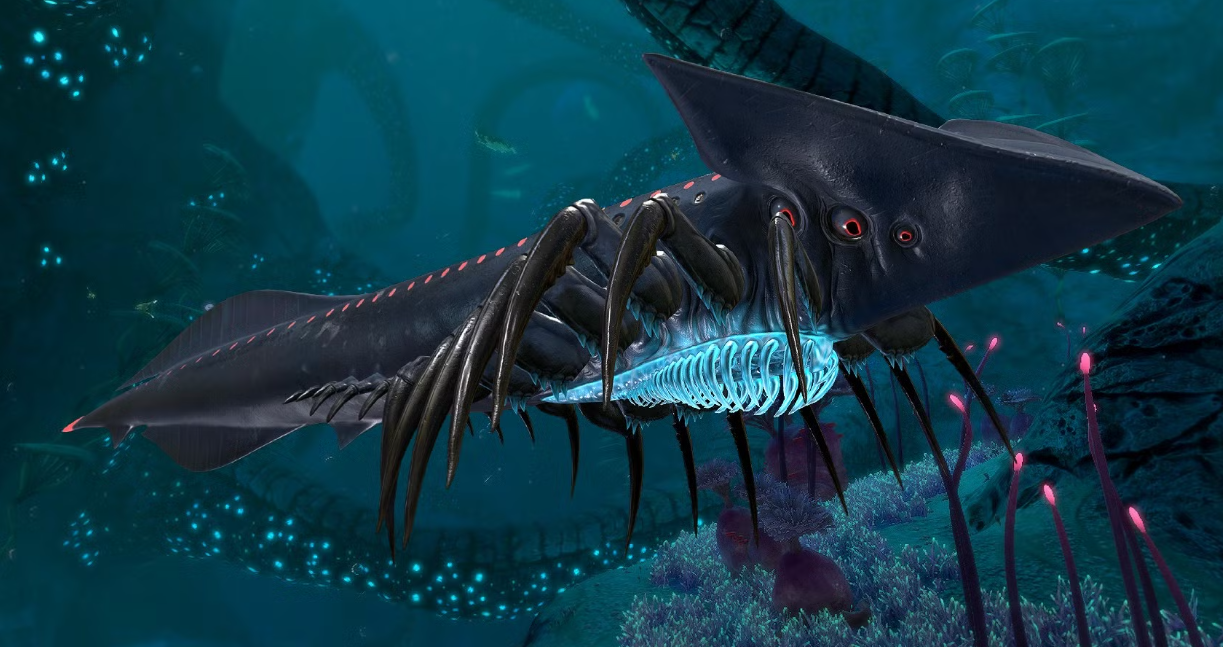
Lower in rank, but more dangerous than the usual predatory little things. Two creatures that are not to be trifled with.
The differences between Alpha Bonecrusher and the base individual
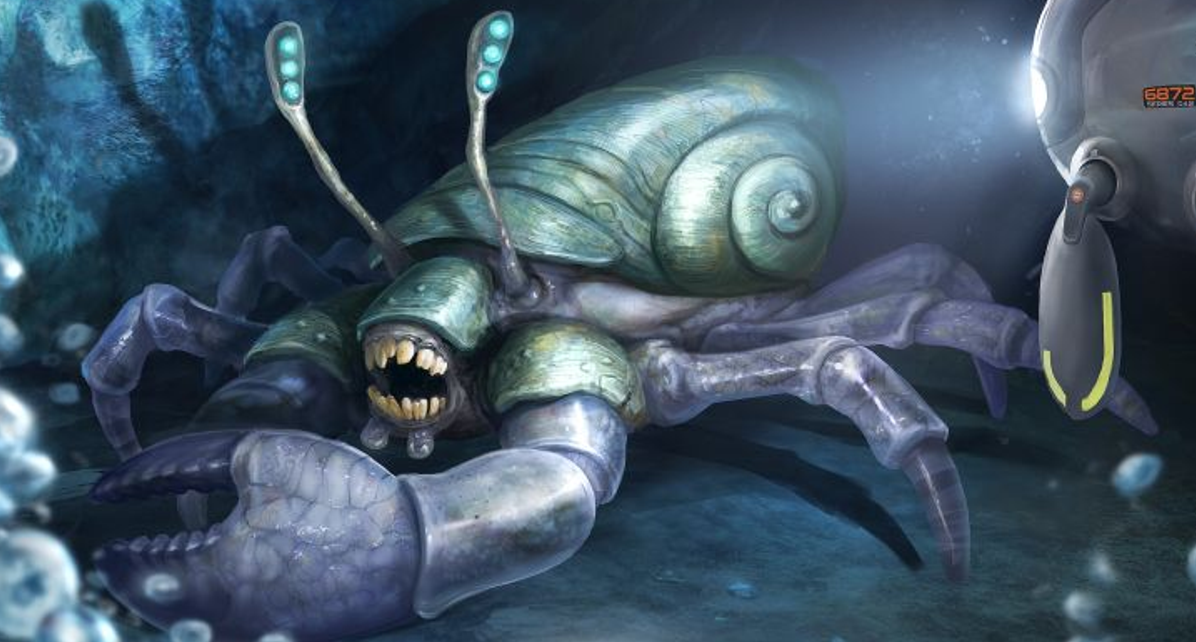
This beast is about 50% larger than its standard counterpart. And no, they didn’t give him a unique scan icon, so he appears among ordinary individuals without warning. The entry in the PDA clarifies: the creature is able to digest human tissue directly. It sounds like a horror scenario, but it’s a regular Subnautica 2.
Alpha dominates its territory, displacing the usual bonecrusers. How can I calculate it? Look for an unusually large number of pike hounds nearby. This is the main marker.
Before attacking, the alpha circles, makes false attacks — checks the victim. The best defense is the “Jerk” biomode. Break the distance in this phase without waiting for the first blow. Otherwise it will hurt.
How to neutralize an infected voracious Rattan?
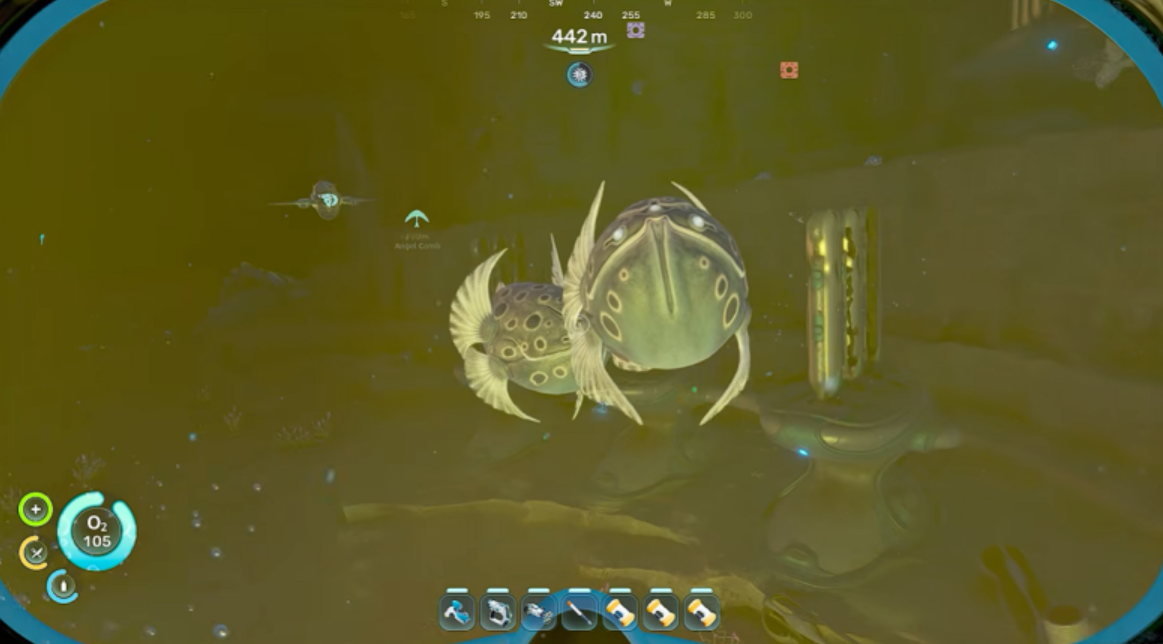
Imagine a fish with its mouth constantly open and its belly swollen, which never eats enough. Does it sound like a horror scenario? This is a reality for the Karakorum farm extractors biome. Rotan is an insatiable large omnivorous creature, hostility is already in nature due to chronic hunger. But the real nightmare begins when a tiny parasite, the tongue crab, comes into play. It blocks saturation signals in the victim’s brain, and then rotan turns into an endless attack machine.
External signs of the tongue crab parasite
The external signs are simple: a swollen belly and a mouth that the fish can no longer close. Such an instance knows no fatigue — it will haunt the player over and over again. The good news: Rotana’s vehicles are insatiably ignored. The bad news is that you can’t swim away from them.
The use of a sound resonator against rotans
Take the sound resonator and aim straight at the open mouth. One accurate shot and the tongue crab is banished. The threat disappears instantly. Without a parasite, an ordinary rotan will think for at least a second whether it’s worth getting involved.
Where are Bonecrusers and Needle Sharks found?
The elite of underwater assassins from the standard passage is gathered here. They don’t hide, they don’t make discounts. They saw the player and attacked. The biomode “Camouflage” moves from the “desirable” section to the “mandatory” category. Without it, safe movement through biomes is a lottery.
Tactics of protection from Bonecrusher and pike hounds
Imagine a cross between a shark and a skeleton trainer. Bonecrusher is the main predator of Coral Gardens and Cemeteries. And he’s not alone. It is in symbiosis with pike-hounds — they work as scouts, track down prey, and bonecrusher strikes.
How to recognize a threat: before a full-fledged attack, a predator circles around you or makes tentative attacks. If you notice a flock of pike hounds, you should know that bonecrusher is somewhere nearby. And if there are a lot of them? Then wait for bonecrusher alpha. The easiest way out is to turn on the “Camouflage” and dissolve into the water.
Advice from those who survived: do not check how close you can swim. Bonecrusher checks for himself, and usually ends up checking against you.
Shark’s Den of Needlefish and Biomodermal Garden
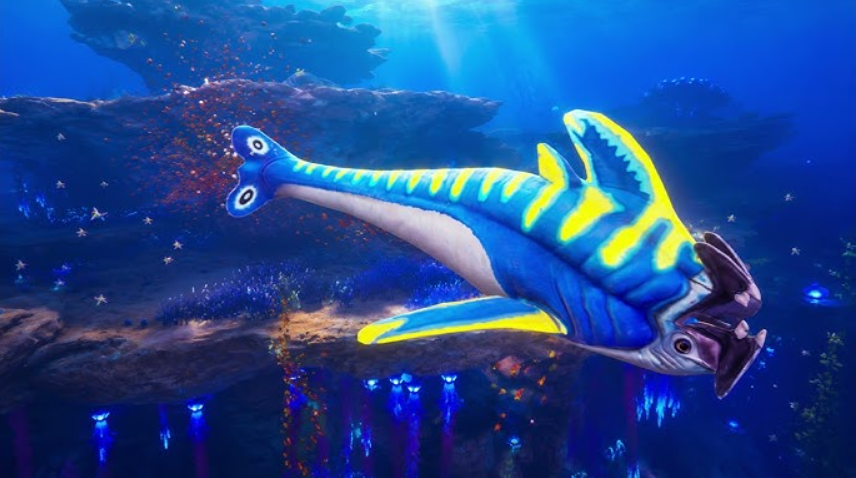
If you need biological enamel, head southeast from the research outpost. About 250 meters away is the lair of the needle shark, a large predator that you will encounter in the story when you first go to the alien ruins.
There’s a giant individual running the place inside this cave. Scanning the creature will open the biomode “Dermal Garden” — a useful thing: edible algae will begin to grow directly on the player’s skin, significantly reducing the need for food.
Tip: do not try to pass by, hoping for a chance. The needle shark does not forgive carelessness.
Damage from the Shocker Jellyfish and the Road Home biomode guide
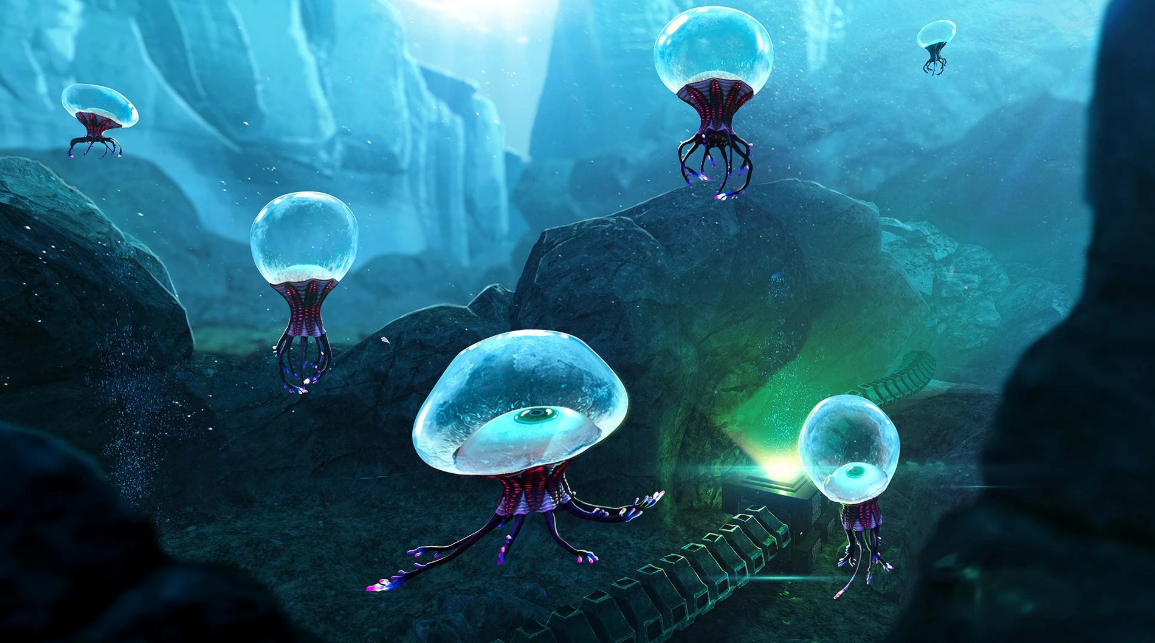
It looks like a harmless jellyfish, drifting in the water, sparking slowly. She doesn’t have any attack animations at all. But physical contact? Huge damage to transport. And the player can be killed instantly.
Yes, she’s a herbivore. Yes, he’s not trying to eat you. But the electrical discharges it releases will seriously damage the systems of the Tadpole bathyscaphe.
Scanning of this jellyfish and the ram fish will open the biomode “The Road home”. Don’t ignore her, even if she looks unhurried.
How to protect a Tadpole from a Double sitar?
Deep transition zones are its territory. The dual sitar is active, it shocks, and it’s a real problem underwater. It is dangerous both for transport and for basic equipment.
The good news is that the “Discharge Current” biomode works flawlessly against them. Equip him in advance to stun the predator even before he launches an attack.
Verified by survivors: The Double Sitar does not like to have its own weapons turned against it.
Effective protection against Swarm attacks in caves
If you see one, you should know that there are about a dozen more nearby. The swarm is a predator with collective aggression. Hit one individual? The others will rush over instantly.
Without a pre-planned escape route to battle on their territory, it is better not to get involved. Fortunately, the biomode “Camouflage” deceives their eyesight. Turned on — and you’re invisible. Ignore it and get ready for a crush.
List of moderately dangerous creatures in shallow water
These creatures don’t try to kill you the first time you meet them. Keep your distance, don’t get into trouble, and you’ll go your separate ways. But if you violate the boundaries or make a careless movement, the punishment will follow immediately. They regularly hit unprepared players.
Behavior of the battering ram fish at the starting locations
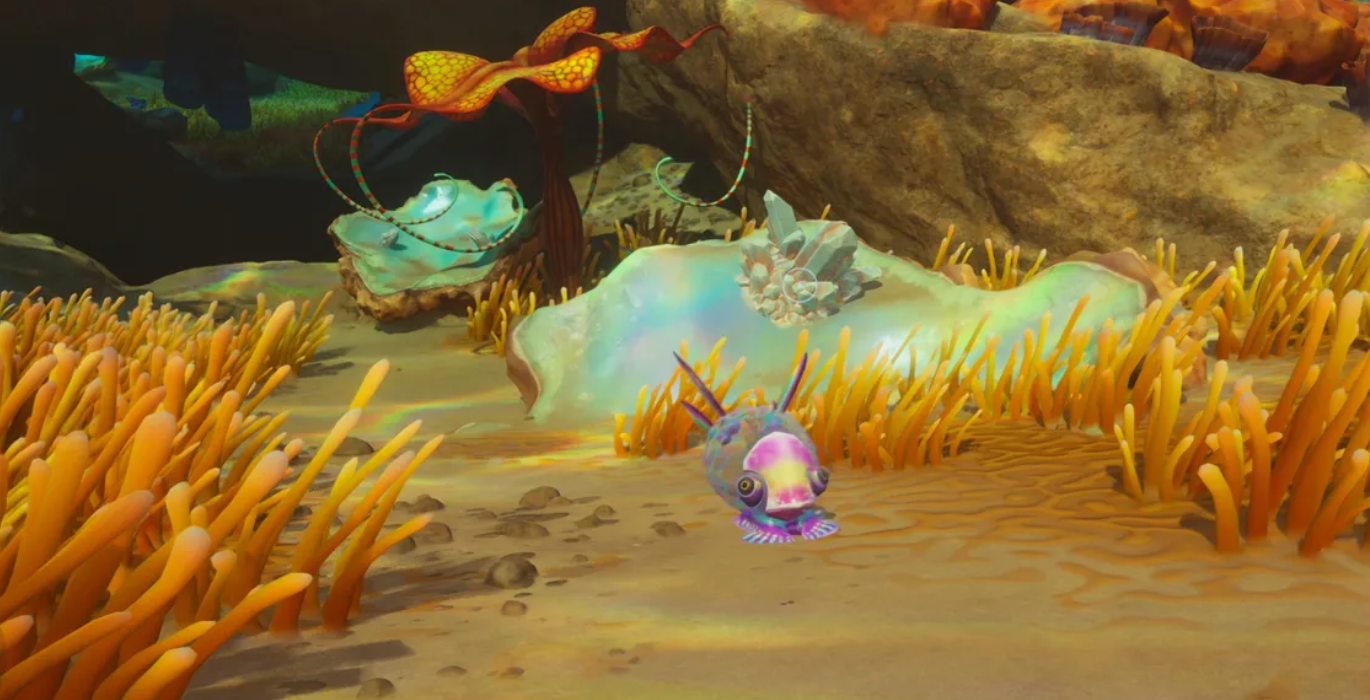
You were warned: “Camouflage” is useless against this fish. Why? She reacts not to visual, but to intrusion. If you cross the line, you get it.
The battering ram fish is an armored creature with a hammer-like head that lives in shallow starting waters. It is herbivorous, but this does not prevent it from dealing serious damage with jet ramming attacks. She treats everyone who trespasses on her property badly, including coral crabs.
The scan along with the shocker jellyfish will open the biomode “The Way Home”. Leave the “camouflage” for others — it’s almost useless here.
By the way, if you notice that the battering ram fish has started circling, it’s better to move away. She’s not joking.
How do I get around a pack of biting Sharks in the north of the map?
One shark biter is not a problem. Ten? That’s where the fun comes in. They patrol the northern routes outside the starting area and stay in packs.
If you’ve attacked one, get ready for the others to catch up. The scan will give the biomode “Slow metabolism”. And if the pack is still surrounded, there are two options: “Camouflage” will relieve aggression quickly, or activate “Bait” — distract them for a while.
Tip: Don’t check how quickly they react. You will check it already in their teeth.
How to spot a Trap in Anemone Hills?
Anemone Hills are beautiful. But you need to look not only at the corals, but also at your feet. Or rather, under the fins.
The trap burrows into the sandy bottom, leaving only plant bait on the surface. If you swim too low, you activate the attack script. The result: pain, loss of time, and a ruined dive.
Keep to the middle depth, above the bottom, and avoid the trap. Scanning the trap and electrojordi unlocks the Bioluminescence biomode.
Needless to say, checking an ambush with your face is a bad idea? Not worth it.
Craft Clouds of bait using a Pike Hound
If you notice a flock of pike-hounds, get ready. Bonecrusher is almost certainly hanging around. Or even its alpha version. These small, dog-like fish live in symbiosis with a large predator. By themselves, they are harmless — the most they will do is float by. But their appearance is always a signal: something much more unpleasant is nearby.
By the way, scanning the pike-hound and the toxic sponge will open the biomode “Cloud-bait”. It’s a useful thing, especially when you need to distract attention.
Is it worth killing the Case Man at the beginning of the game?
During the first hours of the study, the case is a real headache. You don’t have the proper stealth tools yet, and this armored guy is always trying to crash. But as soon as you get to the biomode “Camouflage”, the problem will disappear. Activate your disguise and calmly walk around the creature. You don’t need a full—fledged battle – the case is not worth the time.
Secondary predators and situational threats
These creatures don’t make entire biomes dangerous. But it’s easy to punish for carelessness. Especially if you’re scanning something in caves, using transportation, or swimming too close. It’s important to feel the distance.
Features of Four-eyed hunting in caves
Small but persistent. Its fused two-body construction makes the predator much stronger than it looks. Trying to fill it up quickly during normal research is a waste of resources. Stay away and treat the four-eyed man as an annoying nuisance.
Sickle Fish damage and mention of Leviathan Waxmoon
The standard AI is a predator, moderately dangerous. If the sickle fish has shortened the distance, do not engage in a protracted fight. Use “Camouflage” or “Jerk” — break the contact and leave. By the way, screenshots of leviathan Waxmoon (r/subnautica) have already been leaked online, but this is a completely different story.
Where to look for a Squid bullet for the sake of biomode Camouflage?
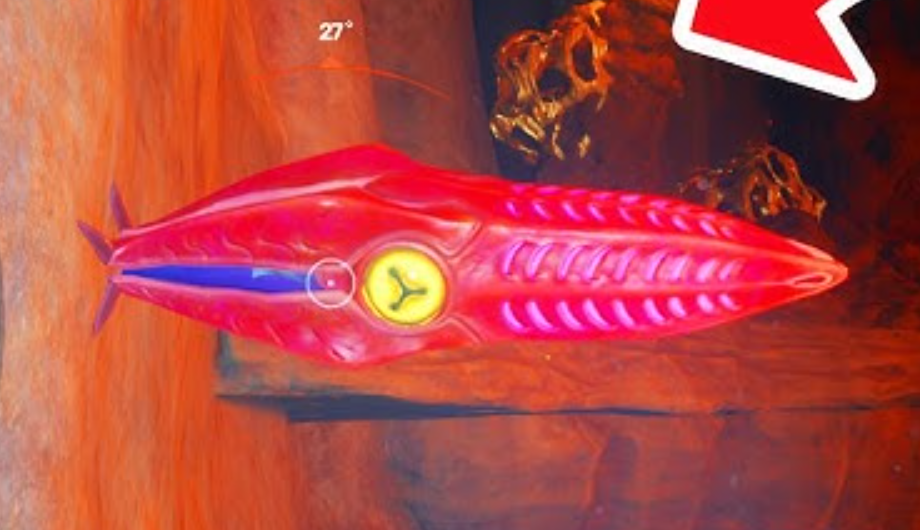
Early in the game, scanning the bullet squid unlocks the critical biomode “Camouflage”. Without it, surviving in a strict environment is much more difficult. Where can I find him? In the caves under the island with an alien observatory and in the hot caves of the canyon. When the squid is resting, it clings to walls or stone ledges. But as soon as you get closer or shine a flashlight, it immediately detaches and rams the player. The attack, in truth, is not very dangerous. But the very fact of a sudden jerk can be confusing.
In short, don’t ignore this guy. Take a minute to scan, and you’ll get a biomode that will save you dozens of times later.
How to remove the Electrojordi from the hull of a submarine?
You can meet Electrojordi in several places: all over the island with an alien observatory, near the Karakorama Alien Power Plant and in the Canyon. And here there is an unpleasant nuance — he is attracted by the Tadpole bathyscaphe. It doesn’t matter if you’re at the helm or not. The thing will cling to the hull anyway.
Scanning the Electrojordi together with the Trap will open the Bioluminescence biomode. And if you scan it separately, you will get an “Electric discharge”. A useful thing: active protection with a current of 800 Volts. It’s a good argument against annoying predators.
Useful peaceful creatures and Isotonic Water crafting
Yes, these creatures don’t attack first. They feed, filter the water and drift, creating the feeling of a living alien ocean. But some of them are critically important for survival. The main condition is a bioscanner. Without it, you won’t unlock the biomodes.
Biomodes Sixth Sense and Drinking water from slugs
Geordie Danger is zero. It is a common herbivore, found everywhere.
The blinding slug is also harmless. It is small and feeds on vegetation. The combination with salt gives isotonic water, which is useful for restoring balance.
A water slug, but this is serious. The scan opens the biomode “Drinking water”. The slug filters seawater and dispenses fresh water — right in the bags. He saves more than once on long expeditions.
The Needletail is also harmless, but its biomode — the “Sixth Sense” — detects nearby predators. It’s very relevant when you’re sneaking through caves.
The stalk-eyed clown crab is a social three-legged crustacean. He has hovering engines and, funnily enough, expressed concern for his offspring. There’s no danger.
The pneuma lives in the middle zones of the reefs. Harmless, floating by itself.
The salpa anchor is a large open ocean filter. It’s not very dangerous either.
The tongue crab itself is a harmless little parasite. But if he gets infected with the Voracious Company, then expect trouble. It’s not a joke anymore.
Where to find a Deep-winged queen and collect egg clutches
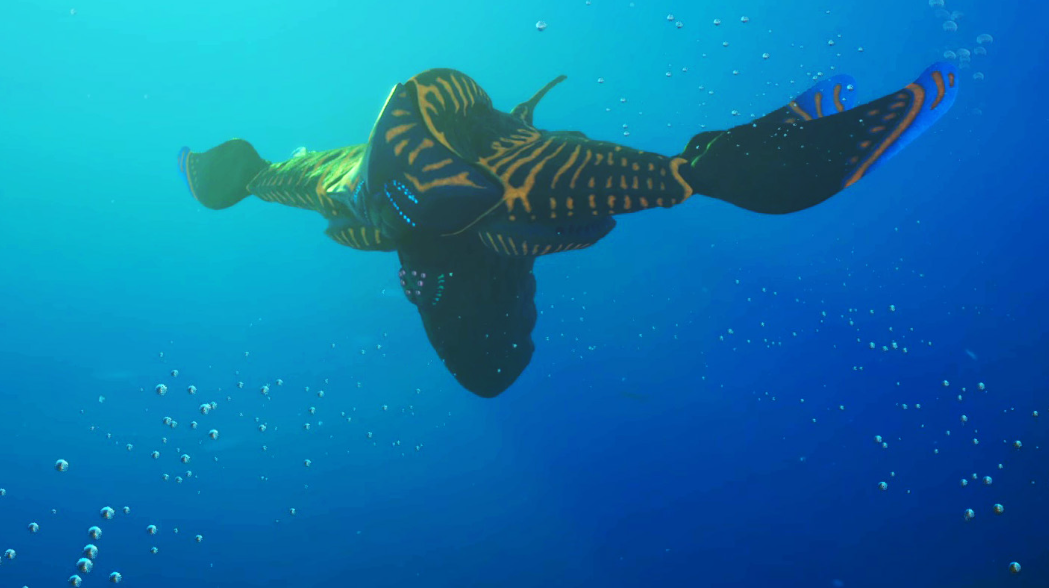
The most elusive leviathan in Subnautica 2 is the Deepwing Queen. He can spawn anywhere and anytime, usually in groups of three individuals. Luck decides everything here. Some players complain that they haven’t seen him even after 20 hours of playing — seriously.
But you can slightly shift luck in your favor. Swim along the borders of any biome at a depth of about 60 meters. For example, we found a uterus at the Alien ruins (or rather, at the Observatory) — we sailed to the southwest. When they are nearby, you will hear non-aggressive sounds similar to whale songs. Don’t miss it.
Have you noticed? Great. Look for medium-sized manta ray-like creatures with orange stripes. And follow them. By the way, the uterus is peaceful, so it’s easy to scan it. If, of course, you find her at all.
When you swim up, pass through the eggs that she leaves. Most will disappear, but some — large ones, called “deepwing egg clutches” — will remain. They can be selected and used in recipes. You can continue to follow the queen — she will drop the eggs over and over again. Or search the seabed.
Good luck exploring the Leviathans of Subnautica 2! If you need more help underwater, we have guides on biomes, regions, and also where to look for silver and which biomodes to carry first.
Continue reading: Coordinates of all Angel Crestworms and adaptations.