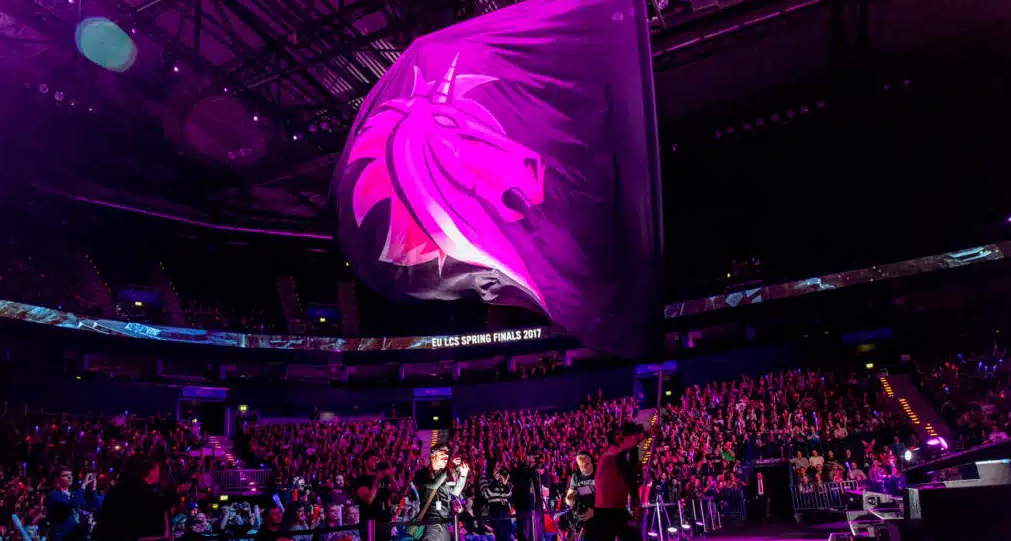
The Germans from Unicorns of Love — the guys with the crazy name — decided to roll out an announcement that would really shake up their fans. By the way, the club is officially launching crowdfunding and is ready to give up to 11% of its shares to ordinary people, apparently.
Table of Contents
Crowdfunding Unicorns of Love and selling a stake in the business
Registration on Crowdcube itself is already open for those who want to jump into early access — the round itself, along the way, starts just a few days ago. The representatives of the organization speak bluntly: This is the first time in UOL’s history that the community can get a real stake in the business.
It all started with the top five amateurs and the most bizarre peaks in League of Legends. Right now, Unicorns of Love seems to be preparing to take the leap to a new level — and they’re calling on dedicated fans to become co-owners of the company, which sounds pretty ambitious.
However, it is still unclear exactly how much money the Unicorns plan to raise — the official figures for the target capital have not yet been disclosed.
What is Unicorns of Love?
The brand appeared back in 2014, and all the League fans immediately started talking about it. The line—up then burned Tristan ‘PowerOfEvil’ Schrage, Zdravets ‘Hylissang’ Galabov and Tamás ‘Vizicsacsi’ Kiss – cool, right? The guys quickly made their way into the elite of European esports (then still the EU LCS).
UOL took silver twice in Europe, but in 2019 Riot Games did not include them in the updated LEC model — it’s a shame, actually. After that, the team moved to LCL until 2021, and then settled firmly on the German scene. As a result, three World Championship appearances and a bunch of Prime League wins in recent years, that’s it.
In addition to LoL, the organization currently holds lineups in Counter-Strike 2 and VALORANT — plus it’s flying into mobile gaming like Wild Rift and PUBG Mobile.
The experience of crowdfunding in esports using the example of Fnatic and UOL
UOL is not the first to go this way through Crowdcube. Do you remember Fnatic? In 2020, the British, in short, wanted to raise a million pounds, but in the end they raked in as much as 1.7 million from three and a half thousand investors.
This year, in 2024, the Americans from Sentinels also tried to collect a cache on StartEngine — it turned out to be more modest, about 200,000 dollars. Let’s see how generous the fans of the German “Unicorns” will be — the case is, in fact, unique for the current market.
Investment lessons and the collapse of public companies FaZe and Astralis
The FaZe Clan and Astralis cases have become a funeral march for many hopes for quick money in esports. Once upon a time, these brands went public to loud applause and inflated expectations, but in the end, everything turned into an epic financial collapse, in fact. The hype around the industry has been shattered by the harsh reality of the “esports winter” — a time when investments evaporate and losses grow faster than frags in a match.
The FaZe Clan IPO crisis and falling stock market value
In 2022, FaZe Clan pulled off a deal through SPAC for an insane $725 million, and their shares, by the way, began trading at $12.53 apiece. The bet was on an army of influencers and fat advertising contracts, but the scheme fell apart — and by 2023, quotes flew into the abyss. As a result, the company was forced to lay off a fifth of its employees and reset the GameSquare media altogether in order to somehow survive.
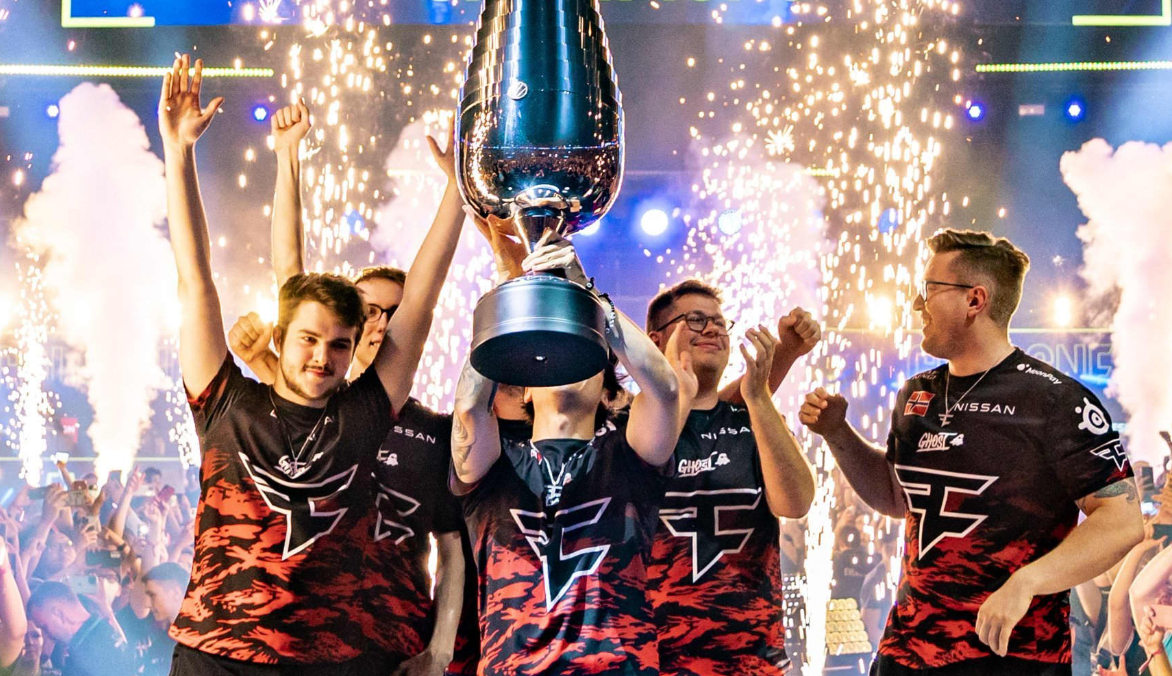
By the way, December 2025 was a black month for FaZe — the departure of top creators deprived the organization of millions of fans and the lion’s share of revenue, which is logical. The lesson for investors here is simple: always look at diversification — if 70-80% of revenue is tied to sponsors and a couple of individuals, any scandal will reset your capital. You should always consider the burn rate — FaZe burned the cache faster than they could print it, and this is a typical diagnosis for public esports.
Common Mistakes Public Esports Companies Make
| Mistake | FaZe Clan | Astralis | Impact on Investors |
|---|---|---|---|
| Incorrect valuation | Overvaluation driven by influencer hype; revenue projections not met | Franchise dependency, ignoring the decline of CS | Stock collapse of 90%+, $600M+ market cap loss |
| Single-source dependency | 70% of brand deals and YouTube revenue | League-dependent competitive results | EBITDA loss of $4.8M, delayed payouts |
| Poor IPO timing | 2022 — hype peak before market downturn | Financial gaps in 2024–2025 | Inability to raise capital, bankruptcy risk |
Financial losses of Astralis and sale of esports assets
The Danes from Astralis are doing no better — in 2024, they recorded an EBITDA loss of DKK 31.3 million, apparently. The main reason is failures in Counter—Strike and withdrawal from profitable leagues like BLAST Premier and ESL Pro League. The team, which used to be in the lead everywhere, lost sponsors, closed the women’s and youth squads — and, in the process, even began to delay salaries for players.
Right now, management is feverishly looking for buyers or partners for a merger, trying to sell at least some assets, including a slot in LEC, the payments for which are stretched all the way to 2026. It should be borne in mind that sports failures directly hit the wallet — sponsors simply fly off into the sunset in the absence of trophies. In addition, Valve’s solutions (for example, CS2) can destroy the usual income from franchises at one moment — and no one was ready for this.