In 2025, Valve’s shooter, Counter-Strike 2 (CS2), officially dominated the esports scene in terms of paid cache. The teams hacking into this FPS have raised an unrealistic $32.2 million in total (that’s about 24.1 million pounds), which makes the discipline the absolute leader of the year. To be honest, such a financial explosion was expected, but the numbers are still impressive.
According to insiders from the Esports Charts platform, CS2 prize money jumped by 41.5% compared to last year, which is really powerful. The growth did not happen from scratch: the tournament calendar has expanded to the limit, giving the top teams the chance to make money almost every week.
Table of Contents
Expansion of tournament geography and new investments from Asia
The tournament schedule in 2025 was like an endless marathon.
-
January: The daring BLAST Bounty series has started.
-
February – October: PGL rolled out a dense list of Tier-1 events.
-
A surprise from Serbia: The organizer of FISSURE launched the FISSURE Playground with a fat prize of $950,000 for each tournament.
China, by the way, is also not far behind and is actively rocking the scene. In May, Hero Esports hosted the Asian Champions League, and ESL brought the legendary IEM to Chengdu. In fact, such globalization only benefits the industry — inflows of investment from Asia create healthy chaos in the ecosystem.
Team Vitality wins at the majors and prize payouts
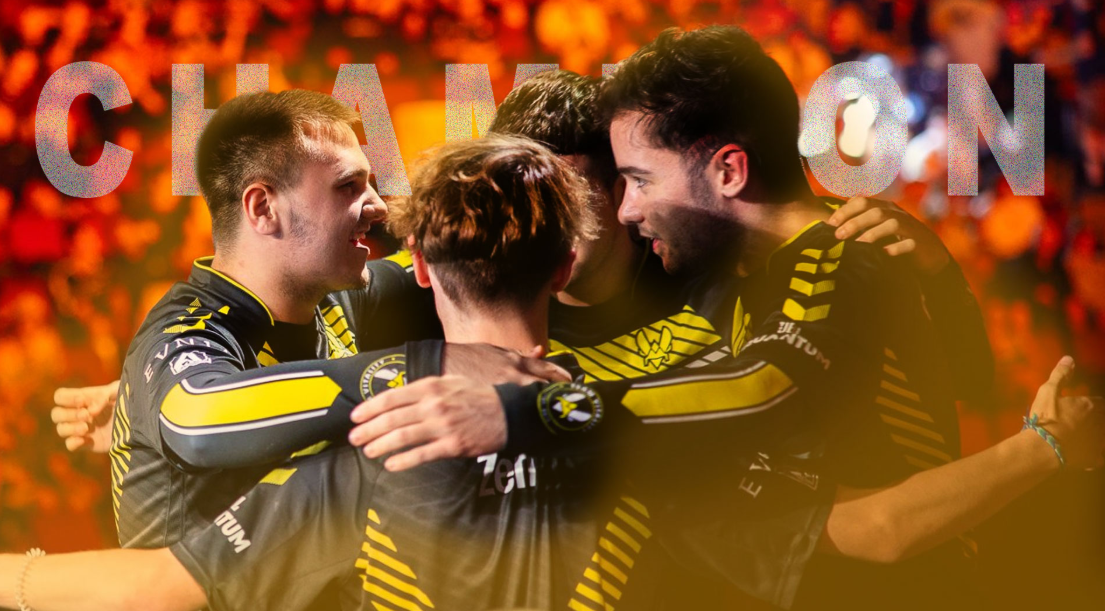
The two main events of the year are BLAST.tv Austin Major and StarLadder Budapest Major — raffled off a total of 2.5 million dollars. In fact, these were the main slaughterhouses of the season. The French tag Team Vitality, apparently, found a cheat code to win, taking both trophies and replenishing his bank account with 1 million dollars. They live beautifully, you can’t say anything.
In general, all esports in 2025 broke through the ceiling: players were paid more than 270 million dollars, which is 15.5% more than last year.
| Discipline | Prize Pool (USD, millions) | Ranking Position |
|---|---|---|
| Counter-Strike 2 | 32.2 | 1 |
| Dota 2 | 23.14 | 2 |
| Honor of Kings | 21.77 | 3 |
Dota 2, by the way, is trailing second with a score of $23.14 million. The Honor of Kings mobile MOBA is also on its heels, showing growth to 21.77 million — the smartphone market is likely to devour everything soon.
CS2 in 2025: Why are prize money just a change for lunch?
If you think that the millions in Counter-Strike 2 revolve only around cups, then you are, frankly, mistaken. The prize pool is just the tip of the iceberg, the visible part of a huge financial leviathan. The real “meat” and the real cache are hidden in stickers, closed leagues, and advertising contracts that make CS2 the fattest feeder in the history of the industry.
The income of the teams from the sale of stickers and stickers in CS2
The sale of virtual stickers with autographs and team logos is, in fact, a legal printing press.
-
Scale: In 2023 alone, one Major series brought organizers and clubs more than $100 million.
-
Capsule distribution: Players from the Contenders category collect about $250,000 per person per tournament. The Legends category brings in a little less — around $200 thousand. By the way, these amounts are usually divided in half with the organization, unless otherwise specified in the contract. Take the same ZywOo: in 2024, his income was about €790 thousand, and you know what? Almost 70% of this amount is not prize money for frags, but net salary and royalties from stickers. For beginners, this is, in truth, the perfect social elevator: even the Challenger capsules guarantee $200,000 per brother.
Financial model of BLAST and ESL tournament operators
Tournament operators like BLAST and ESL have become real financial hubs. In 2025, BLAST is rolling out $1 million for each event, and PGL Major is operating with a pool of $2.5 million. Teams of the caliber of Vitality or FaZe Clan earn income not only for occupied places. They seem to be sitting on a percentage of the sponsorship pools and have fixed payments for participation itself. This allowed CS2 to leave Dota 2 far behind in total annual payments this year. Do you want stability? Make your way to the regional qualifications — this is, in general, the only way to achieve visibility and thus coveted stickers.
Sponsorship contracts and advertising revenue of esports players
Ropz-level stars look at the prize money as a nice bonus for dinner. Advertising integrations with brands like Red Bull, Logitech, or HyperX bring top players from $1 to $5,000 per month. Organizations like G2 or NAVI have long ceased to be just sports clubs. These are the media giants. In 2025, the same FaZe earned major millions on merchandise, streaming, and media rights sales, rather than on the number of headshots delivered.
CS2 vs Dota 2: Why did Gabe Newell create the perfect car?
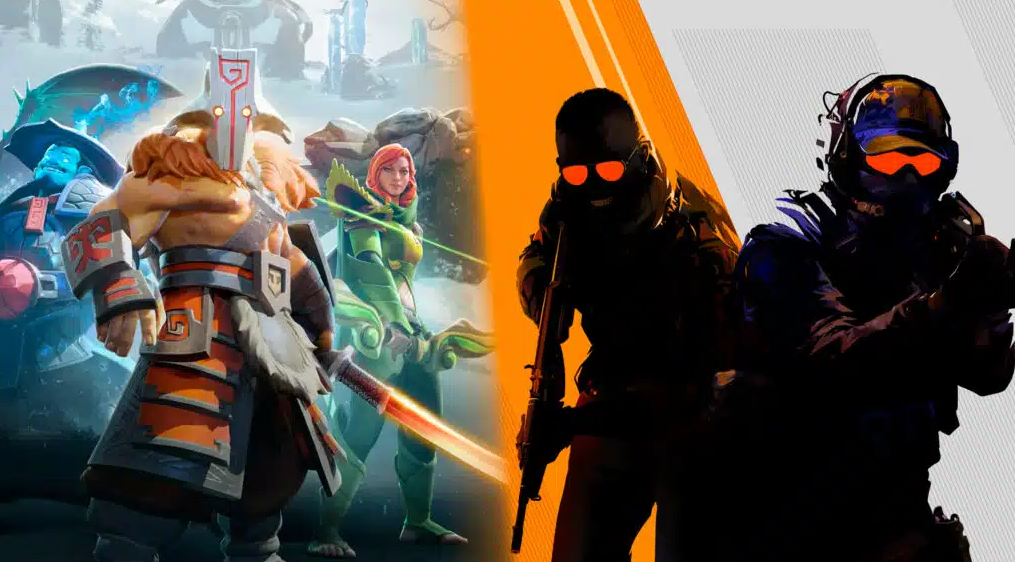
Let’s be honest: CS2 is now head and shoulders above Dota 2 in terms of financial logic.
-
Stability: Dota has The International with its one-time peak of $20+ million, but the rest of the year the teams suck their paws. In Contra, the tournaments go one after the other: PGL, BLAST, IEM.
-
Passive income: There are no stickers in the Dota. In CS2, the stickers feed even those who are sitting on the bench.
-
Betting: The scattering of matches in CS2 provides better analytics and betting patterns, which indirectly also swings the economy of the game.
| Aspect | CS2 | Dota 2 |
|---|---|---|
| Prize Pools (2025) | $2.5M+ at Majors, leader by total prize money | $20M+ at TI, but less frequent |
| Stickers | $100M+ per series, $200–250k per player | Not available |
| Contracts | $1–5k/month + salaries | Fewer sponsorship deals |
| Event Frequency | Monthly (BLAST / ESL) | 1–2 major events per year |
The bottom line is very clear: CS2 is a safer harbor for the pros in 2025. The risks are lower, and the “pension” in the form of royalties is more stable.
CS2 esports scene development forecast until 2028?
The future of the CS2 ecosystem looks as stable as possible. Due to Valve’s strict requirements for openness, the organizers have already outlined their plans until the end of 2028. This creates a stable environment where there is no place for monopoly, but full of prestigious cups. Tournaments collect millions of views, and investors line up along the way.
The healthy state of the stage pleases fans — there are still three years of guaranteed action and crazy money ahead. The maximum force is in the facts.