In four hours of hands-on demo time, I talked a man into leaving a burning building, only to lose control and kill him anyway. I tracked down a missing villager by literally reading the ground for clues. And somewhere along the way, I started wondering if my character had fallen for the local witch. None of that happened across separate playthroughs. It all happened in the same slice of the same game.
The Blood of Dawnwalker, the debut project from Rebel Wolves, has been chasing Witcher 3 comparisons since day one — understandably, given the team includes that game’s director, Konrad Tomaszkiewicz. But leaning on that comparison is the lazy read. Spend a few hours with the prologue and it becomes clear Rebel Wolves isn’t cloning anything. It’s building a system where combat, investigation, dialogue, and romance all answer to one core idea: a protagonist split down the middle.
Table of Contents
Who Is Coen, and Why Isn’t He Fully a Vampire?
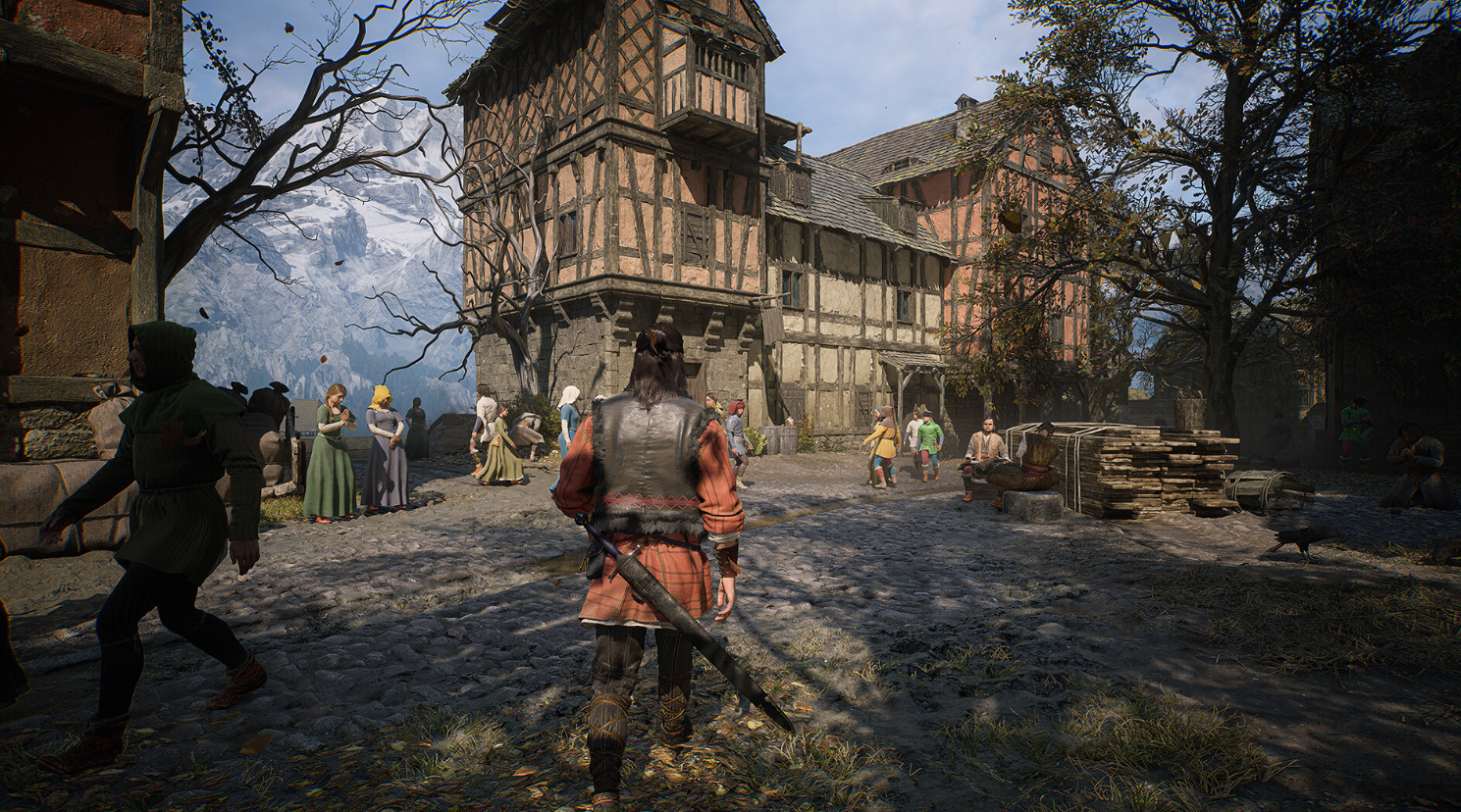
The story unfolds in a fictional 14th-century region called Vale Sangora, nestled in the Carpathian Mountains, a land already gutted by war and the Black Death. Into that power vacuum steps Brencis, an ancient vampire who extracts a “blood tithe” from local villages in exchange for protection from the plague.
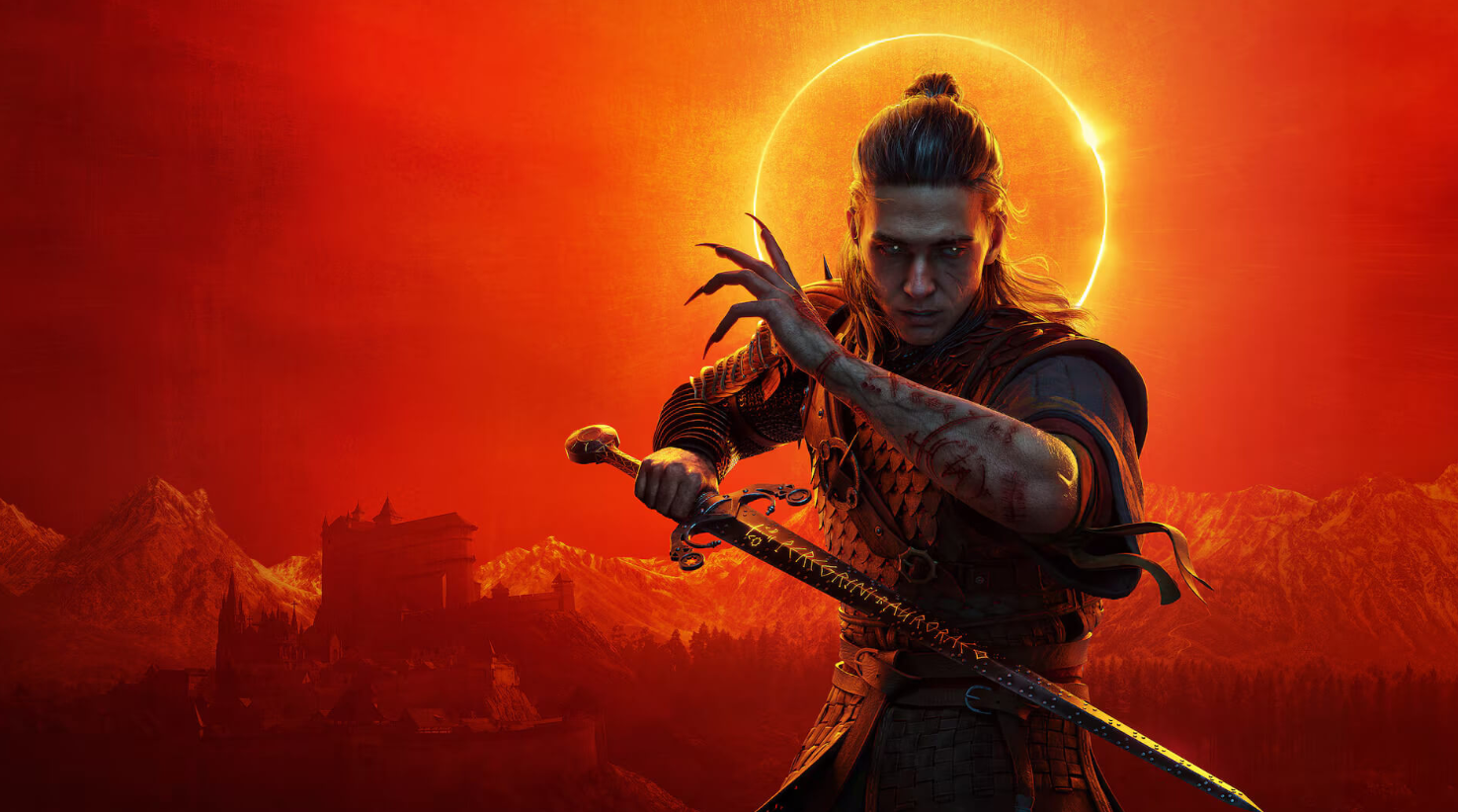
The protagonist, a village son named Coen, doesn’t choose to become a vampire — Brencis forces the transformation on him, and the process goes wrong. The result: Coen is stuck between two states, a fanged predator by night and mostly human by day. That’s not just flavor lore. It’s the literal spine every system in the game is built around.
Combat: A Mix of Witcher, Kingdom Come, and Zelda
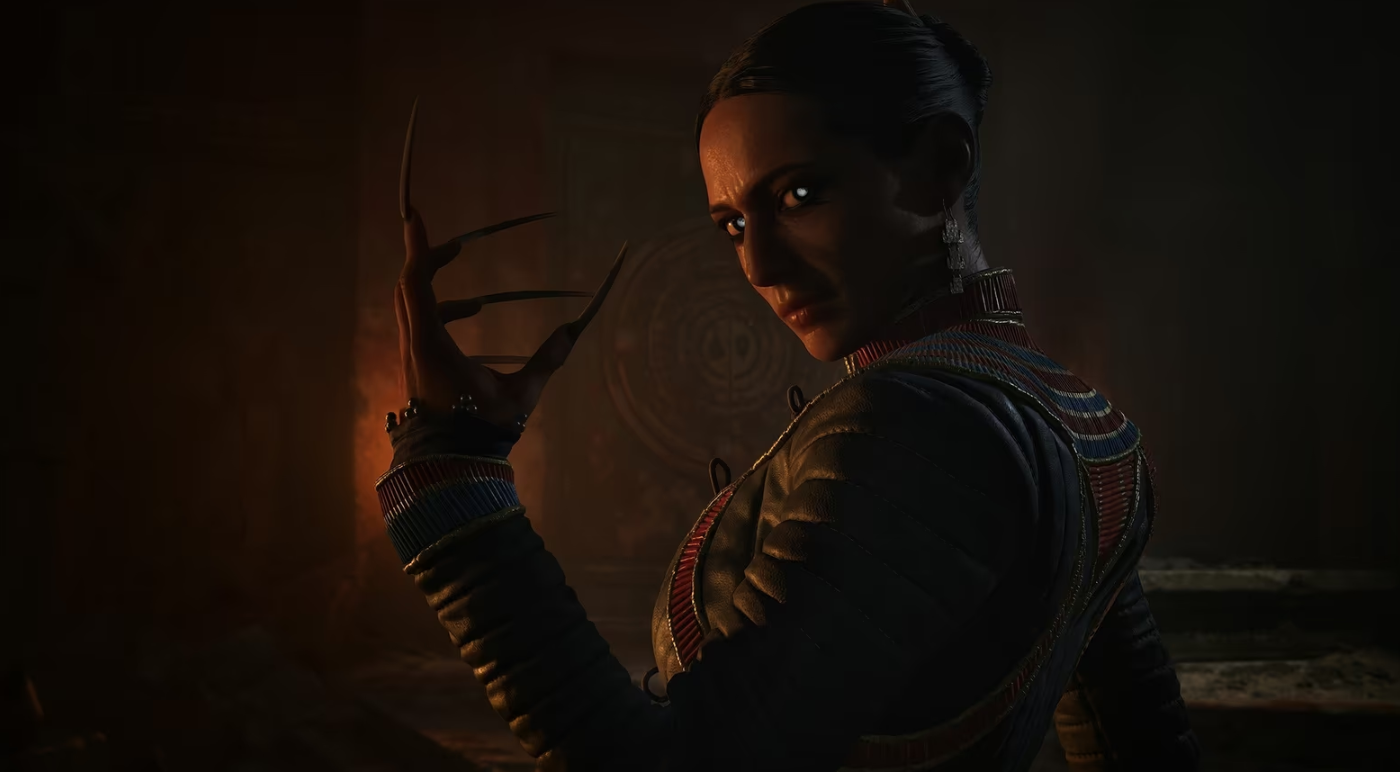
Combat in The Blood of Dawnwalker runs on directional attacks and blocks — you choose the angle of your strike, and you have to parry from whichever direction the enemy’s blow is actually coming from. Rebel Wolves lands somewhere between Kingdom Come: Deliverance 2’s precise swordplay and The Witcher 3’s sword-and-sign rhythm.
By day, Coen relies on ordinary weapons and human tricks, like throwing sand in an enemy’s eyes. By night, his vampiric claws come out, and the combat gets noticeably meaner and more aggressive. The developers themselves admit the active ability wheel is a bit clunky right now, and in the heat of a fight, players often just don’t have time to reach for it.
Detective Powers and Heightened Senses
Beyond combat, Coen carries a set of skills that previewers have already started calling “detective” abilities — heightened senses that let him read tracks, spot hidden items, and piece together local mysteries. In the demo, this played out concretely: asked to find a villager’s missing brother, instead of just following a quest marker, I had to genuinely track the man down using those heightened senses. It echoes The Witcher’s investigative side, but with a sharper focus on detective work rather than just combat readiness.
Romance With the Local Witch and the Emotional Weight of Choice
One scene almost everyone who’s played the demo brings up involves Coen’s mother. She’s mentally ill, unable to speak or eat, and Coen’s father asks for help force-feeding her to keep her alive. The game refuses to let that moment just scroll by — the choice is framed as a small interactive beat designed to land the scene’s emotional weight.
Against that backdrop, the romance with the local witch feels lighter, but for several previewers it became the prologue’s real emotional discovery. Based on early impressions, this particular thread hits just as hard as the family drama, if not harder.
What We Already Know About The Blood of Dawnwalker
| Detail | Information |
|---|---|
| Developer | Rebel Wolves |
| Publisher | Bandai Namco Entertainment |
| Engine | Unreal Engine 5 |
| Platforms | PC, PlayStation 5, Xbox Series X|S |
| Release date | September 3, 2026 |
| Game director | Konrad Tomaszkiewicz (ex-Witcher 3) |
| Setting | Vale Sangora, 14th century, Carpathian Mountains |
| Core mechanic | Day/night shift, 30 in-game days to save Coen’s family |
| Genre | Single-player open-world dark fantasy RPG |
The 30-Day Time System: Why It’s Not a Survival Clock
One mechanic worth unpacking, since it sounds punishing on paper: Coen has 30 in-game days and nights to save his family from Brencis. That reads like a hard deadline, but Rebel Wolves has repeatedly clarified that the game doesn’t actually end once that window closes — the consequences of moving slowly just pile up, rather than resetting your progress.
An important detail for anyone worried about having to speedrun the story to avoid missing content:
-
Exploring the open world and fighting don’t cost time;
-
Quests and some side activities do, and the game always flags this in advance;
-
Players decide for themselves how much attention side content deserves, fully aware of the cost.
The result isn’t a ticking-clock trap. It’s a tool that forces genuine prioritization — not unlike real life, just with plague and vampires layered on top.
Is The Blood of Dawnwalker Worth the Hype? The Sticking Points
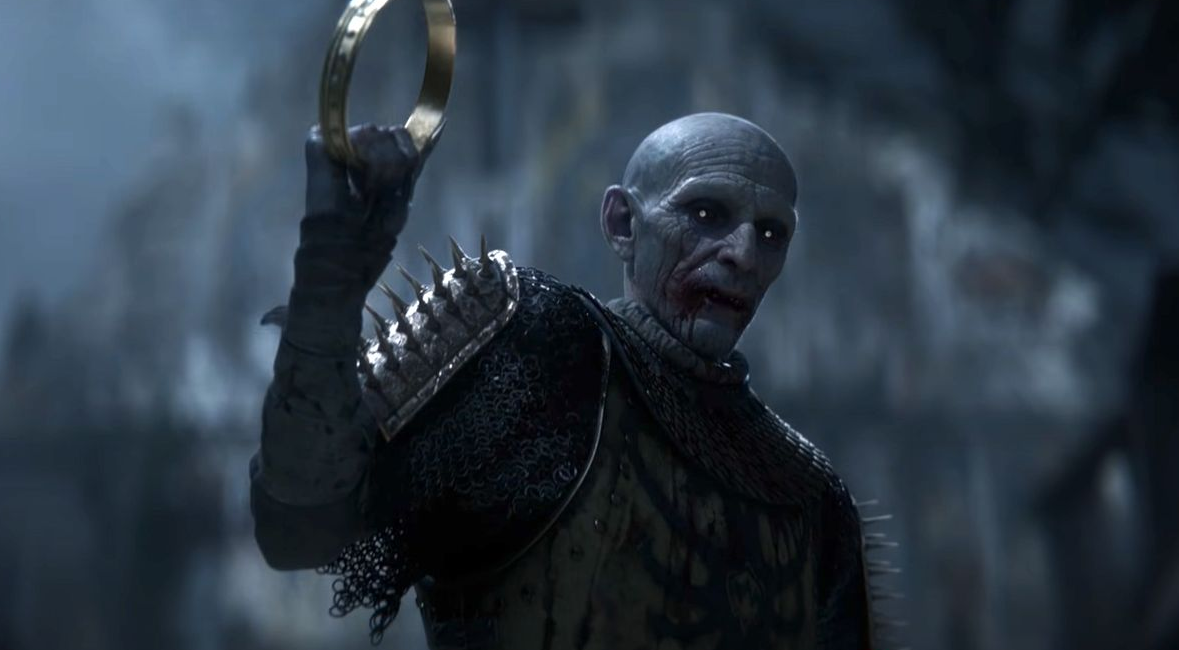
The game is clearly angling to be one of the year’s headline RPGs, but the previews aren’t without their caveats. The active ability wheel is awkward right now and breaks combat’s flow. It’s also unclear whether the combat system holds up over the long haul — three to five hours of demo is one thing, dozens of hours in a full campaign is another.
There’s also a balance question hanging over the “Court” system, briefly glimpsed in the menus — a sprawling web of vampires to track down that resembles Assassin’s Creed’s Order of the Ancients. Whether that turns into an organic part of the story or just another checklist to grind through remains an open question.
What Comes Next
The Blood of Dawnwalker launches September 3, 2026, on PC, PS5, and Xbox Series X|S. Based on the early hours, this isn’t an attempt to recreate The Witcher’s success so much as an attempt to take its narrative approach and build something more personal around a protagonist defined by internal conflict.
For players, that means the comparisons to the studio’s past hits matter less than watching how combat, detective work, and romance function together as a single system of choice. If Rebel Wolves can hold that balance across a full campaign, and not just a polished demo, the dark fantasy RPG genre might just get a genuinely distinct new landmark, rather than another Witcher clone.