Capcom has released perhaps its most unusual project in recent years. Pragmata doesn’t blindly copy the Resident Evil formula—it reimagines it. Yes, there’s still shooting and surviving, but the pace is faster, the story is more heartbreaking, and the lunar sci-fi setting manages to be simultaneously cold and vibrant. This originality pays off, albeit with a steep learning curve. There are a lot of mechanics, and the game explains some of them reluctantly. Below is a summary of what you need to know right now to avoid stumbling over nothing.
Table of Contents
Why you shouldn’t rush through the story in Pragmata
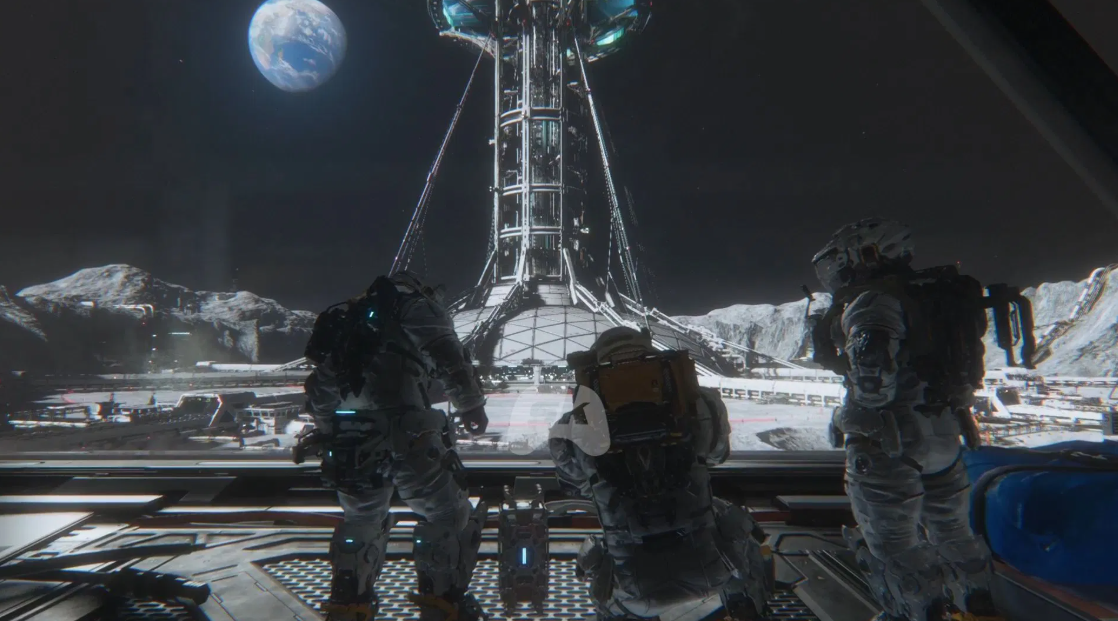
The Moon Base doesn’t pretend to be a galaxy-sized open world. The locations are intimate. But that’s no reason to rush through the story markers headlong. Around every corner, in every back room, there might be a collectible hanging, or an optional but eerily atmospheric encounter waiting. The game persistently, albeit quietly, encourages curiosity.
The red test rooms are a special case. You pass them with the thought, “I’ll come back later.” Don’t come back later. Go straight ahead as soon as you’ve got the key. The rewards from there make the game significantly easier.
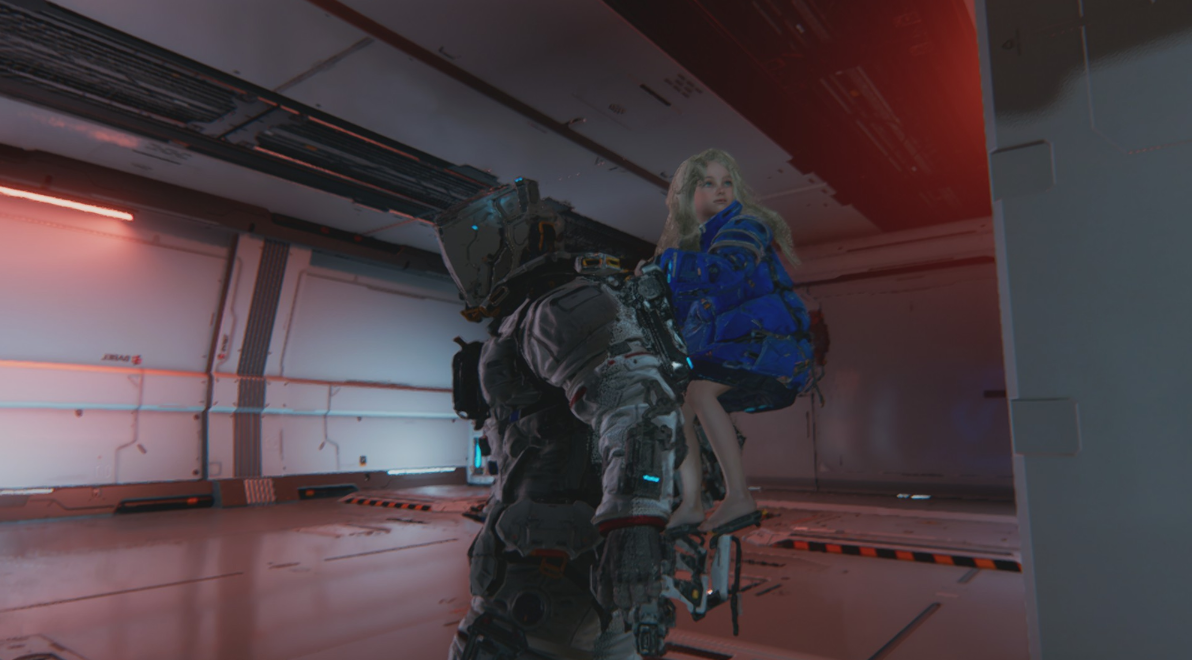
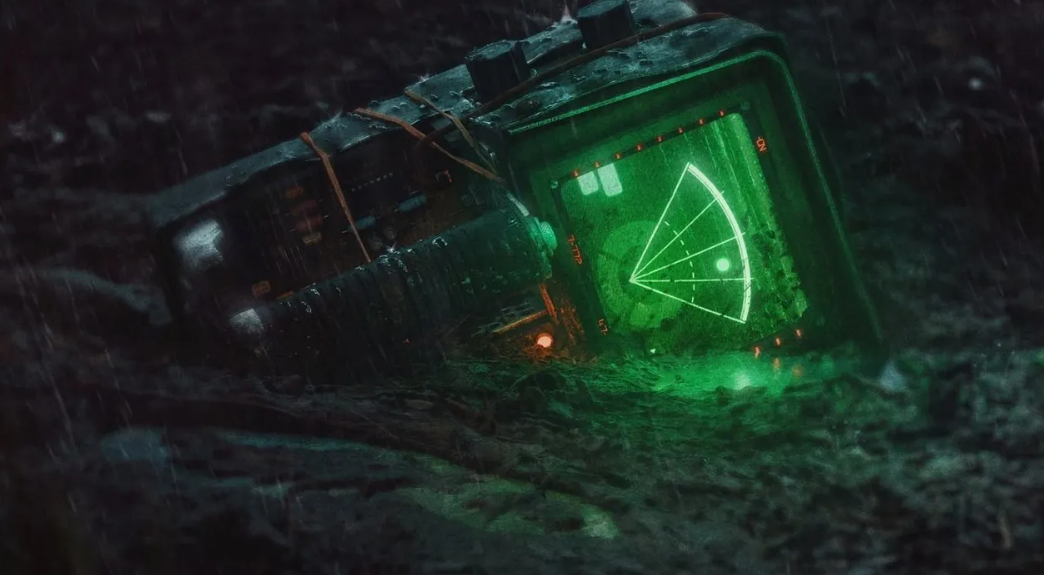
As for navigation, Diana’s scanning is your main friend and advisor. Upgrade it at the first opportunity. A well-tuned module displays everything of value in the vicinity on the interface, along with its exact location. Without it, collecting a complete collection for the “perfect” ending is practically impossible. It’s best to start collecting from the very first chapters—there won’t be time to clear out older zones later.
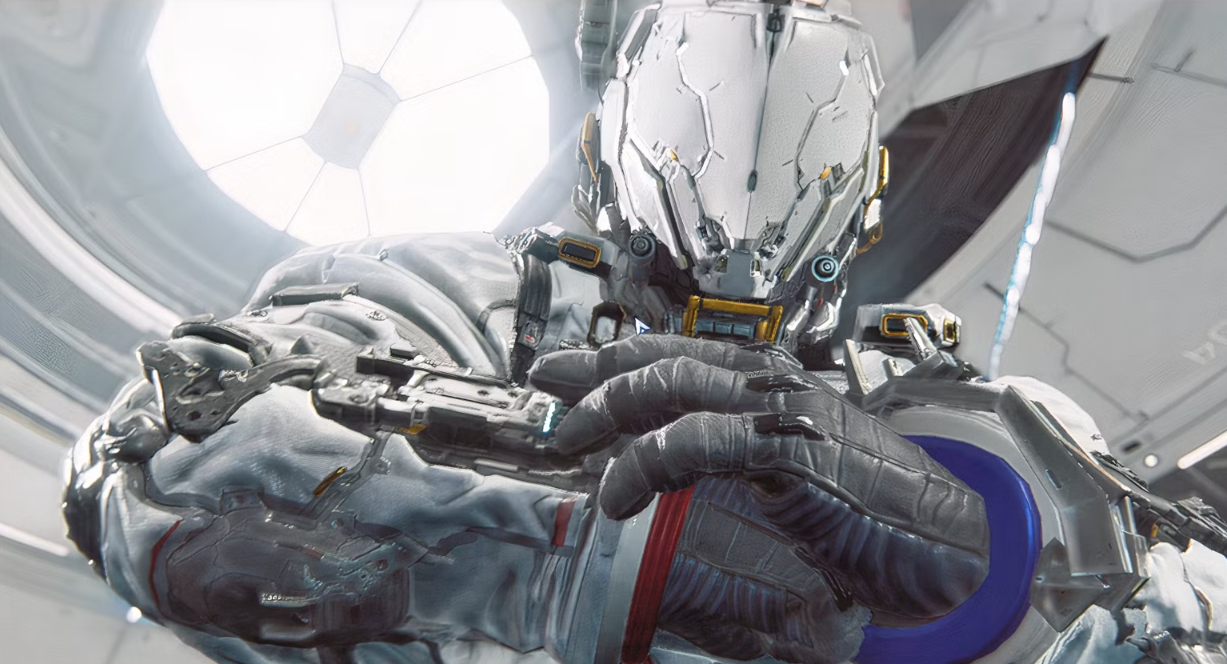
Hacking Diana as the basis for damage in Pragmata
Hugh waves a diverse arsenal, and the guns hit so hard that enemies are effectively sent flying. It’s a joy to watch, and your fingers itch to rush into the crowd, ignoring your partner’s hacking talents. This is a dead end. Pragmata’s combat is built on a tight connection: Hugh’s abilities and Diana’s capabilities are balanced. Without support from either side, effectiveness plummets.
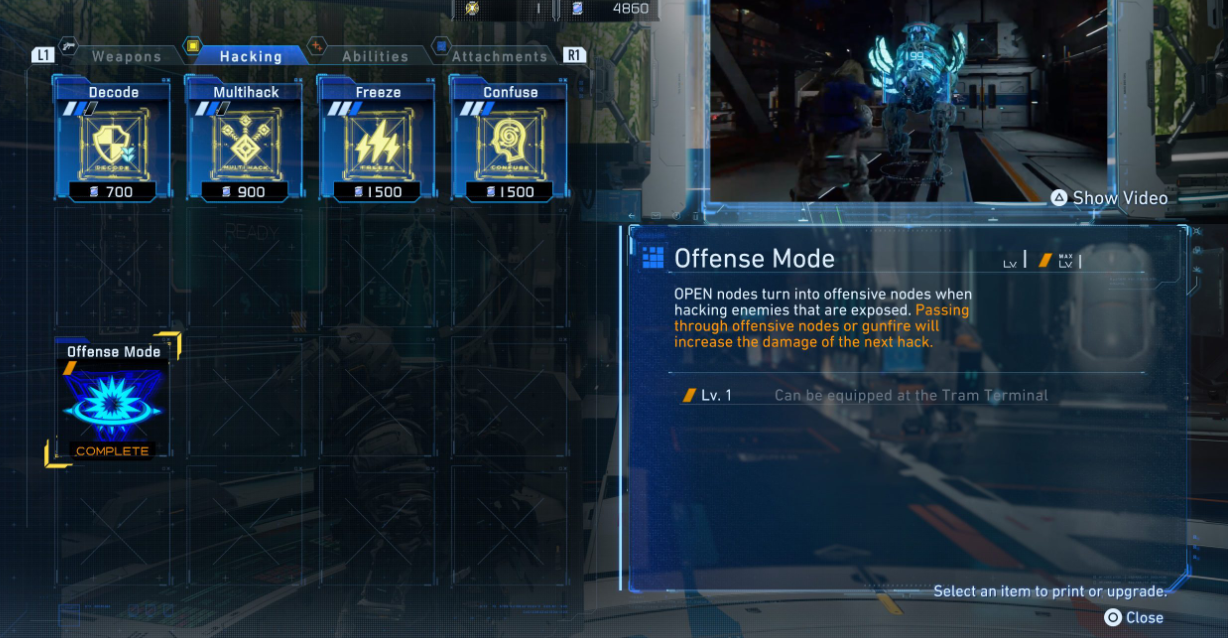
The system works like this: you hack, stun or weaken the target, and then close the distance and empty the magazine. This way, the opponent is quickly eliminated. As your gear and hacking tree upgrades grow, by the endgame you’ll reach the point where you can take out ordinary mobs with literally one or two digital attacks. But this is a pleasure for those who push their leveling to the limit. At the start, relying solely on gun damage is a surefire way to suffer.
Spacesuit and maneuvers: how to survive in Pragmata’s arenas
The arenas in Pragmata rarely offer much space. More often than not, you’re locked into fairly tight spaces, with enemies attacking from several directions at once. Hugh, fortunately, isn’t a foot soldier. His suit is equipped with thrusters that allow him to dart to the side or get out of the line of fire almost instantly.
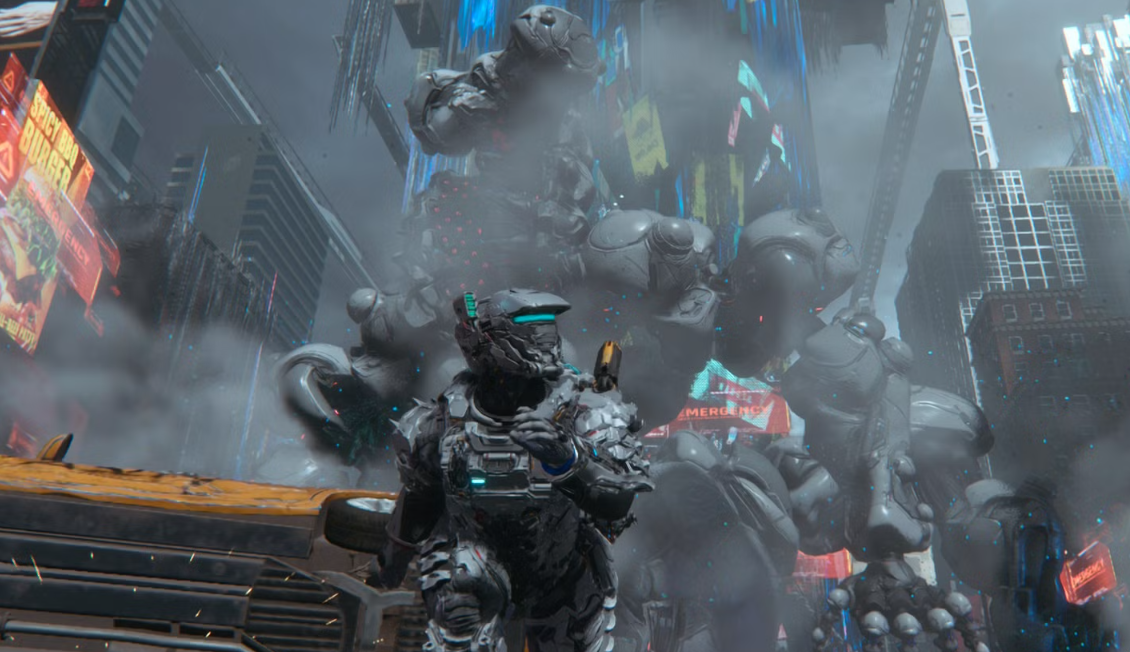
Beginners are tempted to stand still and methodically shoot the biggest robot in front of them. This is a mistake. While you’re looking ahead, someone is sure to come up behind you. A blow to the back stuns you. And after the stun, as you can imagine, the chaos begins—they strike from everywhere, nonstop.
It’s important to keep a clear picture of the entire area in your head. An enemy can appear from literally any corner. A little later, you’ll gain a slow-motion dodge—it activates when you perfectly time your dodge to avoid a blow incoming to the face. It’s difficult to execute, but in battles with bosses and hordes of mobs, it will save you more than once. Incidentally, reflexes alone won’t cut it—you need to constantly scan your surroundings.
Why return to the Pragmata Hideout between missions
The Hideout in Pragmata isn’t just a menu of upgrades between missions. The game persistently, especially in the prologue, encourages you to treat it like a real home. Many people visit it strictly for practical purposes: tune up their gun, spend skill points, and then get back into battle. This utilitarian approach deprives you of a significant chunk of content.
It’s better to make a rule of popping back home whenever a fast travel point is nearby. Not for perks. But for Diana.
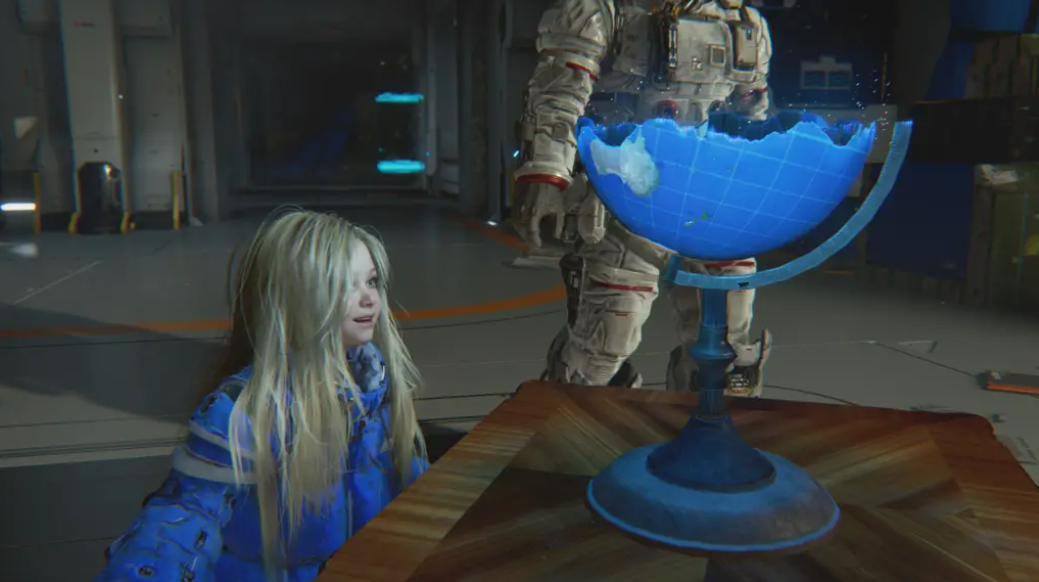
Simply returning for a little chat reveals completely unexpected scenes. Hugh and his charge discuss personal matters, argue about their beliefs, and sometimes even engage in idiotic (in a good way) water fights. There’s a moment where Hugh falls to the floor and plays dead, just to make his adopted daughter laugh. Funny. Touching. It’s moments like these that make Pragmata’s storyline more than just a story about surviving on the Moon and more than make it worth playing. Don’t miss them.

Leveling up in Pragmata’s Vault and its hidden features
The Vault isn’t just a save point. It’s an operations center where your combat effectiveness for the next few hours is determined. The central console controls everything: new weapons, modifications, hacking types, and the key stats of Hugh’s spacesuit. Literally every piece of equipment can be upgraded, from base damage to Diana’s specific skills.

The currency system is more complex than it seems at first glance. Hugh’s three main stats require specialized nodes—a rare resource that isn’t just lying around. Everything else, however, is purchased with Lim. A universal currency, in short. I spent the entire build tweaking, trying out different weapons and hacking module combinations—fixating on one scheme is simply boring, and its effectiveness quickly declines.
Why You Should Test Every Weapon in Pragmata
The variety of builds in Pragmata is off the charts. Two different players are almost guaranteed to play the same sections completely differently. Naturally, the temptation is to reach for the tried-and-true “favorite weapon plus familiar hack” combination—and you want to stick with it until the credits roll. But limiting yourself to that is a mistake.
Every new weapon or hacking module you encounter deserves at least a test run. Firstly, certain enemies simply crumble faster when hit by specific damage types. Secondly—and this is far more interesting—sometimes you accidentally create a combination that completely changes the pace of the game. Imagine: a set of implants that reduce hacking time plus a modifier that doubles your damage output. A death machine, no less. These are the discoveries that will form the foundation for repeat playthroughs. Don’t be afraid to try everything.
Why revisit old locations in Pragmata
The game’s fast travel system is designed with your time in mind—there are plenty of teleportation points, and the map helpfully highlights where you’ve already been and how many secrets you’ve missed. Searching for collectibles is a pleasant experience, but I recommend venturing back to old locations for an entirely different reason.
It’s all about the dialogue. Hugh and Diana constantly exchange lines that are easy to miss if you’re rushing through the story. You might reenter a corridor you’ve already cleared, and suddenly they strike up a casual conversation. Or Diana might unexpectedly ask a question directly related to that particular section of the game world. It’s a small thing, but it’s moments like these that add depth to the characters.
Why the credits in Pragmata are only half the game
This advice may sound strange to a beginner, but it’s essential to know this to get the most out of Pragmata. After your first playthrough, the “Unknown Signal” mode is unlocked. My advice to you is to launch it without further ado. That’s it. Say no more. Thank me later.
What to do after the credits in Pragmata and how to complete 100%
The “Unknown Signal” mode isn’t some sort of NG+ gimmick with a trophy for a second playthrough. It’s a fully-fledged second half of Pragmata, hidden by Capcom behind the end credits, and this is where the game really comes into its own. Hugh takes almost everything he’s earned with him on his next playthrough: his spacesuit level, Diana’s unlocked hacking modules, gun blueprints, and any specialized components he’s accumulated. However, collectibles and audio logs are reset—and this is intentional. This is Capcom’s way of forcing you to replay the locations, but with a higher-level scanner.
What is transferred to NG+ Pragmata and what is reset?
Before launching the “Unknown Signal”, it does not hurt to understand what kind of luggage you are going there with. The game itself is silent about this — you have to figure it out by touch.
New Game+ (NG+) Carryover
The difficulty of the “Unknown Signal” is one step higher than Hard. The bosses of the final third get fresh attack patterns, and ordinary mobs get additional armor — and it is hung, which is characteristic, against the type of damage that you most often hit in the first run. The hint from Capcom is clear: the build will have to be reassembled.
Checklist for 100% completion of Pragmata: what to collect?
The platinum here is not about one perfect pass, but about the sum of two runs plus individual activities. That’s what really needs to be closed:
-
All 47 audiologists. A part appears only after specific plot events — look into the old sectors after each chapter.
-
12 red test rooms. One is hidden in the Theia sector and can only be opened with a level 3 scanner.
-
A complete set of Diana’s modifiers — the last three drop exclusively in NG+ from twin bosses.
-
The alternative ending is “Silence”. The trigger is not to raise a specific subject in the prologue, so you need to plan ahead.
-
The hidden chapter “Echo”. It is activated if you talk to Diana in the Shelter more than 30 times in total over two playthroughs.
-
All bosses without heal at least once. The trophy is counted separately for each one.
Hacking Prowess — 500 successful digital attacks with perfect timing.
Lunar Fragments are a particular pain. There are 60 of them, scattered across both iterations, and three are available only in a narrow window between Chapters 4 and 5. If you missed them, wait until your third run. So, before the final rush to the credits of your first playthrough, open the map and check the percentages in each sector. If you’re at 80% somewhere, this is your last chance to clear the zone before your progress plummets.
How to spend excess Lim and nodes in NG+ Pragmata
By the end of the second playthrough, most people have accumulated so much Lim that they have nowhere to spend it. Don’t let it sit idle—use it in parallel builds. After 20 hours of flying, the merchant in the Vault reveals a selection of experimental modules that simply aren’t available in the main progression. This is where the double damage modifier for accelerated hacking is found—honestly, it’s the whole point of playing NG+.