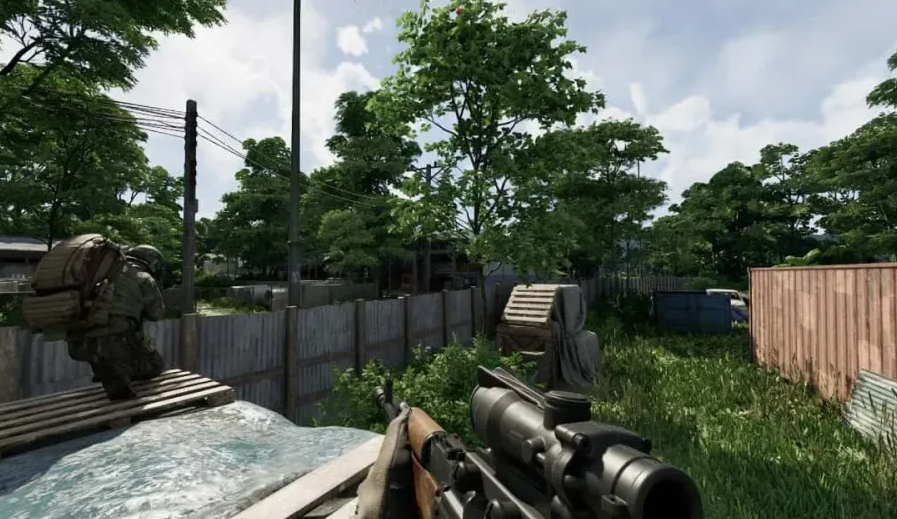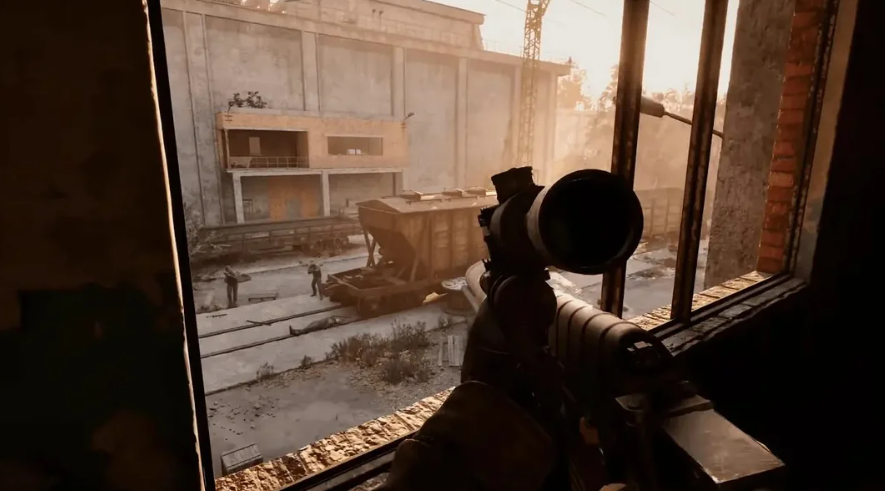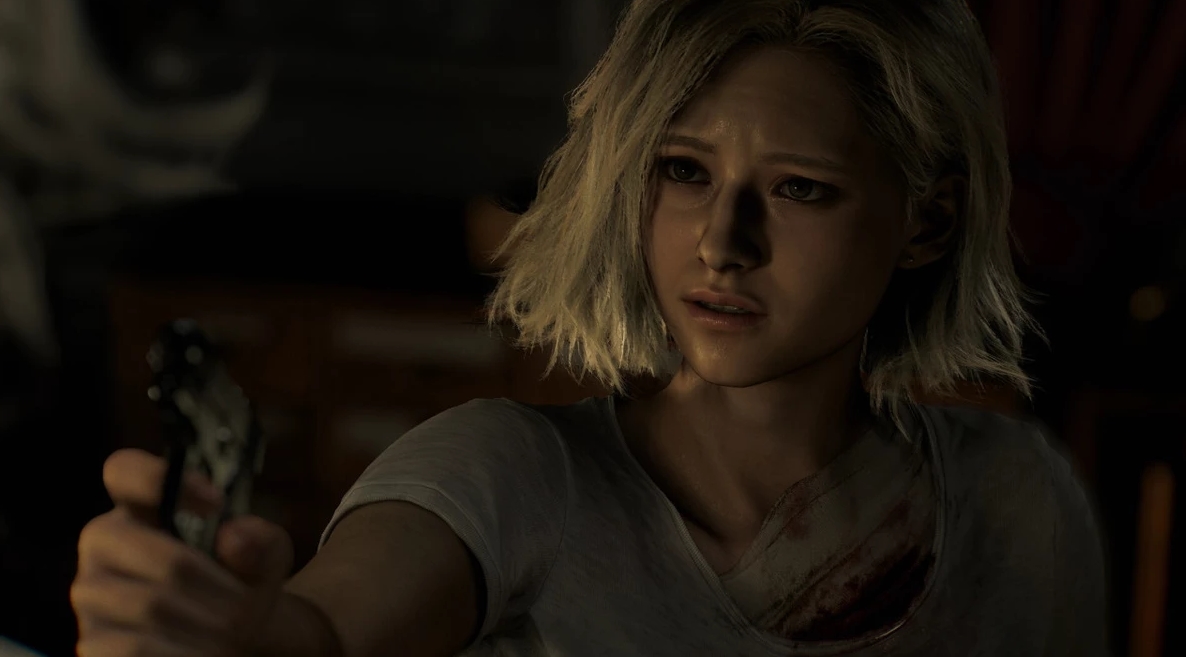
For the first time in a long time, Resident Evil Requiem offered fans of the series something fundamentally new: two protagonists with different game styles and the ability to change the camera mode at any time. Leon is in the usual third—person perspective, Grace is in the first—person perspective as conceived by the authors. But no one forced me to adhere to these rules. Switch it if you want. If you don’t want to, be patient.
And so Capcom shared some interesting figures. It turned out that the vast majority of players went through Grace chapters exactly as the developers intended: in FPS mode. Only 40% decided to escape the tension by switching to a third-person view.
Table of Contents
60% vs. 40%: How Resident Evil Requiem Actually Played
Game director Akifumi Nakanishi shared the data about a month after the release. The picture turned out to be revealing: about 90% of the players went through Leon’s scenario in TPS mode, which is quite expected, given his action-oriented gameplay. It’s more interesting with Grace: 60% stayed in FPS, and 40% switched to a third-person view.
It would seem that the difference is not so huge. But considering how creepy it is to play as Grace in the first person— especially in basement scenes with flickering lights and sudden opponents — these 60% command sincere respect.
It is noteworthy that statistics vary significantly depending on the platform and region:
-
Japan and Asia — players prefer TPS more often, because they are used to this format.
-
PC — noticeably more of those who stay in FPS mode
-
Consoles — the figures vary, but are generally closer to the Asian model.
Producer Masato Kumazawa commented simply: the results generally matched the team’s expectations, and the player’s habit of certain genres turned out to be a key factor.
Why splitting into FPS and TPS is a Smart Design Move
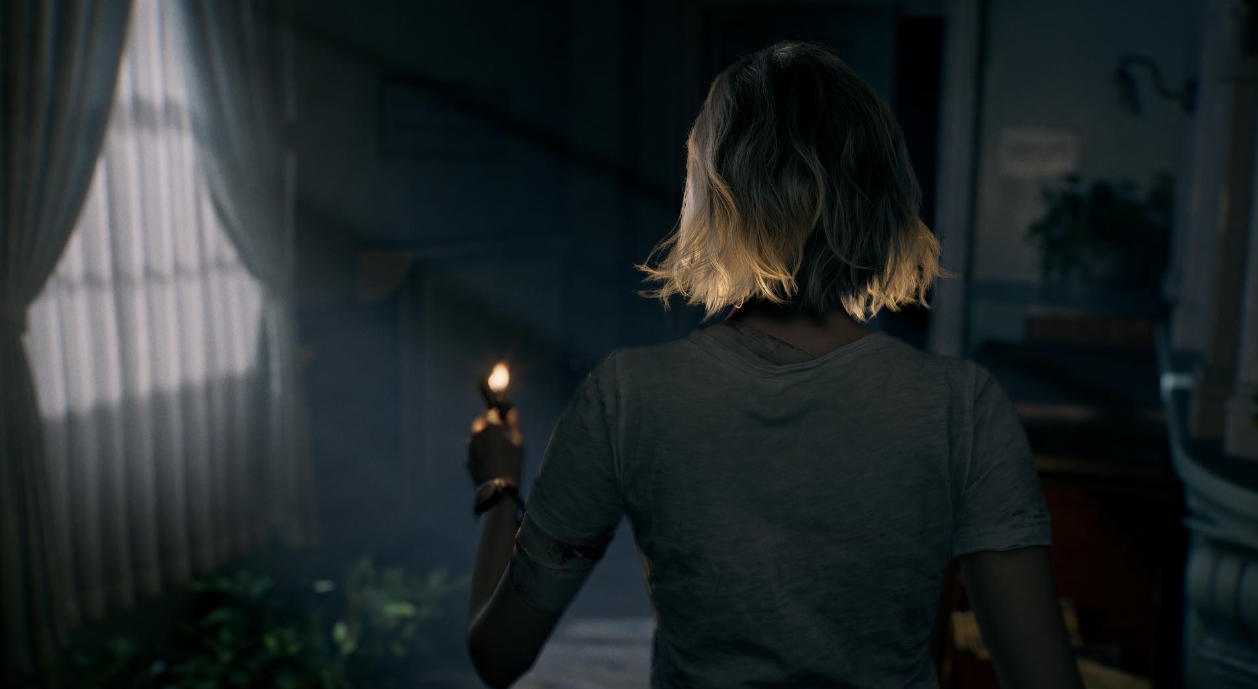
Capcom understood what they were doing from the very beginning. The two protagonists are two completely different experiences. Leon is about control, strategy, and a clear view of the battlefield. It is convenient for him to deal with crowds of zombies, build tactics and feel more confident. Grace is chaos, claustrophobia, and nerves on edge.
That’s why the first-person view works almost perfectly for her: space shrinks, sounds seem closer, and every rustle around the corner makes her heart skip a beat. Switching to TPS reduces this heat — the distance from the character adds psychological distance from what is happening.
Nakanishi noted that betting on two such different characters was a conscious decision: the authors wanted to give the player the widest possible range of emotions — from anxious tension to confident action. Judging by the audience’s reaction, the task has been completed.
What does this say about the players — and about the game itself
The most interesting thing here is not the numbers themselves, but what they reflect. Resident Evil Requiem didn’t just give you a choice — it made both options valuable in its own way. Those who stayed in FPS for Grace got one of the most intense horror experiences in the series. Those who switched saw a unique animation of the character’s falls and stumbles, which otherwise would not have been noticed.
Regional differences also speak volumes. The Asian market has historically tended towards TPS — just remember how popular third-person action games are there. The PC audience, on the other hand, grew up on FPS shooters and feels at home in this mode, even in horror.
As a result, Capcom relied on flexibility — and did not lose. The game has gained 7 million copies sold in two months, and the debate about who is scarier to play for has not subsided to this day.