

Sins of a Solar Empire has left strategy fans with mixed feelings. It would seem that this is the dream of Master of Orion fans: large-scale, space-based, real-time battles where decisions need to be made quickly and the consequences are global. And it all works! However, the joy was not without impurities. Along with the dynamics came simplifications: no custom spaceships, no deep engineering magic – the game deliberately got rid of complex mechanics. And also “rails” – instead of freedom of movement, you are tied to the orbits of planets, like trains to stations. This limits maneuver and strategic sophistication, which fans of the genre love so much.
Table of Contents
Sins of a Solar Empire: Rebellion Free Steam Account
The original Sins of a Solar Empire was always controversial. Some criticized it for being too simple for a 4X strategy game, while others criticized it for being too complex, preventing the enjoyment of destroying all life while managing an empire. But Ironclad Games did not turn away from criticism. Instead, they continued working on the project, releasing two major expansions. Entrenchment strengthened defenses by adding powerful star bases, and Diplomacy offered more flexible political tools for negotiating with neighbors, not just shooting at them. When Rebellion loomed on the horizon, there was hope: perhaps the developers had found that “golden mean” and are now simply polishing every little thing.
To understand what makes Sins of a Solar Empire unique, it’s worth remembering what kind of game it is. The simplest comparison is with Sword of the Stars: the same colonization of planets, interconnected by hypercorridors, research, large-scale battles among the stars. But there is an important difference – SoaSE does not separate the economy and combat. Here, everything happens in real time, and the change of scale – from a planetary system to a close-up of a space fleet – does not interrupt the gameplay for a second.
If in turn-based strategies you can calmly exhale and think about the next move, then in Sins there is simply no time for a break. While you are exploring one sector, the enemy can attack another. Colonization, exploration, battles, hiring pirates, protection from those who were not bribed, new technologies, lost planets, returned planets – and all this on one map, in one rhythm, without stopping.
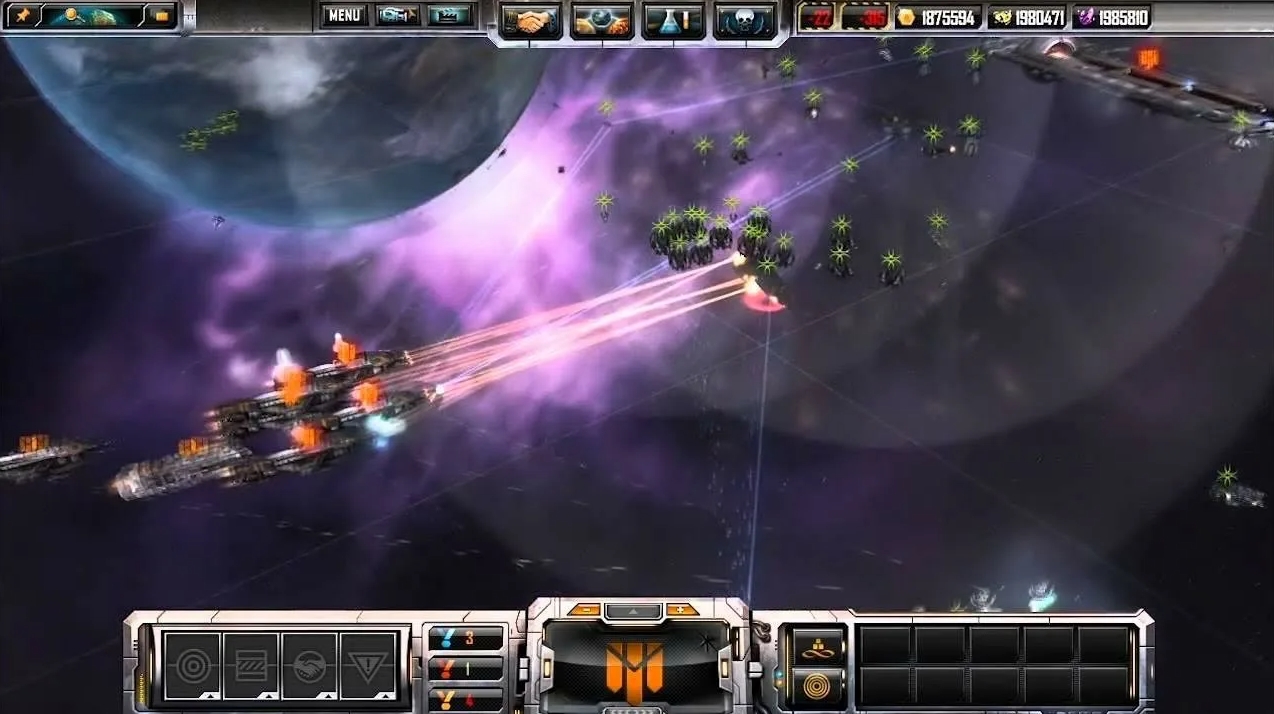
To prevent the player from burning out from overload, the developers introduced an intuitive imperial tree – a visual panel through which you can control everything: from fleet movements to a specific unit in battle. Icons immediately make it clear what’s what, and navigation between control levels takes a couple of clicks. The camera is easy to scale: you can admire the view of the galaxy from above or examine the engine of a specific ship. But in the heat of events, you are unlikely to find time for such admiration.
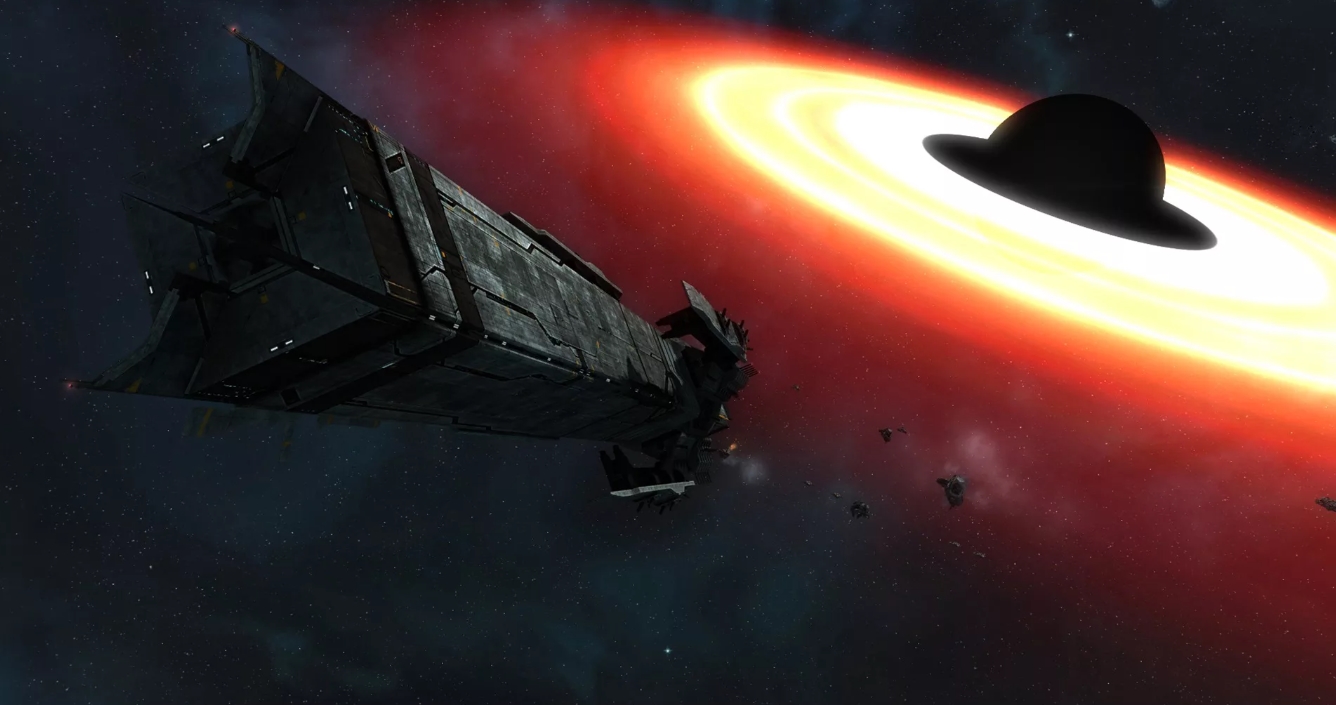
With Rebellion, the developers seem to have drawn a bold line under the first chapter of the story. New classes of ships do not crawl out of all the cracks, but neatly fit into the existing system. Super-heavy titans literally change the rules of the game: they are more powerful than the previous flagships, but do not make them useless. Small corvettes are something between a fighter and a frigate, mobile and angry, not tied to hangars. As a result, the combat balance has become much more subtle. Those same starbases that once seemed almost invincible are now balanced by the appearance of titans with dozens of guns – neither side gains a decisive advantage.
The bottom line? Rebellion is not just another expansion. It is a mature conclusion to an ambitious game that has long been searching for itself and has finally found its shape.
Premium titles, zero payment – only with free steam accounts with games.
Sins of a Solar Empire Rebellion: What You Get and Why It Matters in 2025
Apparently, things weren’t going as smoothly with Sins of a Solar Empire as the developers would have liked. Back in 2008, Ironclad Games, a studio that had taken refuge under the wing of Stardock, promised to continue supporting the project through micro-add-ons and even hinted at a full-fledged story campaign. But the promises were slow to materialize. The first DLC, Entrenchment, focused on defensive stations and minefields, reached players only six months after the announcement. And the next expansion, Diplomacy, which pushed for negotiations instead of war, made them wait even longer – a whole year. And then everything went quiet.
Almost two years passed, and only in March 2011 did Ironclad finally make its voice heard again. Instead of the promised story campaign, the studio announced a full-fledged expansion. They didn’t tie it to the story – apparently, the project had enough to worry about without it. However, releasing an add-on to a game that was four years old at the time was not a timid move. The developers slightly refreshed the visuals: they tightened up the lighting, improved the particle system, but even with these improvements, the game looked, to put it mildly, an acquired taste. Rebellion became something like a new build, an analogue of Trinity, which collected all the best features of the previous parts. Before that, Entrenchment and Diplomacy only worked if all participants in the match had the corresponding DLC installed. Now everything has become simpler: if you want to play, you have to buy Rebellion, otherwise you will be stuck in a “sandbox” without access to relevant content.
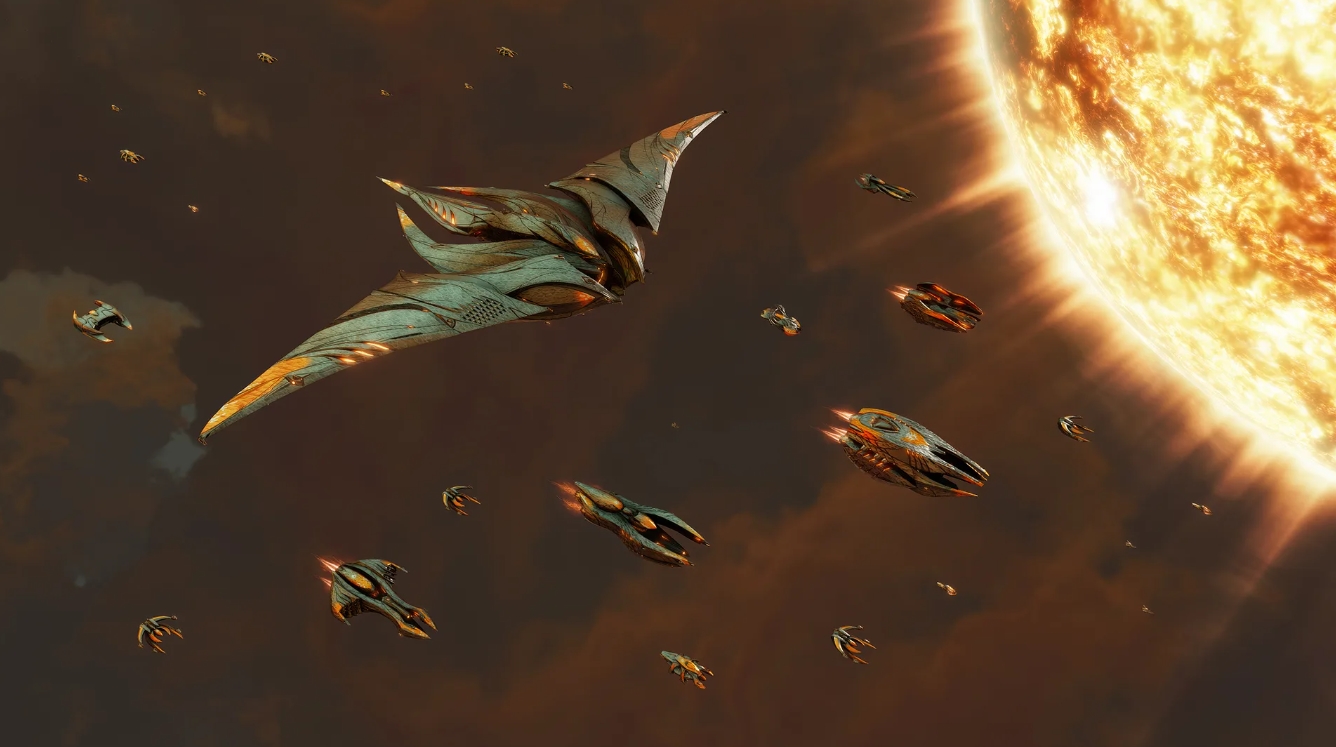
Nevertheless, Rebellion is not just a convenient collection. It also brought something fresh. All three main factions are now divided into two camps: loyalists and rebels. There are six unique sides, each with its own style, bonuses and technology tree. For example, one part of the Trader Emergency Coalition is more inclined to defense, while the other is friends with pirates and actively attacks. Regular Vasari can quickly pump out resources from planets, burning them to the ground, and their rebellious brothers completely upset the balance – they can teleport entire fortified bases straight to the enemy’s rear. And diplomacy has finally taken on new colors. Thanks to the fact that there are more factions, the number of possible combinations in negotiations has increased many times over. Now each meeting is no longer a banal exchange of phrases, but a real political chess game.
The fleet has also been updated. Light corvettes have appeared – cheap, but effective in the fight against enemy capital ships. Moreover, each race uses them in its own way. Here are some examples of the effects they can impose:
-
Disabling the engines of enemy ships,
-
Slowing down the repair of damaged ships,
-
Reducing the accuracy or damage of enemy weapons.
And on the other end of the spectrum are titans. These giants are capable of holding off an entire fleet on their own. Like the flagships from the original game, titans gain experience and develop unique abilities. And the best part: even if your titan dies in battle, the new one will retain all the experience and skills of the old one, so the losses are not so painful.
Sins of a Solar Empire: Rebellion System Requirements
System Specs for Sins of a Solar Empire: Rebellion
How to play Sins of a Solar Empire: Rebellion for free on Steam via VpeSports
There’s something deeply captivating about the idea of ruling the stars — of building an empire not just with firepower, but with vision, strategy, and the will to shape destiny itself. That’s exactly the experience Sins of a Solar Empire: Rebellion delivers. This isn’t just a game about spaceships — it’s about power, politics, betrayal, and choosing your path when the universe itself is on the edge of collapse.
At the heart of Rebellion lies a fractured galaxy, once united but now torn apart by ideological divides. Old factions have splintered, alliances have eroded, and now six unique loyalties rise to claim control. You’re not just managing fleets — you’re making high-stakes decisions that ripple across star systems. Will you enforce peace with overwhelming might, or spark a rebellion to reset the balance? The choice is yours, and every decision you make shapes the galaxy around you.
Unlike many modern strategy games that overwhelm you with micromanagement or menus, Rebellion pulls you in with a surprisingly smooth and intuitive flow. You’ll go from establishing planetary colonies to coordinating massive real-time space battles before you realize how far your influence has spread. It’s the kind of game where one moment you’re admiring the glow of a distant sun — and the next, you’re executing a flawless three-pronged assault against an unsuspecting rival.
And if you’re wondering how to jump into this galactic conflict without breaking the bank — we’ve already sorted that out for you. You can access the game through a free Steam account, set up in just a few clicks. We’ve made sure the whole process is seamless, with everything ready for launch the moment you log in.
But Sins of a Solar Empire: Rebellion is more than just gameplay. It’s about moments — that quiet thrill when you outmaneuver an enemy fleet, the satisfaction of seeing your culture spread like wildfire through neighboring systems, the tension of last-minute diplomacy gone wrong. These aren’t scripted cutscenes — these are stories you create, choices you own, and outcomes that feel earned.
Once you’ve started your campaign among the stars, don’t forget to share how your empire rose — or fell. We’d love to hear your story. And if your review doesn’t go live immediately, a quick edit should do the trick. When it’s approved, your access details will land straight in your inbox.
If you’re the kind of commander who wants to stay ahead of every update, patch, or community event, make sure to join our Telegram channel. We drop exclusive updates there, post available accounts, and keep you connected with fellow space strategists. Got questions? Our support chat and detailed guide on “How to Play for Free” are always available — just a click away.