

Well, we can already exclaim: “Here we go!” or “Oh, come on, did it really happen?” – the text review of Alpha Protocol is finally here. Yes, it was a bit late, we agree. But not because we were lying on the beach or having a barbecue somewhere. It’s just that with a game like Alpha Protocol, everything is not so simple. It’s like that suitcase without a handle: it seems cool from the outside, but inside there is a lot of stuff, but it’s heavy to carry.
Each dialogue in the game is a whole quest. And there are so many forks, options for completing and endings – the author of the review, one might say, got lost in them and almost dislocated his brain. And there was also disappointment. Yes, yes, that very thing when you expect dashing turns and charisma from a spy thriller, but get… well, we’ll talk about that a little later.
In general, the reason for the delay is not summer temptations or laziness – we work without days off and vacations, like real undercover agents. And what was the real reason for such a pause? We will tell you about it in the finale. In the meantime, let’s dive into the world of secret operations, intrigues and elections, which you will want to rewind later.
Table of Contents
Alpha Protocol Free Steam Account
If you’ve already watched the Alpha Protocol video review, you’ve probably got your first impressions. And still, welcome! And if you’ve looked here before watching it, or just like reading text reviews, you’ve come to the right place. Let’s figure out what’s interesting about this game and why it’s worth paying attention to, despite its controversial reputation.
First, a little background. Alpha Protocol was developed by Obsidian Entertainment. This name is familiar to anyone who’s ever been interested in role-playing games. Obsidian is not just a studio, it’s a piece of gamedev history. They employ people from the legendary Black Isle Studios, the same one that gave us the original Fallout and Planescape: Torment. In particular, Feargus Urquhart, one of the main people at Obsidian, is so respected in the fan community that he was even “settled” in Fallout as an NPC in the city of Hub. Imagine the level of recognition!
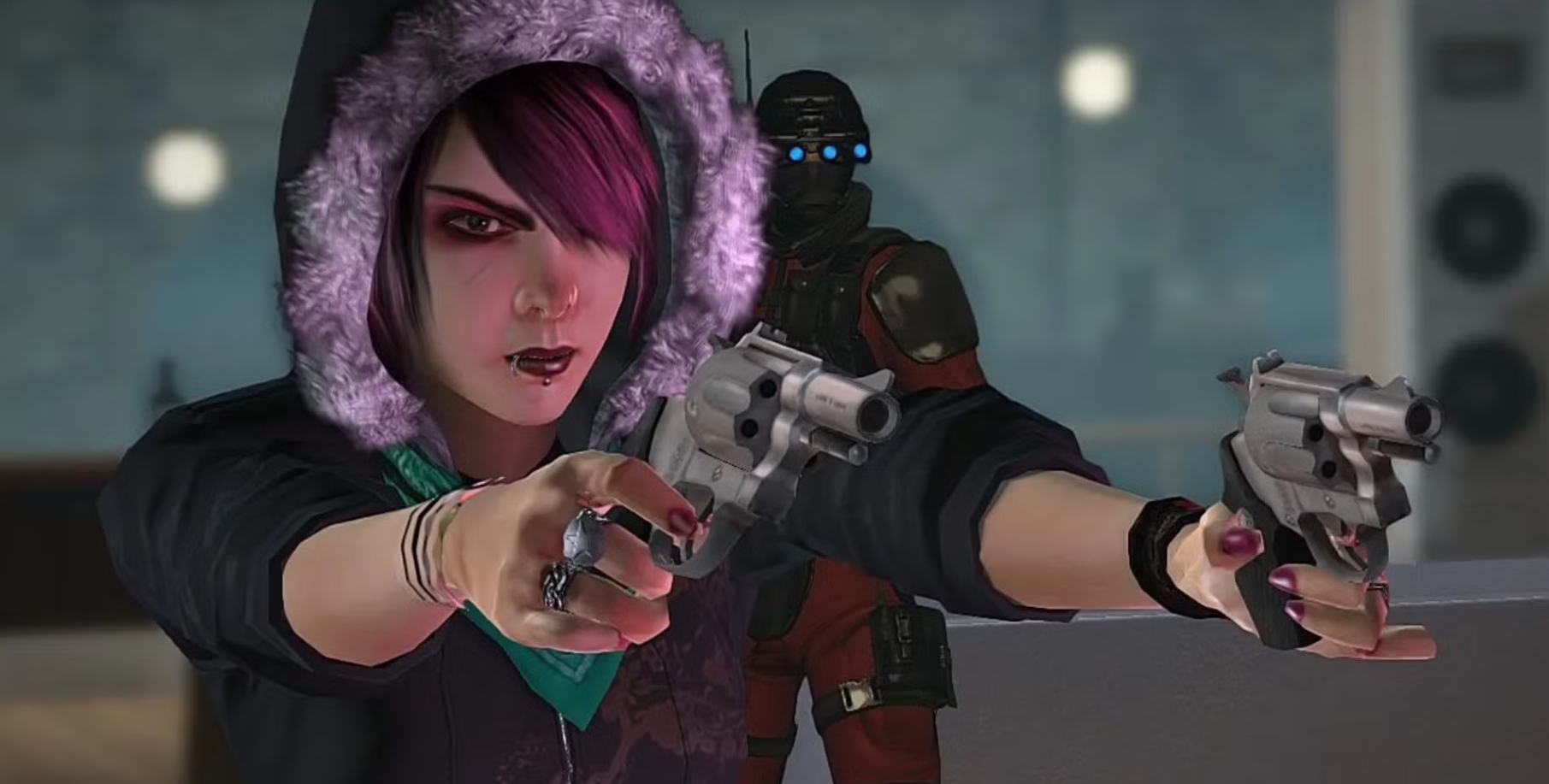
However, Obsidian has another reputation – the reputation of a studio with incredible ambitions and a chronic lack of time or budget. They made great sequels to cult games, but almost always their releases were accompanied by bugs, cut endings and the feeling that they simply weren’t given the time to finish everything. Neverwinter Nights 2 turned out to be deeper and richer than the original, Knights of the Old Republic 2 surprised with a complex script and moral choices. But… every second player remembers not the plot or characters, but the breakdowns and crashes. In my memory, NWN2 remained exactly this game – good, but raw, and therefore deleted after a couple of days.
And against this background, Alpha Protocol appears – not a sequel, not an adaptation of someone else’s universe, but a completely original development. This was a chance for Obsidian to show that they can make not only “other people’s” games, but also something of their own, with their own style and ideas. And there are plenty of ideas here: a modern spy thriller in the spirit of “Jason Bourne”, with RPG elements, a non-linear plot and a bunch of options for completing. Missions can be completed in different ways, dialogue lines affect the development of events, and the attitude of NPCs towards the hero can change dramatically depending on your actions.
But of course, there are still bugs. Alpha Protocol did not avoid Obsidian’s signature feature – shortcomings. Some elements were clearly not fully polished, the combat system had enough rough edges, and the artificial intelligence sometimes behaved strangely. However, despite this, the game managed to create a unique impression. It was bold, fresh and even brilliant in places – especially for those who value variability and plot flexibility.
And yes, the trailer! Many remember the 57th second with the mysterious call to “wait for the horn and be interested in geese during a fire.” What was that? Marketing oddity? A hint of the depth of the lore? Or just a piece of absurdity, as part of the style? It doesn’t matter. The main thing is that it hooked you. The game knew how to intrigue even before its release. So if you like games where it’s important not only where to go, but also how you get there, Alpha Protocol may well surprise you. Especially if you’re ready to forgive its rough edges for the sake of the idea.
Forget demos – get the full version in our steam free accounts!
Alpha Protocol Plot
I won’t bore you with a long summary of the plot – after all, we’re not talking about some detective novel. But to understand what’s happening, a basic introduction will suffice: the main character’s name is Michael Thornton. He is a newcomer to a secret government organization called Alpha Protocol, and from the very first minutes of the game it is clear that he is in deep trouble. The world is balancing on the brink of chaos, conspiracies, international conflicts and operations classified as “top secret” are popping up everywhere. But, of course, you are at the epicenter of all the events.
The script, admittedly, does not discover America. Everything here is classic: a hero who finds himself in the wrong place at the wrong time, a conspiracy, betrayal from within, escape, the fight for justice and restoration of a good name. On paper, it sounds banal – dozens, if not hundreds, of such stories have been seen. But Alpha Protocol hooks you not so much with the general outline, but with the way this story is presented and the feeling that you are really participating in its formation.
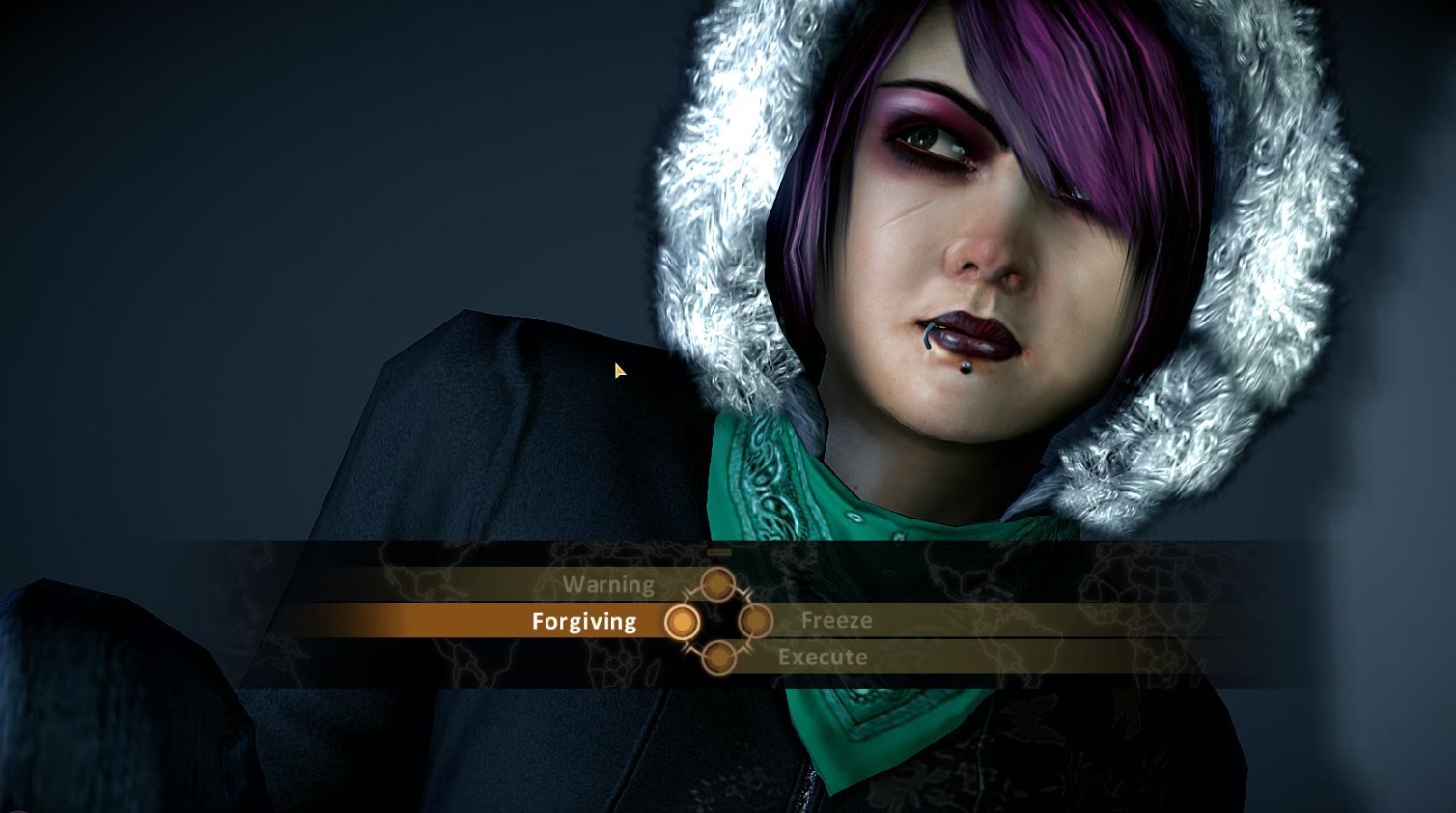
This is where the most interesting part begins. The game’s dialogue mechanics are reminiscent of Mass Effect – you are not allowed to choose an exact phrase, but are only offered the direction of the answer: calmly, sarcastically, aggressively, etc. But, unlike the same ME, where such choices often had little effect, here the system works at full capacity.
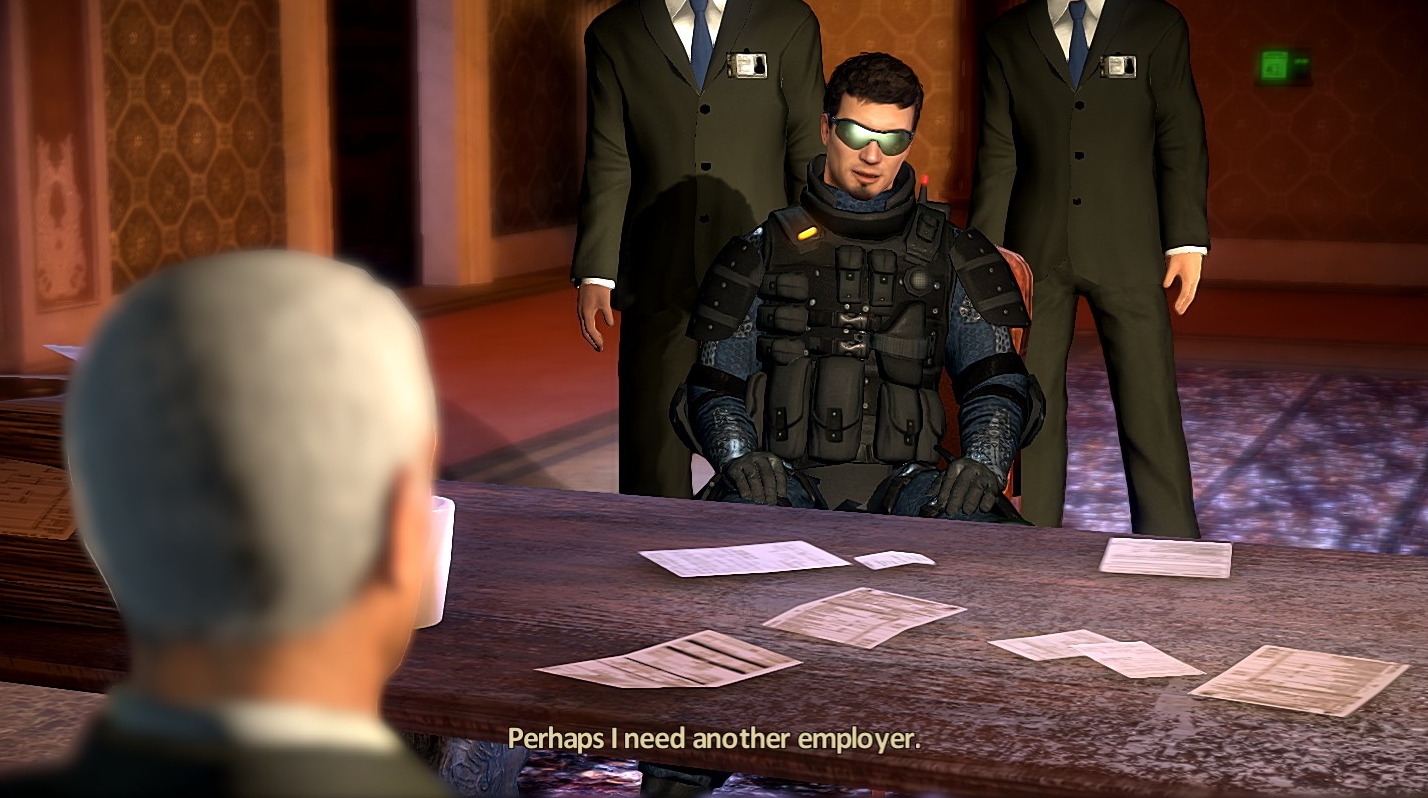
Every word you say can have consequences – and not necessarily in the next scene. Sometimes the answer given at the very beginning fires closer to the end. And it fires painfully. For example, if at the very beginning you spoke harshly to a guard about his religion, then in the future he may not just refuse to help you, but openly harm you. Somewhere he refused to spare a character – and lost the opportunity to get an important tip. But he could have saved him, used him as an ally and generally turned the mission in his favor. Alpha Protocol very harshly, but fairly punishes for inattention to details.
This approach makes the gameplay much deeper. You don’t just press the “shoot” button anymore — you weigh every decision, every emotion you speak with. This gives the dialogues a weight that most games lack. In fact, we have before us not just a set of cutscenes and missions, but a full-fledged interactive thriller, where your behavior is not just cosmetics, but the core of what is happening.
We could go on and on about how many different forks, scenarios, and consequences there are here. But it’s much more correct to experience everything yourself. Because Alpha Protocol is not a game that can be read. It must be lived.
Frankly, the spy theme always seemed distant to me: suits, agents, wiretapping — not my thing. But even with this skepticism, I couldn’t tear myself away. Because when a game has such a flexible system of consequences, when your choice really changes the plot, you begin to treat it differently. It doesn’t matter how close the topic is to you. What matters is that you get real freedom and bear responsibility for it.
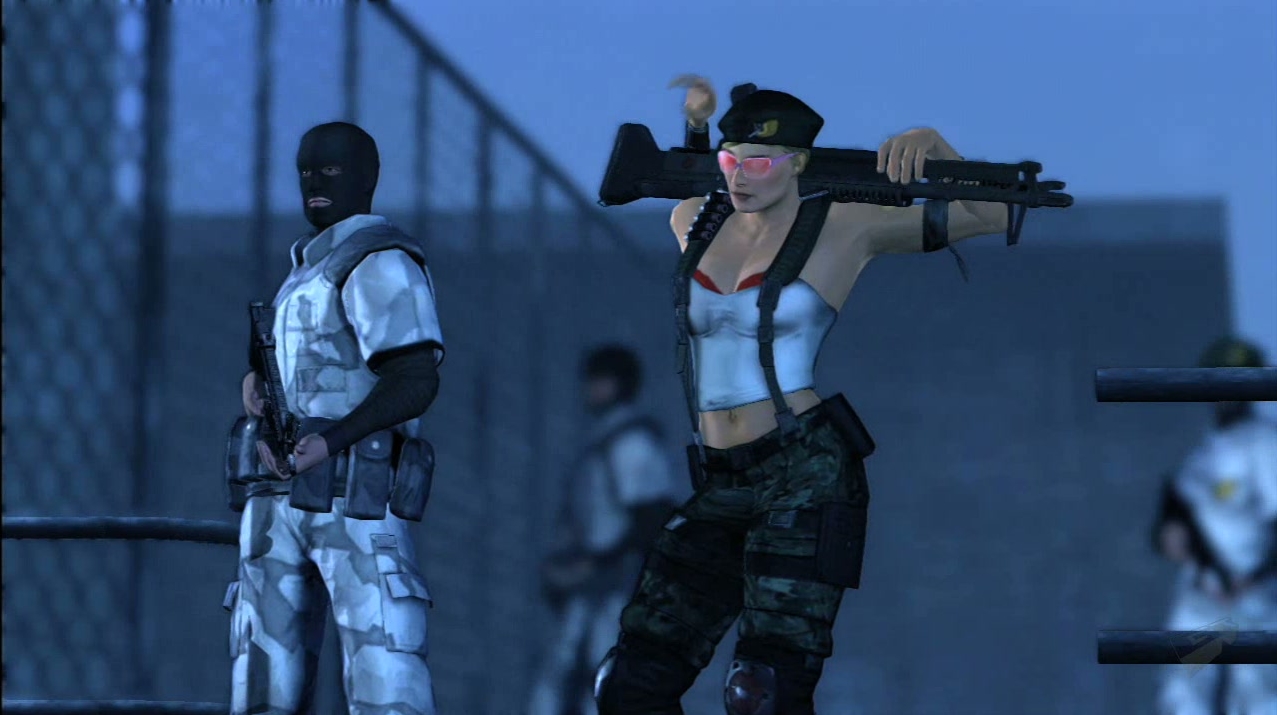
And if you remove the dialogues and the plot branching – what remains? Dynamic shootouts, stealth missions, atmospheric locations – from gloomy bases to luxurious mansions. Yes, the shooter part does not reach the level of blockbusters, but within the genre, you can feel the quality. The weapons are varied, skills affect the style of passing, and invisibility, hacking and tech gadgets allow you to solve problems in your own way – quietly, quickly or with thunder and fireworks.
Alpha Protocol is not just a game. It is an interactive story where you are not a passenger, but a helmsman. It is not perfect, yes, and sometimes uneven, but the feeling that you really influence what is happening is not found in games every day. And for this reason it is worth trying.
Why Alpha Protocol Is Disappointing: Bugs, Animations, and Level Monotony
Usually, I can’t stand it when the author immediately lays out the main conclusion – like, here’s an opinion in two lines, and you don’t need to read the rest. This is especially annoying in long texts, where after such statements, the rest of the material seems like an unnecessary appendage. But this is a different case: the article is short, we have little time, so let’s be honest, directly and without unnecessary rhetoric – to the point.
Alpha Protocol looks, to put it mildly, strange. Everyone and their dog has already spoken out about the animation – and believe me, for good reason. At first, I even thought that the critics were exaggerating: it can’t be that bad, can it? It can. And how. These are not just rough edges – these are bugs that literally jump out at you. The hero twitches like a puppet when you press several keys in a row. It’s worth switching from one direction of movement to another – and now he’s spinning in the air, as if remembering the glorious glitches from Fallout. And this is not a single glitch – there are so many of these moments in the game that it seems they could form a whole bug express with a trailer.
But what is really sad is that it is not only about the animation. Yes, the plot in the game is interesting, the dialogues are interactive, the decisions affect the course of events – all this is there. But if you put aside the narrative ambitions and look at the technical side, it becomes obvious: we have a very raw project in front of us. The visuals are boring, the levels are like a copy of the same map. There is almost no variety, and the overall impression is that the game is simply not finished.
The skill tree in the game is just a disaster wrapped in the illusion of freedom of choice. Seriously, why invest in hand-to-hand combat if all the blows are the same, like a carbon copy, and you have a machine gun in your arsenal that turns any shootout into a ten-second shooting gallery? And in general, pumping often turns out to be in vain: skills seem to be there, but there are no situations where they could be useful. Or they lose relevance immediately after learning.
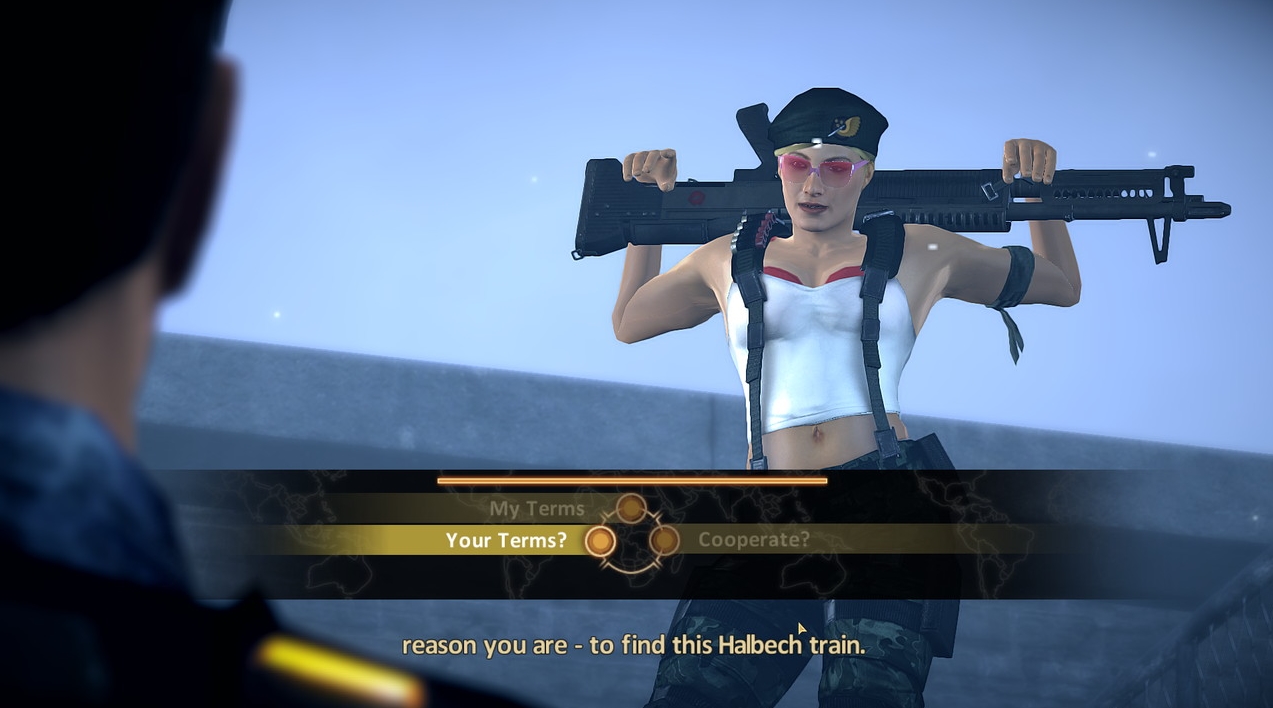
For example, I, naively hoping for stealth and a beautiful passage in the spirit of secret agents, pumped up pistols and hand-to-hand combat. And, surprisingly, I passed the game easily: headshots came one after another. But then you encounter levels where there are more enemies than frames on your monitor, and you understand that any, even the most wretched assault rifle, solves many times more effectively than all your exquisite tricks.
But the game is supposedly a stealth action game. You know, about spies, stealth, precise movements in the shadows. But in reality, do you want to get through it faster and easier? Grab a machine gun and forget about all these stealth tales. The difference in approach has practically no effect on the result – you’ll still have to kill everyone. It’s just that some will do it slowly and painfully, and some will do it quickly and with a crunch of the bolt.
And finally – about the “ingenious” hacking system, which migrated straight from gamepads. You go to the terminal – there is chaos of symbols on the screen. Among them are two codes, they do not move. You move one with the keyboard – convenient, clear. The second – only with the mouse. And it moves slowly, as if in jelly. You can’t adjust the sensitivity, and if the desired point is in the lower corner – did not have time? Start over. This is not hacking, it is a race against time in handcuffs. With simpler locks – you need to carefully hold the tongue in a certain area. You’ll probably sweat on a gamepad. But on a mouse, it’s a piece of cake. PC gamers are once again ahead of the rest of the world: top hackers, champions of pixel hits.
Is Alpha Protocol Worth Playing in 2025?
Why was the Alpha Protocol review late? There is a reason, and it is not a banal lack of time. It’s just that this game made me think – not so much about the gameplay, but about more serious things. A little later – perhaps in the fall – I will definitely tell you more. So stay in touch. (Yes, that was a deliberately mysterious multi-point pause.)
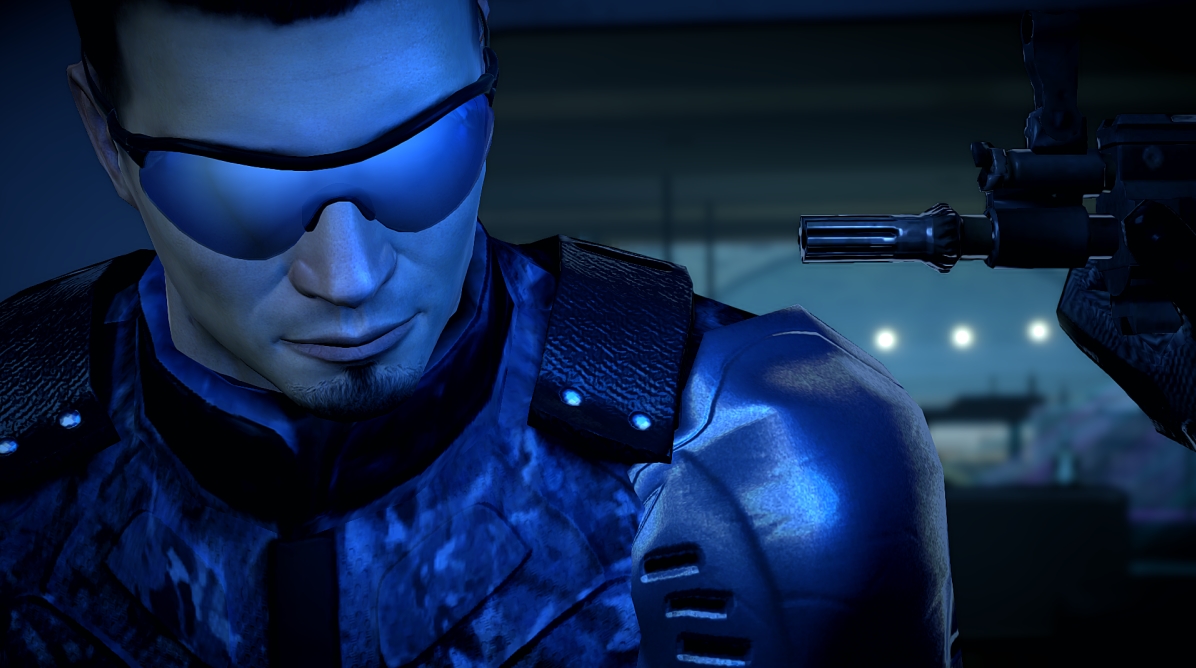
Now to business. Alpha Protocol still gets a “Commendable” from me – first of all, for the boldness of the plot and the flexibility of the dialogues. In this regard, it can really surprise. But the gameplay itself… well, let’s be honest, it leaves much to be desired. Too many rough edges to simply enjoy the process.
What pleased:
-
Branched dialogues and variability of developments
-
The ability to influence the plot and environment
-
Unusual spy atmosphere with a touch of conspiracy
What upset:
-
Weak, poorly developed plot
-
Inconvenient camera, interfering with orientation
-
Frequent bugs and technical flaws
-
Dull level design
-
Characters that lack life and depth
Alpha Protocol System Requirements
System Specs for Alpha Protocol
How to play Alpha Protocol for free on Steam via VpeSports
What if every choice you made could tip the balance of power across the globe? In Alpha Protocol, you won’t just pull the trigger — you’ll shape the entire story. Become Michael Thorton, a skilled operative drawn into a tangled web of political intrigue, covert alliances, and betrayal. The world doesn’t know your name — and that’s exactly how it should be.
We’ve taken care of the hard part so you can focus on what really matters: making your mark in the field. No confusing installers or shady downloads. Just a clean setup, quick login — and the game is ready to run. Whether you’re sabotaging arms deals in Moscow or negotiating with warlords in the Middle East, your mission begins fast and smooth.
And here’s the twist — you can experience the full game thanks to a free Steam account, already configured for instant access. It’s your entry ticket into the world of espionage — no strings attached.
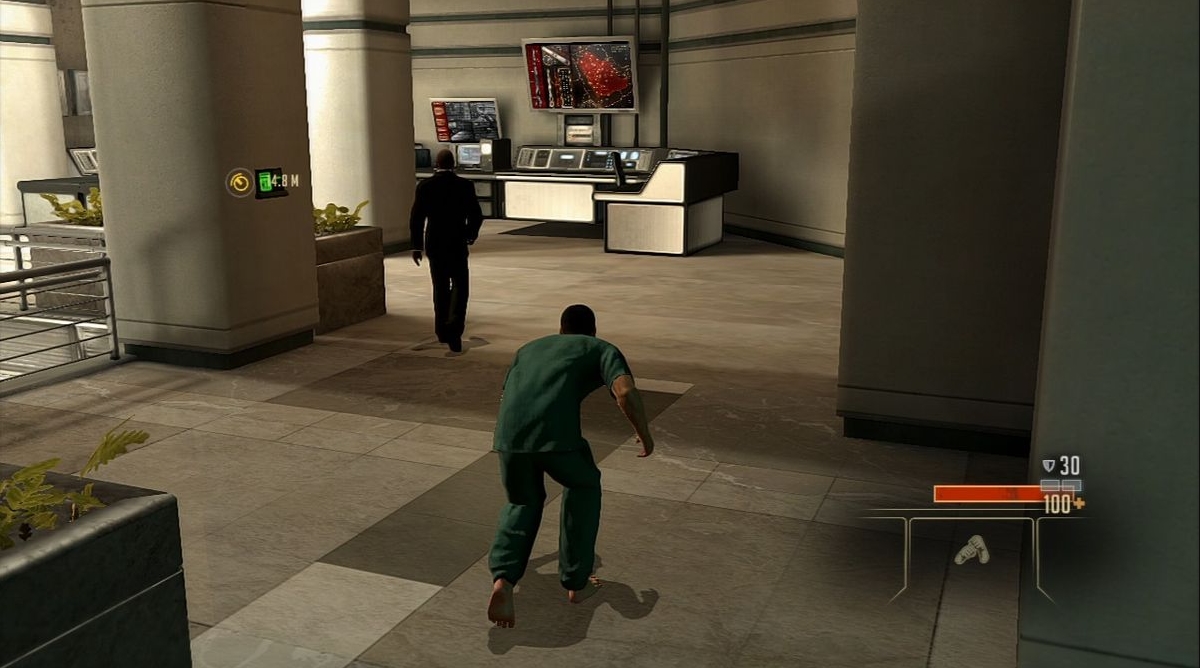
When your operation ends, don’t disappear just yet. Drop us a review. Every comment is reviewed to keep things real, and if you need to tweak it, no problem — we’ll guide you. After approval, you’ll receive everything you need via email.
Want more? Our Telegram channel is your direct line to new account drops, game updates, secret deals, and player chats. If you hit a snag or need guidance, check the “How to play for free” section — or message us directly. We’ll be there, just like a good handler should.