

After a wave of high-profile and expensive remakes of Resident Evil and Final Fantasy VII, the very idea of rethinking classics began to be perceived differently. The bar of expectations has increased dramatically: players have become accustomed to large-scale visual upgrades, redesigned mechanics and an almost cinematic scale. In such a reality, a more restrained, chamber approach risks being misunderstood — especially among the audience, who expect a remake primarily to have a technological wow effect, rather than fine work with atmosphere and narrative.
That is why the path chosen by Frogwares Studio initially looked risky. In the Sherlock Holmes remake: The Awakened developers abandoned the head-on race for scale and instead focused on the content: psychological tension, the dark tone of the narrative and a more mature interpretation of Lovecraftian motifs. This approach requires the player to be involved and pay attention to details, but it is precisely due to this that the game finds its own face and does not disappear into the shadow of more expensive projects.
As a result, Frogwares took a really difficult route — not to copy successful formulas, but to carefully adapt the original to modern expectations, while preserving its identity. The updated gameplay, redesigned plot presentation and enhanced atmosphere make the remake not just a nostalgic return, but an independent detective experience. And even if this format is not designed for mass approval, within the framework of the chosen concept, the studio coped with the task confidently and meaningfully.
Table of Contents
Sherlock Holmes The Awakened Free Steam Account
The original project, released in 2007 and known to us as Sherlock Holmes: The Awakened (“Sherlock Holmes and the Secret of Cthulhu”) has become not just another release for Frogwares, but a real turning point. It was with this game that the series about the detective investigations of the legendary detective from Baker Street began to move away from the narrow genre framework and look for its own, more mature language. Against the background of the previous parts — Mystery of the Mummy and Secret of the Silver Earring, made in the spirit of classic point & click quests, such a step looked bold and even risky.
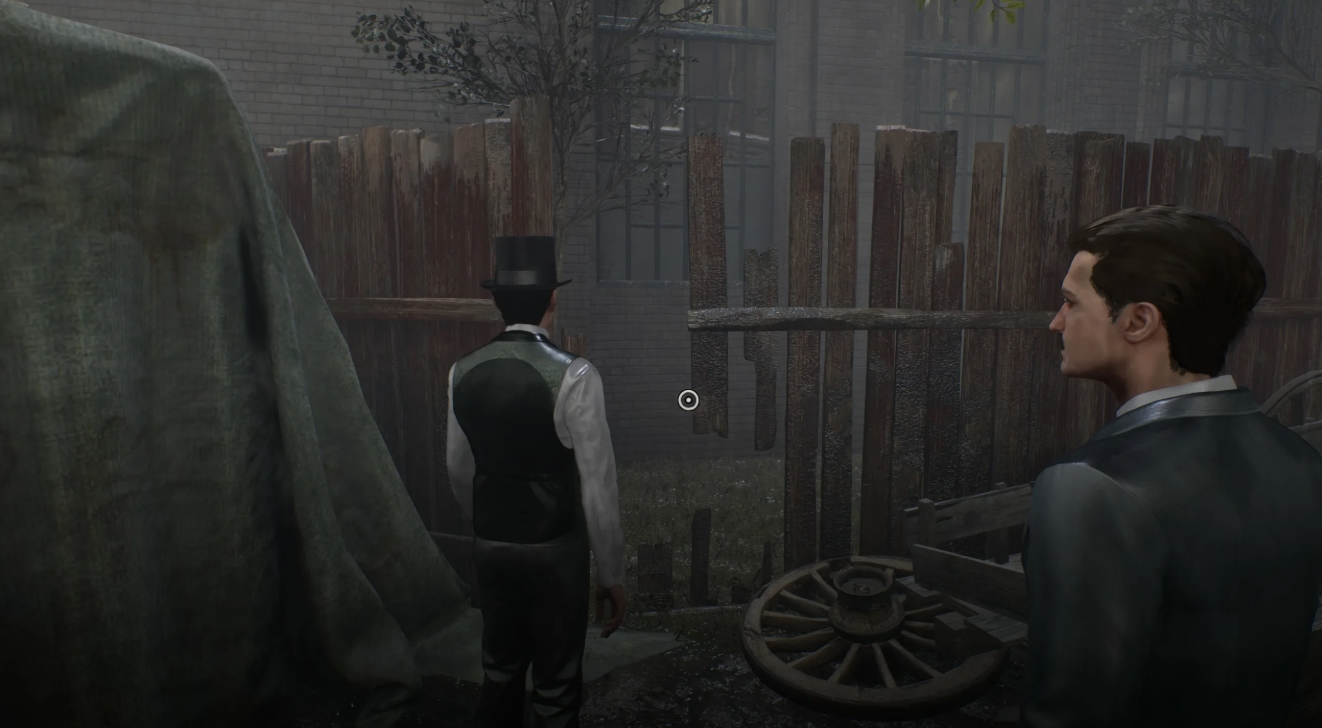
“The Secret of Cthulhu” offered a fundamentally different format, which later became the foundation of the entire series and found development in The Sinking City. The developers switched to a full-fledged 3D space, changed the management towards an action-oriented scheme and relied on the free exploration of locations. The player was allowed not just to solve puzzles, but to literally live the investigation, wandering around the docks of London, exploring the gloomy streets of New Orleans and plunging into the atmosphere of increasing madness.
Additional dynamics were brought by action elements that were previously uncharacteristic for the series. Chasing pickpockets through urban neighborhoods, tense episodes in the swamps of Louisiana, where you have to shoot back from animated bodies, distracting predators — all this increased the pace and expanded the gameplay range. As a result, the game stopped being just a detective quest and turned into a hybrid adventure where investigation, atmosphere and action work as a whole.
Build your dream Steam library with a free steam account – it’s that easy!
From Remaster to Remake: Key Plot and Character Changes in The Awakened
In 2008, Sherlock Holmes: The Awakened has already received an updated remaster version with tightened graphics, the ability to switch to a third—person view, and a friendlier hint system. At the time, it seemed like a logical step for its time. However, a decade and a half later, Frogwares returned to this material with a different scale of thinking, presenting not a cosmetic update, but a full-fledged remake, reassembled according to modern standards of storytelling and game design.
At the same time, the plot base remained recognizable. Investigating mysterious disappearances in foggy London, Sherlock Holmes and Dr. Watson are on the trail of a frightening cult associated with ancient evil. The player continues to explore the port areas of the capital, then is transported to a Swiss hospital with a frighteningly totalitarian atmosphere, and later to the streets of New Orleans and the viscous swamps of Louisiana. These locations have been preserved, but now they are perceived differently due to the new presentation, lighting and a denser atmosphere.
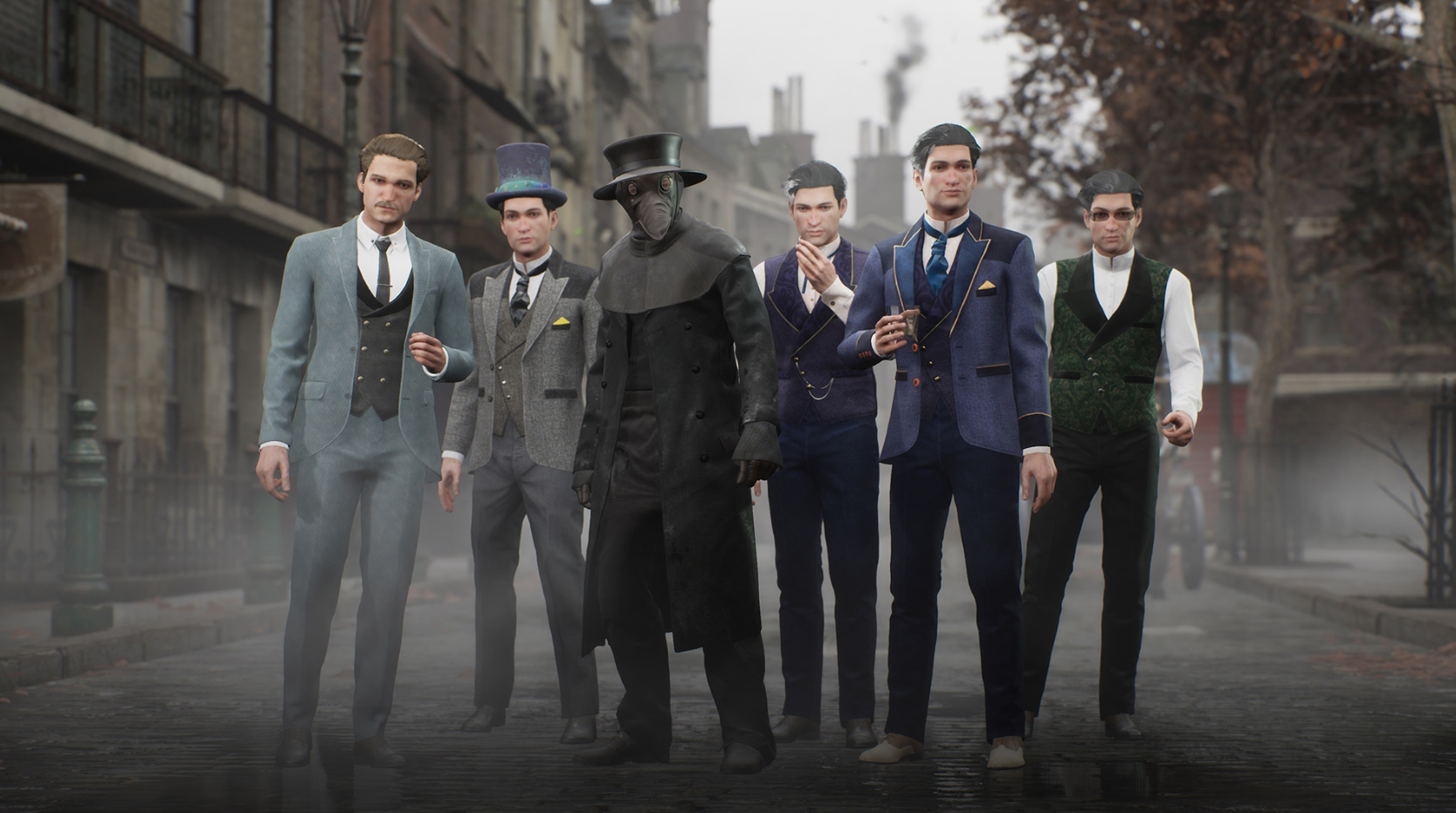
The key changes are in the details and characters. The main one is the image of Holmes himself. In the remake, this is no longer the tired detective from the original, but a young, still emerging detective familiar to players from Sherlock Holmes: Chapter One. Dr. Watson has also become noticeably younger, and this is not about simply replacing character models, but about revising their psychological profile and interaction dynamics.
The new Holmes behaves more sharply and emotionally: there is more irony and pretentiousness in his remarks, and his inner state increasingly betrays instability. Reddened eyes, strange visions and episodes where the line between reality and illusion is blurred, gradually bring the hero to a dangerous line. He’s teetering on the edge of insanity, and it’s this tension that makes the final scenes of the story so much stronger and more disturbing.
Watson also reveals himself more deeply in the remake. He ceases to be just a voice of reason and turns into a living person with his injuries and fears. In one of the dialogues, the doctor tearfully confesses to cowardice in the war, and at that moment the roles change — Holmes already supports his friend. In other situations, Watson himself comes to the rescue, whether it’s moral support or participation in fights. This makes their relationship look bigger, more human, and more emotionally convincing than ever before.
How Side Quests and Living NPCs Enhance The Awakened’s Atmosphere
In the Sherlock Holmes remake: The Awakened’s attention to detail noticeably extends to secondary characters — they have been made not just background figures, but a full-fledged part of a living, breathing world. Where in the original everything was limited to a short visit to the bookseller Barnes for the necessary information, now a separate case is unfolding. We look at him suspiciously at first, then gradually get involved in his personal story and even help him figure out his love problems. During subsequent meetings, the attitude towards the character changes: he already evokes sympathy and feels like a person, not a mechanic.
A similar transformation is noticeable in other episodes. The girl Gerda from the Swiss hospital in the original version was just talking to her doll Heidi, creating a strange but rather neutral impression. In the remake, the scene is much more disturbing: now the doll itself “speaks”, as if acting as a ventriloquist. This technique increases the psychological tension and emphasizes the gloomy tone of what is happening, without interfering directly with the plot, but making it emotionally thicker.
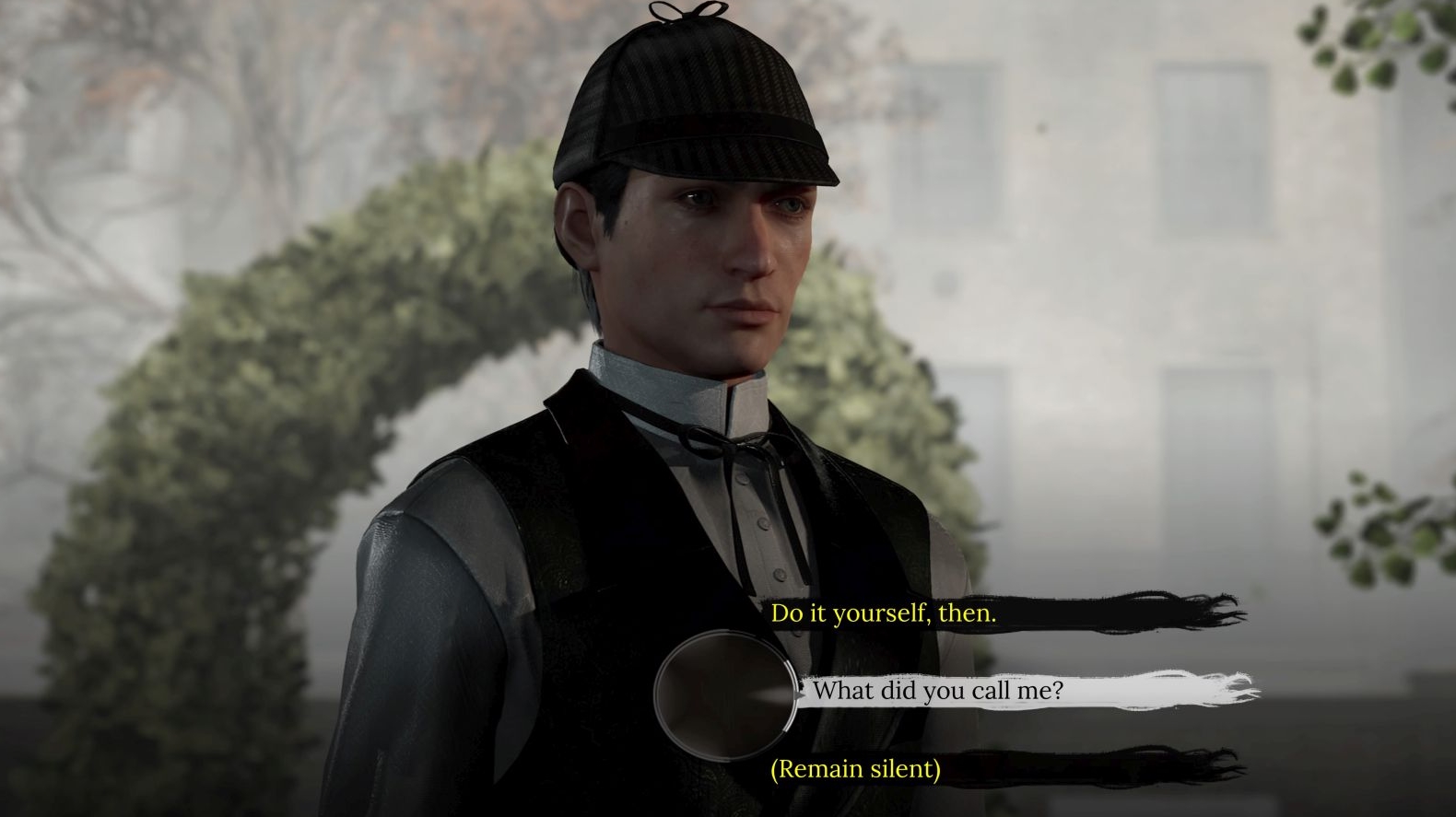
To summarize, it is in the nuances that the remake wins — many changes do not immediately catch the eye, but gradually work to the depths of the world:
-
redesigned supporting characters with personal stories and motivation;
-
changed biographical details, including the gender or cause of death of individual characters;
-
a more sinister presentation of scenes, enhancing the atmosphere and feeling of anxiety;
-
additional plot touches that do not affect the main line, but expand the context.
These edits do not break the structure of the original, but they make the narrative more complete and plausible. The world ceases to feel like a set of decorations and begins to work as a single space where every little thing matters.
The same principle is evident in the design of locations. Back in the days of Sherlock Holmes: Chapter One, the developers from Frogwares talked about the desire to create more lively and saturated worlds — and in the Awakened remake this is felt especially clearly. Spaces have become wider, visually richer, and filled with micro-stories that are told without words.
Even an ordinary jog through the London slums can unexpectedly turn into a separate investigation. Off to the side of the main route, you can see immigrants digging by the water in search of at least some kind of income. Later it turns out that one of them was poisoned by an unknown substance that got into the river. The player is free to pass by or delve into a side business and expose a local chemical company — the irony of the situation is obvious. There are a lot of such optional but atmospheric things in the remake.
In some cases, the game even offers a moral choice. Although Awakened is inferior to the studio’s later projects in terms of the number of such situations, this is quite enough for a remake of a quest from sixteen years ago. The main thing is that these solutions are organically woven into the world, enhance the atmosphere and make the investigation not only intellectual, but also emotionally involving.
Gameplay and mechanics of the Sherlock Holmes: The Awakened remake
From a gameplay perspective, the changes in the remake look logical and largely expected. Despite the fact that the original still offered full 3D, action-oriented controls, free exploration of large locations and rudimentary combat episodes, it remained essentially a classic quest. It was based on the collection of objects, the combination of inventory and the “manual” work with objects characteristic of the genre, which today is perceived more as a legacy of a bygone era.
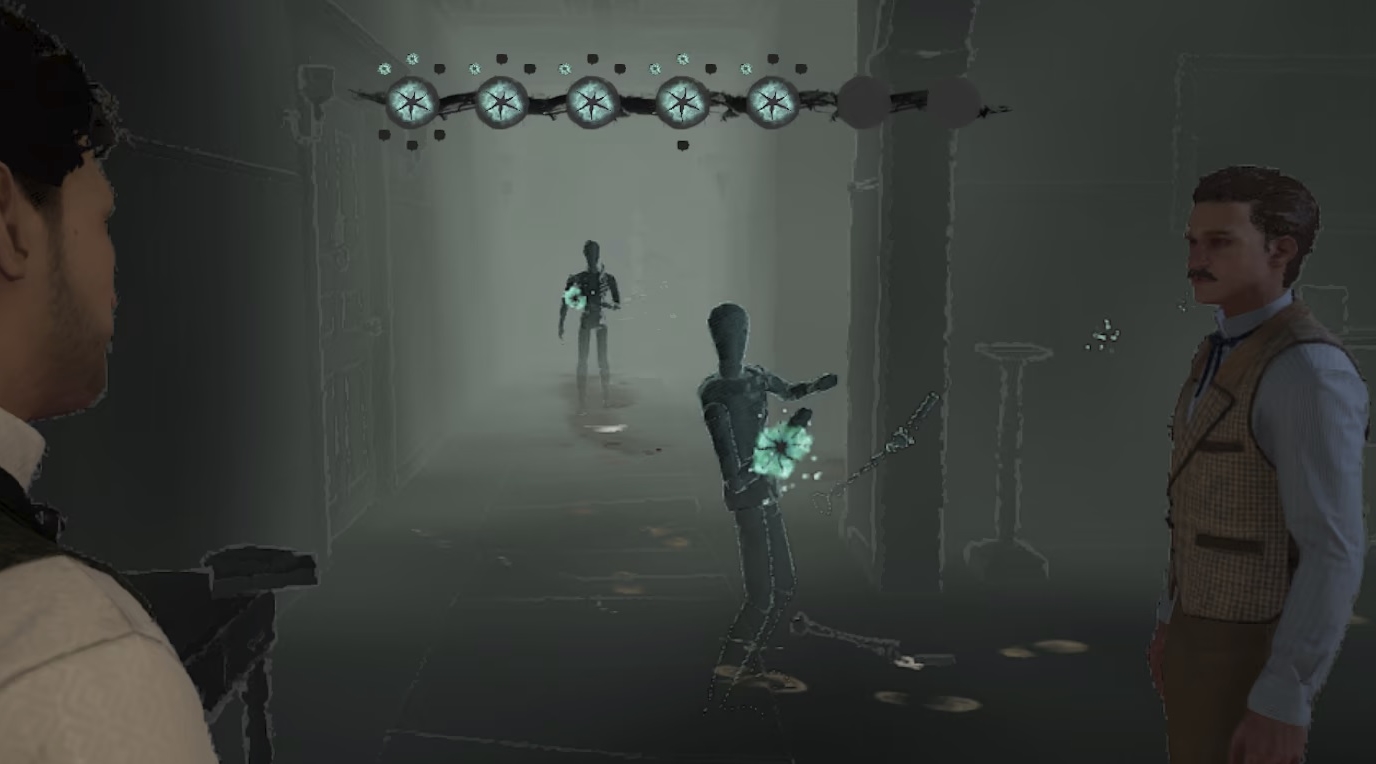
In the Sherlock Holmes remake: The Awakened developers deliberately rely on the mechanics of later games in the series. They abandoned the classic inventory and tedious laboratory routine, where previously they had to manually determine the chemical composition of substances or study microscopic evidence. Instead, the focus shifted from object manipulation to information analysis and deductive reasoning.
As a result, the investigation process itself has become noticeably cleaner and more structured, and the key gameplay accents look like this:
-
logical analysis of evidence and testimony instead of combining objects;
-
the active use of the halls of reason to build cause-and-effect relationships;
-
interrogations based on specific evidence and facts;
-
minimizing archaic puzzles in favor of conclusions and inferences.
The central tool is the palaces of the mind, a space where the player connects objects, evidence, and observations into logical chains, answering specific investigative questions. It is often necessary to choose the necessary evidence in advance and already have a conversation with the characters with it, directing the dialogue in the right direction. This approach enhances the sense of intellectual work and emphasizes Holmes’ role as an analyst, rather than a “storekeeper” with a bottomless inventory.
The process of examining the environment has also changed. Now we scan active areas or turn on the special vision mode, allowing Holmes to notice details that an ordinary person would simply ignore. Traces, small objects, and even small things like scattered chewing tobacco instantly turn into logical conclusions.: who was here, how long he waited, and what he was doing. Deduction works quickly and clearly, without breaking the pace of the narrative.
The Imagination system, which is responsible for reconstructing events, also remained in place. However, even here the game does not provide ready-made answers. The player determines the sequence of events himself — whether the hostage tried to free himself on his own or whether the kidnappers cut the rope. A mistake is possible, and that’s what adds tension and engagement.
Working with archives plays a separate role. After setting the search parameters, we study the documents and records, extracting the necessary information. Investigations culminate in face-to-face confrontations with key characters, when, based on the evidence gathered, they can be caught in a lie or forced to reveal the truth. This format is noticeably more interesting and dramatic than the mechanical dragging of large objects around locations.
Of course, fans of the old quests may notice that there are almost no complex multi-stage puzzles in the remake. An illustrative example is the secret entrance to a warehouse in the port of London: if earlier Holmes carried out a whole operation with a hook and a boiler, now he simply finds the missing part of the mechanism and activates it. The solution has become easier, but the logic of what is happening does not suffer.
Even lock picking has changed and now resembles a mini-game in the spirit of The Elder Scrolls V: Skyrim, which you can skip if you wish. This highlights the general vector of the remake: the developers abandoned archaic quest exercises and relied on thinking and deduction.
At the same time, the game has not lost its variety. Traps and new types of puzzles appeared in Holmes’ visions, including problems with optical illusions. The action elements have become more distinct and demanding: Watson has to really aim and shoot, for example, at a body hanging over crocodiles, and the sight noticeably “floats”. Even controlling the boat feels full-fledged, not formal.
Finally, Dr. Watson got significantly more playing time. In some episodes, he almost independently conducts investigations, interviews witnesses and examines crime scenes. This not only diversifies the gameplay, but also enhances the character duo, making the detective story more lively and multi-layered.
The Pros and Cons of the Sherlock Holmes: The Awakened Remake
Frogwares Studio approached the remake with a rare industry sense of proportion and understanding of its own audience. Sherlock Holmes: The Awakened is not trying to impress with scale for the sake of scale — instead, the developers have carefully updated outdated game solutions, replacing them with more modern and relevant mechanics that have already been tested in later projects of the series. At the same time, the main focus was not on form, but on content: the world, the plot, and the characters, who became noticeably more alive, deeper, and more human.
The story is perceived as more complete due to the multitude of small touches, and the characters are not as gameplay functions, but as individuals with their own fears, doubts and emotions. The spacious outdoor locations no longer look like decorations: they are filled with details, visual context, and events that enhance the atmosphere of the investigation. The gameplay fits seamlessly into this structure, focusing on deduction, evidence analysis, and dialogues rather than archaic quest conventions.
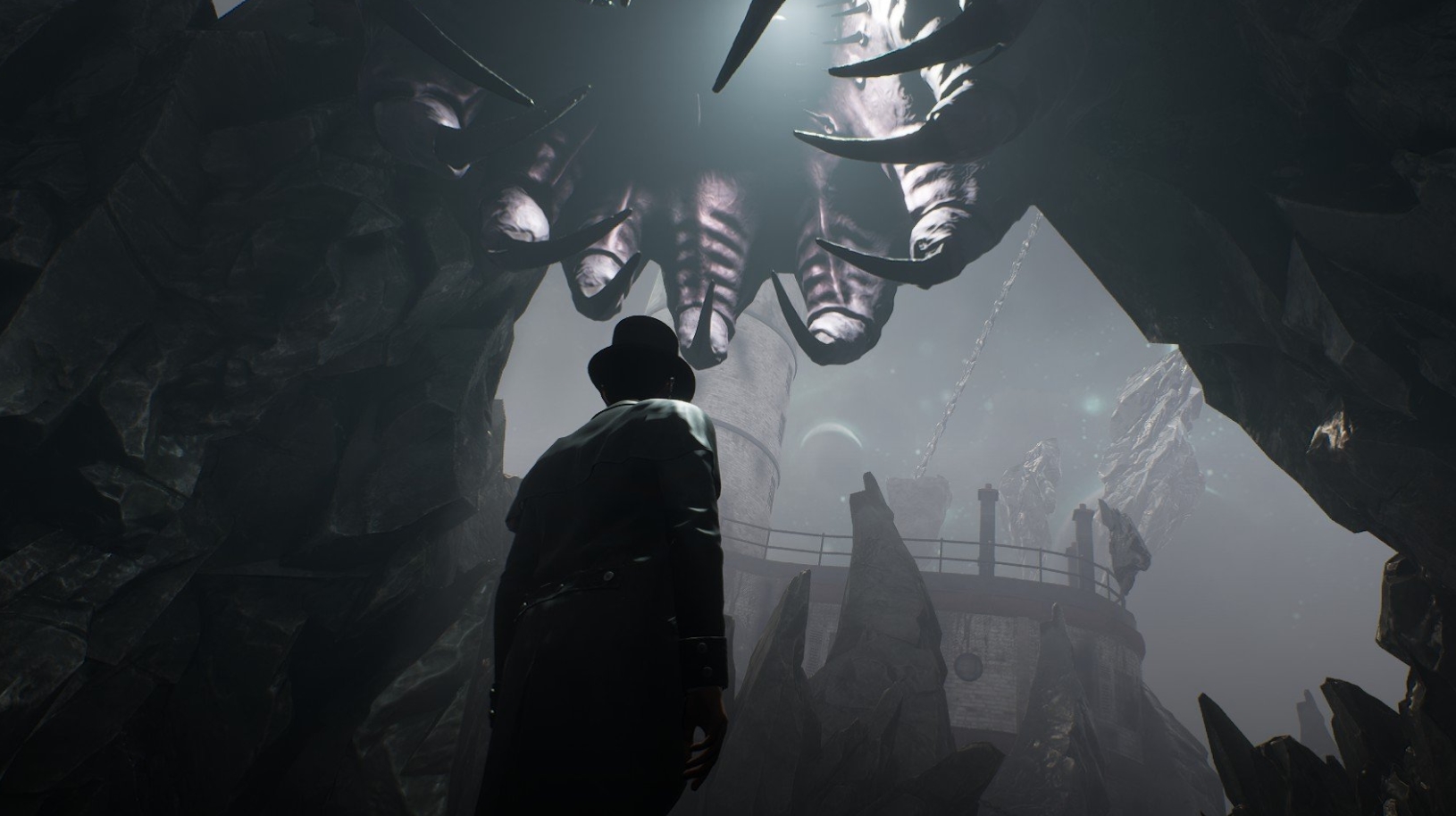
The remake confidently follows the modern standards of the genre, but at the same time retains the recognizable style of Frogwares. The updated graphics emphasize the gloomy tone of the narrative, and the expressive, truly “English” voice acting of the main characters adds character and drama to the scenes. For fans of this particular adventure format — thoughtful, atmospheric, and story—driven – the new version of The Awakened looks like a must-see.
The strengths and weaknesses of the remake can be summarized as follows:
-
a rich plot with lots of vivid details and nuances in the characters’ characters;
-
more spacious and detailed outdoor locations;
-
game mechanics relevant to the series, with an emphasis on deduction and investigation;
-
modern visual presentation and expressive voice acting;
-
At the same time, the game lacks scale in some places, it is relatively short by the standards of the series and could offer more side tasks and situations of moral choice.
As a result, The Awakened is almost a reference example of how to update classics without losing identity. Yes, the remake does not seek to become the largest project in the line, but it honestly and carefully brings the original idea to the level that is expected of it today.
Sherlock Holmes The Awakened System Requirements
Sherlock Holmes: The Awakened – PC
How to play Sherlock Holmes The Awakened for free on Steam via VpeSports
There are times when you don’t want action and loud explosions — you want silence, anxiety, and the feeling that something frightening is hiding behind simple things. Sherlock Holmes The Awakened is exactly the case. This game is not about cozy deductive riddles by the fireplace, but about inner cold, doubts and fear of the unknown. Sherlock is not an all-powerful genius here, but a man who, step by step, plunges into the abyss of strange cults, forbidden knowledge and ideas that make him uncomfortable. Gloomy locations, oppressive atmosphere and a sense of impending madness make each investigation personal and truly intense. And the most amazing thing is that you can go through this story for free.
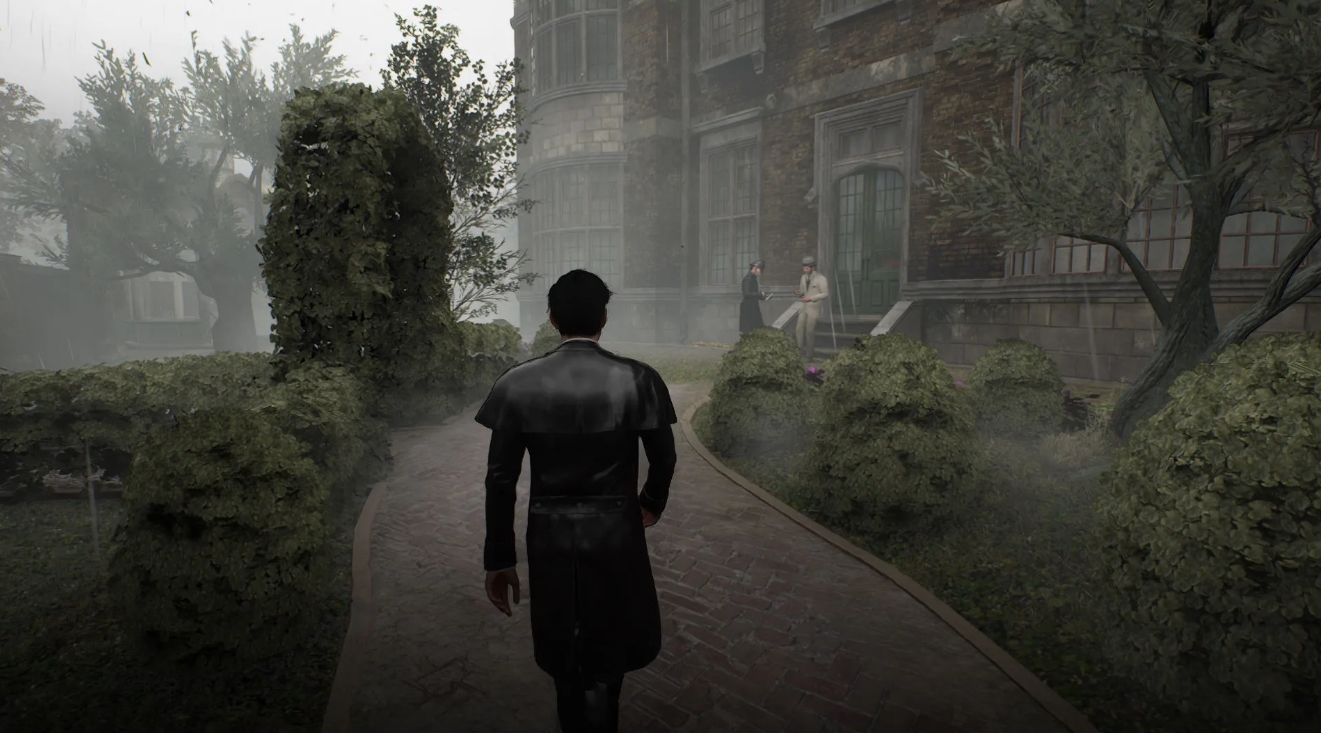
We have done everything so that nothing prevents you from immediately entering the game and focusing on the plot. No confusion and unnecessary actions: you register on the website, log in to your account, return to the top of the page and click GET AN ACCOUNT. Then everything is intuitive — a few steps, and you already have access to the game. Minimum formalities, maximum immersion.
If you want to keep up to date with everything that is happening around the game and feel like a part of a living community, check out our Telegram channel. There are not dry announcements, but real people: discussions, news, updates, new accounts, and theories that sometimes give you goosebumps. And if something raises questions or difficulties, you can always refer to the detailed guide or write to us directly in the chat. We don’t get lost and are always ready to help — because in such a grim investigation, support definitely won’t hurt.