

Tower of Babel: Survivors Of Chaos is not just a single-player action-RPG from NANOO studio, but a real challenge for those who like the feeling of constant tension and struggle for every meter of the way. Here you climb a gloomy, as if living tower, where monsters are hiding around every corner, and each new floor poses a fresh challenge to your ability to survive.
The creators were clearly inspired by the rapid pace of hack-and-slash games like Vampire Survivors and the signature dark atmosphere of Diablo, but they were able to assemble their features into their own, surprisingly recognizable style. Instead of deja vu, you get a game that breathes independence and offers its own pace, its own mood, its own dynamics.
The most interesting thing is the feeling of complete unpredictable chaos. Procedural level generation, random loot, different types of enemies, and unexpected skill combinations make each climb unique. You can enter the game for just “one attempt” and end up stuck there for an hour, because character development, the search for rare items and the growing excitement do not allow you to stop. This is the rare case when each entry feels like a separate adventure — with its own risks, discoveries and small victories.
Table of Contents
Tower of Babel: Survivors Of Chaos Free Steam Account
The plot of Tower of Babel: Survivors Of Chaos is particularly acutely perceived not because of the global catastrophe, but because of how it affects the people who remain on this side of the ruins. The world didn’t split instantly—it cracked gradually, like a porcelain cup that had been held aloft for too long. People believed to the last that the tower would become a symbol of progress, that it would bring them closer to the mysteries of the universe. But when the first rift screamed over the city, it became clear: instead of knowledge, they had discovered an abyss, indifferent and cold.
Plot of Tower of Babel: Survivors Of Chaos
At the center of the story is a man who himself is not sure what else is considered human. The survivors are “marked by chaos” against their will: their memories break off like torn films; they see things that are not there; they hear the names of people they have never met. And all this is in an attempt to hold on to the last thread bridge to reality. At first, the hero is even afraid to talk about how he feels. Sometimes, in the diaries he found, there are records of other survivors: someone writes in trembling handwriting about how he lost the ability to recognize the faces of loved ones, someone admits that the chaos gave him a strange calmness that he did not know before. These personal details create a sense of a living world where every fate is a small tragedy that has dissolved into a common disaster.
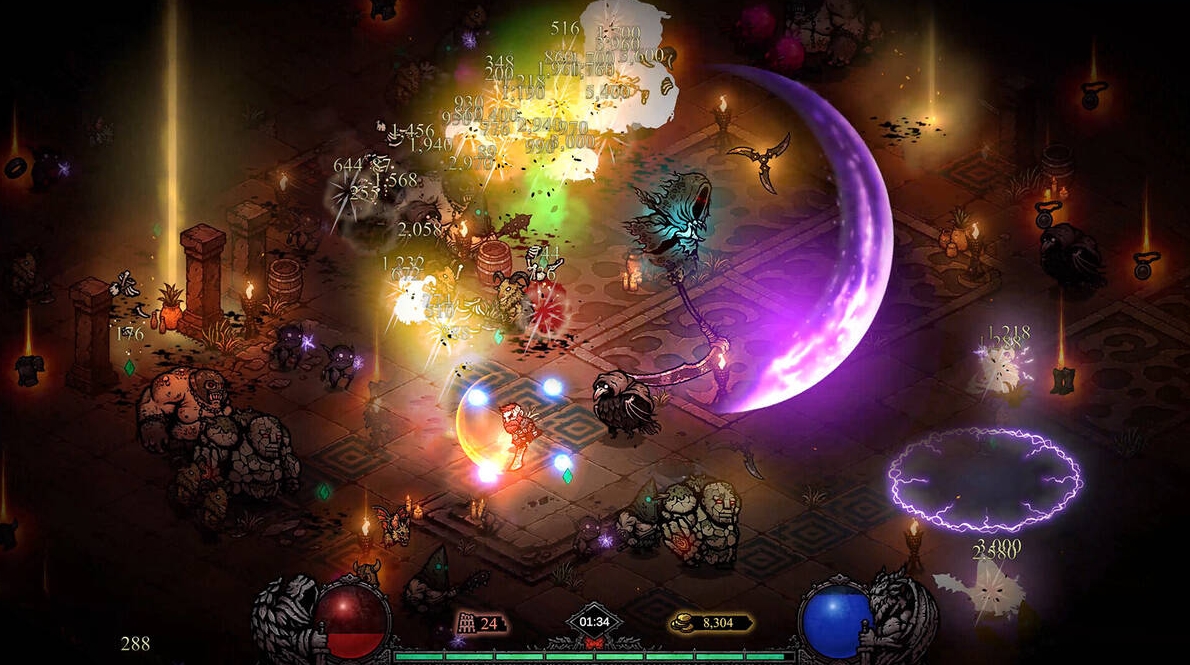
The tower that destroyed the world feels almost like a living character here. Its distorted corridors seem to echo those who built it with faith in a bright future. And every time the player encounters another fragment of the past — a photograph of the researcher’s family, a voice recording where a person heard a child laugh for the first time in a long time — it becomes clear that the main loss is not in the destroyed buildings, but in the stolen everyday life. The fact that the world has lost the opportunity to wake up in the morning, make coffee, go to work, just live.
The plot gently but relentlessly raises the issue of responsibility — not only for global decisions, but also for small human weaknesses. Those who built the tower were motivated by pride, but their letters also contain a desperate hope to make life better. Those who survived are driven by fear, but also by the ability to love what’s left. It is these nuances that make the story sound truly human: there are no perfect heroes here, only people trying to hold on to their selves in the face of universal disintegration.
The final choice turns into a mirror: the hero does not look at the world, but at himself. Does he want to restore the past, which is no longer there, or allow the world to heal in its own way, even at the cost of abandoning the usual order? And at that moment, the plot ceases to be fiction — it becomes a confession about how difficult it is for a person to admit his own mistakes and still take a step forward.
All your favorite titles, unlocked via free steam accounts with games.
Tower of Babel: Survivors of Chaos gameplay
The gameplay of Tower of Babel: Survivors Of Chaos feels not like a set of mechanics, but like an attempt to survive in a world that keeps trying to slip out from under your feet. The first few minutes in the game are like stepping into the dark: the hero has almost nothing but a faint hope and a couple of tired movements, and reality itself pulsates around him like a living being. Locations are changing right before our eyes — now they stretch a narrow bridge of salvation, then they collapse, as if they have changed their minds about existing. This instability is not annoying, but, on the contrary, creates a feeling of fragility that accompanies the entire gameplay.
Each fight resembles a desperate impromptu dance with death. The opponents here are not just a set of models — everyone has their own strange habits, their own rhythms of chaos. Sometimes they seem to be watching the player, choosing when to strike. And sometimes they rush forward like animals, devoid of reason, but not danger. The hero has a choice: act cautiously or take risks using the abilities of chaos energy. These skills are beautiful, almost hypnotic, but there is a price behind the beauty: using force can disrupt the fabric of space, and then the room itself will “shake”, changing everything around. This moment always takes your breath away — as if you are playing not only against enemies, but also against reality itself.
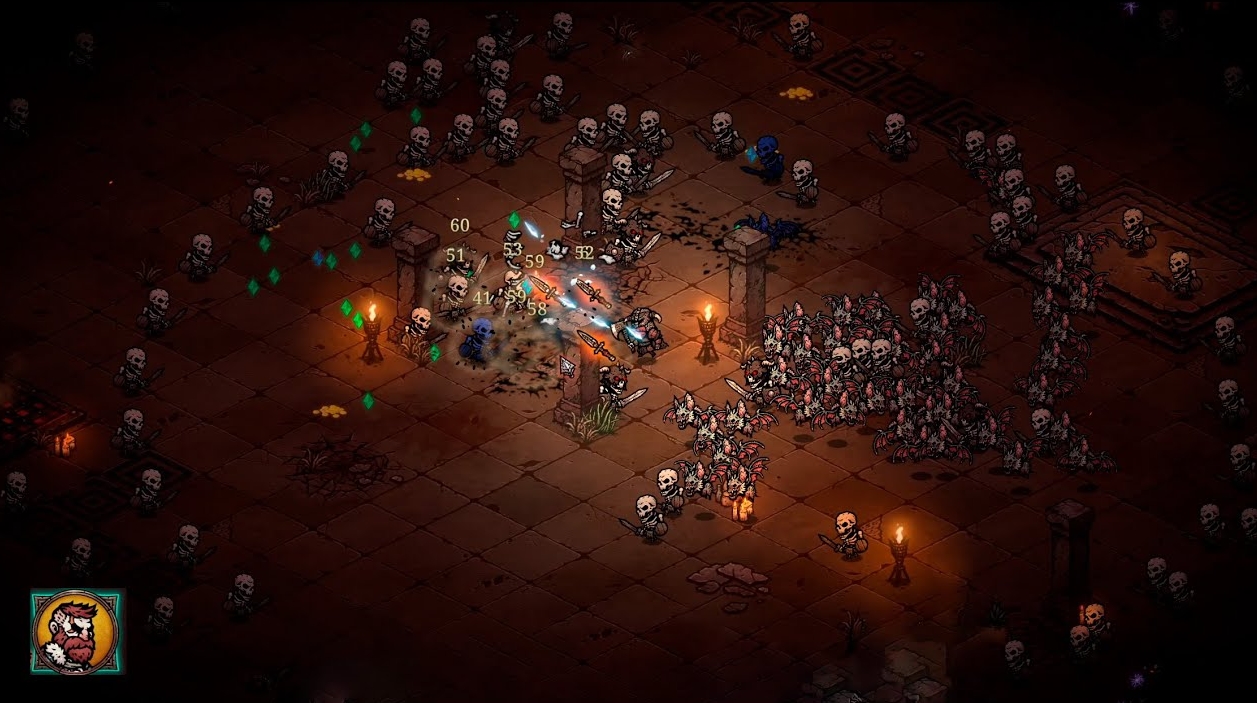
Exploring the tower turns into a personal journey, where every corner is a small chance to either die or find something truly valuable. The levels don’t repeat themselves, and sometimes it seems that the tower adjusts to the mood of the hero: when you’re sure, it gets more complicated; when you’re scared, it suddenly throws up a ray of light. Sometimes there are rare “respite” rooms along the way, where you can hear echoes of the past world or find someone’s notes – such small touches make the study emotional, almost intimate.
The collected trophies also affect not only the stats, but also the perception of the hero. Among the finds there are:
-
artifacts that change the style of the game and unlock unexpected synergies;
-
genomodifications that feel like interference with the very nature of the character;
-
temporary boosts that give a feeling of brief but much-needed power;
-
fragments of history that remind you that you are here not just for the sake of victory, but for the sake of understanding the destroyed world.
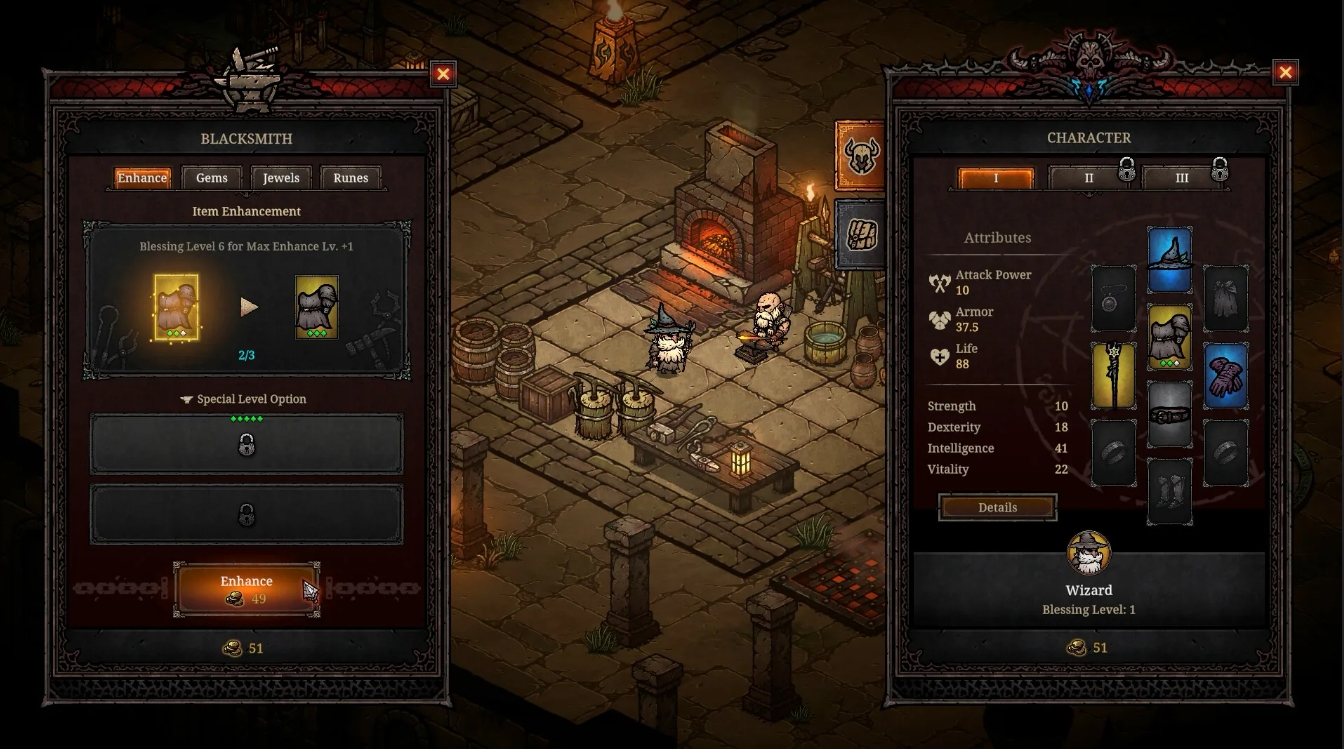
The progression system doesn’t push — it seems to push forward, gently, in a human way. Each return to the shelter feels like a breath of air: here the hero can take a break, sort through the items he has found, and think about the next step. And at some point you start to feel that the world itself is reacting to the player’s decisions. The chaos recedes and intensifies, as if it listens and absorbs every action.
The gameplay holds not only tension, but also emotions. Sometimes you open the door and find yourself smiling, just because you’re ready for a new challenge. And sometimes you stop in front of a rift, feeling fear and respect for a world that lives by its own laws. And it’s this combination of humanity and chaotic beauty that makes Tower of Babel: Survivors Of Chaos surprisingly catchy: the game not only challenges, but also makes you feel like you live in her world with her.
Tower of Babel: Survivors Of Chaos System Requirements
How to play Tower of Babel: Survivors Of Chaos for free on Steam via VpeSports
There are games that you don’t just launch — you enter them as if into another world. Tower of Babel: Survivors Of Chaos is exactly like that. Once at the foot of a collapsed Tower, you feel the silence inside it literally breathing — as if the structure itself is watching you, checking if you are ready to take the first step. There are no familiar rules, there is no clear path: each floor lives its own life, changes before our eyes and challenges those who have ventured higher.
And the most amazing thing is that to get there, you don’t need any hours of preparation, or any technical dancing with a tambourine. We tried to make it easy for you to get started: you quickly registered, logged into your account, and now the game is waiting, neatly laid out in steps, with all the tips, including free Steam access. At some point, you even find yourself smiling: usually everything is more complicated, but here it’s as if someone has specially cleared the way for you so that you can just start your little adventure in the big chaos.
When you get back out, a little tired, but in a good way — like after a long, eventful walk — tell us how you saw this world. We read every opinion because it’s important to us who’s on the other side of the screen. Sometimes the review does not appear immediately — it’s okay, moderation just carefully checks the text. Just a little touch—up and everything will fall into place. After confirmation, an email with the data will arrive in your mail as a small reminder of the journey you’ve made.
If you want to stay closer to the events, catch updates first and just feel like a part of the live environment of the players, be sure to check out our Telegram. There’s always something going on: fresh accounts, discussions, news, little insights shared by equally passionate people. And if you suddenly get confused or face difficulties, know that there is a section “How to play for free — The Complete Guide“, where everything is sorted out in a human way, without unnecessary dryness. And, of course, we are always ready to answer you in the chat — sometimes just one question is enough to make everything much easier.