Dota 2 features a unique Overwatch system that empowers players to evaluate the behavior of other players in matches. This mechanic relies on the community’s opinion, not the developers’. Therefore, it’s helpful for every player to understand how to join the Overwatch and the criteria for limiting complaints.
Overwatch was created to attract experienced players who have long-standing knowledge of the game and a high MMR, allowing them to analyze controversial situations in games. The introduction of high-quality aura protection in Dota 2 has ensured more open and fair interactions between users.
Over the past few years, players have had the opportunity to experience a modernized game, which has increased its popularity and improved its functionality. To ensure fairness and order at all levels of play, the Overwatch system has now become a component of the game mechanics for everyone, helping to enforce discipline against arrogant players.
What does the Overwatch system offer players and how does it work? Let’s explore this in our article.
Table of Contents
What is a Patrol in Dota 2: The Process of Investigating and Punishing Players
In Dota 2, it’s possible to report inappropriate behavior by other players. This can be done either during a match or after it’s over. Complaints can be filed against allies or opponents, and they are forwarded to other community members for review. Those making the decision are called “investigators,” and the player being reported is called a “suspect.”
The main types of complaints are:
- Abuse of game abilities.
- Intentional deaths (leaks).
- Suspicious or strange actions.
- Use of scripts or cheats.
- Interrupting the normal flow of the game.
When filing a complaint, you must specify the exact time the incident occurred.
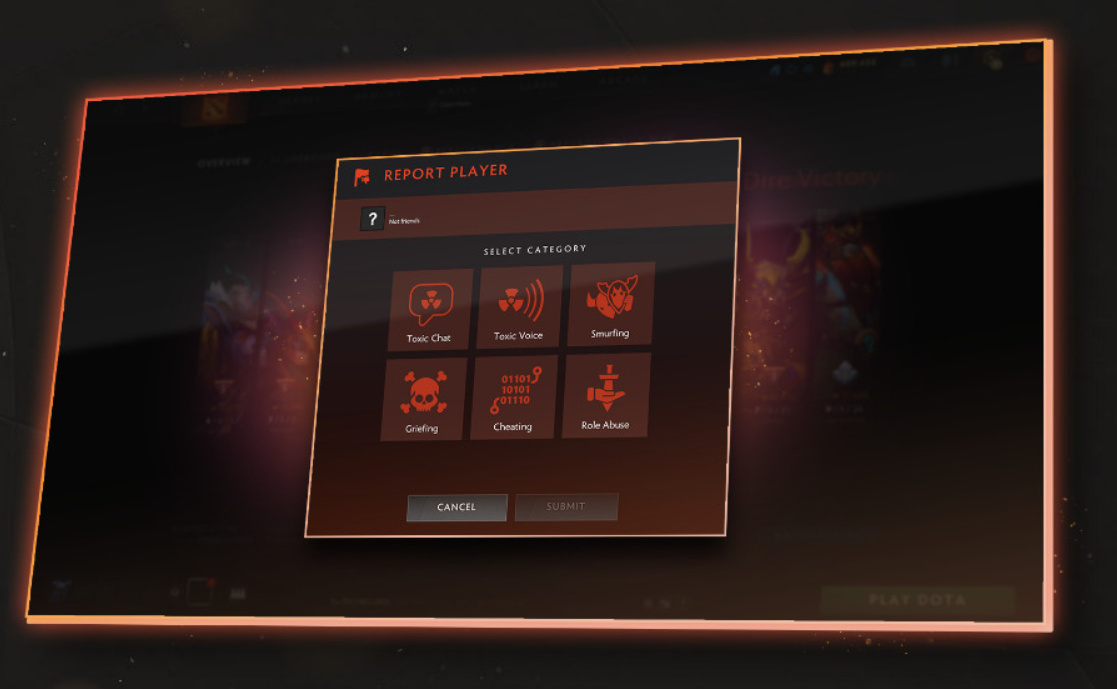
Important: the number of complaints you can file is limited. You can’t simply report every player you meet.
After a complaint is filed, it is sent for review. During the review process, the investigator receives the following information:
- Match type.
- Complaint type.
- The suspect’s character.
- The suspect’s role, if the game was played in a role-playing match.
- The suspect’s rank.
However, the investigator does not see the entire match recording. They are only provided with 3-5 episodes in which the alleged violation occurred, and they must make a decision based on these fragments.
The Dota 2 anti-cheat program automatically collects up to 30 game fragments involving the suspect if the system detects the use of cheats or scripts.
How the complaint review process works
The investigator must answer two questions:
- Is the suspect guilty?
- Did they use cheats?
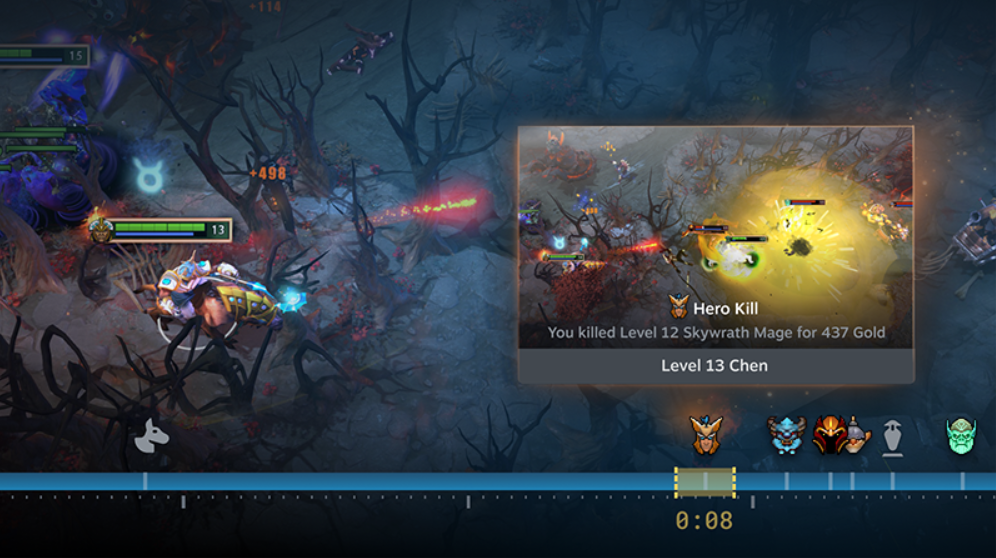
Each question has three possible answers:
- Guilty.
- Not guilty.
- Insufficient evidence.
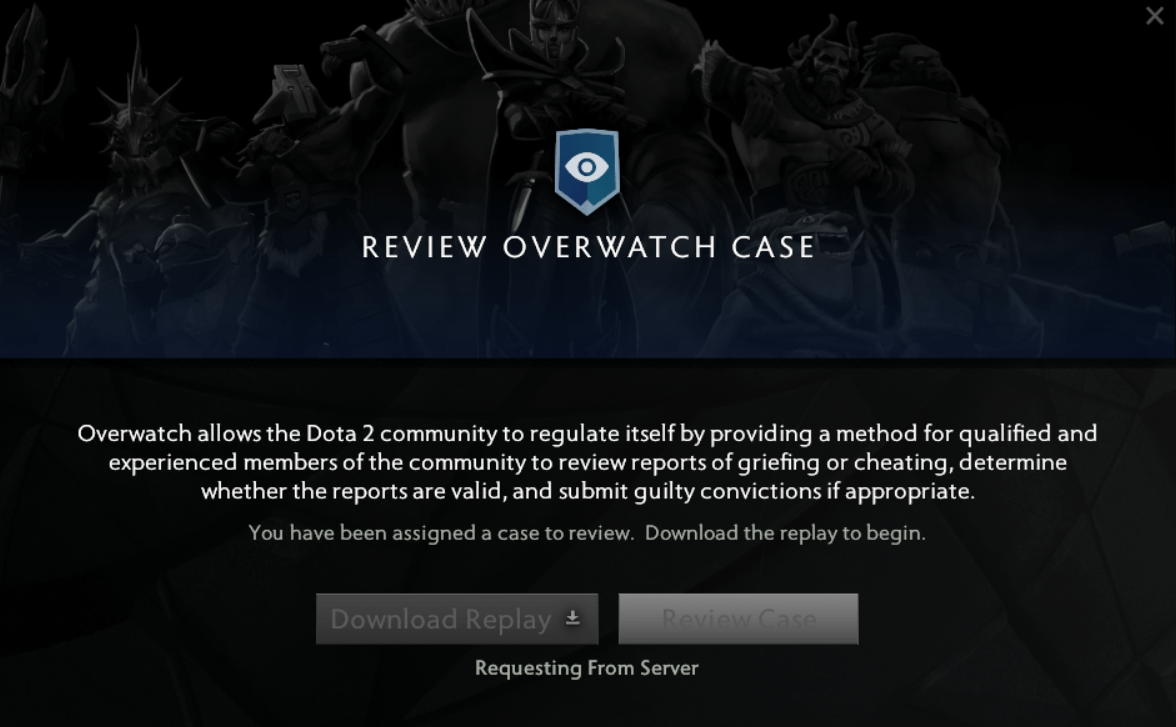
If the investigator is unable to determine guilt and selects the “Insufficient evidence” option, the packet is transferred to another investigator for further analysis.
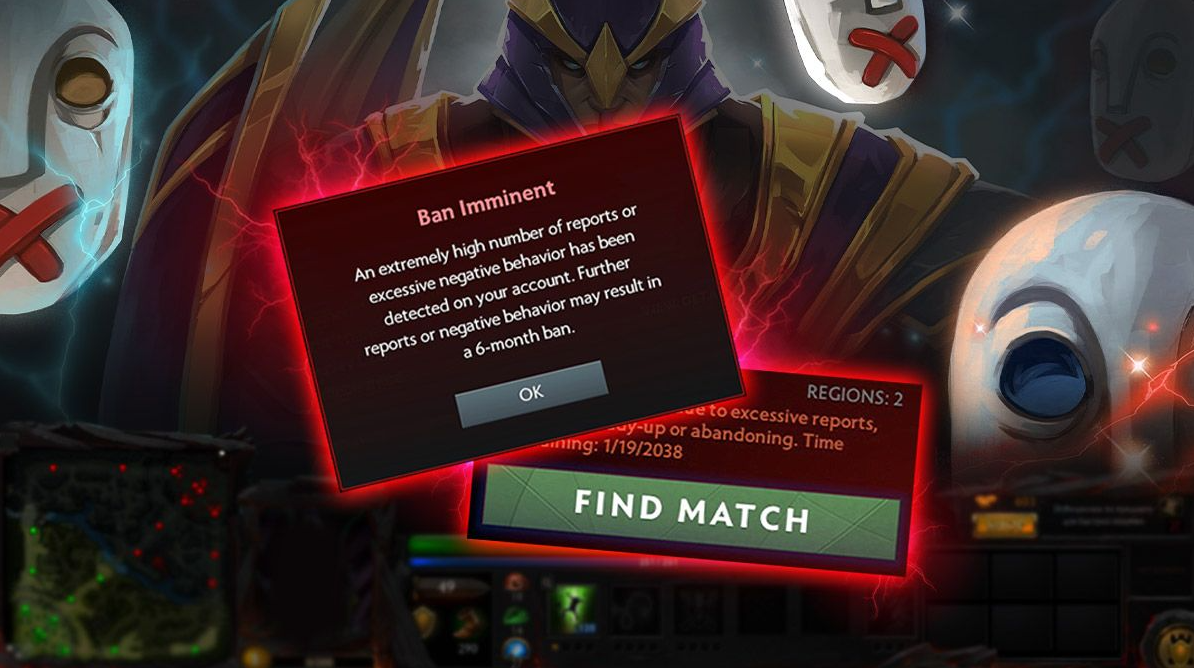
If a player receives multiple accusations and investigators determine their guilt, the developers may ban them for up to six months.
What rank do you need to be to access Patrol in Dota 2?
Rank doesn’t directly influence Patrol access. The summary will be that even with just 1,000 skill points, the system can grant access to the required functionality. To reduce the bias of low-skill players against experienced gamers, the game developers have tried to balance the rating spread when viewing replays. The ability to submit a report becomes available after completing the first stages of the game, when the artificial intelligence has verified the player’s trustworthiness.
While the probability of receiving a Patrol isn’t directly dependent on rank, changes in rank—sharp drops or increases—do affect the chances. The quality of decisions made depends on all actions. The more often a player makes mistakes, the less often they will receive verification tasks, while successful decision-making will lead to more interesting and challenging tasks. It’s important to note that the developers don’t often talk about Patrol access, so most information is based on the opinions of the Dota 2 community.
How to become a Patrolman in Dota 2
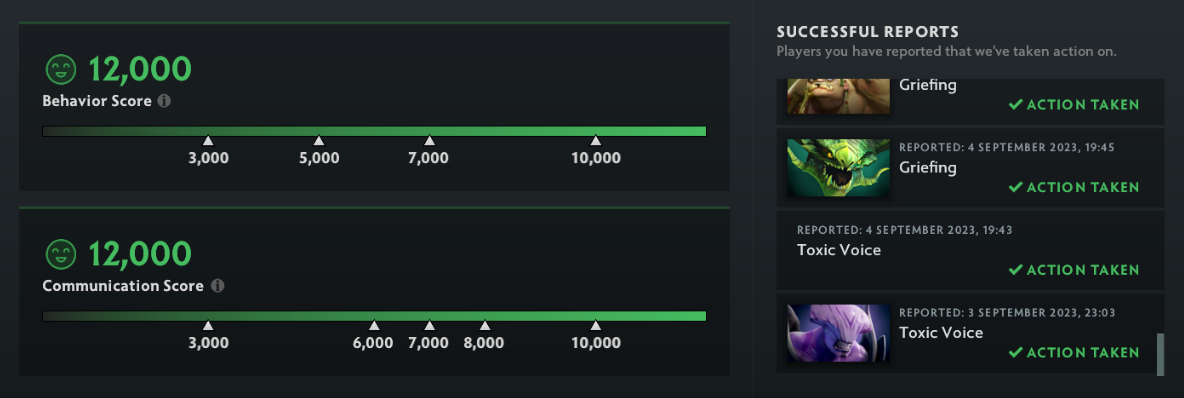
Valve doesn’t disclose the official criteria for selecting investigators, but players with high integrity scores typically receive the Patrolman role in Dota 2. To become a Patrolman, you must have at least 8,000 integrity points.
Another important requirement: the suspect’s MMR must not exceed the investigator’s MMR.
If a player hasn’t logged into Dota 2 for 2-3 months, they will not receive Patrol assignments, regardless of their rank or integrity level. Patrols are assigned randomly, and the accused’s MMR cannot be higher than the investigator’s.
What is integrity and how to increase it?
Integrity is a reputation system in Dota 2 that compares player statistics based on behavior rather than skill. It rewards positive interactions and punishes aggression and toxicity.
If players like their teammates at the end of a game, it increases their integrity points. However, if someone files a complaint about a player’s behavior, their integrity points may be reduced. Valve doesn’t disclose the exact calculation algorithm, so it’s unknown how many points are awarded for likes and how many are deducted for reports.
Increasing your integrity isn’t that difficult; the main thing is to be respectful, don’t cause trouble, avoid conflicts with teammates, and communicate politely. In update 7.34, the developers changed the integrity point system, slightly increasing the maximum point total to 12,000. The threshold for receiving a patrol remains at 8,000.
What should you do if you’re assigned a patrol in Dota 2?
Players are not obligated to review complaints, and if you don’t want to, you can safely ignore the system’s suggestions. There are no penalties for refusing.
If you decide to review complaints, you will need to load the game in which the incident occurred and render your verdict.