The publisher of Krafton decided not to overdo it and released a list of 24 bands that will light up in the first half of the PUBG Global Series (PGS) 2026 season. We are waiting for two large—scale series: the first will combine the stages of PGS 1-3, and the second – PGS 4-6. It’s not just prestige that’s at stake, but real points for getting to the final PUBG Global Championship — the stakes are, frankly, exorbitant.
Table of Contents
Who’s in business: partners and regional heroes
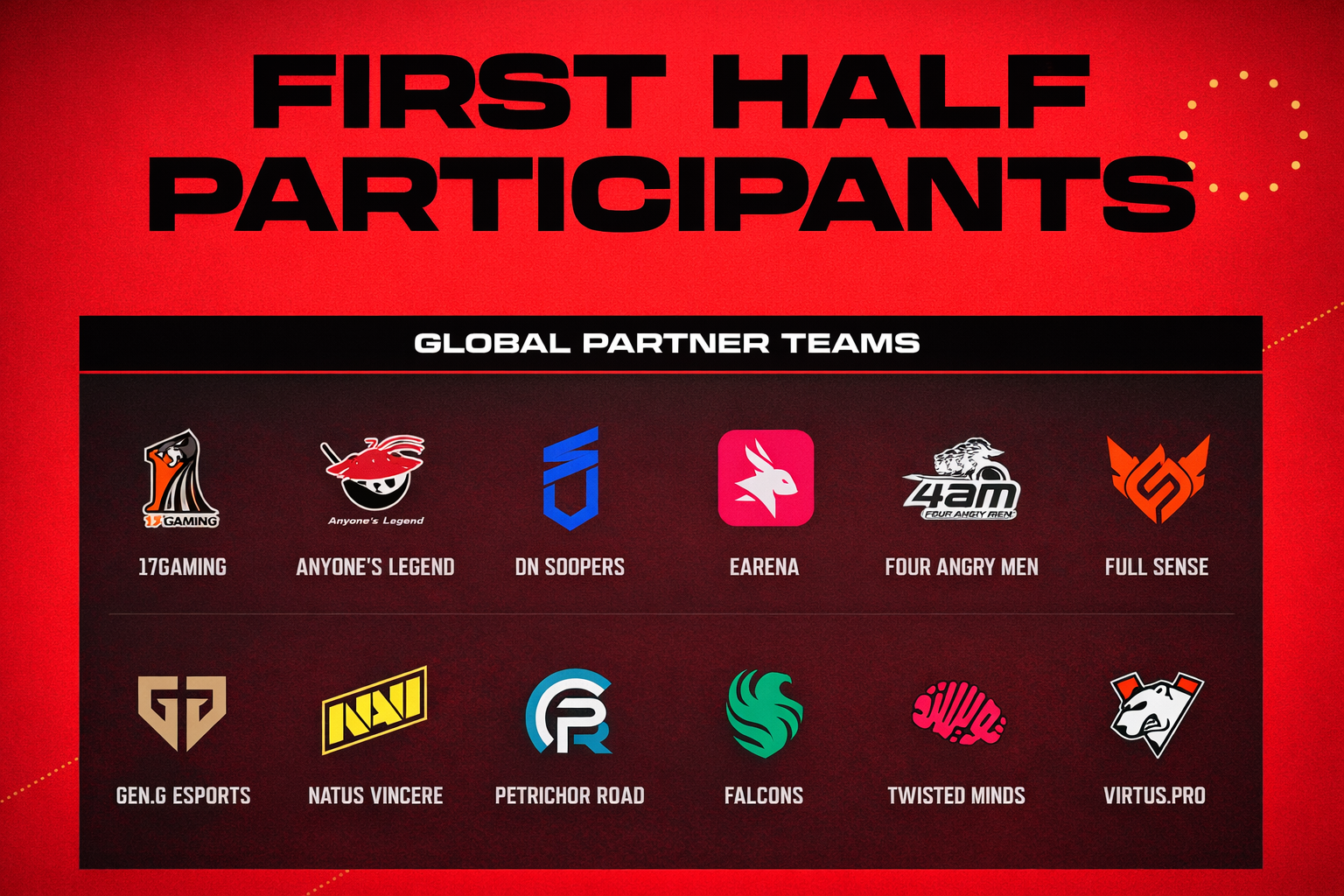
There are two categories of teams in the general list. Exactly half of them are 12 global partners, whom we knew in advance, and the remaining 12 made their way through a tough sieve of regional selections. Surprisingly, the composition of the participants looks as dense as possible.
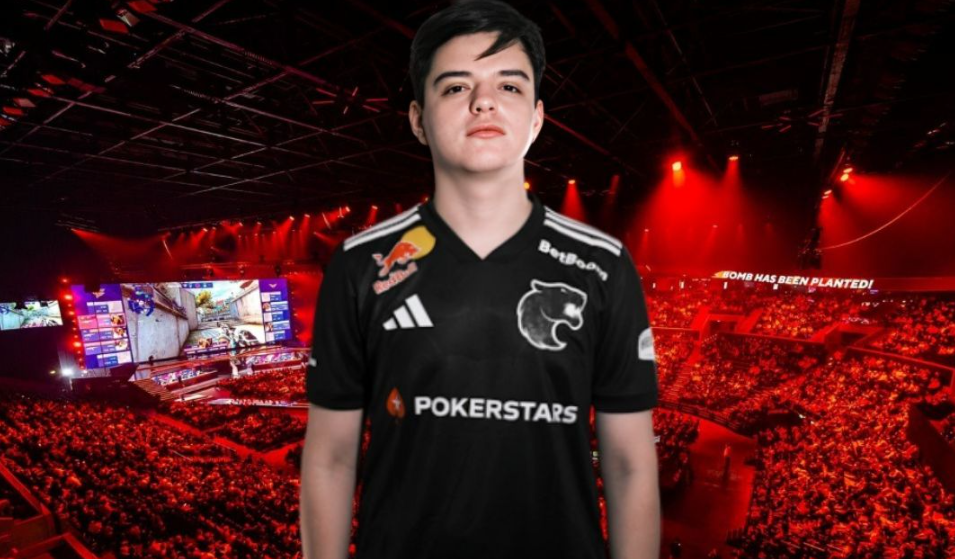
Global partner teams: In America, Team Falcons is fueled, in China — a trio of 17 Gaming, Four Angry Men and Petrichor Road. The EMEA region is represented by the legendary Natus Vincere, Twisted Minds and Virtus.pro . The Korean troops are DN SOOPers and Gen.G Esports, the Thai are eArena and FULL SENSE, and Anyone’s Legend will perform from Vietnam.
Regional guest lineups: FURIA and Team Liquid joined from the American series. China has delegated Change The Game and JD Gaming. EMEA will be represented by S2G Esports and Team Vitality. Thailand will be represented by Made in Thailand and Theerathon Five. Vietnam — FINHAY CERBERUS and The Expendables. Korea, apparently, is betting on Crazy Raccoon and T1.
Interestingly, the geographical alignment of the teams, in fact, shows a real map of power in the global PUBG. The Asian regions have fielded the densest squads — China with the top four teams and Korea with the legendary T1 are clearly aiming for the prize money. EMEA, by the way, is also not giving up its position — Natus Vincere and Virtus.pro In recent years, they have been consistently ranked in the top 10 of the world rankings. But the American region looks, frankly, a little weaker — only three teams against six Asian giants. However, Team Falcons and Team Liquid are able to surprise if they catch the form.
The first stage of the PGS Circuit 1 starts in March, and the continuation of the banquet in the second phase is scheduled for May — the roadmap looks logical.
Format and money: what to expect from PGS in 2026
The tournament system, to be honest, is quite confusing, but it works. The entire season is divided into weekly episodes, where teams try to jump higher in the overall ranking.
At the beginning of the first episode, everyone has zeros. Teams fight for points, which are awarded for final places, kills and victories in “chicken dinners”. Then, in the second episode, the lineups are shuffled into groups depending on how they played last week.
The most interesting thing happens in the third week, in the final episode. All accumulated points are summed up here, and the one who turned out to be the most tenacious and productive takes the title of champion.
It’s cool that Krafton left the accumulative system — it generally eliminates accidents and identifies the really strongest. In previous seasons, there were times when a team blew up one week and then merged out of the blue. Now we need stability throughout all three stages — one successful series will not get us out. This format forces the teams to play aggressively even in the middle positions, because each kill brings points to the overall standings. Along the way, this is what makes the matches as spectacular as possible.
The prize pool — numbers decide everything
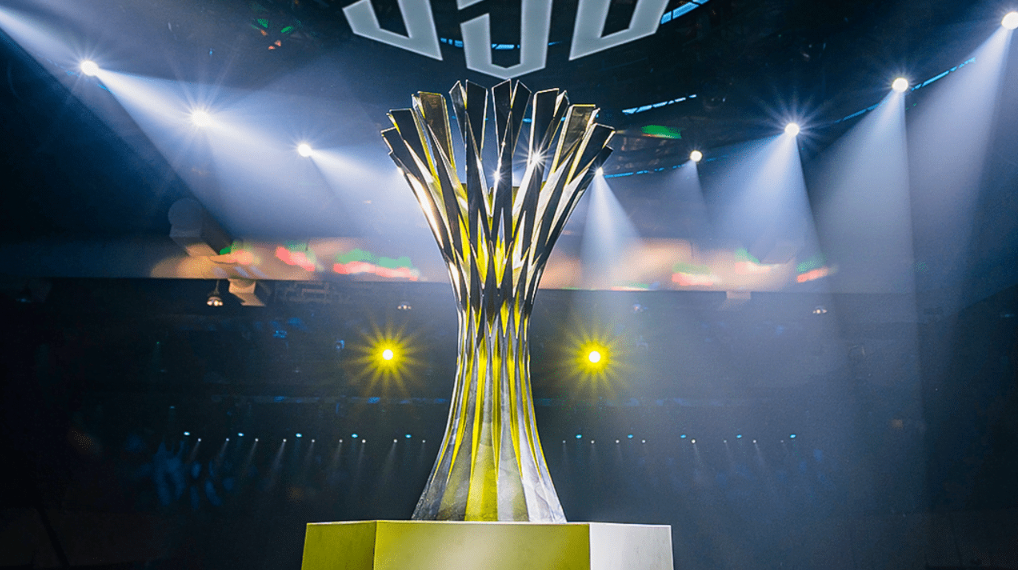
A total of $500,000 is at stake. In the first two stages, $ 100,000 is played, but in the final the jackpot grows to $ 300,000. It is clear that the leaders of the table will take off the cream, but the fight for every penny will be exciting.
Approximate distribution of the top 5 teams (based on previous seasons):
Prize Pool Distribution
Curiously, even teams from the second ten will take quite decent sums — from $5,000 to $15,000 per season. This motivates absolutely all participants to fight until the last round. Last year, by the way, the difference between 10th and 15th place was about $8,000 – you must admit, it’s worth fighting for that kind of money. Krafton specifically spread the prize money across a wide grid to avoid the situation of “the top 3 took everything, the rest left with pennies.”
These spring events will, in fact, become a litmus test for the entire stage. It is based on the results of the March and May battles that it will be clear who is in shape and who deserves to represent their countries at the PUBG Nations Cup in June 2026.
By the way, the most important thing is the PUBG Global Championship qualification. The teams that get into the top 12 based on the results of both PGS series will automatically receive slots for the main tournament of the year with a multimillion-dollar prize pool. In fact, the spring battles are not just a fight for half a million, but a real qualifying gate to big-time esports. It’s strange, but some teams may specifically play to accumulate ratings, rather than maximize money in a particular series — a long-term strategy, in general, can pay off more. In short, PGS 2026 promises to be one of the most intense seasons in the history of professional PUBG — the stakes are exorbitant, the format is honest, and the level of participants is simply cosmic.