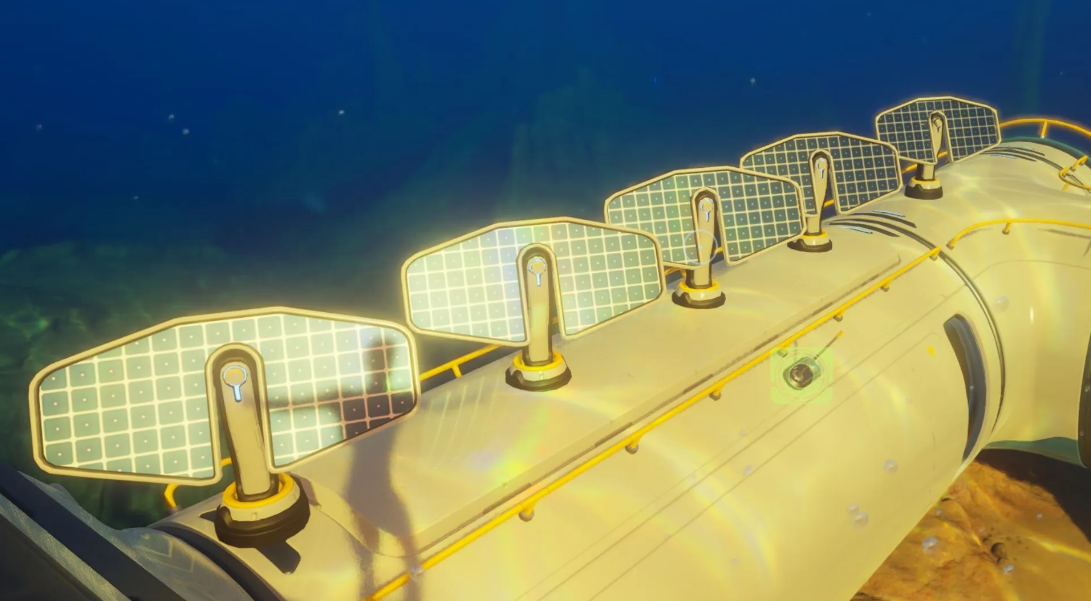
The first thing that will hinder your underwater construction in Subnautica 2 is the dreaded message “OXYGEN PRODUCTION DISABLED.” You’ve built a base, gone inside, and there’s nothing to breathe. The reason is this: without power, oxygen can’t be produced. At all. If the base is without power, or the installed modules consume more than you provide, the system will collapse—leaving you without air.
Luckily, the developers aren’t villains. Early on, there’s a simple and effective way to power your shelter. All you need is a solar panel.
Table of Contents
Where to get resources to craft your first solar panel?
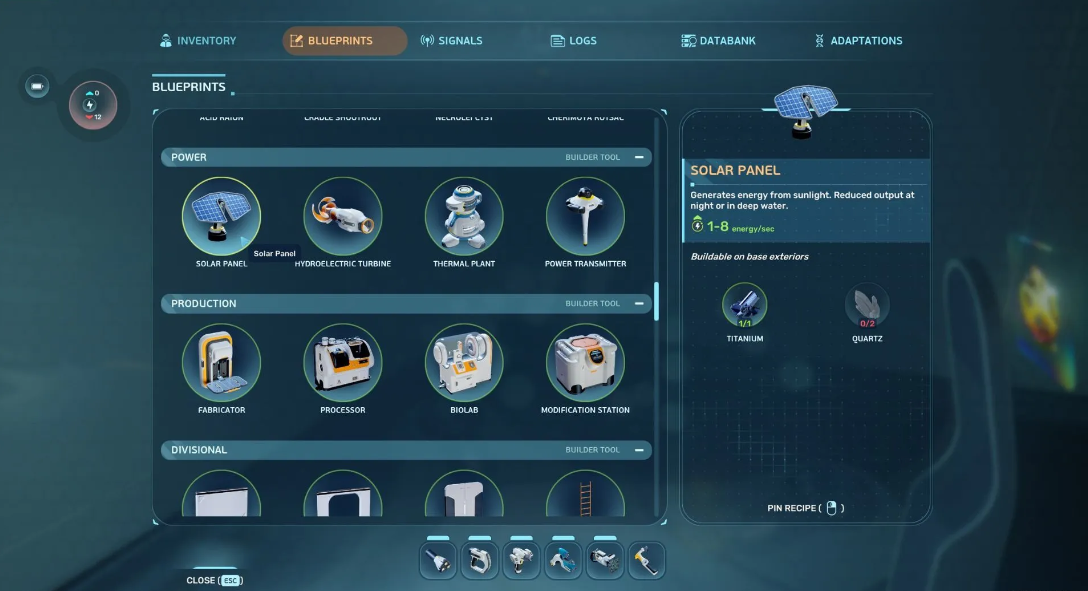
The most accessible module is the solar panel. It’s unlocked by default once you obtain the Builder.
Look under “Exterior – Energy.” The recipe is simple: Titanium x1 and Quartz x2. Throw the panel on the roof—and, lo and behold, power is available.
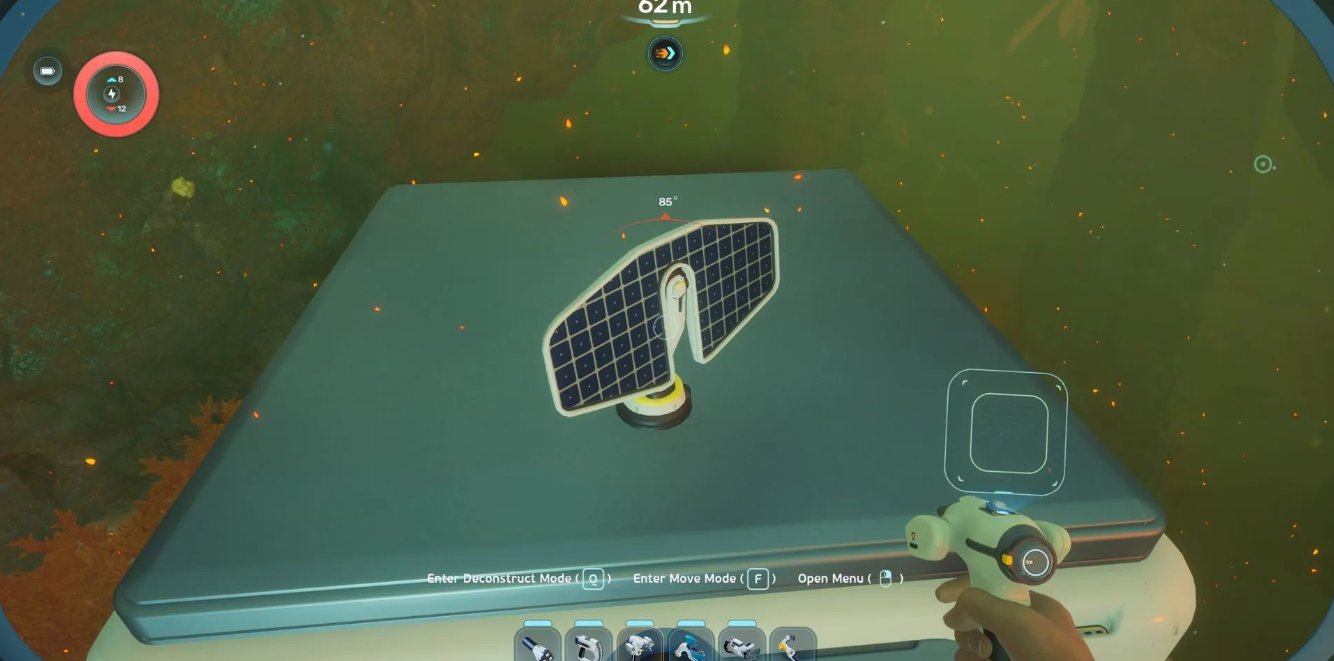
But there are a few details. One panel produces between 1 and 8 Energy/sec, depending on the sun. At midday, it’s a maximum of 8 units. At night, it’s a measly 1. If the base is right on the surface, even at night it’ll be 2, but that’s still pennies.
What to do? Install more panels. There’s plenty of space on the roof—theoretically, you could cover the entire roof and still get enough power even in the dead of night. But that’s not the smartest approach, let’s say.
Solar panels are a good start. They’re capricious, depending on the time of day and depth. For stable base operation, you’ll need more powerful sources. But for the first few hours, they’re perfect. The main thing is that oxygen will be available, and you won’t suffocate in your own corridor.
How a hydroelectric turbine works underwater?
Solar panels are good as long as the sun shines. But at night or deep underwater, they’re useless. That’s where a hydroelectric turbine comes in—it’s much more reliable. The recipe, by the way, requires more serious resources: Copper x3, Titanium x3, Silver x3. The tool is still the same – the Builder. But first, you’ll need to find two fragments.
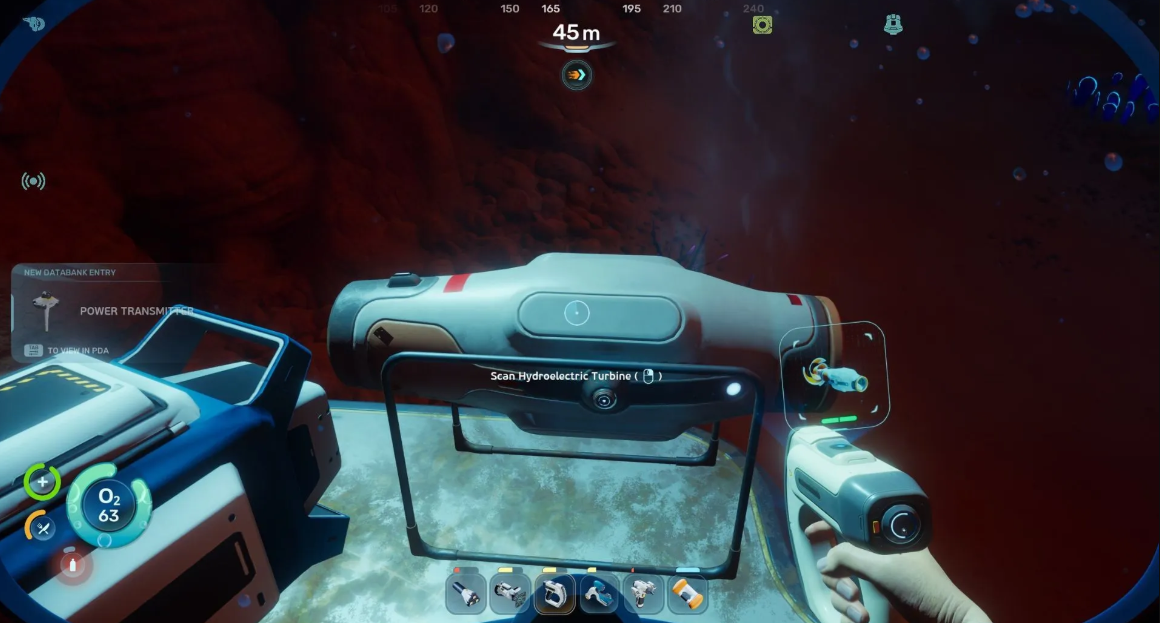
Where to find the turbine fragment blueprints and coordinates?
Both are located next to the same underwater “tunnel” with a strong current. The landmark is Camp One. Turn east, swim about 100 meters, and look down. You’ll see a powerful current running right along the bottom. Move along it and find both fragments.
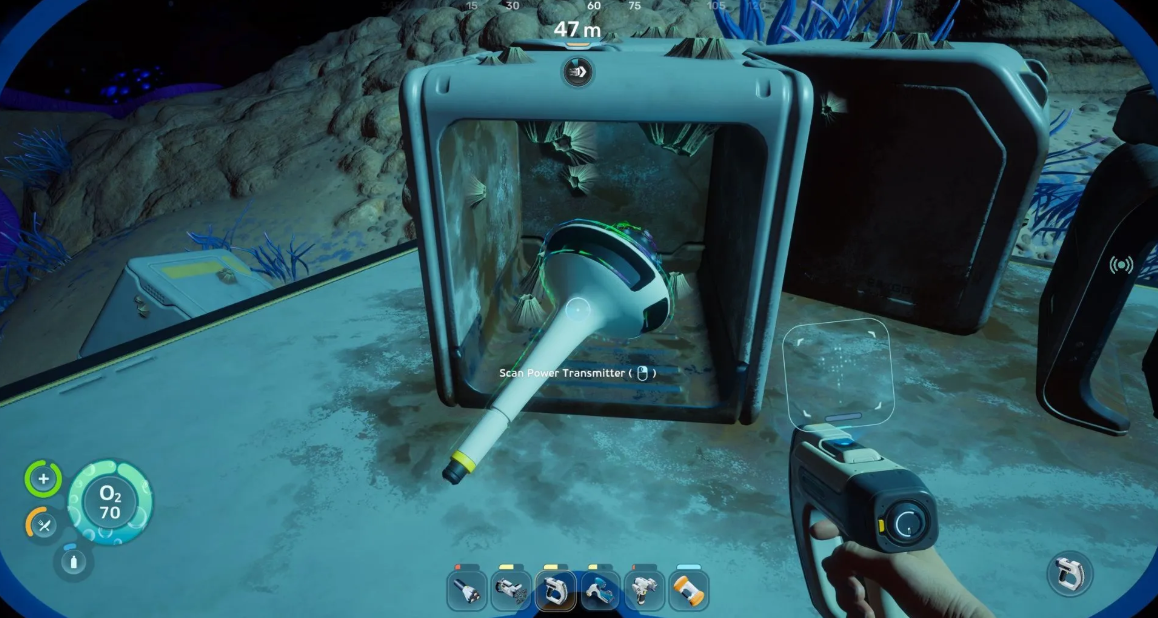
Specific coordinates (if you like precision):
-
Fragment #1 – 364 meters south-southwest of the escape pod, next to the current behind Camp One.
-
Fragment #2 – 390 meters south-southwest of the escape pod, on a metal platform near the current tunnel behind Camp One.
By the way, there’s also an Energy Transmitter lying around next to the second fragment—a fragment of it. It’ll come in handy.
How to connect a generator to the base’s power grid?
Place the turbine directly in an active natural current. Then connect it to the base via the Energy Transmitter. That’s it, the energy is flowing.
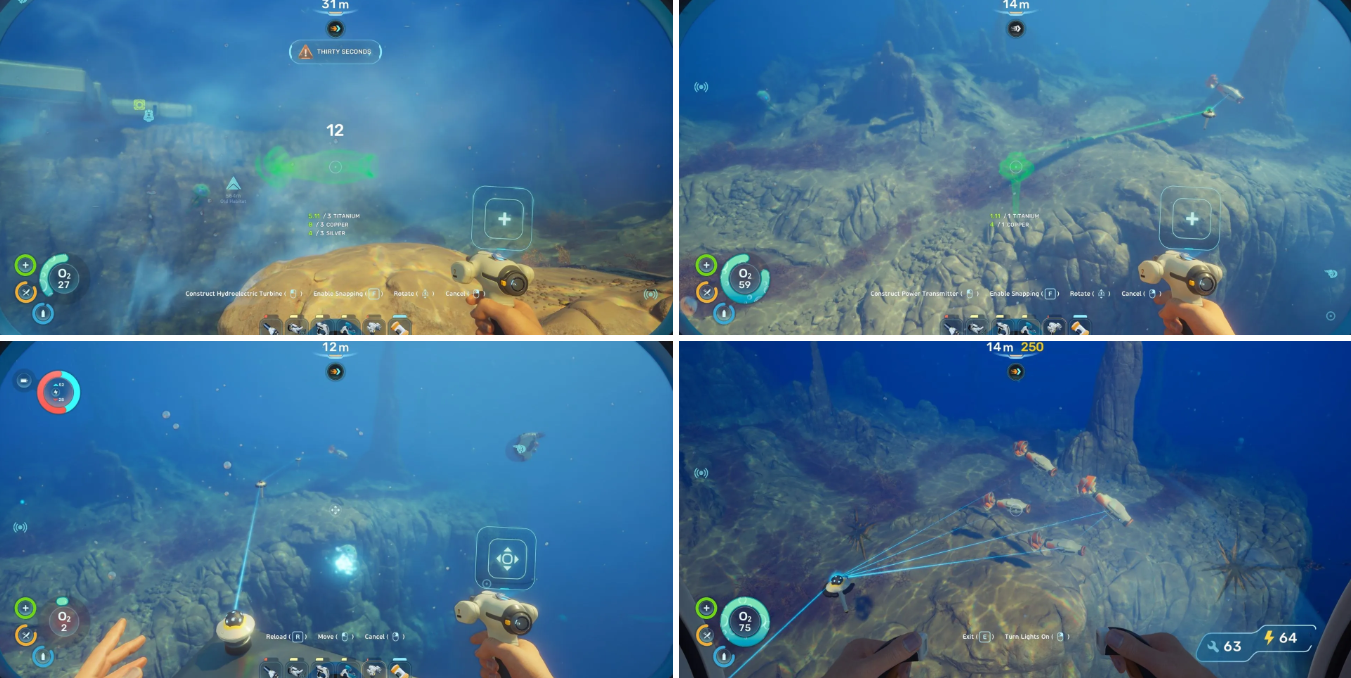
And here’s the main advantage: there’s no limit on the number of turbines. The current is essentially an infinite source. If you have the resources (Titanium, Copper, Silver), you can install as many as you want.
Life hack: multiple turbines can use the same Energy Transmitters. Simply “link” the current to the base once, and then increase generation.
Which energy generators will unlock later?
Solar panels and hydro turbines are just the beginning. As you progress, the Bioreactor and Thermal Plants will unlock. But that’s a whole other story.
Power sources in Subnautica 2: How to power a base?
Ensuring a stable power supply is the cornerstone of survival in Subnautica 2. The developers offer four basic generators, each tailored to a specific stage, biome, and available resources. Trying to build a universal network using a single type of generator is a losing tactic. The optimal choice for an effective hub will always be a combination of generators, especially given the increased complexity of resource management in the sequel.
Comparison table of all power generators in the game
Solar panel efficiency at the initial stage
The first available building, the blueprint for which is automatically unlocked at the start. Crafting is extremely cheap: only Titanium x1 and Quartz x2 are required. On the surface, during clear midday, the panel produces a peak of 8 Energy/sec, but with the onset of darkness, this figure drops to a critical 1 Energy/sec.
Relying on it as a primary power source below 100–150 meters is unwise—sunlight simply doesn’t reach there, reducing efficiency to zero. It’s an excellent solution for beginners, ideal for powering their first mini-bay near the surface, but nothing more.
Advantages of a Hydro Turbine for Power Supply in the Midgame
Assembling this unit requires some effort: the system requires finding two fragments to scan, and the recipe itself requires Copper x3, Titanium x3, and Silver x3. However, the result is complete independence from time of day and light cycles. The turbine generates power around the clock, but only in areas with active underwater currents.
The number of Hydro Turbines per biome is unlimited. This allows you to build entire cascades, linking stacks of generators into a single network via a chain of Energy Transmitters. If your base is located near a constant water flow, the Hydro Turbine is an ideal choice for the mid-game.
Autonomous Bioreactor Generation at Great Depth
The blueprint for this station unlocks significantly later, but it completely solves the problem of terrain or solar stabilization. The operating principle is simple: throw any organic matter inside (be it caught fish, grown plants, or found creature eggs), and the reactor begins producing a steady stream of kilowatts.
The main drawback is the constant need for manual labor. You’ll need to regularly add fresh biomass, otherwise the base will instantly lose power. The bioreactor is most effective in densely populated biomes rich in fauna, where generating “fuel” takes just a couple of minutes. In deserted or sparse locations, such a structure will simply become an unnecessary burden.
Thermal Generator as the Best Power Source in the Late Game
The most powerful and technologically advanced power source in Subnautica 2, serving as the de facto standard for the endgame. The generator operates on temperature differences: it is installed in thermal zones or directly at hydrothermal vents. It requires no consumables, and is unaffected by depth, currents, or time of day—only pure geothermal energy.
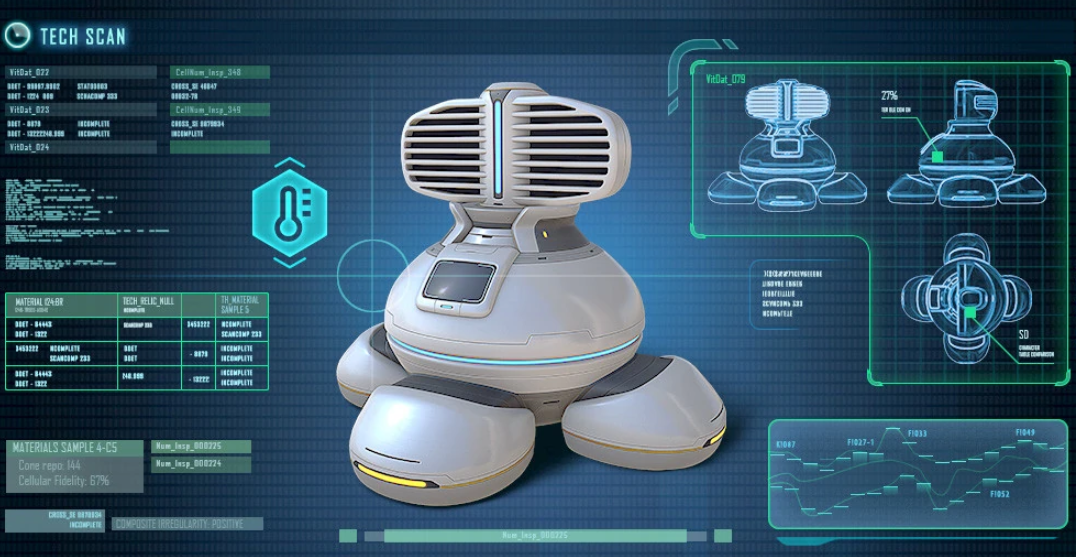
The price for such comfort is a strict focus on progression. Crafting requires rare resources from deep-sea biomes, and the thermal vents themselves are inaccessible without upgraded transport and thermal suits.
The order of developing and upgrading the hub’s energy system
Efficient infrastructure development in Subnautica 2 is based on the gradual development of technologies. The optimal vector is as follows:
-
Install basic solar panels for initial crafting and battery charging.
-
Find a stable current and deploy a network of hydroturbines as the primary power source.
-
Activate the bioreactor as a reliable emergency backup for peak loads.
-
Descend into the deep biomes and build the final network of thermal generators.
Attempt to jump straight to the thermal generators without completing the intermediate steps will inevitably result in an energy shortage and severely hinder the storyline. Ensure stable power supply to the hub before embarking on a large-scale expedition into the uncharted depths.