Blizzard has officially released a mobile spin-off of its iconic franchise, Overwatch Rush. No ports, no compromises: this is a full-fledged game with a top view, sharpened by touch controls and short 4×4 sessions. And the main question that’s tearing the community apart right now is which of your favorite characters have been dragged to the mobile version of Overwatch, and how their mechanics have changed.
Spoiler alert: not all of them. And that’s even a good thing.
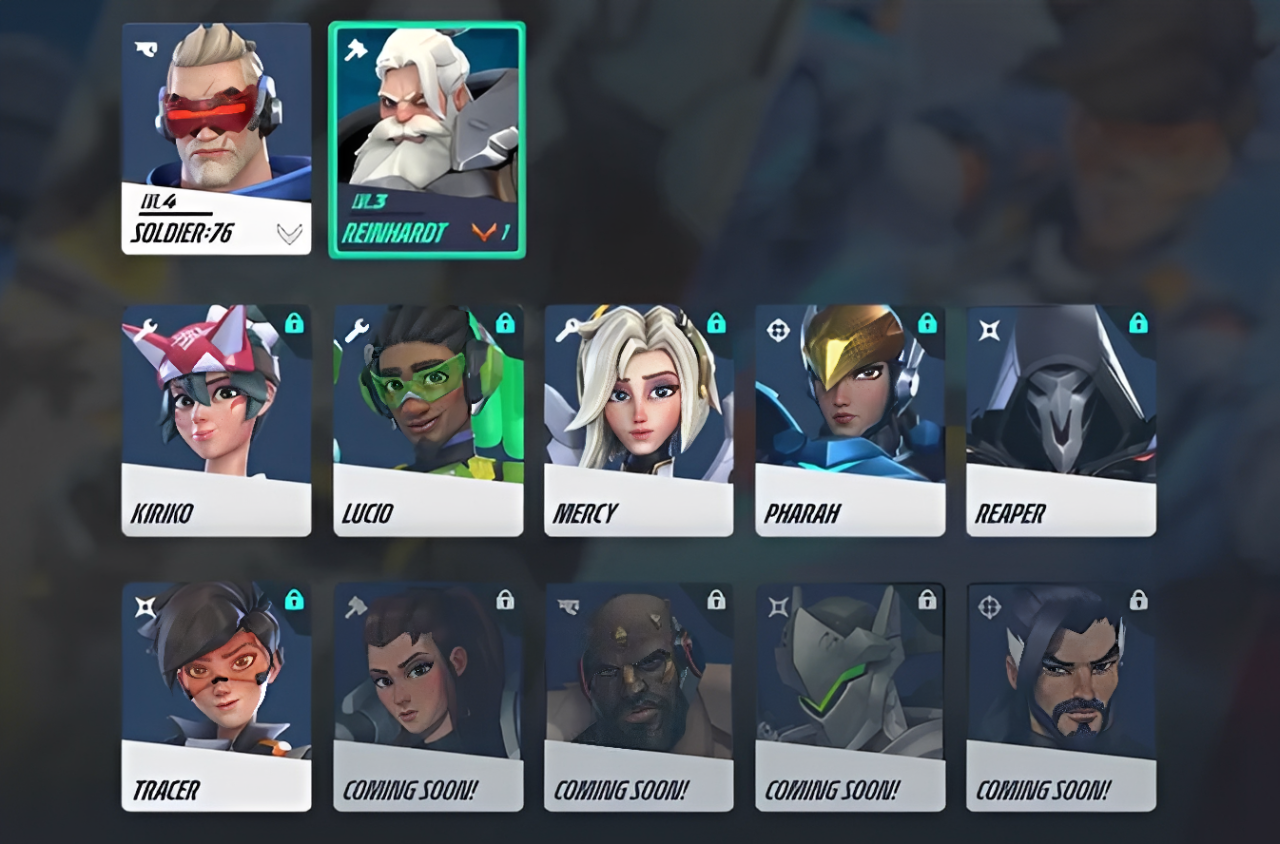
At the moment — the end of February 2026 – the game is undergoing limited technical testing in the Philippines. Blizzard collects feedback, refills the balance sheet and prepares the ground for a global release. There are eight confirmed heroes in the current build, and four more are on the way. We take the roaster apart and see how mobile Overwatch Rush differs from its older sister, Overwatch 2.
Table of Contents
Confirmed Overwatch Rush Heroes — full list and new subclasses
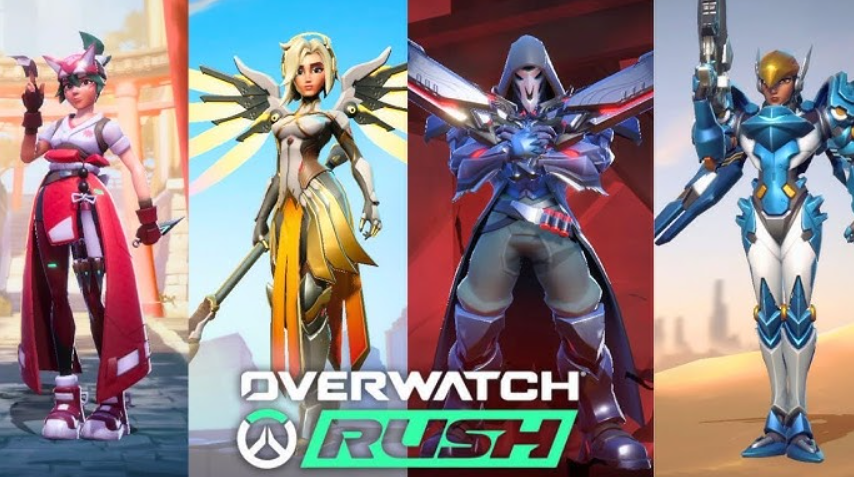
Forget about the usual division into Tanks, DPS and Support. Blizzard has completely overhauled the role-playing system by introducing five hybrid subclasses. This is not a cosmetic change — the gameplay for each character feels different, adapting to the dynamics of mobile battles.
Here is who is available in the current test version of Overwatch Rush (data as of February 27, 2026):
Hero Roster & Future Updates
Strategy and synergy tips for each role
-
Utility (Kiriko, Lucio, Mercy) — good for flanking and team support.
-
Long Ranger (Pharah, Hanzo) — best for ranged combat and lane control.
-
Assassin (Reaper, Tracer, Genji) — good for flanking and pinpoint kills.
-
Vanguard (Reinhardt, Brigitte) — excellent for pushing and protecting the team.
-
Fighter (Soldier: 76, Doomfist) — special heroes that are well suited for any situation.
The new Overwatch Rush role-playing system: how is it better than the original
In Overwatch 2, we’re used to a strict trinity.: The tank takes damage, DPS damages, and Support heals. In the mobile version, Blizzard deliberately blurred the boundaries. Now each subclass is more a style of behavior on the battlefield, rather than a strict job description.
Please note: Brigitte, who is listed as a Support character in the main game, is listed as a Vanguard in Overwatch Rush — that is, in fact, a tank-like skirmisher. Death Fist (Doomfist) has been upgraded from a Tank to a Mobile Fighter. This means that when forming a 4×4 squad, you don’t think about “we don’t have a tank,” but about “how our heroes will strengthen each other at a specific point.”
My personal experience from a test client: playing for Reinhardt, I didn’t just stand like a pillar with my shield raised — I actively moved, covering the flanks and slapping anyone who got too close. And for Kiriko, you could save teammates from the most hopeless situations and at the same time trade well with enemy Assassins.
Release date and testing status of Overwatch Rush
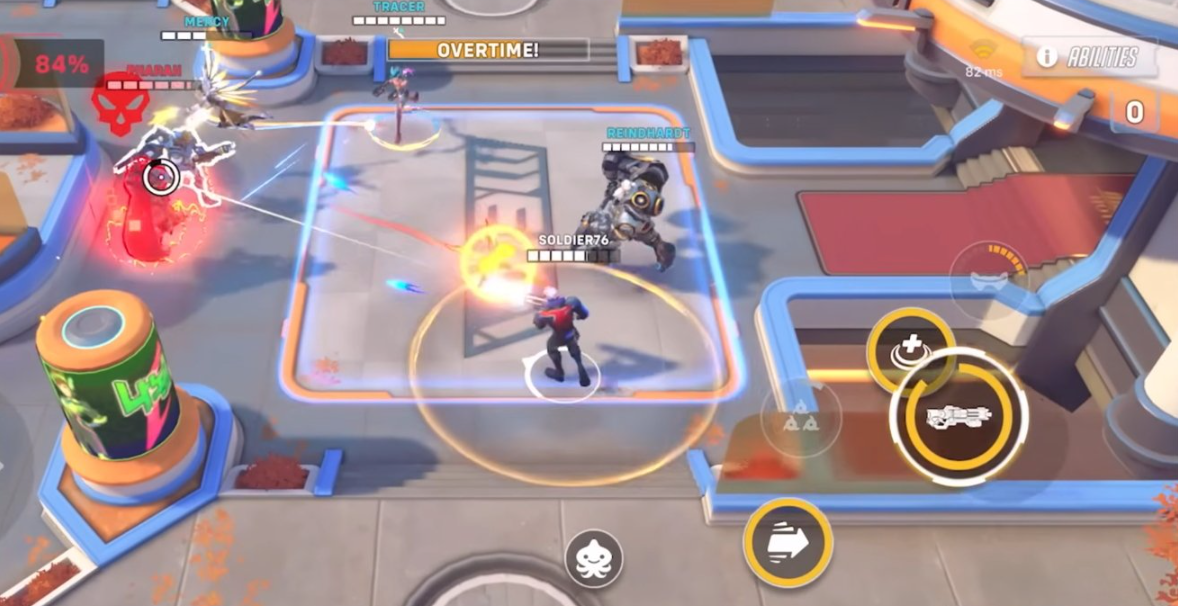
At the moment, Overwatch Rush is being tested exclusively in the Philippines. It is standard practice for Blizzard to test mobile projects in a limited but active market before going global. The development team collects metrics, fixes bugs, and — most importantly — listens to feedback on the balance.
Blizzard’s official blog on February 24, 2026 confirmed that four more heroes will be added to the game.:
-
Brigitte
-
Doomfist (Fist of Death)
-
Genji
-
Hanzo
It is still unclear whether these characters will appear in the test phase or immediately in the release version. But one thing is for sure: Blizzard is not going to stop at the launch roaster. And considering that dataminers are already finding mentions of May and Turboswine in the game files, the cast of Overwatch Rush heroes may seriously expand by the global launch.
How do subclasses work in Overwatch Rush and why are they needed?
In the first part, we analyzed the starting roster and the upcoming replenishment. But the dry list is just the tip of the iceberg. What’s more interesting is exactly how Blizzard shuffled the roles and what it means for real gameplay.
The Overwatch Rush subclass system doesn’t just replace the usual “Tank—DPS—Support” trio. She hacks it. And here are a couple of the most illustrative examples.
Let’s take Brigitte. In Overwatch 2, this is pure support: she distributes armor, heals across the area, and covers the rear. In the mobile version, she is the Avant—garde. That is, in fact, a tank. Her task is not to stand behind and pour out “healers”, but to be the first to break into a fight, take damage to the shield and create space for the team. Do you feel the difference? A player who is used to the Brig as a passive healer will have to retrain in Overwatch Rush — and that’s cool, by the way.
Or here’s a Doomist. In the main game, he is a Tank. A mountain of muscles that flies around the map and knocks everyone down. In the mobile version, he is a Fighter. In the same company with a Soldier: 76. That is, they cut off his vitality, but added mobility and damage. Now it’s not a frontline car, but a kind of bruiser that comes in from the flanks and exchanges one-on-one.
And there are such metamorphoses all over the roster.
Why does it work? Because mobile gameplay dictates its own laws. Matches last 3-5 minutes. The maps are compact. Controls — swipe and tap. In such conditions, the classic trio simply falls apart: the tanks are too slow, the support is too vulnerable, and the DPS is too demanding of aiming. Blizzard has reassembled the characters so that everyone feels like a self—sufficient fighter, capable of defeating, surviving, and helping teammates – albeit with different accents.
Are Overwatch heroes on mobile devices any different from the PC version?
The short answer is yes. And it’s not just about changing subclasses.
Blizzard has indicated from the very beginning that Overwatch Rush is not a port. This is a completely new game that was designed from scratch for touch controls and a mobile audience. This means that the familiar mechanics of the characters have gone through the millstones of adaptation.
What exactly has changed? First, the management. No keyboards or mice, just swipe, tap, and hold. Abilities that require lightning-fast reactions and precise aiming on a PC are either automated here or redesigned for a smoother pace. The tracer, for example, is still running around the map, but its blinks have become a little more “rubbery” and forgiving — so that the player on the phone does not go crazy with frustration.
Secondly, the balance. Mobile sessions last 3-5 minutes, and Blizzard has tweaked the stats so that matches don’t turn into protracted positional wars. Ults accumulate faster, respawn time is shortened, and maps are designed for constant skirmishes.
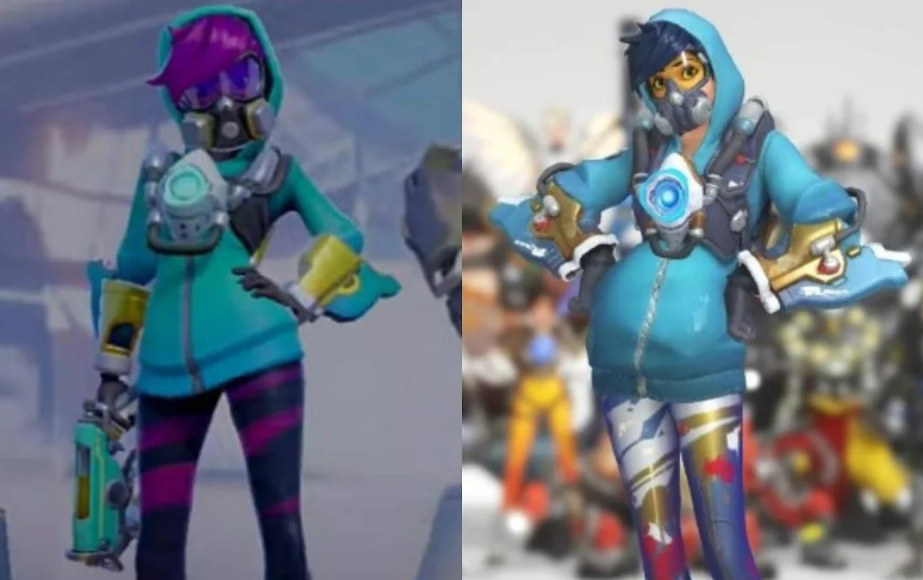
Well, the icing on the cake is skins. Some of the cosmetics will be transferred from Overwatch 2, but there will also be unique looks available only in the mobile version. The screenshots have already highlighted the epic Graffiti skin Tracer — it looks stylish, as if it came off the walls of a New York alley.
How to unlock heroes in Overwatch Rush: methods and conditions
Well, now to what worries everyone who is watching Overwatch Rush: will you have to pay for the characters?
No.
Blizzard confirmed that monetization will affect only cosmetics — skins, emotions, victory poses. You discover the characters themselves exclusively through gameplay. No loot boxes with characters, no pay-to-win. Just play and get access to roasters.
How exactly does it work?:
-
Upgrade your account level. You play matches, earn experience, and upgrade your profile. At certain levels, new characters are revealed to you.
-
Daily entry rewards. This is probably the easiest way. Log in to the game for several days in a row and you get buns. For example, in the current test version, the Reaper is given to the player on the third day of entry. Along with it are prisms, drop-down items, and skins.
Below is a screenshot from a client that I saw from the testers: the daily gift system is really generous and motivates you to return to the game for at least a couple of minutes. And this is a smart move — audience retention through FOMO and small but pleasant rewards.
Bottom line: what to expect from the Overwatch Rush cast and is it worth playing?
To date, we have 12 confirmed heroes — eight in the test build and four more in the plans for the upcoming updates. Blizzard is clearly not going to stop: data miners are already finding mentions of May and Turboswine in the files, so the roster will almost certainly expand by the global release.
As for the game itself, Overwatch Rush gives the impression of a thoughtful, rather than a market—driven product. This is not an attempt to make money off a big name, but a thoughtful adaptation of the universe to a mobile format. A fresh role—playing system, fast sessions, and no donations for gameplay sound like a formula for success in a market dominated by Mobile Legends and PUBG Mobile.
We can only wait for the expansion of the geography of the tests. In the meantime, follow the official Discord channel of the game.: they publish the latest news and announcements.