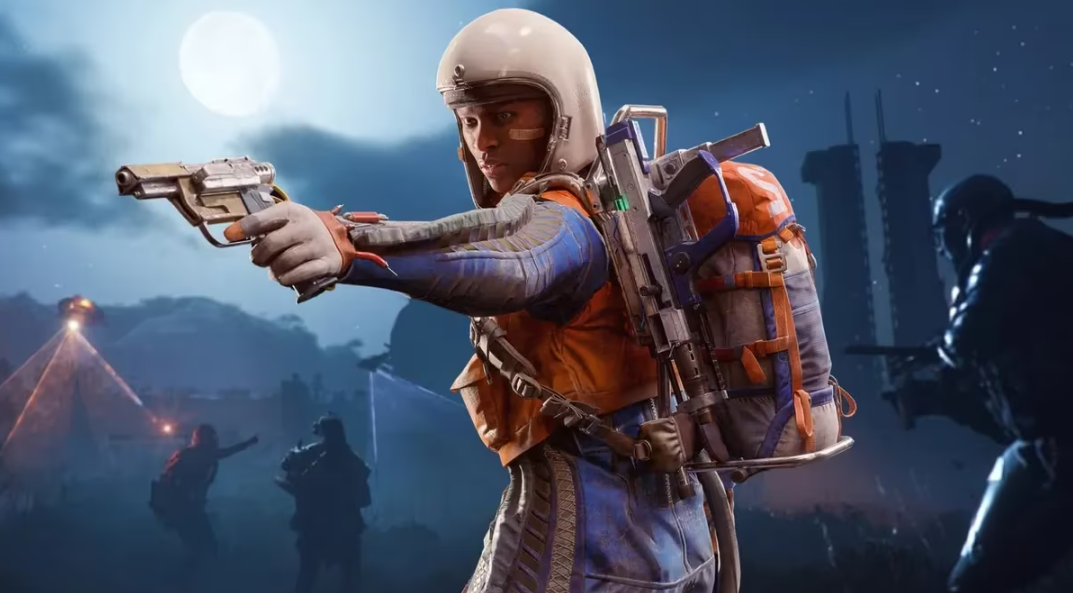
Blizzard Entertainment has seriously set about expanding its horizons — the studio has opened a set of key specialists to work on an unannounced action game. It seems that the rumors about the return of the iconic franchise in a new guise are confirmed. Insiders and industry experts, including the notorious Jason Schreier, unanimously declare: we are waiting for a shooter in the StarCraft universe.
Table of Contents
What is known about Blizzard’s new StarCraft shooter?
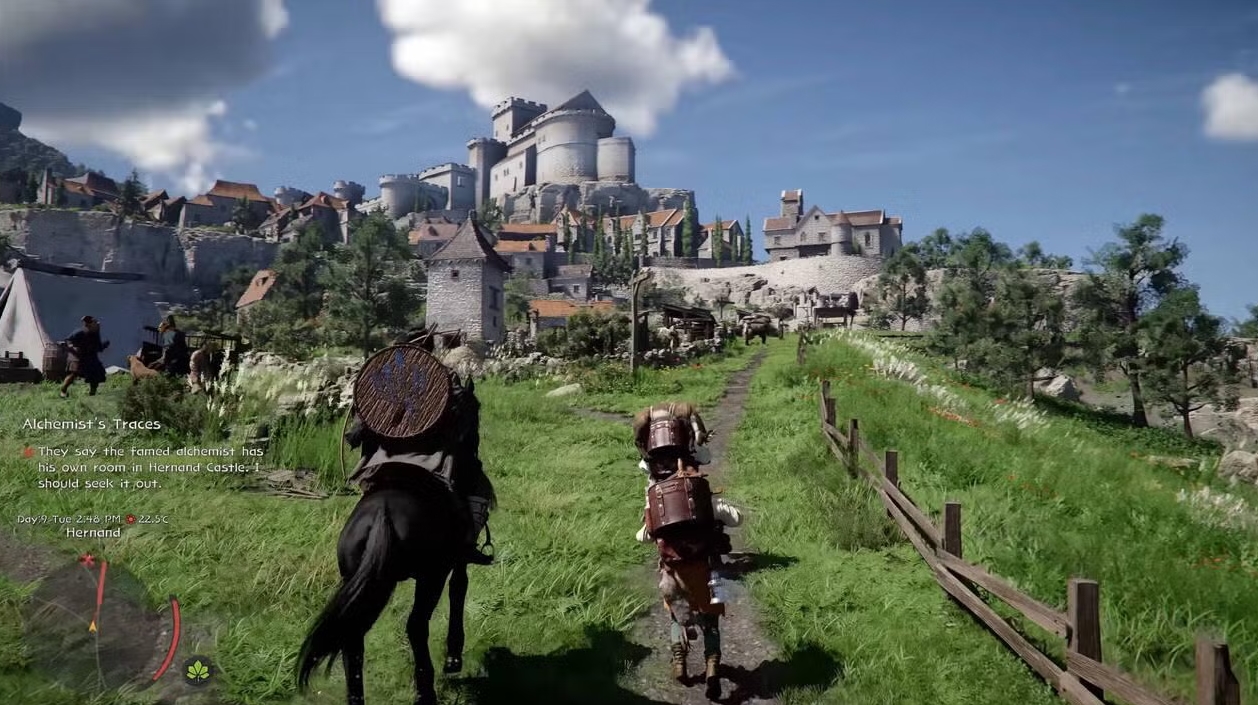
The vacancy of a leading game designer attracted the attention of the gaming community. The candidate requirements are very specific — Blizzard is looking for someone with deep knowledge of the Unreal Engine. Using a third—party engine instead of the usual internal studio tools is not the most typical move for the company, but it is justified. Apparently, the developers plan to create a lively open world, and the experience of working with UE will make it possible to implement this as efficiently as possible.
The project team is led by Dan Hay. A notable figure in the industry, he was the one who oversaw the Far Cry series at Ubisoft for a long time. His expertise in creating large-scale open-world action games fits perfectly into the concept of the new StarCraft. The project is still at an early stage, but the scale of its ambitions is impressive — Blizzard clearly intends to return the series to its former glory by applying proven market mechanics.
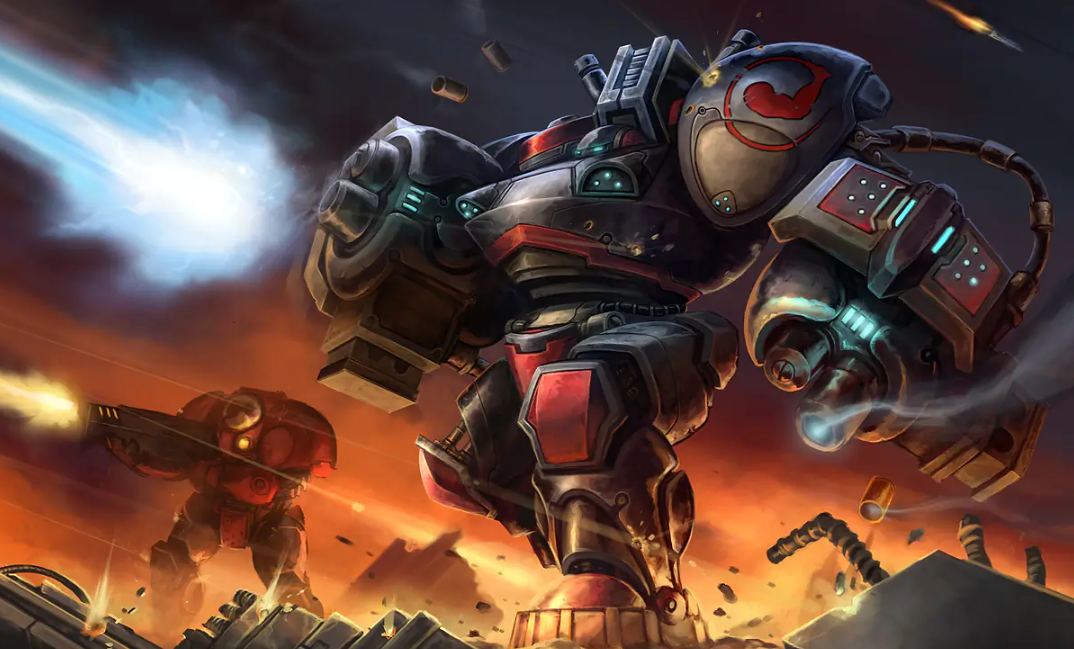
Blizzard Activity: Overwatch Rush and Collaborations
In parallel with the development of the secret shooter, the studio is aggressively saturating the information field with news on its flagship franchises. The schedule of announcements is now tighter than ever — the company is clearly trying to keep the audience’s attention on all fronts.
Among the latest news, it is worth highlighting:
-
The announcement of Overwatch Rush— a mobile action game for iOS and Android that expands the universe of heroic shooter to smartphones.
-
Overwatch’s collaboration with NieR: Automata— a crossover with the popular Japanese franchise, should attract a new wave of players.
-
Increased pace of development — the frequency of major updates for key games has increased significantly.
It is obvious that Blizzard Entertainment is currently in a serious transformation phase. Switching to the Unreal Engine and bringing in industry veterans like Dan Hay is a clear signal that the company is willing to take risks to create next—generation AAA hits. Time will tell if the StarCraft project will make it to release this time.
Well, while the industry is guessing about the timing, it will be much more interesting to read about the future gameplay — how exactly the strategic monolith will be turned into a dynamic action game on Unreal Engine 5.
StarCraft Shooter Gameplay: a hybrid of action and RTS in an open world
If we look aside at the specifics of vacancies, we are far from a typical spinal shooting gallery. The developers aim for a complex hybrid — an open world, heavily mixed up with tactics and the corporate “spirit of RTS”. Forget about the classic view from above. The fundamental mechanics of StarCraft — base control, resource allocation, and influence on macro combat- seem to be elegantly woven into a third—person shooter.
If you put together the disparate requirements for developers, a very juicy picture emerges:
-
Architecture of the world: No endless and empty sandbox. The engine will draw massive planetary biomes — the approach strongly resembles the structure of Far Cry, but with a clear cosmic scope and zonal division.
-
Player role: You are a field operative, but with the functionality of a local commander. They won’t give you direct microcontrol over the crowd. But they will allow you to indirectly dictate the conditions of the battle: request orbital strikes, deploy turrets, drop troops and direct drones.
-
Faction Balance: At the epicenter of the conflict is the classic trinity (Terrans, Zerg, and Protoss). At the same time, the focus has shifted from point control of units to maximum mobility and proper use of terrain.
As for the progression, a clear but deep loot cycle looms here. The hero will have to vacuum up locations for the sake of resources — and they will go not only to upgrade armor. The materials are needed to deploy temporary outposts, which will have to be defended and used as tactical respawn points. The quests themselves will clearly resonate with the campaign from StarCraft II. We are waiting for contrasting scenarios — from quiet sabotage sorties to the rear to epic head-on collisions, where extras are hacked and heavy equipment rumbles against the background. And all this splendor is through the prism of a tactical interface with mini—radars and a menu for calling support.
The technical foundation of Unreal Engine 5 fits perfectly with these ambitions. The combination of Lumen and Nanite technologies will make it possible to render monumental fortresses or pulsating zerg colonies without FPS drawdowns — these structures will organically grow into the landscape, and not stick out like cardboard decorations. Add to this the dynamic change of the weather. Is there a storm or a dense fog? Radars go dead — it’s time for a blind attack, where everything is decided by positioning.
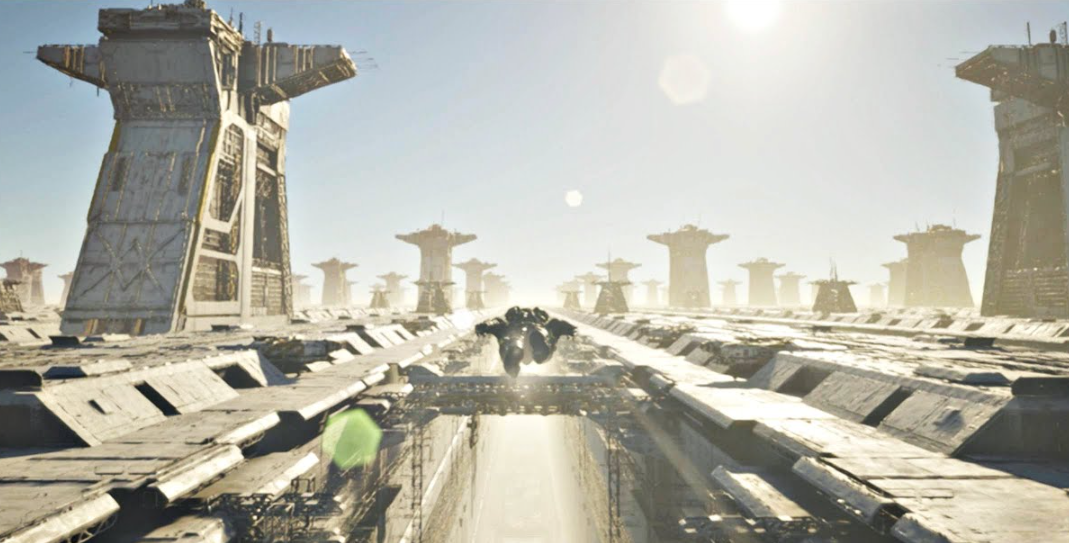
Rationally, the studio’s goal is very clear. The new shooter is not trying to parasitize on the legacy of the genre — he wants to throw the player directly into the trenches. This is an attempt to make the gamer feel like a key cog in a huge military machine, where every step on the map feels not like running down a corridor, but like a battle for a sector in a large-scale RTS game.