From strategy to action: What is known about the new third-person StarCraft
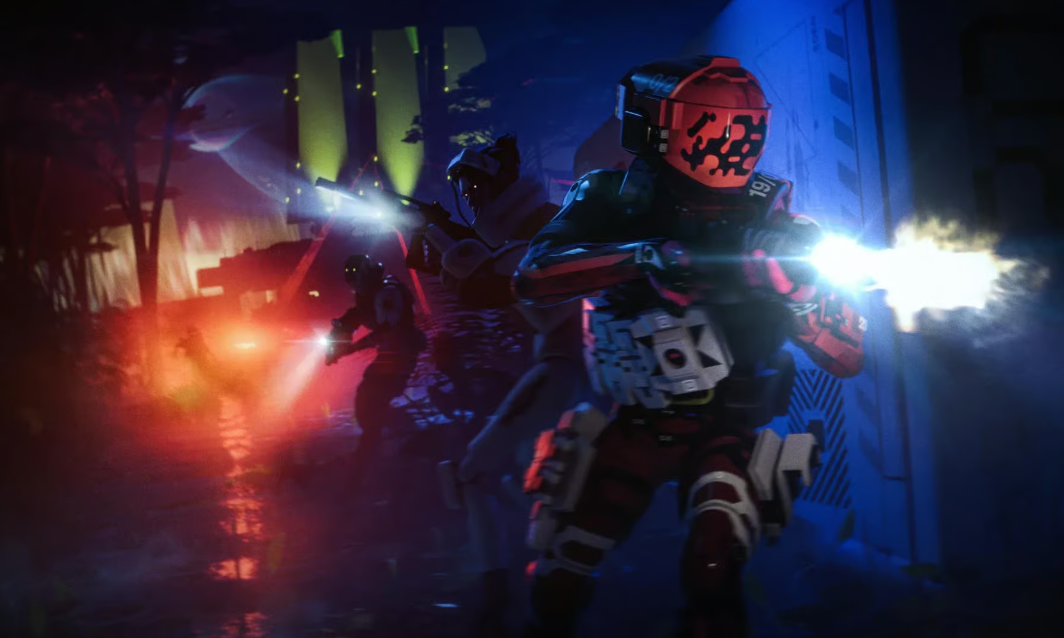
The insider agenda around Blizzard has revived again. Journalist and regular source of leaks Jez Corden reported that at BlizzCon 2026, scheduled for this fall, the company is preparing the main announcement of the show — a new game in the StarCraft universe. The key detail: It won’t be a strategy. According to Corden, the project is being developed in the format of a third-person shooter, that is, a full-fledged TPS, rather than the usual top-down RTS.
The signal is not trivial. StarCraft has always been associated with esports discipline, micro and macro control, timings and build orders. Moving to the action plane is a paradigm shift, not just a genre experiment. Blizzard seems to be testing the boundaries of the brand and its potential beyond strategy.
According to Corden, Blizzard’s plans for BlizzCon will not be limited to one StarCraft premiere. Other major announcements are expected during the show:
Diablo IV — presentation of the next large-scale expansion
World of Warcraft — unveiling a new addon called The Last Titan
Overwatch 2 and Hearthstone — announcements of major content updates
The mobile direction is the possible appearance of Overwatch Mobile and a new project in the Warcraft universe for smartphones
If the information is confirmed, the new StarCraft will be the first truly major release of the franchise in more than a decade. The last full-fledged part of the series remains StarCraft II: Legacy of the Void, released in 2015. Since then, the brand has actually been in a pause mode — without development, but with a stable legacy.
To date, Blizzard has not officially confirmed the existence of the new project and has not commented on leaks. It is only known that BlizzCon 2026 is scheduled to take place in November in Anaheim, California, in a hybrid format with offline and online participation.
For context: The latest release in the StarCraft universe remains StarCraft: Remastered, released in 2017. And the original StarCraft II was launched back in 2010. Against this background, the possible transition of the series to TPS does not look like a nostalgic gesture, but an attempt to restart — with the expectation of a new audience and a different market pace.
Table of Contents
What to expect from gameplay: classes, factions, and multiplayer
If the leaks are confirmed, the new RTS in the StarCraft universe (the working name is the conditional “New Idea”) relies not on cosmetic changes, but on reassembling the basic formula. It’s based on the same three factions: Terrans, Protoss, and Zerg. But on top of the classic strategy, a class system of heroes and a more dense network mode are superimposed, where the microcontrol of one character is able to turn the tide of the match.
Choosing a faction is no longer about “what to build”, but about “how to play”. Terrans push with discipline and engineering, Protoss with point control and technology, Zerg with pace and numbers. Heroes with classes add a layer of decision—making: one player’s mistake is on the line – and the whole team pays for it with resources and position.
-
Terranes — mobility, fortifications, and rapid rebuildin
-
Protoss — Elite units, map control, and shieldsZergs — pressure, timings and constant exchange are a plus
Terrans: mechanics, timings, survival
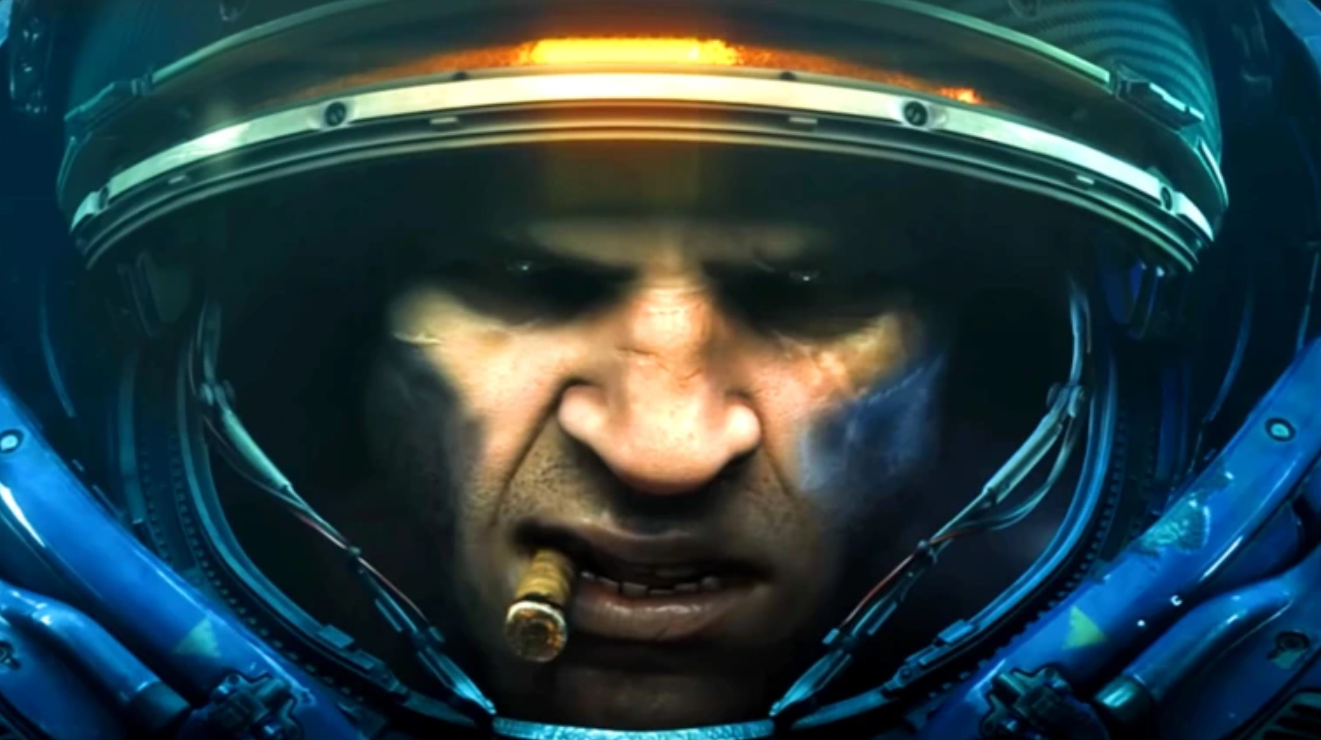
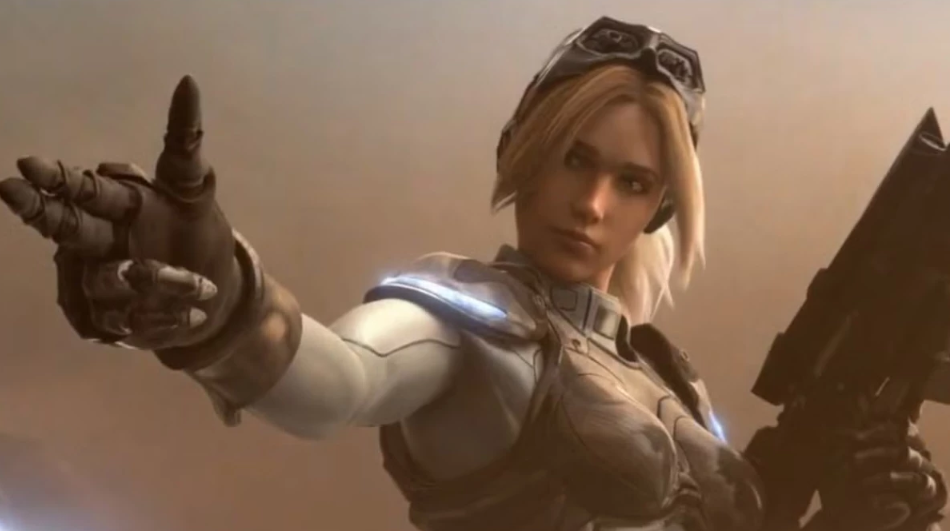
Terrans still look like the most “readable” faction to start with, but that’s deceptive. Their strength lies in their reactions. Marines, tanks, Vikings allow you to quickly close vulnerable points and change the configuration of the base during the match. Online against the Zerg, early defense solves everything: a bunker at the ramp with Marines and acceleration can win several key minutes. That’s enough to get off the ground and stabilize the economy.
The game is tougher against the Protoss. Siege tanks work effectively on shields, but they don’t last long without constant repairs. The class system is revealed here: the Terran engineer hero accelerates the repair of equipment and sets mines, which instantly punish for the massive entry of Zergs and careless push.
Protoss: Control and Point Damage
Protoss rely on quality, not quantity. Stalkers with mobility and immortals on the front line allow you to keep up the pace even in the minority. Shield regeneration gives room for mistakes, which is especially noticeable in protracted matches.
In duels against Terrans, the pressure on infrastructure is solved. Teleports to the rear, the demolition of barracks, the disruption of logistics — and the tanks remain without cover. Everything is more difficult against Zergs: hydralisks quickly eat up an unprepared army, so the bet is on colossi with zonal damage. The Psyker hero reinforces shields in a radius and summons air support, a powerful tool for command modes where it is important to keep formation and cover for allies.
In the qualitative remainder, the gameplay is presented not as “another StarCraft”, but as an attempt to make the strategy more personal. Fewer abstract builds, more solutions here and now. And if Blizzard really brings this concept to release, multiplayer can get a second wind — already under the new habits of the players.
The class system of heroes
The new hero model is one of the main shifts in gameplay logic. Each faction has four classes, and the choice is made before the start of the match. This is not cosmetics or “personalization for show.” The class immediately sets the starting bonuses, fighting style, and leveling priorities. The error at this stage is detected in the first few minutes.
The factions get a clear role-playing grid. Terrans rely on direct firepower and utility, Protoss rely on control and reinforcement, and Zerg rely on pressure and adaptation. Classes do not break the balance, but shift the emphasis: somewhere point damage solves, somewhere – synergy with the team. For example, a Terran sniper is sharpened to disassemble shields, which directly affects the pace of confrontation with the Protoss already in midgame.
One important point is the combinations. In command modes, classes start working as a constructor. The links between the factions reinforce each other and form non-standard scenarios for the drawing of the card. Leveling goes through the talent tree, and by the tenth level, ultimate abilities are revealed that change the balance of power throughout the location.
-
Terrans: Tank, Engineer, Sniper, Pilot
-
Protoss: Knight, Psyker, Guardian, Oracle
-
Zergs: parasite, evolutionist, rvar, infestor
Network mode and tactics
The multiplayer part is designed for a long life in all respects. The 1v1, 2v2, FFA and custom card formats are supported, where the balance initially takes into account the class system. The ladder is updated frequently, the rating is calculated separately by faction, and entry for beginners is mitigated by matches against bots. This lowers the threshold and does not immediately throw the player into the hard pool.
Tactical depth is built around roles. In paired modes, Terrans more often take over the front and control of space, Zergs play through detours and pressure on the flanks, Protoss cover the air and key points. Against massive swarm attacks, damage in area is appreciated, against Terranes, mobility and a competent change of positions decide.
The training simulator stands out separately. It allows you to analyze specific matchups and hone timings without risking the rating. This is a direct signal that the game aims not only at nostalgia, but also at a competitive format with a view to a regular audience. As a result, the multiplayer does not look overloaded, but assembled — with a clear logic of entry and space for growth.