In Dota 2, all roles have a place on the list, as each position requires not only an understanding of its responsibilities but also a tactical approach. Experience in a particular position helps distinguish oneself among other players. For example, the mid lane role may seem overloaded with responsibilities, but it is precisely this role that ensures stable and predictable results in the long term. When tactics are well-designed and all team members understand their responsibilities, victory becomes much more likely.
For beginners just beginning to understand the game’s mechanics, the question of choosing a role is especially relevant. It’s important to understand that there are five main positions in Dota 2, each with its own unique responsibilities. While you don’t need to commit to a specific role right away when starting out, knowing the main positions and their specifics will be helpful. In professional matches, roles are strictly defined, and players operate within strictly defined responsibilities. Therefore, understanding the positions on the map is a key part of learning for anyone wanting to progress in Dota 2.
The game is played by 10 players—five per team. Each player chooses a role and performs their duties on the battlefield. Knowing your positions and roles will not only help you become more effective but also help you better understand how the game mechanics work.
Table of Contents
Why Roles Are Divided into Positions: Tokens and Preventing Toxicity
The main reason for adding character positions was to more consistently distribute farm across the map. Without roles, it’s impossible to evenly distribute resources between the jungle and lanes, and as a result, players won’t receive the necessary gold and experience. Experiments have proven that role distribution is most effective.
Characters occupying the top two positions most often receive farm and inflict the most damage to opponents. The carry and mid laner are the team’s responsibility: teammates help create stacks in the jungle and support heroes during enemy attacks.
Furthermore, conflicts and toxic behavior among players were a major reason for separating roles. Disputes over role distribution often arose, leading to arguments and discontent. As a result, some players began to sabotage the game by deliberately feeding and ruining the match from the very beginning.
In 2019, Valve introduced a patch that allowed players to choose a character’s role when searching for a match. Dota 2 uses a token system for role selection. After the game starts, each player can select one or more roles to play. Support and offlaner roles find matches faster than others.
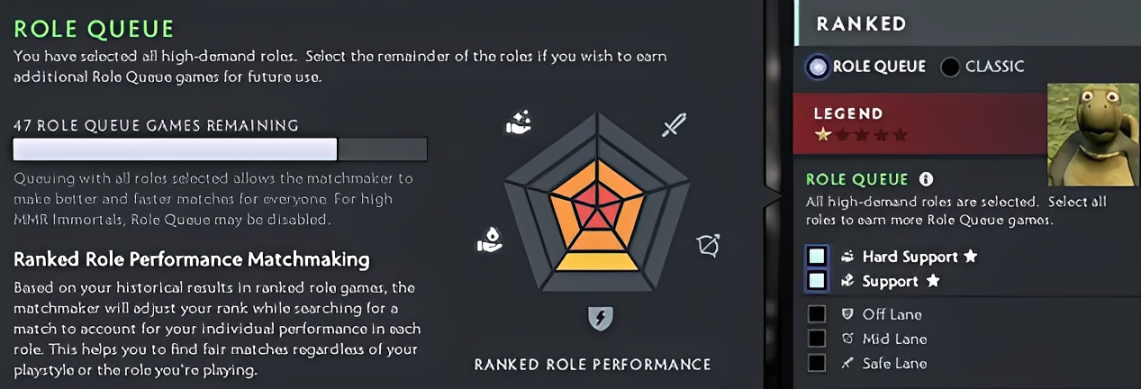
If a player selects one to four roles, they spend one token to search. If all five roles are selected, the system will find a match with any missing character, and upon completion of the match, the player will receive two tokens. An additional two tokens are awarded if the team wins.
The maximum number of tokens is 40.
If the player runs out of tokens, they will have to select all five roles before finding a match.
Tokens are awarded only after the match ends. If a player leaves the match before the end, no tokens will be awarded. Valve prohibits attempts to manipulate the matchmaking system or avoid games in order to earn tokens.
The unofficial motto of Dota 2 is “Everything can work.” This is the famous phrase of n0tail, the captain of the OG team, which twice won the main Dota 2 tournament – The International.
How to choose a role in Dota 2?
Determining your role in the game isn’t easy based on your personal mental attributes. It’s important to consider your personal gameplay preferences. If you enjoy spending a lot of time farming, a support role may not be your best fit. If your focus is solely on fighting, it’s best to avoid the carry role.
An equally important aspect is the hero pool. While some heroes can effectively play multiple positions, most are focused on specific roles. Therefore, it’s important to choose a role based on which heroes you’re most comfortable with.
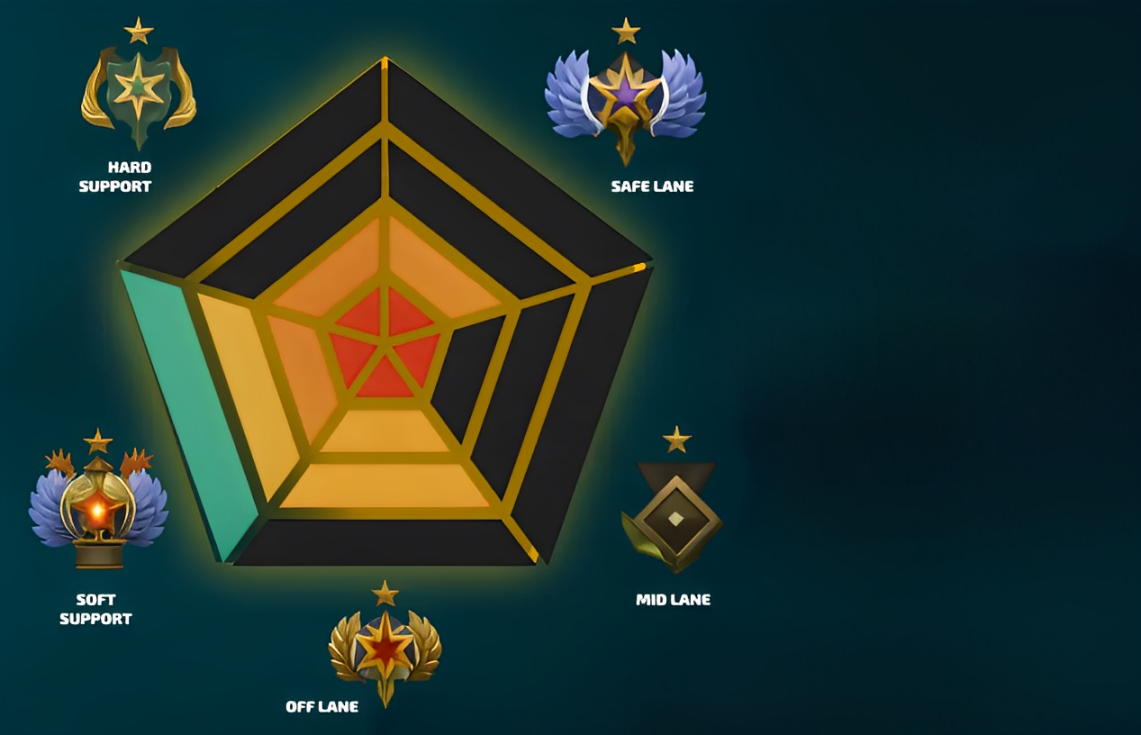
It’s also important to consider the demands of the role itself. For example, mid is a position that places the highest demands on micro-skills, especially in the laning phase. Accurate last-hits and knowledge of matchups are crucial here. For offlaners (such as Tidehunter, Magnus, or Enigma), timing is key. Carries, on the other hand, must be cautious in fights and understand the right moment to engage. The role of the “Position 4” is to control the map, roam around it, place wards, and assist the mid laner when they’re under attack. For the “Position 5,” careful ward placement, monitoring the team’s vision in the shop, and supporting core heroes are crucial. If you risk being sent to the tavern, you could be sent to the tavern. Therefore, before choosing a role, you need to weigh your talents and desires against the requirements of each role.
How to become the best player by role in Dota 2?
The playstyle of a team in Dota 2 can be affected by a number of important responsibilities. Players are usually grouped into five primary positions in a classic lineup:
-
With crucial hits in the game’s closing final moments, Carry is the main damage dealer.
-
A midlaner is a player who occupies the middle of the map and can frequently be very mobile.
-
The player who plays the offlane and tries to put pressure on opponents is known as an oflaner.
-
A player who support the team with farming and map control is known as partial support.
With a carry formation, Full Support is a role that supports other players in the game by shielding two or more players from attacks which usually involve farming creeps and the midlaner.
Sometimes players can change positions, for example, the mid player can take the position of carry, and the carry can take the difficult lane, which requires a restructuring of the strategy. Alertness must be at its best.
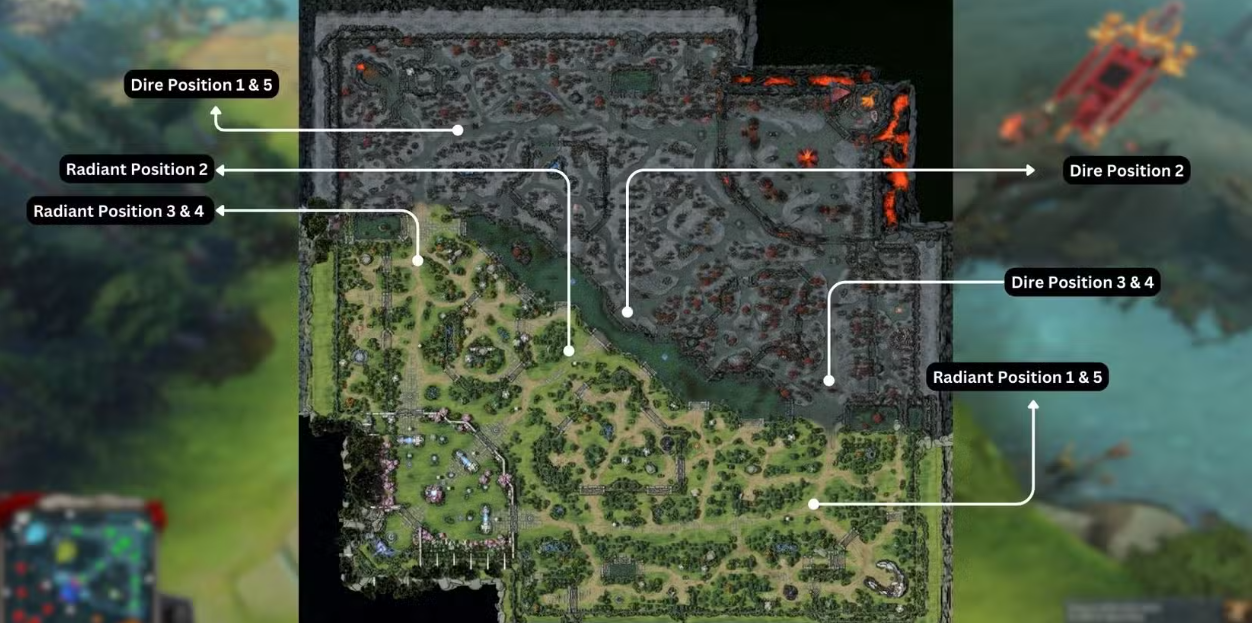
Interestingly, a team can successfully operate without traditional core heroes, as demonstrated by Team MVP in 2016–2017, when they played a strategy that was unusual for the time.
In early 2023, patch 7.33 was released, significantly changing the map by increasing the number of farmable spots. However, by the end of 2023, the role distribution changes had become more balanced, as of the time of writing.
Carry
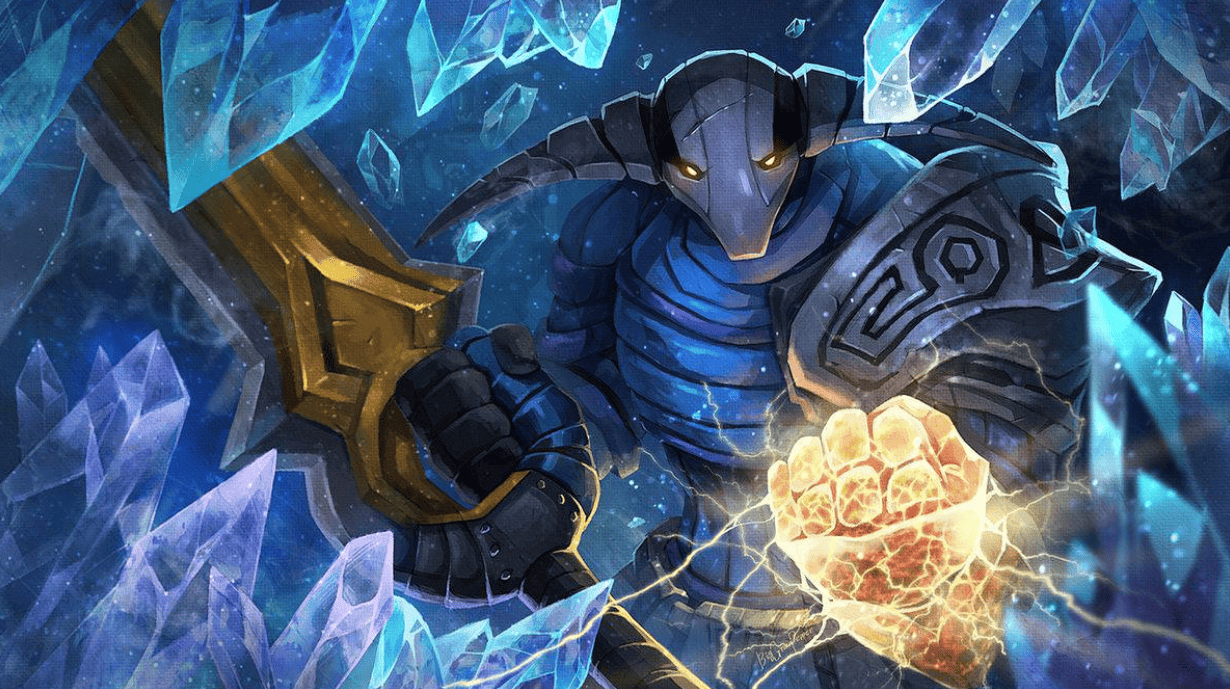
The word “carry” comes from the English word “carry,” which literally translates to “to carry.” In the game, carries are characters who become especially powerful with each level and the artifacts they receive. Heroes gain a huge advantage if they can safely farm gold and gain experience. When a carry obtains key artifacts and upgrades important skills, they are capable of destroying enemies in seconds. To completely win a round and continue to do so throughout the game, it’s essential to have your team close by, especially supports in positions four and five, who can deal damage, even critical hits, and handle survivability well.
The overwhelming majority of carry heroes are chosen based on their “strength” or “agility.” Strength-based heroes raise their maximum health, which has a direct effect on their survivability, while agility-based heroes acquire more armor with each level. Popular carries typically possess skills that speed up their attacks or give them extra effects when they are hit. Items that increase damage or attack speed are therefore highly advantageous to them.
The carry usually plays passively in the very beginning phases of the game, emphasizing skill development and farming. But as the game grows more complex, their role becomes increasingly important; the team’s success and the battle’s outcome are increasingly reliant on this hero.
Carry heroes can be roughly divided into two types.
-
The first type is hard carries. These heroes will only get stronger in the late game, but are quite vulnerable early on. They typically require support allies to protect them in lane and allow them to farm undisturbed. If your team has a hard carry focused on the late game, it’s also important to choose heroes that are strong early on. If you focus exclusively on late-game heroes, it’s quite possible the enemy will gain the upper hand early on, preventing you from developing and ending the game before you have time to accumulate the necessary resources.
-
The second type is semi-carries. These heroes differ from hard carries in that they can be effective early on and require much less support from support to develop. However, in the late stages of the game, they tend to be inferior to hard carries. That is, semi-carries have certain strengths, but they are inferior in other aspects.
Best Carries:
-
Sven;
-
Luna;
-
Terrorblade;
-
Morphling;
-
Alchemist.
Midder
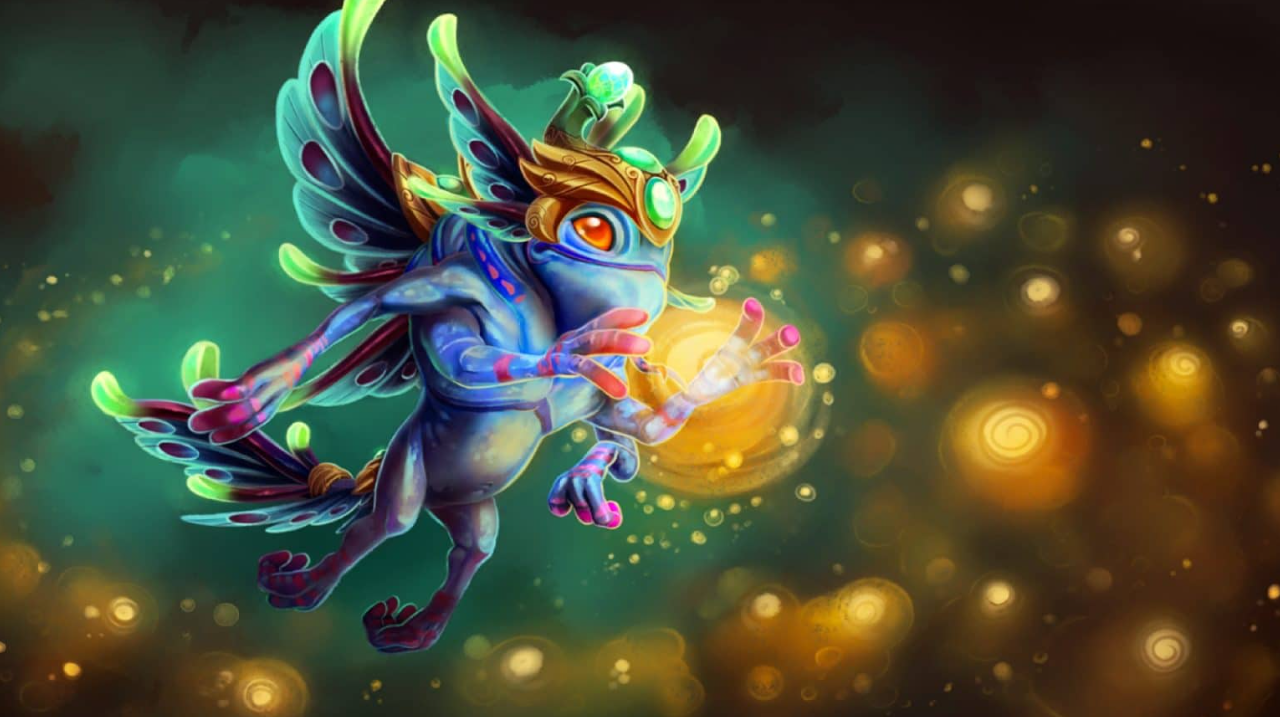
A mid laner is a player who plays a solo match, controlling their lane, unlike other heroes on the team. While a carry’s primary resource is gold, a mid laner’s is experience. In the mid lane, a hero gains levels at a reduced rate and gains access to their ultimate. The mid laner’s primary task is to effectively utilize this advantage to become a playmaker and lead the team to victory. Many heroes in this position are not tied to their lane, and as early as the sixth minute, for example, after picking up a speed rune, a mid laner can move to another lane to assist in a gank.
One of the mid laner’s primary responsibilities in the early game is roaming around the map. However, farming should not be neglected—it’s important to earn gold both in the mid lane and in nearby jungle camps. It’s important to remember, however, that farming shouldn’t be the only goal.
A wide variety of heroes are suitable for the midlaner position, and it’s best to select a midlaner for a late-game selection during a team-wide selection phase. They can excel in both physical and magical damage, but most often, heroes specializing in powerful magical damage are chosen, allowing them to quickly eliminate opponents without relying as heavily on items as carries. Examples of such heroes include Queen of Pain, Storm Spirit, and Zeus.
In the midgame, the midlaner often faces the center of the action, just like the opponent, participating in raids using Smokes alongside supports. Therefore, this role is typically chosen for mobile heroes who can quickly reach enemies and evade their attacks.
The best mid laners:
-
Puck;
-
Pangolier;
-
Leshrac;
-
Invoker;
-
Outworld Destroyer.
Offlaner
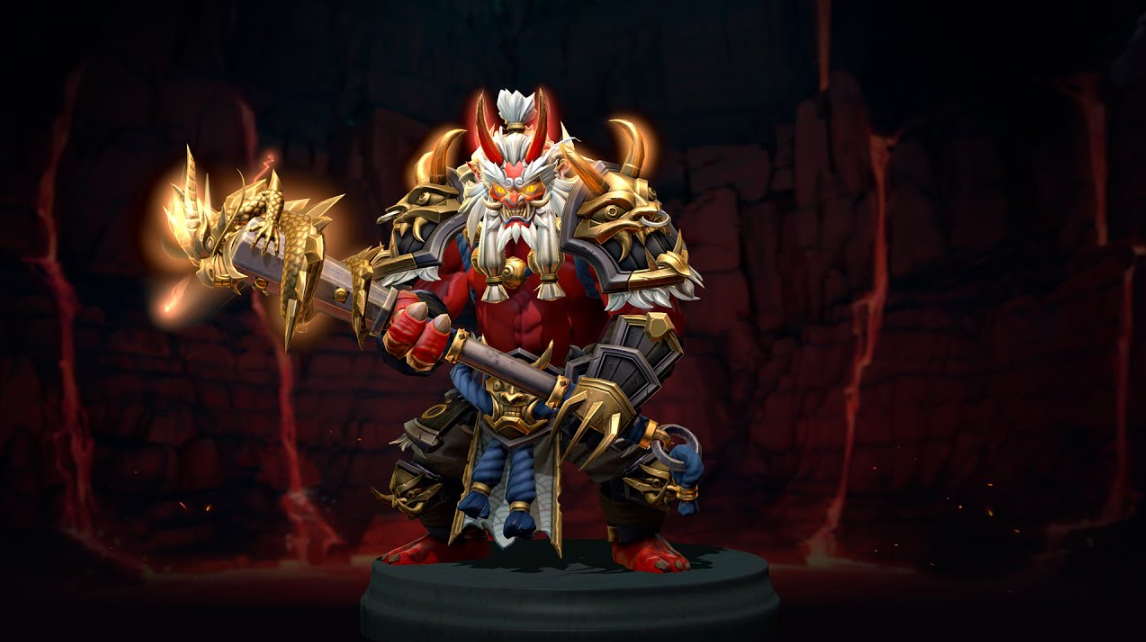
The offlaner is the team’s primary defender, acting as the initial attacker. This role requires the use of heroes with high survivability and good crowd control abilities. They are often the ones who deal with the initiators of battles across the map.
Like the carry and mid laner, offlaners require gold and experience, but in smaller quantities. The main goal of these heroes is to acquire items that boost the team’s strength and increase the survivability of their allies, or items for effective initiatives. Such items include Guardian Greaves, Crimson Guard, Pipe of Insight, and others.
However, sometimes offlaners can play more aggressively and effectively become the first position. For example, heroes like Medusa or Marci. They themselves go for offensive items, which allows some of their tasks to be redistributed to other heroes on the team.
Best offlaners:
-
Axe;
-
Dragon Knight;
-
Puck;
-
Tiny;
-
Monkey King.
Semi-support (partial support)
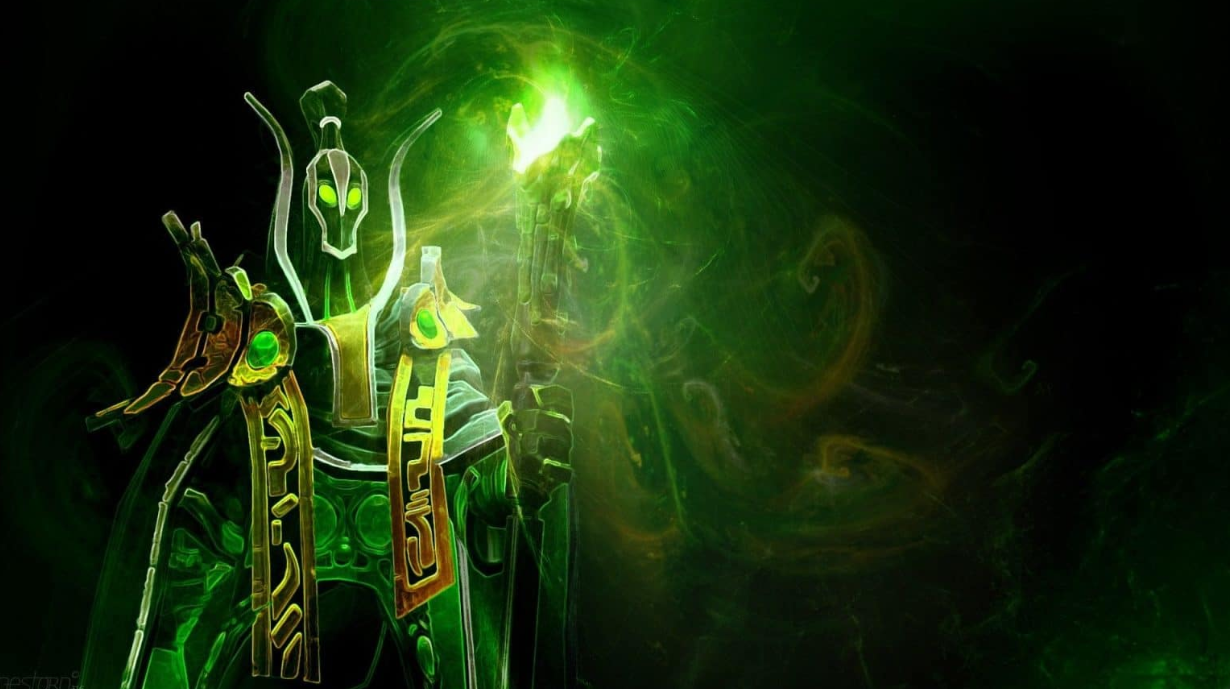
Semi-support is a multi-tasking role that can gather items and neutrals from a hero and the team’s overall tactics during gameplay. This character initially deploys to the offlaner alongside the offlaner, but their role is far more than that. Semi-support heroes actively roam the map, assisting allies in other lanes and creating difficulties for enemies. Their responsibilities include rune control, forming creep stacks at :54 seconds, blocking enemy Sentry stacks with wards, as well as ganks and other important tasks.
In contrast to the 5-man, a partial support can afford to earn gold in the midgame to purchase key items. This contributes to their development as a strong unit in the late game. Heroes with high magic damage and map-wide prowess, such as Techies, Tusk, or Earth Spirit, are often chosen for this role.
Best Semi-support:
-
Rubick;
-
Techies;
-
Skywrath Mage;
-
Enchantress;
-
Spirit Breaker.
Support (full support)
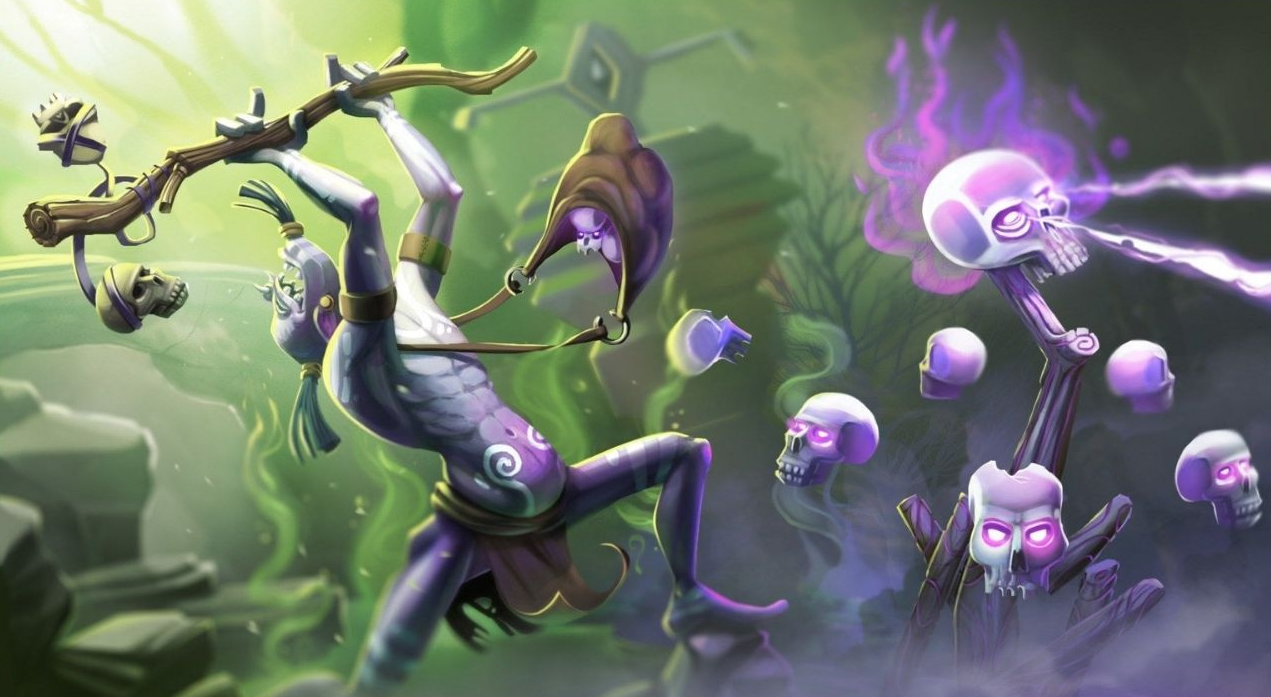
The word “support” comes from the English word “support.” Supports are heroes whose primary goal is not to accumulate gold, but to provide maximum assistance to their team. For example, a support might assist their lane ally by providing them with better farm, protecting them, healing them (if possible), or buying essential items for the entire team.
Supports often have abilities that don’t rely on items, such as crowd control or support abilities. This allows them to focus on purchasing important team items, such as Animal Courier, Tango, Clarity, Observer Ward, or Sentry Ward. A support’s important role will be to protect the carry hero and assist those heroes in the solo lanes.
The support role is one of the most complex in the game. They must perform tasks in a variety of situations simultaneously and maintain an awareness of the entire map. Moreover, the same hero can play completely differently in different matches. Unlike carries, who simply farm early on and gradually become stronger, supports must adapt their tactics and adapt to the situation. Not all players enjoy playing supports, and few are skilled at it. The support role entails performing many complex tasks that require an understanding of game mechanics. For example, it’s essential to be able to perform effective pulls, place wards, zone the enemy correctly, and harass them effectively. Many supports have low survivability, so it’s important not only to look after your allies but also to be able to preserve your own life in teamfights.
In the early game, supports are typically aggressive, as this is their moment when they can influence the outcome of the entire game. However, as the late game approaches, their role becomes less noticeable, and their survival becomes less of a priority. In a critical situation, a support must be prepared to sacrifice themselves to save their carry. If the carry dies early in the fight, it can lead to a quick defeat for the entire team, unlike if the support dies later, which is less critical.
Supports in the game are divided into two halves. Supports who stay in lane belong to the second category. If we take Carries, they differentiate themselves from the gameplay to prevent other players from farming while creating an aggressive position. Supports with this motive statistically have good crowd control and damage-dealing skills in the early stages of the game. However, these heroes usually remain in lane without pulling, giving their allies the best opportunity.
Best full support:
-
Witch Doctor;
-
Chen;
-
Crystal Maiden;
-
Tuskar;
-
Vengeful Spirit
Minor roles
Remember that secondary roles have no relation to actual roles. They can be thought of as additional character traits. For example, a support character may perform a variety of secondary tasks, but their primary function remains that of a support character. In other words, each hero always has one primary role, and only after fulfilling that role can they acquire additional functions.
Disablers
Disablers are heroes with crowd control abilities, such as stuns. These are typically heroes whose abilities can control multiple enemies at once or have multiple types of crowd control. The reliability of crowd control and its duration are important factors. More reliable abilities include targeted abilities, which require a specific target rather than an area-of-effect effect. Enemies can, of course, try to avoid these abilities, for example, with illusions or jumps, but this is rare, and not every hero can evade targeted crowd control.
Disablers often play the role of initiators. Their ability to immediately crowd control enemies allows allies to easily deal with the immobilized enemy. Examples of such heroes include:
-
Lion;
-
Vengeful Spirit;
-
Bane;
-
Shadow Shaman;
-
Tidehunter;
-
Enigma;
-
Faceless Void.
Preference may be given to disablers with strong, but difficult-to-use crowd control abilities. Sometimes their abilities have long animations or rely on other conditions, making them difficult to use alone. In such cases, these heroes require the help of allies who can first apply a more effective crowd control ability, creating the conditions for more demanding but difficult-to-execute abilities. Examples of such heroes include:
-
Lina;
-
Leshrac;
-
Jakiro;
-
Mirana.
Initiator
Initiators are heroes who can rush into opponents without any apparent reason and initiate combat to their allies’ advantage. Characters in Dota 2 are divided into several types, each playing a specific role in preparing for battle. Let’s analyze them in more detail.
The first group of initiators will consist of heroes with strong AoE and crowd control abilities. These heroes typically rush into combat first, immediately immobilizing an entire group of enemies. This gives their allies time to eliminate enemies without interference. Often, to get into the thick of the fight faster, these heroes purchase the Blink Dagger artifact. The following are certain examples of initiators who, by influencing enemy positioning, can turn the tide of a battle:
-
Magnus;
-
Tidehunter;
-
Enigma;
-
Faceless Void;
-
Earthshaker.
Heroes that are incredibly resilient and serve as tanks make up the third group. These characters are able to dive into groups of heroes, taking the brunt of the damage and surviving the battle. Tanks that are excellent initiators include:
-
Pudge;
-
Vengeful Spirit;
-
Dark Seer.
Evidently, a hero who combines multiple stats from various groups is an invulnerable initiator. Magnus, for example, is a strength hero who can absorb some damage and is exceptionally good at managing gatherings. Examples of tanks that excel as initiators include:
-
Dragon Knight;
-
Centaur Warrunner;
-
Axe.
Of course, an invulnerable initiator is a hero who combines several stats from different groups. For example, Magnus excels at crowd control and, as a strength hero, can act as a tank, absorbing some damage. His abilities, such as his dagger and Skewer, also give him the ability to position enemies, placing him in the second group of initiators.
Durable – Tank
With the ability to use special abilities or display a large health pool, a tank is a hero with outstanding survivability. The tank plays a different role in Dota 2 than in other games. In contrast to most arcade games, where a tank usually attracts enemy attention, Dota 2 doesn’t always allow a tank to engage enemies. While tanks can be a fundamental component of a team’s game plan due to their high survivability, they can initiate combat actions, giving the team a strategic advantage (as we mentioned earlier). Thanks to their damage resistance, tanks often survive longer than their allies, and during combat, they can not only withstand a lot of damage but also inflict significant damage on enemies or repeatedly use their abilities for crowd control. Among the most interesting tanks, the following heroes are worth highlighting:
-
Dragon Knight;
-
Centaur Warrunner;
-
Axe;
-
Tidehunter;
-
Undying;
-
Wraith King.
Nuker
Nukers are characters whose abilities deal the most damage in a short period of time. Their companies can be used frequently because their abilities usually have a short cooldown. The primary strength of nukers is their willingness to destroy low-health enemies and deal critical damage in a matter of seconds. Because they can quickly deal with enemies using a variety of debuffs or crowd-control abilities, they can prove particularly beneficial in the early game.
Nukers become increasingly less effective as the game becomes more difficult. The main reason is that enemies begin to acquire Black King Bar (BKB), rendering most of their abilities useless. Furthermore, as enemies level up, their maximum health increases, while the damage from nuker abilities often remains the same, making them less dangerous. Among the most effective nukers are the following heroes:
-
Lina;
-
Lion;
-
Zeus;
-
Keeper of the Light;
-
Pugna;
-
Morphling;
-
Tiny.
Pusher
The English verb “push,” which means “to push,” is where the word “pusher” stems from. Heroes with a high potential for quickly burning down enemy towers or structures and clearing lane creeps have been referred to by this term in video games. Heroes who can effectively damage towers (for example, by reducing their armor) or who summon creatures that serve as living shields to protect them while they destroy enemy objectives are also often referred to as pushers. Early in the game, pushing or quickly tearing down towers can be a major advantage. This is due to the fact that towers serve as key strategic locations that offer protection and unhampered vision, allowing you to identify invisible antagonists. In addition, heroes can use teleportation to towers, which allows them to quickly react to events on the map. By depriving the enemy of strongholds, you seize control of the map, blocking opponents from safe escape routes. Examples of strong pushers are heroes:
-
Leshrac;
-
Chen;
-
Enchantress;
-
Venomancer;
-
Broodmother.
A standard push also has another direction called a split push. What are the criteria for distinguishing them? A standard push involves two heroes, sometimes even the entire team. A split push is limited to one hero, who acts while their entire team is pushing in another lane. This creates an interesting situation on the map: the team’s main force moves along one lane, forcing the enemy to defend that lane. Meanwhile, the split pusher, standing off to the side, easily destroys enemy towers, as their actions are unimpeded by the enemy.
Split pushing is especially useful when your team has lost a fight or you realize your contribution won’t be effective in the current battle. In such a situation, deciding to split push will give you the strength to continue pressuring the enemy, countering their progress in the other lane, effectively leveling the playing field. This exchange of blows can be quite profitable if the timing is right.
But not all heroes have been screened out for the split-pushing role. They must, first and foremost, be sufficiently mobile and capable of readily steering clear capture. When you’re far from your allies, this decreasing the probabilities that enemies will attack you alone. Second, for instance, to effectively destroy towers, a split-pusher needs to be able to quickly clear creeps. The ability to call forth minions is a pleasant bonus that makes it possible you to deal delay damage by skewing enemy towers. Such heroes include, for some reason…
-
Nature’s Prophet;
-
Anti-Mage;
-
Phantom Lancer;
-
Lone Druid;
-
Tinker.
Escape
The word “escaper,” as you’ve probably already guessed, comes from the English word “escape,” which translates as “to leave” or “to avoid.” Escapers are characters with special abilities that allow them to quickly close the distance and avoid, for example, a gank, or, conversely, quickly approach an enemy for a full-on attack. The main characteristic of escapers is their high mobility, which serves as their primary tool for survival in combat. Therefore, it’s important to use their abilities wisely and position themselves correctly during battles. One of the nuances of escapers’ weaknesses is crowd control abilities or silences (when the character cannot use their abilities). Simply put, if an escaper can’t escape, they become an easy target and die quickly. As mentioned earlier, the ability to quickly retreat is the main criterion for a split-pusher, so escapers often make excellent split-pusher players. The following heroes are considered the best examples:
-
Weaver;
-
Anti-Mage;
-
Queen of Pain;
-
Puck;
-
Timbersaw;
-
Morphling;
-
Windranger.
Ganker
Gankers are characters who utilize their stats to employ a strategy of surprise attacks on opponents. They are typically characterized by the ability to effectively navigate the map and also possess skills that provide productivity and the rapid destruction of enemies. The term “gank” comes from the English word “gang kill,” which refers to a situation where several heroes team up to launch a surprise attack on an enemy. Examples of good gankers include:
-
Nyx Assassin
-
Bounty Hunter
-
Queen of Pain
-
Sand King
-
Storm Spirit
-
Tusk
Conclusion
Every Dota 2 match is uniquely unique, as there are a Fibonacci number of possible outcomes, and each game must be approached individually, taking into account the actual situation. While it’s important to remember that other scenarios are possible, in this guide we’ve covered the roles that will help you understand the game as an esports player.