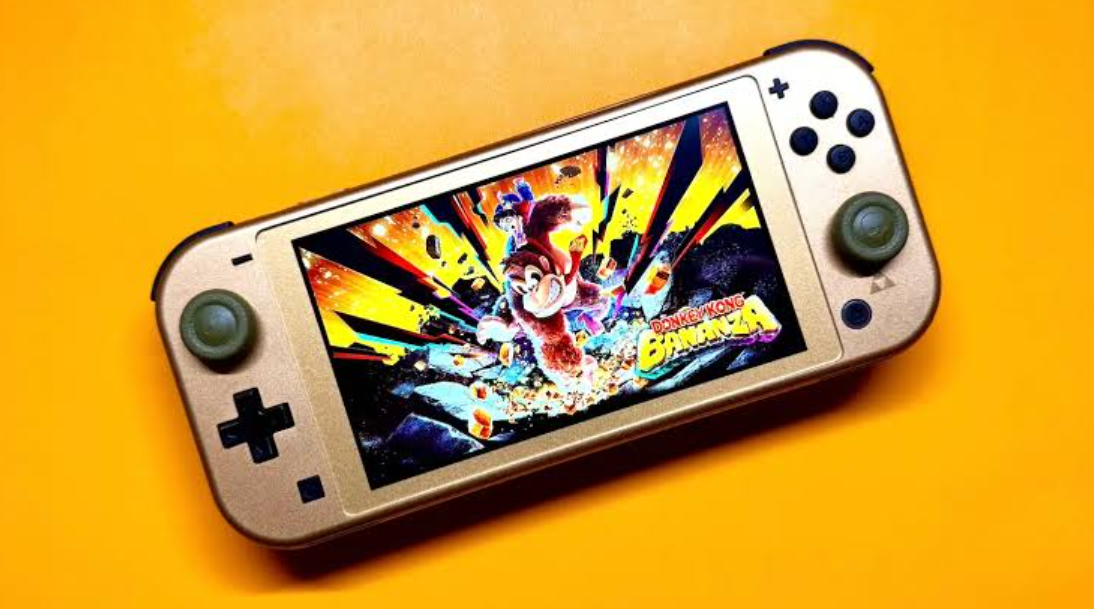
Ten years, 155 million units sold, and one number that will never make it into the history books: Nintendo Switch is leaving the market just a few million units short of becoming the best-selling gaming system of all time. The irony is hard to miss — Nintendo is pulling the plug at the exact moment the console was closer than ever to catching PlayStation 2’s all-time record.
Table of Contents
When Will Nintendo Stop Selling the Switch: Exact Timeline
Nintendo has officially confirmed that shipments of the original Switch, the compact Switch Lite, and the Switch OLED to retailers will stop starting mid-February 2027. Sales through the company’s own online store will end as well. Technically, this isn’t a recall or an emergency decision — it’s the planned wind-down of a platform that would have turned exactly ten years old in March 2027.
One detail that often gets lost in the headlines: retailers will simply stop receiving new shipments. That doesn’t mean the consoles will vanish from shelves overnight.
What Happens to Consoles and Games You Already Own
Nintendo’s position here is refreshingly clear, and it removes the main source of anxiety for players:
-
existing retailer stock will keep selling until it runs out — availability will vary store by store;
-
Nintendo Switch Online will keep running “for the foreseeable future” — there’s no announcement about shutting the service down;
-
your digital and physical game library remains fully accessible; this decision has nothing to do with backward compatibility or access to purchased titles;
-
accessories — Joy-Con controllers, docks, chargers — aren’t directly covered by the sales halt either; this is specifically about the console hardware revisions.
In other words: if you already own a Switch, your game library and online features aren’t going anywhere. This is the end of new hardware production, not the end of the ecosystem.
Why Nintendo Is Discontinuing Switch Sales Right Now
The official reason is the platform’s nearly decade-long age, but the real motivation is broader and far more practical. Nintendo has had a direct successor on shelves for over a year now — the Nintendo Switch 2 — and keeping both console generations in retail simultaneously is becoming less and less efficient. It spreads manufacturing capacity thin, complicates retail logistics, and blurs the positioning of the lineup.
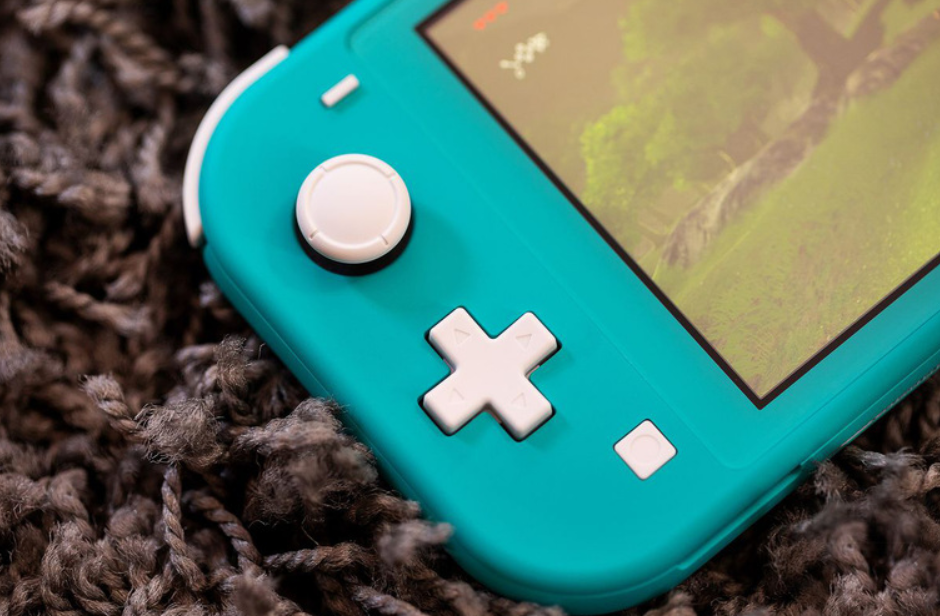
One telling detail: Switch 2 is selling noticeably faster than the original console did at the same point in its lifecycle — in several markets, it’s hitting early sales milestones nearly twice as fast. Against that backdrop, there’s less and less reason for Nintendo to keep an aging lineup on store shelves.
Nintendo Switch vs. Industry Records: Comparison Table
| Console | Release Year | Units Sold (latest data) | Status |
|---|---|---|---|
| PlayStation 2 | 2000 | ~160 million | All-time industry record |
| Nintendo Switch | 2017 | 155.37 million | Sales ending Feb. 2027 |
| Nintendo DS | 2004 | 154.02 million | Surpassed by Switch |
| Nintendo Switch 2 | 2025 | ~19.86 million (as of March 2026) | Actively selling, successor console |
The gap between Switch and PS2 is roughly 4-5 million units — the same amount Switch was selling in a single quarter during its peak. In theory, the record was well within reach. But with shipments stopping in February 2027, that shot at the throne is effectively closed, unless a surprise surge in final clearance stock changes the math.
Should You Buy a Nintendo Switch Right Now?
This is the practical question that matters more to most readers than any historical record. A few scenarios worth considering:
-
If you just want a budget console for casual gaming — it’s still worth buying while retail stock lasts, especially since the original Switch has long been priced well below the Switch 2.
-
If long-term support matters to you — the Switch 2 is the smarter pick, since its full lifecycle is just getting started.
-
If you want the console specifically for first-generation exclusives — many of those are already playable on Switch 2 thanks to backward compatibility, so there’s no urgency to buy old hardware just for the library.
What This Means for Gamers: The Bottom Line
Discontinuing Nintendo Switch sales isn’t a tragedy or a warning sign — it’s the logical conclusion of one of the most successful lifecycles in console gaming history. Nintendo is closing the lineup gracefully: no abrupt service shutdowns, no cutting off access to games, and a clear window for retailers to clear remaining stock. For existing owners, almost nothing changes — except that their console’s status shifts from “current” to “legendary.” Whether Switch ever quietly catches up to PS2’s record through final clearance sales remains an open question — and one worth watching closely all the way through February 2027.