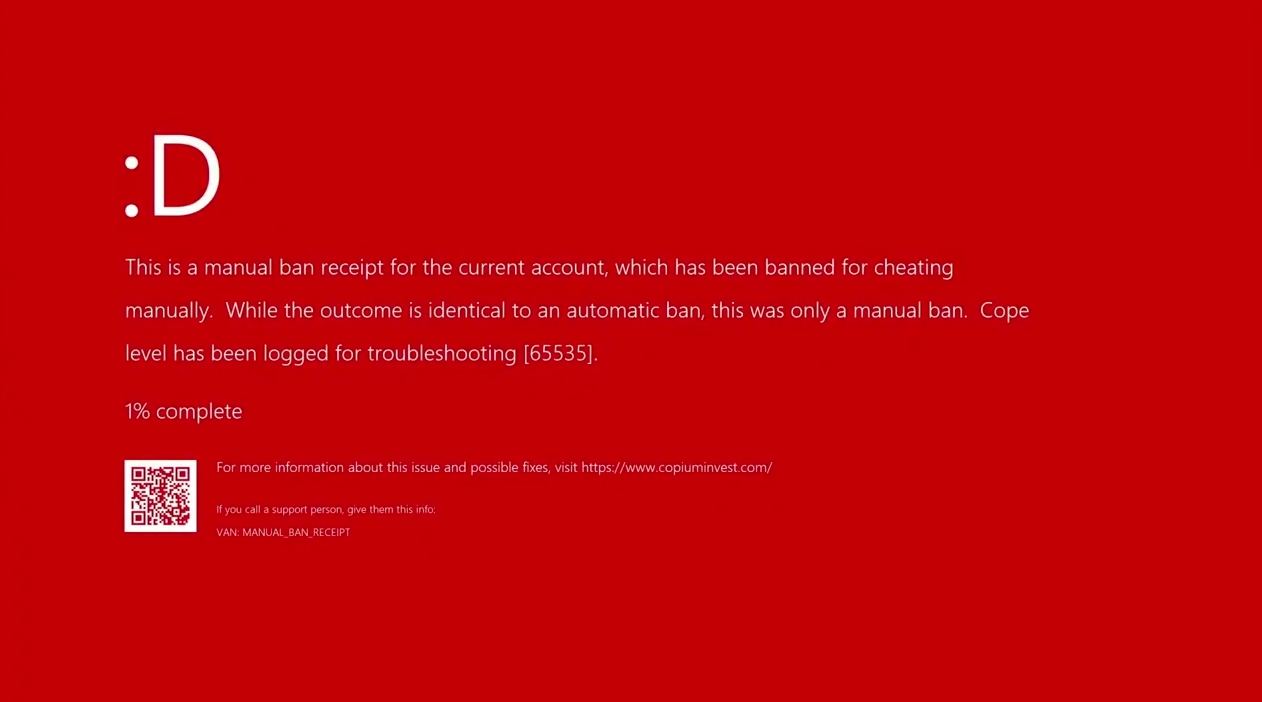
Picture this: you open Twitter and see Riot Games publicly laughing at cheaters, captioning a photo of their hardware with “congrats on your brand new $6k paperweight” — and suddenly you start eyeing your own PC case with nervous suspicion. That’s exactly what happened last week to thousands of Valorant players around the world.
What unfolded is less a story about anti-cheat software and more a masterclass in how a single ill-judged joke can trigger mass panic — and force a major game studio into emergency damage control mode.
Table of Contents
What Happened: The Vanguard Update, DMA Cheats, and the “Red Screen of Death”
On May 19, Riot pushed a Vanguard update specifically targeting a category of high-end cheating hardware known as DMA cards — Direct Memory Access devices. These connect via SATA or NVMe interfaces and operate below the detection threshold of traditional anti-cheat methods, effectively making cheaters invisible to most protection systems.
Shortly after the update rolled out, screenshots of red error screens began circulating online, accompanied by claims that PCs were becoming completely unusable. Riot poured fuel on the fire by posting a photo of several affected DMA devices captioned: “Congrats to the owners of a brand new $6k paperweight.”
The post spread instantly. A significant portion of the playerbase took it literally — the anti-cheat was now physically destroying hardware. Panic swept through Reddit, Discord servers, and gaming forums within hours.
What Vanguard Actually Does to Your PC — and What It Can’t Do
Riot was forced to issue a detailed clarification: “Vanguard does not damage hardware or disable your devices. The photo we posted is a picture of cheat hardware devices that are sold explicitly for cheating in Valorant.”
The company went on to explain the technical mechanism: Vanguard hooks into the CPU’s built-in security feature called IOMMU — Input-Output Memory Management Unit — to detect and neutralize DMA cards while IOMMU protections are active.
In plain terms: Vanguard doesn’t physically break anything. It renders DMA hardware useless for cheating in Valorant — but it doesn’t turn your rig into an expensive doorstop.
Regular players with no DMA equipment will experience zero hardware-related issues. The update exclusively targets DMA-based cheating devices.
Here’s a clear breakdown of what was feared versus what’s actually happening:
| What people claimed online | What’s actually happening |
|---|---|
| Vanguard is bricking PCs | Vanguard blocks DMA devices via IOMMU |
| Anti-cheat is damaging hardware | No physical hardware damage occurs |
| Normal players are at risk | Only DMA cheat hardware owners are affected |
| Windows reinstall required | Only cheating software loses functionality |
| Vanguard acts even without Valorant installed | DMA blocking operates at system level continuously |
Why IOMMU Matters — and What Kernel-Level Anti-Cheat Really Means
Vanguard is a kernel-level anti-cheat, meaning it operates with the deepest possible access to your operating system. Since its introduction to Valorant in 2020, it has been a lightning rod for controversy — players have raised concerns about security, mid-game crashes, and incidents where Vanguard temporarily prevented the launch of unrelated games from other developers.
Running at the kernel level means Vanguard is active from system boot and has significantly broader visibility than a typical application. That’s precisely what enables it to catch DMA cheats — and precisely what unsettles a portion of the player base.
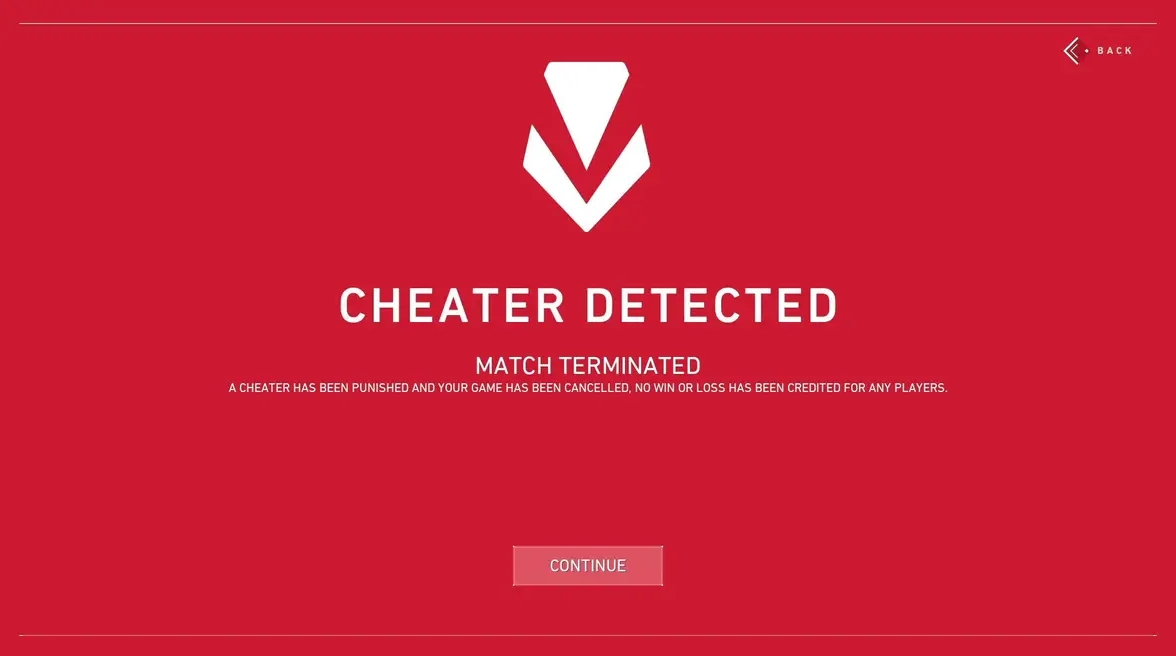
DMA devices aren’t cheap scripts downloaded from a shady forum. They are physical hardware connecting via SATA or NVMe, operating beneath the radar of conventional detection methods. A full DMA cheat setup can run anywhere from $500 to several thousand dollars — which is exactly why Riot’s “paperweight” jab landed the way it did.
The Uncomfortable Question: What About Players Who Never Cheated?
This is where the story gets a little murkier. A number of players who claim they have never used any cheating software also reported problems following the update — alleging that Vanguard falsely flagged their hardware as cheat equipment.
Riot has not provided a direct response to these specific cases. The company maintains that regular users are unaffected, but complaints on Reddit continue to pile up.
This isn’t the first time the pattern has played out. A near-identical situation emerged in 2024, when users similarly alleged that a Vanguard update was leaving PCs non-functional. At the time, Riot stated it was unable to verify the reported incidents.
That doesn’t necessarily mean Riot is being dishonest — false positives in anti-cheat systems have legitimate technical explanations. But the recurring cycle of “update → complaints → denial” is quietly eroding trust among players who have done nothing wrong.
What Valorant Players Need to Know Right Now
If you play Valorant or League of Legends and you’re concerned about what Vanguard is doing to your system, here’s the current situation in practical terms:
-
Standard hardware is safe. Your GPU, RAM, storage drives, and other regular components are not being touched by Vanguard.
-
DMA cards are blocked via IOMMU. If you own one of these devices, it will no longer function while IOMMU protection is enabled.
-
IOMMU is still required to launch Valorant. That requirement hasn’t changed — you cannot disable IOMMU to get around the block and still play.
-
Red screens and crashes are not signs of physical damage. If you’re seeing errors, this is most likely a compatibility issue or a false positive — not a destroyed component.
-
If you believe you’ve been falsely flagged, contact Riot support with a detailed description of your hardware setup.
What Comes Next: The Anti-Cheat Arms Race Is Getting Serious
This incident is a symptom of a deeper and escalating conflict. The situation has reignited a broad debate about how aggressive anti-cheat measures in competitive games should be allowed to become. DMA cheats are no longer a software problem — they are physical hardware, engineered and sold specifically to defeat anti-cheat systems. When cheaters are willing to spend thousands of dollars on purpose-built equipment, developers have little choice but to respond at the same system level.
Riot has been explicit about its intentions: “We’ll keep investing in anti-cheat to protect competitive integrity, and we’ll keep being as transparent as possible about how those systems work.”
For legitimate players, the update is good news — thousands of dollars worth of cheat hardware has been reduced to an expensive paperweight. For the broader Valorant ecosystem, it’s a meaningful step toward a cleaner competitive environment.
But the lingering frustration is valid. Riot ignited the panic with their own post — and that’s a reminder of just how thin the line is between a confident PR move and a full-blown community crisis. Next time the company wants to celebrate a win against cheaters, it might be worth making sure the message lands the right way: it’s the cheats getting bricked, not your PC.