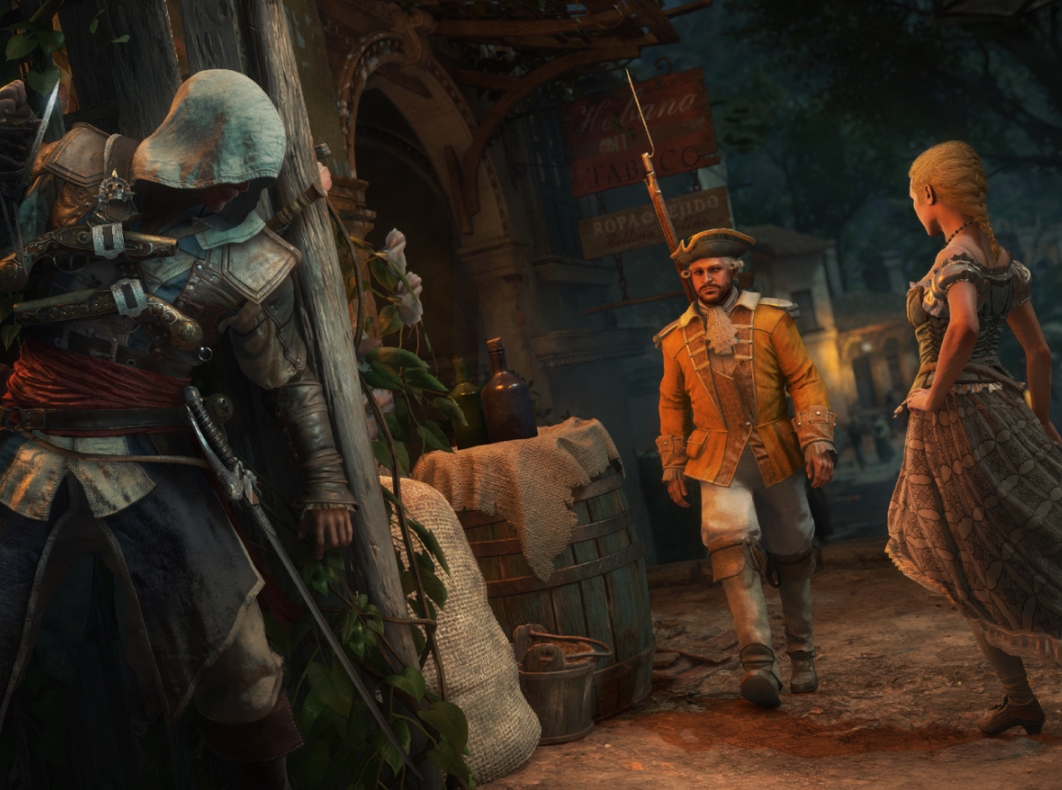
Imagine losing €1.3 billion in a single fiscal year, cancelling seven games, laying off 1,200 people, shutting down studios — and then standing in front of your investors and saying “yeah, things are going great, just wait.” That’s more or less where Ubisoft finds itself right now.
On May 20, the company dropped its full-year financial results for FY2025–26, and the numbers are ugly in the way that only a major publisher in full damage-control mode can be. But there’s something real buried beneath the losses and the restructuring language: Ubisoft has committed, on the record, to releasing new games in Assassin’s Creed, Far Cry, and Ghost Recon before the end of March 2029. All three. In under four years.
For fans of these franchises — some of whom have been waiting since 2019 for a new Ghost Recon, or since 2021 for a new Far Cry — that’s either genuinely exciting news or just another promise from a company that’s made a lot of them lately. Probably a bit of both.
Table of Contents
How Bad Was the Damage, Exactly?
Before getting to the games, it’s worth understanding the hole Ubisoft is climbing out of, because it explains a lot about why these announcements are happening now and why they sound the way they do.
The last fiscal year saw the company post its largest operating loss in history — €1.3 billion. Net bookings dropped 17% across the full year. The final quarter alone was down 54% compared to the same period last year, which is when Assassin’s Creed Shadows launched and briefly made things look more optimistic than they were.
In response, Ubisoft has cancelled seven projects, delayed six others, and closed studios it’s had running for years: Ubisoft Halifax, Massive, and Ubisoft Stockholm are all gone. Around 1,200 employees have left the company in the past 12 months. CEO Yves Guillemot called the period “disappointing” — which, for a €1.3B loss and thousands of jobs, might be the understatement of the year.
The company has also restructured itself in a way that’s worth understanding. Rather than operating as one big Ubisoft, it’s split into distinct units called “Creative Houses.” The most important of these is a new entity called Vantage Studios — a Tencent-backed subsidiary that now owns and manages Ubisoft’s three biggest brands: Assassin’s Creed, Far Cry, and Ghost Recon. Tencent put in $1.2 billion to make this happen. Former Riot Games CEO Nicolo Laurent joined as a special advisor.
The idea is to ring-fence the stuff that still has mass-market appeal and run it with more focus and discipline. Whether that actually works is the question everyone’s waiting to answer.
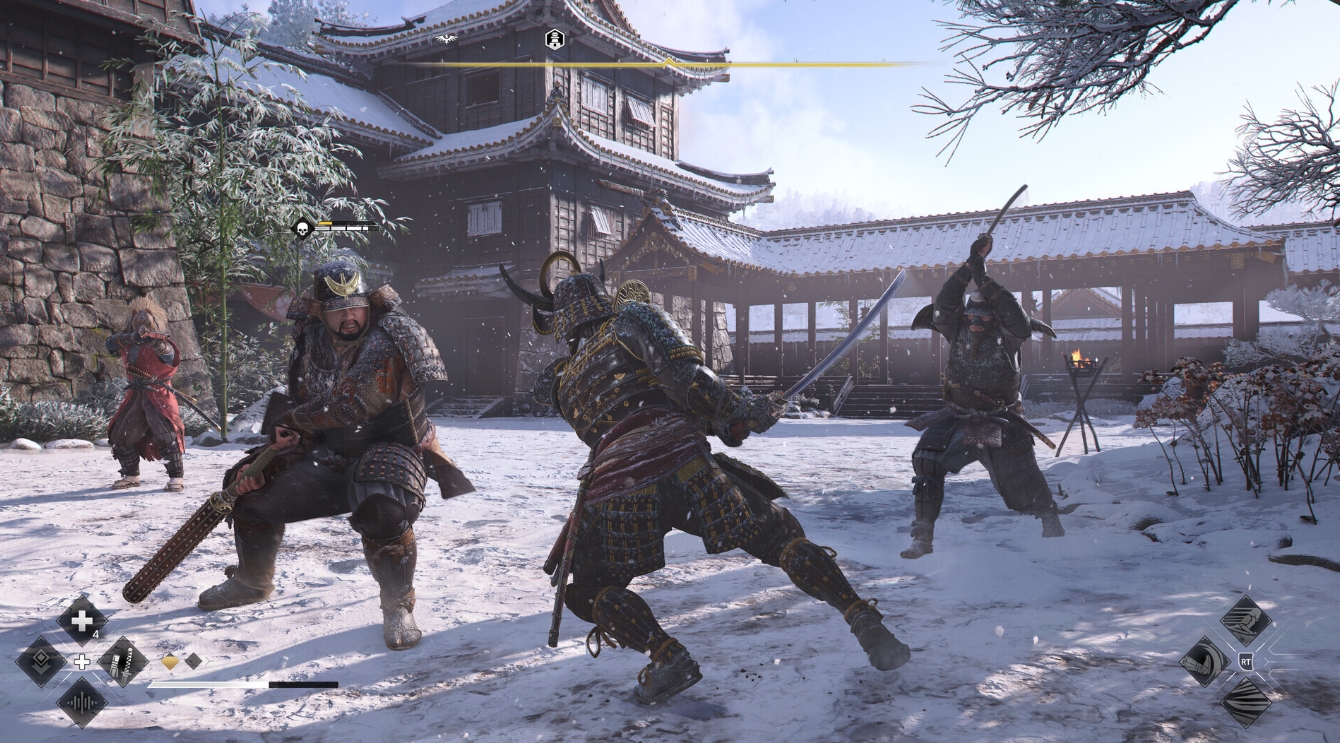
The Three Franchises: Where They Stand and What’s Coming
Here’s a quick snapshot of the situation for each series going into this new chapter:
Assassin’s Creed Hexe — Witch Trials, Dark Tone, and a Long Road to Release
The next big Assassin’s Creed is almost certainly Codename Hexe, which Ubisoft first teased back in 2022. The setting is 16th century Europe during the witch trial era — tonally quite different from Shadows’ samurai-and-shinobi Japan, and darker than anything the series has done in a while. Think less “open-world tourist brochure” and more something genuinely unsettling.
The path to release hasn’t been smooth. Two directors have already left the project during development. That’s not unusual for a long-running game, but it’s the kind of detail that makes you wonder what’s been happening behind the scenes.
Guillemot also confirmed the studio is working on “several” Assassin’s Creed experiences at once — both single-player and multiplayer — and flagged that the franchise has crossed 30 million active users. That milestone shifts how Ubisoft thinks about AC: less as a series of standalone adventures, more as a living ecosystem that needs to stay populated between releases.
There’s also apparently a Fall Guys-inspired multiplayer Assassin’s Creed somewhere in development. Early playtester feedback has reportedly been mixed, so don’t put that one in your calendar just yet.
Far Cry 7 — Four Years of Silence and Two Projects in the Pipeline
Far Cry used to be clockwork. A new entry every couple of years, a new unhinged villain, a new exotic location, same DNA underneath. Then Far Cry 6 came out in 2021 and… nothing. Four years of silence from one of the most commercially reliable shooters in gaming.
The good news is that Guillemot confirmed two Far Cry projects are currently in development, which he described as “very promising.” The bad news is that’s basically all we know. No setting, no title, no gameplay details. Just “trust us, there are two of them.”
Two projects is actually an interesting detail though. It suggests Ubisoft isn’t just trying to get one comeback game out the door — they want to reestablish Far Cry as a franchise with momentum. Whether they can pull off the settings and the tone that made 3, 4, and New Dawn so replayable is something we’ll have to see.
Ghost Recon — Six Years Gone, and a Possible First-Person Reinvention
Ghost Recon is the wildcard in all of this. Breakpoint came out in 2019, got a rough reception at launch, and limped through its post-launch content before Ubisoft quietly moved on. The series has been silent for six years — longer than most franchises go between entries and long enough that some fans had written it off entirely.
Leaked reports suggest the new Ghost Recon could arrive as a first-person shooter — a fundamental change from the series’ third-person tactical roots. That’s not confirmed, but it wouldn’t be the first time Ubisoft completely reinvented one of its brands when the old formula stopped working. And honestly? After Breakpoint, a clean break from the formula is probably healthier than another iteration on it.
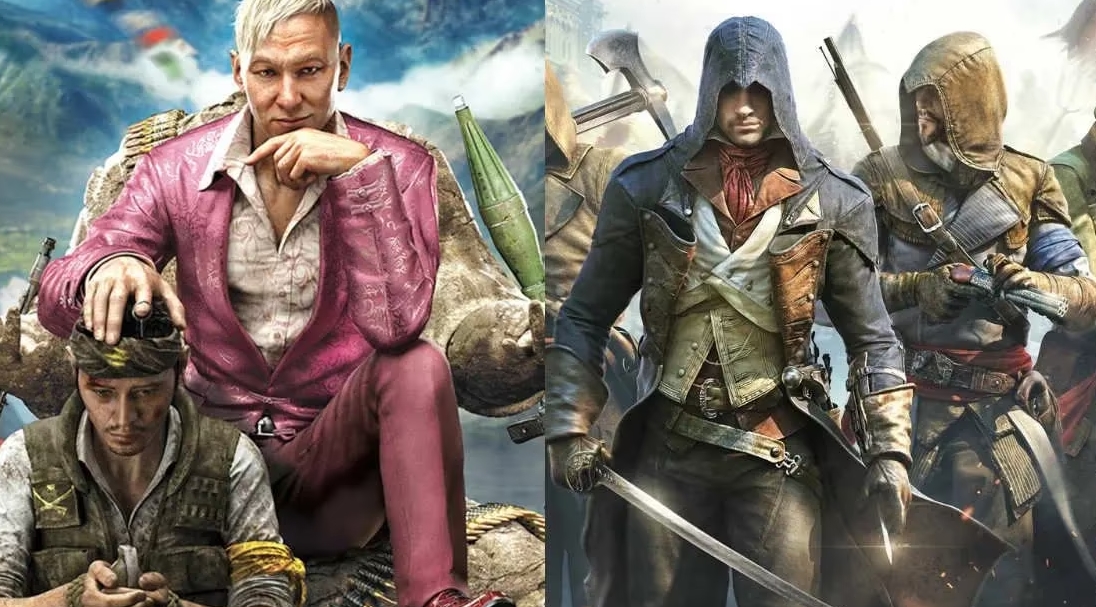
So When Are These Games Actually Coming Out?
This is where the announcement starts to feel a little wobbly. Ubisoft hasn’t given specific release dates for any of these titles — what they’ve done is commit to a fiscal year window. The three games will land across FY2027–28 and FY2028–29.
In real calendar terms, that means:
-
Nothing major before April 2027 — the current fiscal year (ending March 2027) has been flagged as a “low point” with a light release slate
-
The window opens: April 2027
-
The window closes: March 2029
That’s a two-year corridor for three major games. Ubisoft has good reason to avoid pinning down specific dates — the company’s relationship with announced release windows has been painful enough recently that vague is probably a strategic choice.
To keep the lights on while these games are in development, Ubisoft is leaning hard on its live-service catalogue: Rainbow Six Siege (reportedly over 2.5 million daily players across all platforms), The Division 2, and For Honor are carrying the financial load. Assassin’s Creed Black Flag Resynced — a new version of the beloved 2013 pirate game — is also reportedly on the near-term schedule as a bridge release.
Should You Actually Believe This Roadmap?
Let’s be honest: Ubisoft has a credibility problem with release windows. Skull & Bones spent years in development and launched in a state nobody was satisfied with. XDefiant launched, then got shut down less than a year later. Star Wars Outlaws was meant to be a hit and underwhelmed. Even Shadows, which was a genuinely good game, got delayed multiple times before it arrived.
So when Ubisoft says “three flagship games by March 2029,” the reasonable response is cautious optimism, not celebration.
That said, there are real reasons to think this time is structurally different. Tencent’s $1.2 billion gives Vantage Studios actual runway — not just loans against future performance, but committed capital. Bringing in Nicolo Laurent from Riot signals that someone at the top understands these franchises need to be run like platforms, not just games. And the brutal culling of seven projects means the remaining ones have more internal resources and attention than they would in a bloated development pipeline.
The core issue Ubisoft faces isn’t really financial or structural — it’s that players have started to feel the absence of genuine ambition in its games. The formula started feeling tired. The open worlds started blending together. If these three upcoming titles can shake that feeling — if Hexe actually commits to its dark premise, if Far Cry reinvents itself instead of iterating, if Ghost Recon becomes something genuinely new — then the comeback story writes itself.
If they come out as polished-but-safe versions of what came before, the slide continues.
The Takeaway for Players Who’ve Been Waiting
The message from Ubisoft right now is essentially: we hear you, we’re rebuilding, give us two more years. For Ghost Recon fans that’s been hearing that for six years, that might land differently than for someone who just finished Shadows last month.
But the franchises are alive. That’s more than could be said a year ago, when it genuinely wasn’t clear which Ubisoft properties would survive the restructuring. Assassin’s Creed, Far Cry, and Ghost Recon all made the cut. They’re all in active development. And at least one of them — Hexe — sounds like it might actually take a risk.
2027 is the earliest you’ll see any of this. 2029 is the outer edge of the commitment. Somewhere in that window, Ubisoft finds out whether it’s still a major player — or whether the big franchises it built its identity on have simply run out of goodwill to spend.