There’s something oddly funny about a racing game community spending an entire week arguing about trees.
Not new cars. Not graphics. Not physics. Trees.
But that’s exactly what happened after players discovered that some objects in Forza Horizon 6 simply refuse to break no matter how hard you crash into them. Shrines stay standing. Temples don’t move an inch. Even certain cherry blossom trees seem completely immune to destruction.
And suddenly, what looked like a tiny gameplay detail turned into one of the biggest discussions surrounding the game’s world design.
Table of Contents
Why Some Objects in Forza Horizon 6 Are Indestructible
Forza Horizon has always been a playground. The series practically encourages chaos. You cut through fences, destroy signs, launch your car through fields, and leave half the countryside in pieces while drifting at 200 mph.
So when players realized that Japanese shrines and temples were untouchable, many immediately thought something was broken.
Turns out it was completely intentional.
According to the developers, these locations were designed differently because they represent culturally important landmarks rather than normal map props. In other words, Playground Games didn’t want sacred or historical places turning into demolition zones every five seconds during online races.
Honestly, it makes sense.
Japan isn’t just a random backdrop for Forza Horizon 6. The entire atmosphere of the game seems heavily built around Japanese culture, scenery, mountain roads, neon cities, and seasonal landscapes. Shrines and temples are part of that identity. Letting players flatten them with hypercars probably would’ve felt wrong pretty quickly.
Sakura Trees Became an Unexpected Talking Point
What nobody expected was the reaction around the cherry blossom trees.
Players noticed that while smaller bushes and vegetation still react normally to collisions, some larger sakura trees behave more like permanent landmarks. Cars can slide underneath the falling petals, but the trees themselves barely react.
That immediately sparked theories online.
Some players believe the trees are protected mainly for cultural reasons. Others think it’s partly technical — large destructible objects in an open-world online game can create performance issues, especially when dozens of players are racing through the same area.
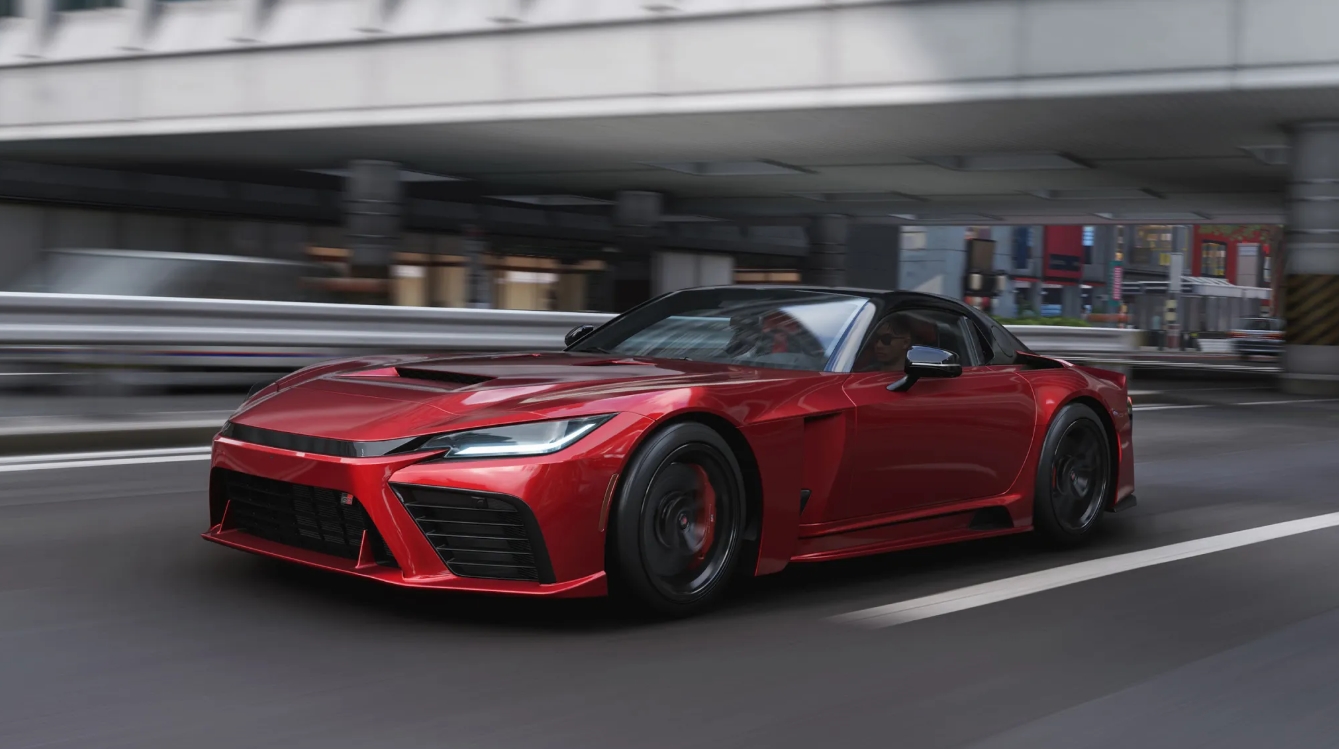
Realistically, it’s probably both.
But visually, the choice works. The cherry blossom roads are already becoming one of the defining images of Forza Horizon 6, and constantly destroying those scenes during races would probably ruin part of the atmosphere the developers are trying to build.
How Environmental Destruction Works in Forza Horizon 6
The funny part is that the game still looks extremely interactive everywhere else.
You can still smash through:
-
wooden fences;
-
signs;
-
roadside props;
-
market objects;
-
bushes and smaller vegetation.
So Forza Horizon 6 hasn’t suddenly become restrictive. It’s more like the developers drew a line around specific cultural landmarks.
That balance actually makes the world feel more believable. Not every object in a real place should behave like cardboard during a street race.
Why This Debate Matters More Than People Think
At first glance, the whole conversation sounds minor. Who seriously cares whether a tree breaks in a racing game?
But the reaction says something important about how players see open-world games now.
People no longer look at maps as simple race tracks. They expect personality. Identity. Atmosphere. Especially when a game is inspired by a real country with recognizable culture and architecture.
And Forza Horizon 6 seems to understand that.
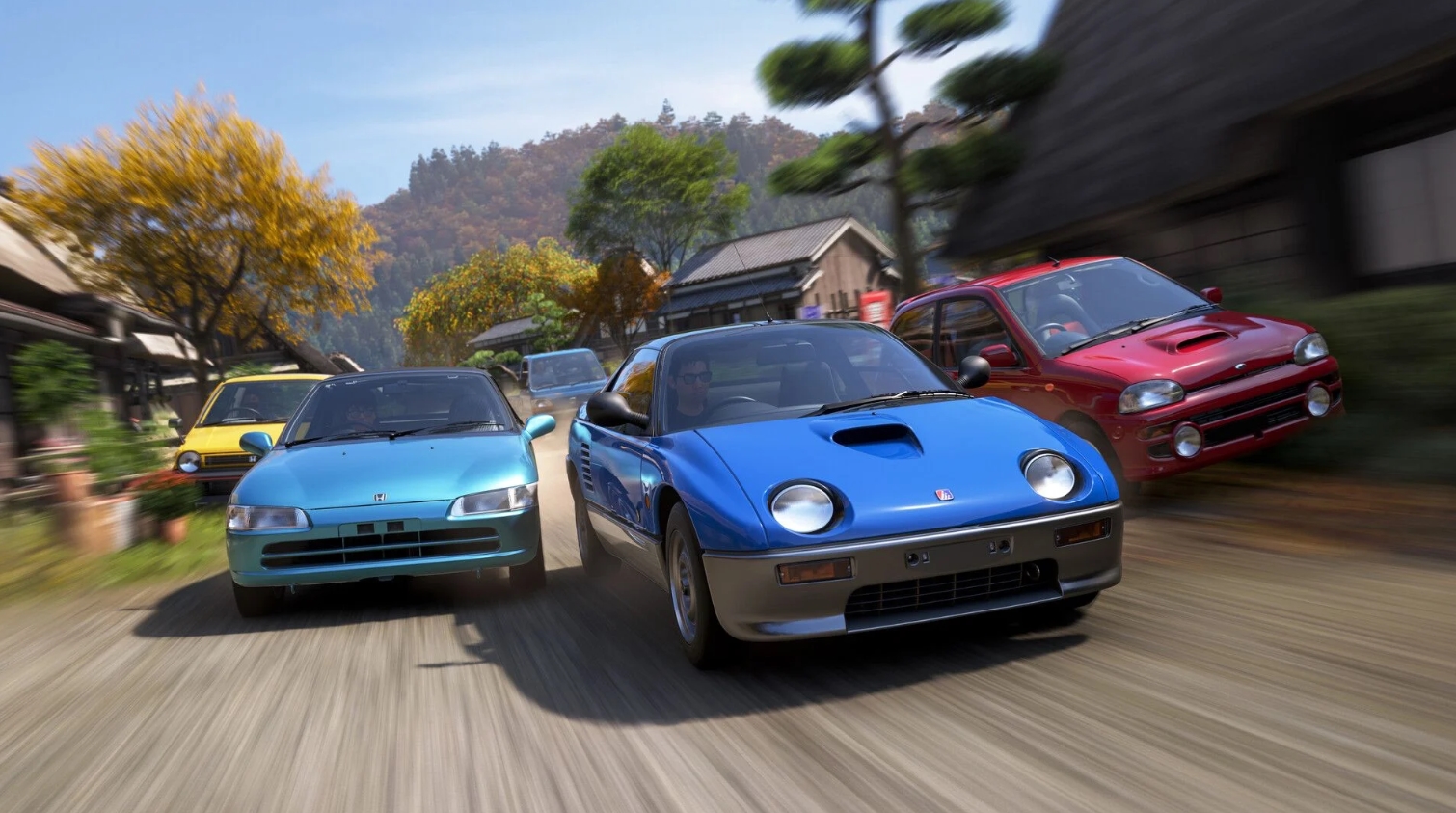
Previous Horizon games focused heavily on freedom and spectacle. Mexico in Forza Horizon 5 was huge and colorful. Britain in Forza Horizon 4 leaned into weather and seasons. Japan feels different already. The map appears more handcrafted, more atmospheric, and honestly more respectful toward the setting itself.
That changes how players interact with the world.
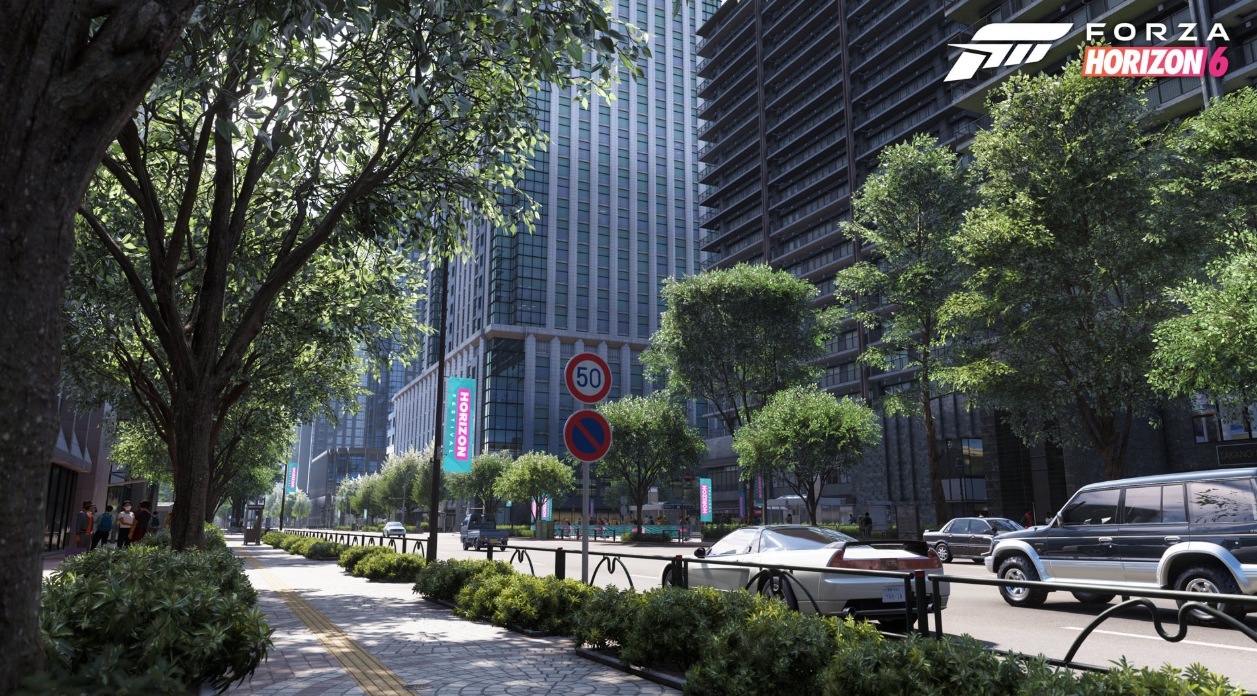
Forza Horizon 6 Is Trying to Build Atmosphere, Not Just Chaos
There’s a good chance some players will still dislike the decision. Open-world games naturally create expectations of total freedom, and somebody will always want to drive straight through a temple at full speed just because the game says they can’t.
But the bigger picture here is interesting.
Playground Games is clearly treating Japan less like a toy box and more like an actual place. That doesn’t mean the game suddenly became realistic or serious — it’s still Horizon, and people will absolutely keep drifting Ferraris through flower fields while EDM blasts in the background.
The difference is that the world now feels like it has boundaries that exist for a reason.
And weirdly enough, that might make the map feel more immersive rather than less.
Because when everything is destructible, eventually nothing feels important anymore.