

At first glance, Bellwright looks like another medieval survival game trying to squeeze itself between Valheim and classic city builders. You start with nothing, punch trees, craft tools, place a few buildings, and slowly expand. We have all been here before.
But after several hours — especially in co-op gameplay — it becomes clear that Bellwright is aiming at something more ambitious. This is not a survival game with light city elements. It is a co-op survival city builder, a village management sim disguised as a survival game, and that distinction matters a lot.
Table of Contents
Bellwright Free Steam Account
What Bellwright really tries to sell is a full co-op gameplay loop where manual survival slowly gives way to structured automation, and where every new villager you recruit meaningfully changes how the settlement functions. It is rough in places, sometimes awkward, occasionally frustrating — but also unusually absorbing once its systems start clicking together into a self sustaining system.
Core Concept: Co-Op Survival City Builder With a Real Gameplay Loop
On paper, Bellwright sounds familiar. Medieval setting. Survival mechanics. Crafting. Base building. Co-op. You could be forgiven for expecting another open world survival game with prettier walls and a bigger map.
In practice, Bellwright feels different because it is not really about the player character at all. It is about building a system that eventually replaces you through resource management and automation.
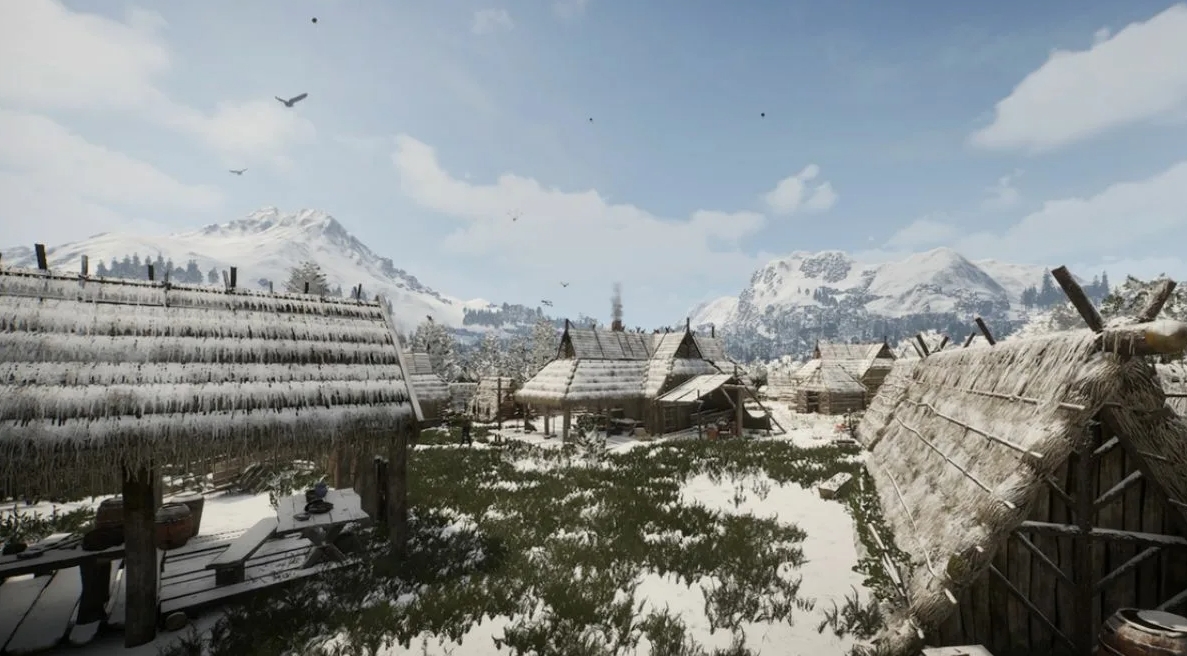
The game’s core loop is built around intentional inconvenience. At the start, everything takes time. Crafting is slow. Carrying capacity is limited. Construction feels heavy. The game is constantly nudging you toward one conclusion: you are not supposed to do this alone in a village building survival RPG.
In co-op, this philosophy shines even brighter. One player can roam, scout, and fight, while the other babysits the early settlement. It never feels like duplicated effort — instead, it feels like dividing responsibilities in a real medieval outpost. Bellwright does not turn co-op into chaos; it turns it into structure.
At its heart, the game is about:
-
replacing manual effort with planning;
-
turning survival problems into logistical ones;
-
letting time, not reflexes, be your main resource.
Game freely with no risks – get a free account in steam.
From Sticks to a Settlement: Early Survival, Crafting, and First Buildings
The opening hours are unapologetically slow. You start by gathering wood, stone, and food. You cut trees. You realize you need tools to work faster — and materials to make tools — and buildings to make those materials efficiently. It is a familiar spiral of survival crafting and building strategy, but Bellwright makes you feel every step of it.
There is no rush to impress you with spectacle. Instead, the game focuses on teaching you habits. Where you place your first storage building matters. How far your crafting stations are from resources matters. Poor decisions do not kill you — they waste your time, which somehow feels worse.
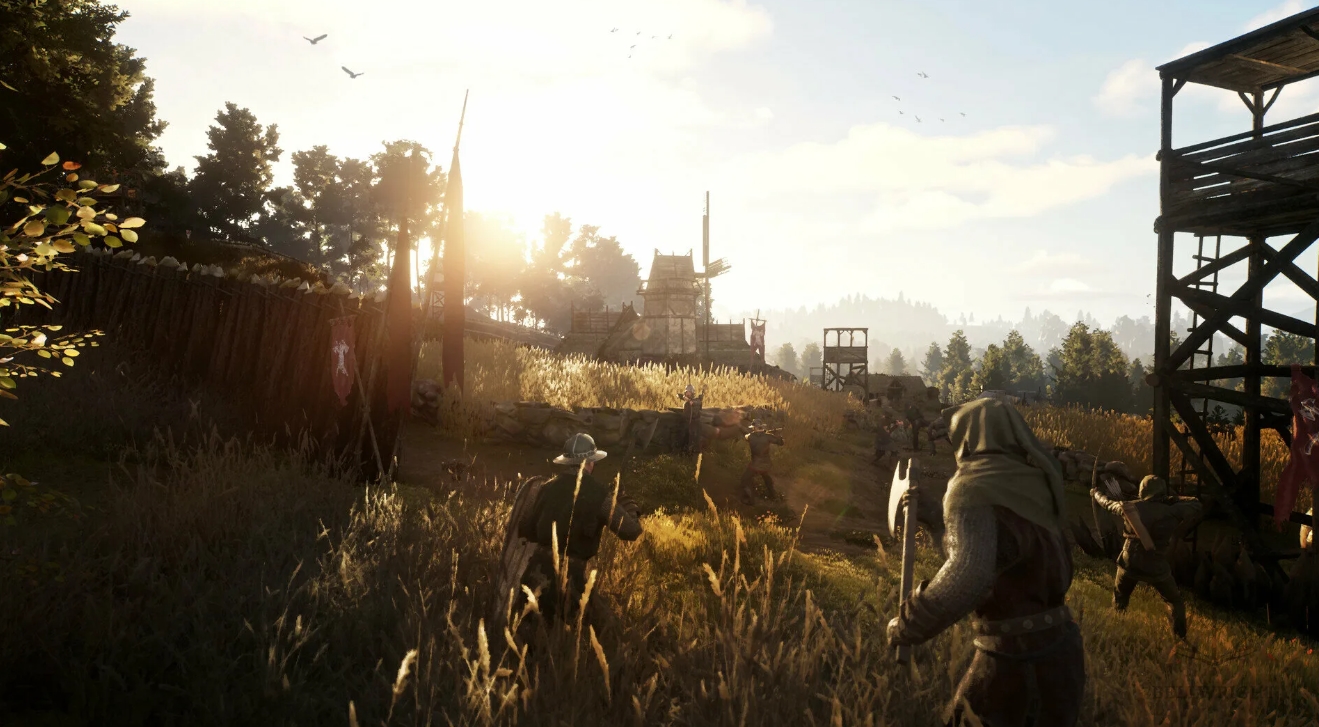
What surprised me most is how grounded everything feels. Buildings do not pop into existence. You see frames go up, materials being delivered, progress happening slowly. That physicality makes the settlement feel earned rather than assembled from a menu.
Early progression quietly removes pain points:
-
shelter reduces exhaustion and downtime;
-
storage reduces mental clutter;
-
crafting chains introduce long-term thinking.
By the time you unlock villagers, you already want to give work away — not because the game tells you to, but because you are tired of doing everything yourself.
Villagers, Jobs, and Work Orders: Why Automation Matters Here
Recruiting villagers is where Bellwright truly reveals itself and leans into deep village management.
This is not a game where you slap down a worker hut and forget about it. Villagers need food, tools, shelter, and direction. More importantly, they need priorities, and setting those priorities through work orders is where the real game begins.
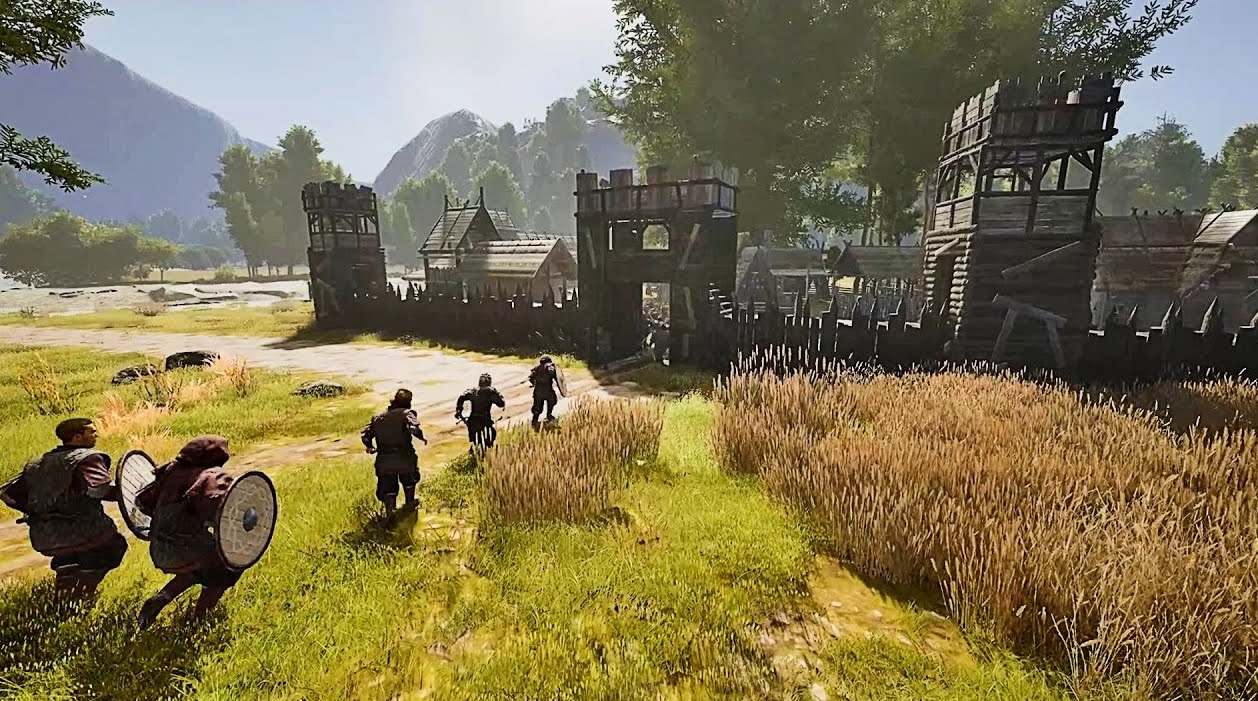
You can assign villagers jobs based on skills, deciding who gathers, who crafts, and who maintains infrastructure. Work orders feel less like commands and more like gentle guidance. You are not micromanaging individual actions — you are defining what matters when resources are limited.
Automation here is fragile. One bad setup can quietly break everything:
-
tools run out and production stalls;
-
food shortages reduce efficiency;
-
storage overflow causes wasted effort.
But when it works — when villagers anticipate needs instead of reacting to shortages — Bellwright becomes incredibly satisfying. You stop firefighting and start observing. You tweak numbers. You move buildings. You feel like a manager, not a survivor.
Progression: Tech Tree, Gear Unlocks, and Long-Term Goals
Progression in Bellwright is not flashy, and that is its strength. There is no constant stream of dopamine unlocks. Instead, progress feels like opening new layers of responsibility through a massive research tech tree.
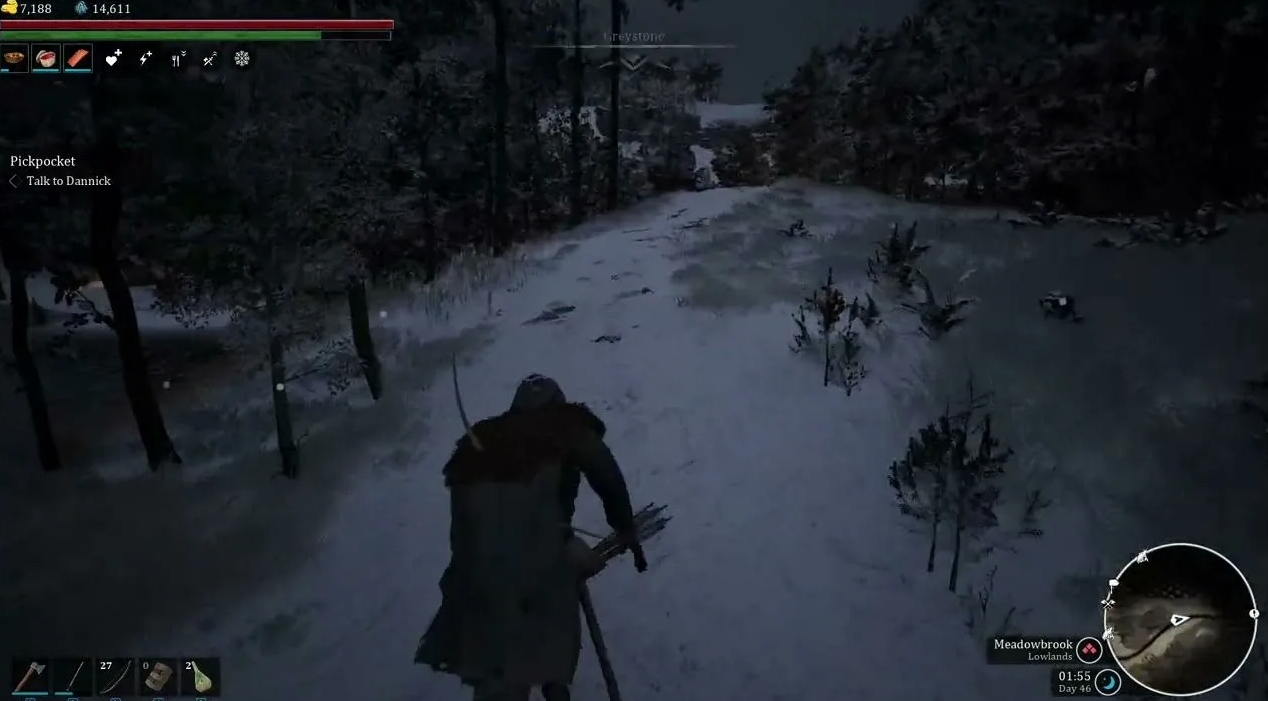
New technologies are not just upgrades — they are commitments. Unlocking advanced crafting often means reorganizing parts of your settlement. Increasing population forces you to rethink food production. Better gear allows you to unlock weapons, armour, and materials, encouraging exploration and risk.
What I appreciated most is how future-focused the game is. Almost every decision has delayed consequences:
-
expanding too early strains logistics;
-
neglecting defense invites disruption;
-
over-specializing villagers reduces flexibility.
There is no single endgame goal screaming for attention. Bellwright is content letting you define success — whether that is a self-sustaining village, a fortified stronghold, or a co-op settlement spread across a huge map with points of interest.
Threats and Combat: Bandits, Troops, and Tactical Fights
Combat in Bellwright is not trying to steal the spotlight, and honestly, that works in its favor. Fights are tense early on, slightly clunky at times — combat is slow and clunky — but always consequential.
You will regularly encounter bandit camps to investigate, and ignoring them has real costs. These threats disrupt routes, endanger villagers, and force you to defend your settlement rather than endlessly expand.
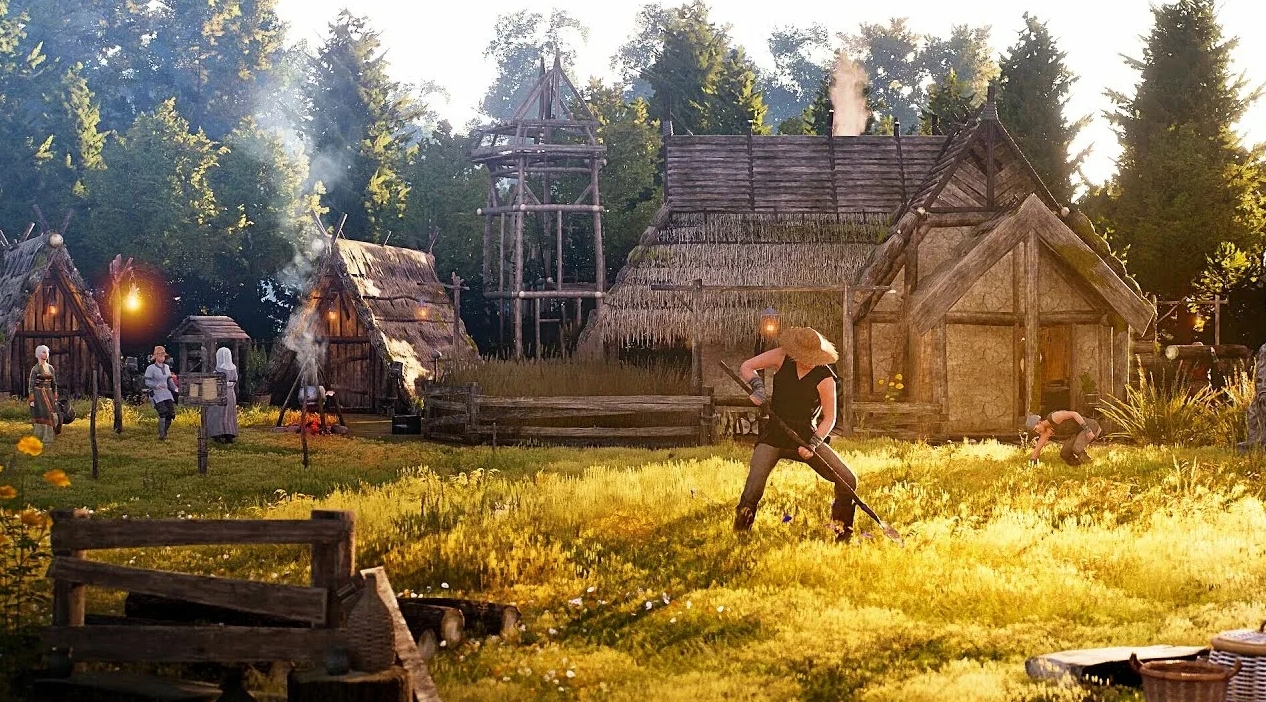
Combat rewards preparation more than skill. Stamina, timing, block and dodge matter more than flashy combos. Later, forming troops and tactical fights becomes part of long-term planning rather than moment-to-moment action.
Combat serves the larger loop rather than dominating it:
-
exploration feels risky, not routine;
-
defense becomes part of settlement planning;
-
victory feels earned, not guaranteed.
It is not revolutionary, but it is honest — and it fits the game’s tone.
Early Access Reality: Rough Edges, Bugs, and Roadmap Expectations
Bellwright does not pretend to be finished. You will notice AI pathfinding bugs, quest markers in the wrong place, and occasional UI errors or crashes. In co-op, desynced construction can break immersion, and some AI systems still feel like placeholders.
That said, most issues fall under early access limitations, missing content, and unbalanced mechanics rather than broken foundations. The core loop works. The systems talk to each other. Co-op remains surprisingly stable for a simulation-heavy early access survival game.
If you enjoy watching systems grow alongside the game itself, Bellwright already offers enough depth to justify the investment — as long as you accept that it is still evolving.
Final Thoughts: Who Bellwright Is Really For
Bellwright is not a game for everyone, and it does not try to be. It is slow. It is demanding. It asks you to think instead of react.
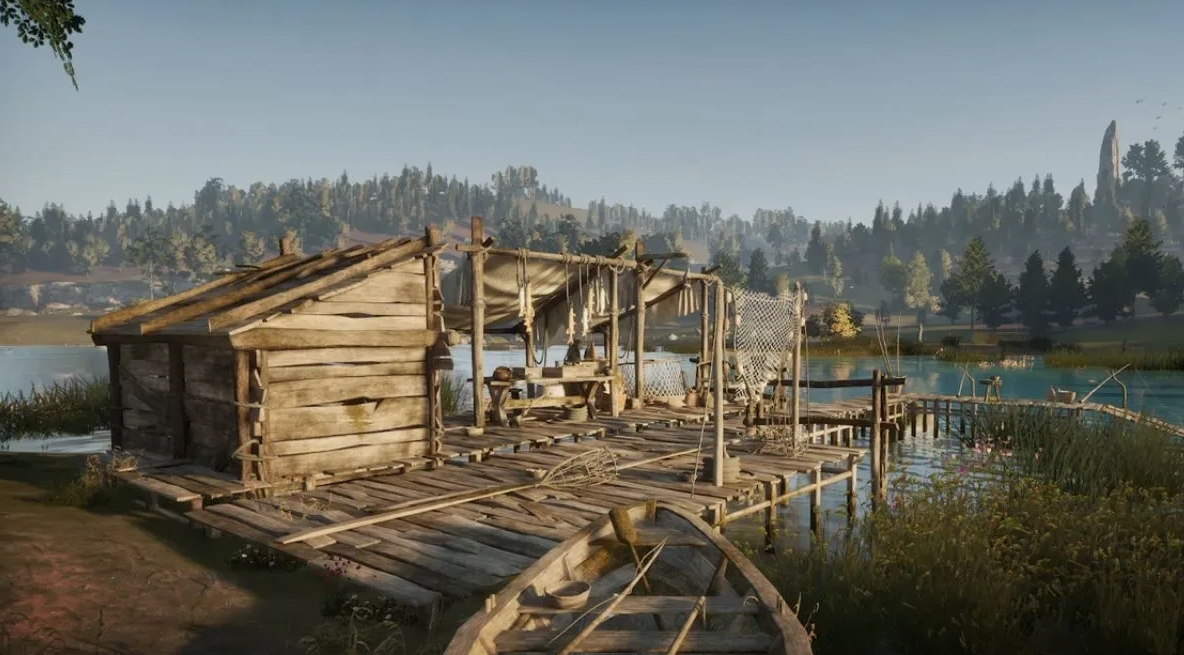
This is a game for players who enjoy:
-
watching systems stabilize over time;
-
solving logistical problems instead of chasing loot;
-
co-op that feels collaborative, not chaotic;
-
progress measured in hours, not minutes.
Bellwright is at its best when you stop rushing it. When you let inefficiency teach you. When you step back and watch a village function because of decisions you made long ago.
It is not about survival in the dramatic sense. It is about building something that no longer needs you to survive — and that is what makes this co-op survival city builder quietly special.
Bellwright System Requirements for PC
Bellwright cannot be called a demanding game in the classical sense, but the project is clearly designed not only for weak office builds. Large settlements, the constant presence of NPCs, the simulation of village life and open spaces make themselves felt — especially closer to the middle of the passage. At minimum settings, the game remains stable, but for a comfortable camera, smooth animations and confident FPS, it is better to focus on the recommended configuration. In this case, Bellwright is revealed exactly as the developers intended: without loading, jerks and technical distractions from survival and construction.
Bellwright
| Minimum Specs | Recommended Specs |
|---|---|
| Operating System: Windows 10 / Windows 11 (64-bit) | Operating System: Windows 10 / Windows 11 (64-bit) |
| CPU: Intel Core i5-8600 or AMD Ryzen 5 3600 | CPU: Intel Core i5-13600 or AMD Ryzen 5 5600 |
| RAM: 16 GB | RAM: 16 GB |
| GPU: NVIDIA GTX 1070 (8 GB) / AMD RX 580 (8 GB) / Intel Arc A580 | GPU: NVIDIA RTX 3060 (12 GB) / AMD RX 6600 (8 GB) / Intel Arc A770 (16 GB) |
| DirectX: Version 12 | DirectX: Version 12 |
| Storage Space: 24 GB available | Storage Space: 24 GB available |
How to play Bellwright for free on Steam via VpeSports
Bellwright is that rare case when the game doesn’t try to seem heroic, but just honestly throws you into a hard, unfair world. There is no feeling that everything will work out by itself. The forest scares you with the unknown, the road may end in an ambush, and the people in the settlement look at you with hope and doubt at the same time. You are not a savior from legends, you are an ordinary person who has to learn to survive, build, negotiate and sometimes make unpleasant decisions. This is where the feeling of immersion comes from, when the hours fly by unnoticed. And yes, it’s all free to play.
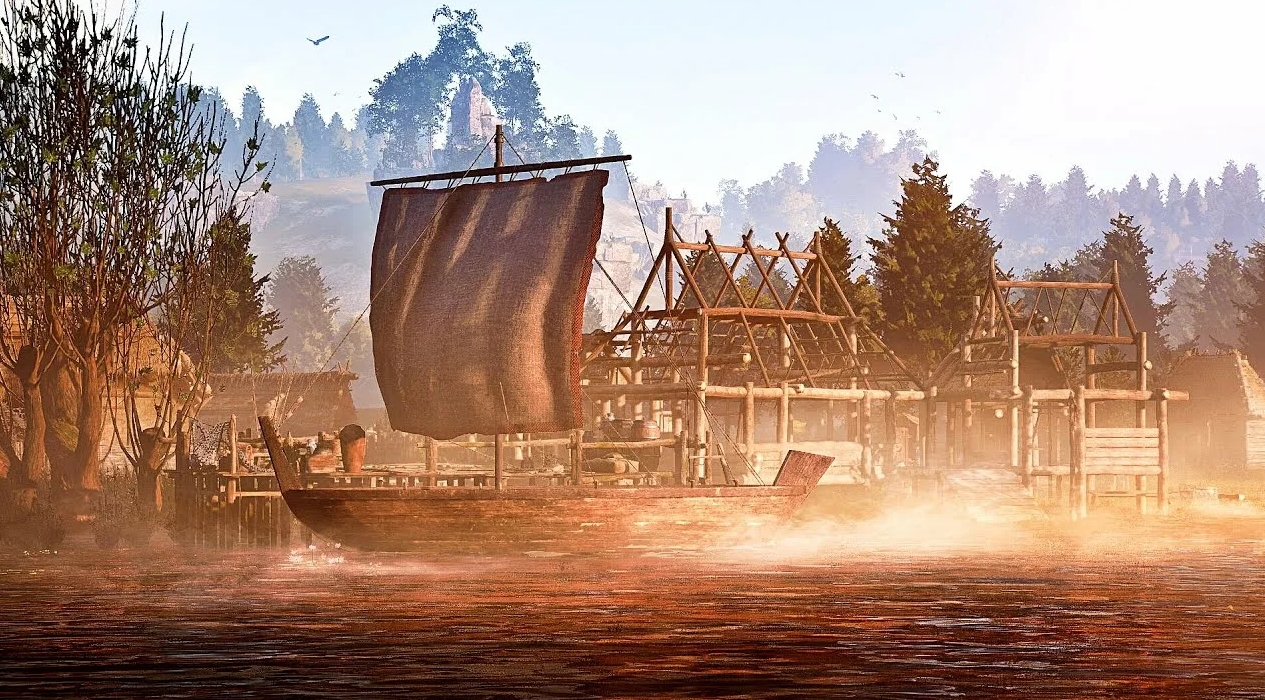
We understand how annoying complex instructions and lengthy settings are, so we’ve made accessing the game as easy as possible. No dancing with a tambourine: you register on the website, log in to your profile and return to the top of the page, where the GET AN ACCOUNT button is waiting for you. A couple of clicks and you already get access and clear steps to log in to Bellwright. Everything works quickly and quietly, so that you can immediately focus on the game, and not on the formalities.
A small but lively community has already gathered around Bellwright, and we maintain this atmosphere in our Telegram channel. They discuss updates, share findings, warn about problems, and just chat after a hard day of gaming. If something doesn’t start, a question arises, or you just need a hint, you can always look at the detailed guide for the free game or write to the chat. We don’t get lost and really try to help, because we ourselves know how important it is that nothing knocks you out of the dive.