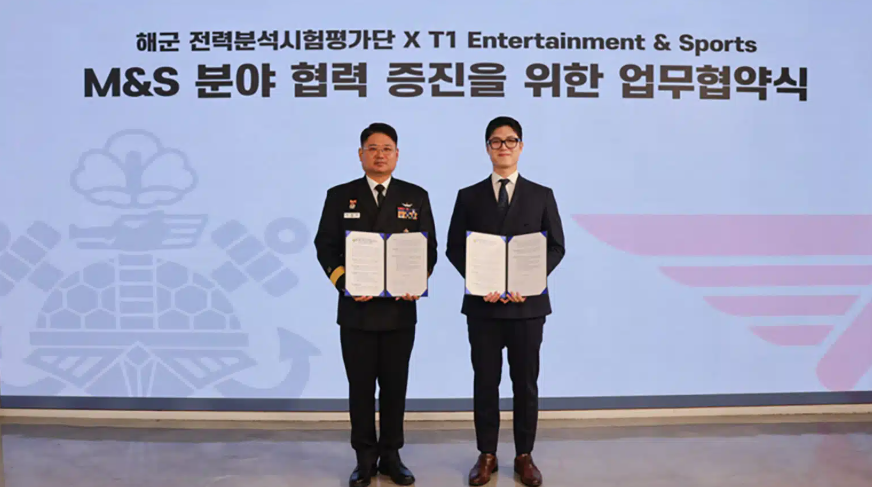
The Korean grand T1 decided to go beyond the gaming arenas and officially consolidated its partnership with the military. The organization has signed a Memorandum of Understanding (MOU) with the Combat Force Analysis Group of the South Korean Navy. This is not about marketing, but about the real integration of gaming technologies into the defense industry. Both sides plan to upgrade the cognitive and analytical skills of the sailors through the experience of esports. It sounds like a scenario for the future.
Table of Contents
Integration of League of Legends tactics into the South Korean Navy
In general, the military will draw ideas from how T1 processes data during matches. The MBN publication reports that joint research on tactical analysis is planned. This is not limited to theory. The team and the fleet are going to throw seminars and conferences to share their experience in preparing for digital wars. The Navy hopes that the “soft power” of esports will help strengthen the “hard power” of the state.
From mouse to steering wheel: Adapting microcontrol to control drones
The military sees gamers not just as extras, but as specific skills. The sailors of the South Korean Navy, by the way, will master the control of marine drones through interfaces similar to gaming. The reaction speed of professional League of Legends players is generally the top thing for piloting drones in real time. The microcontrol that cybersportsmen have been practicing for years is logically scaled to drone operators — the same principles of managing several units at the same time, in short.
T1 viewing records and leadership in esports 2025
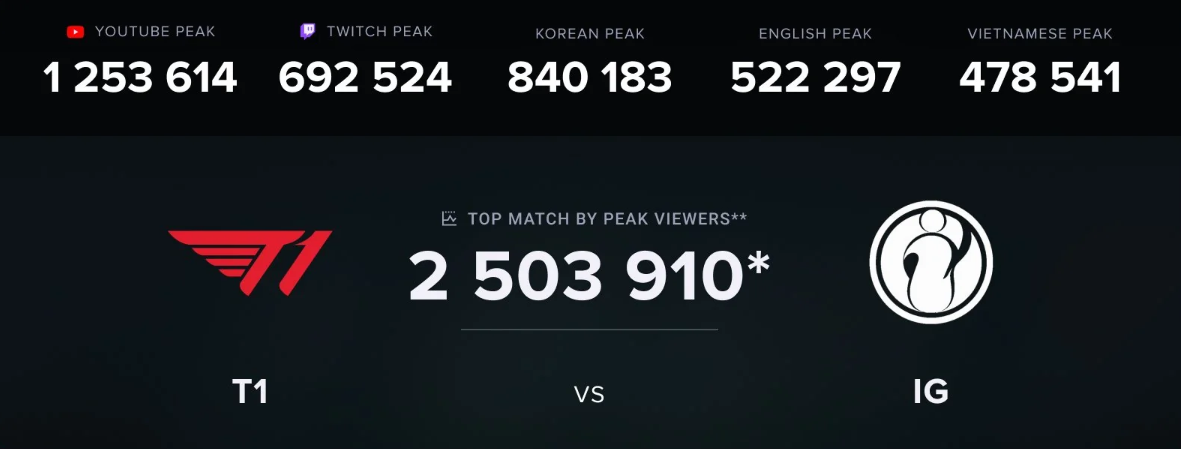
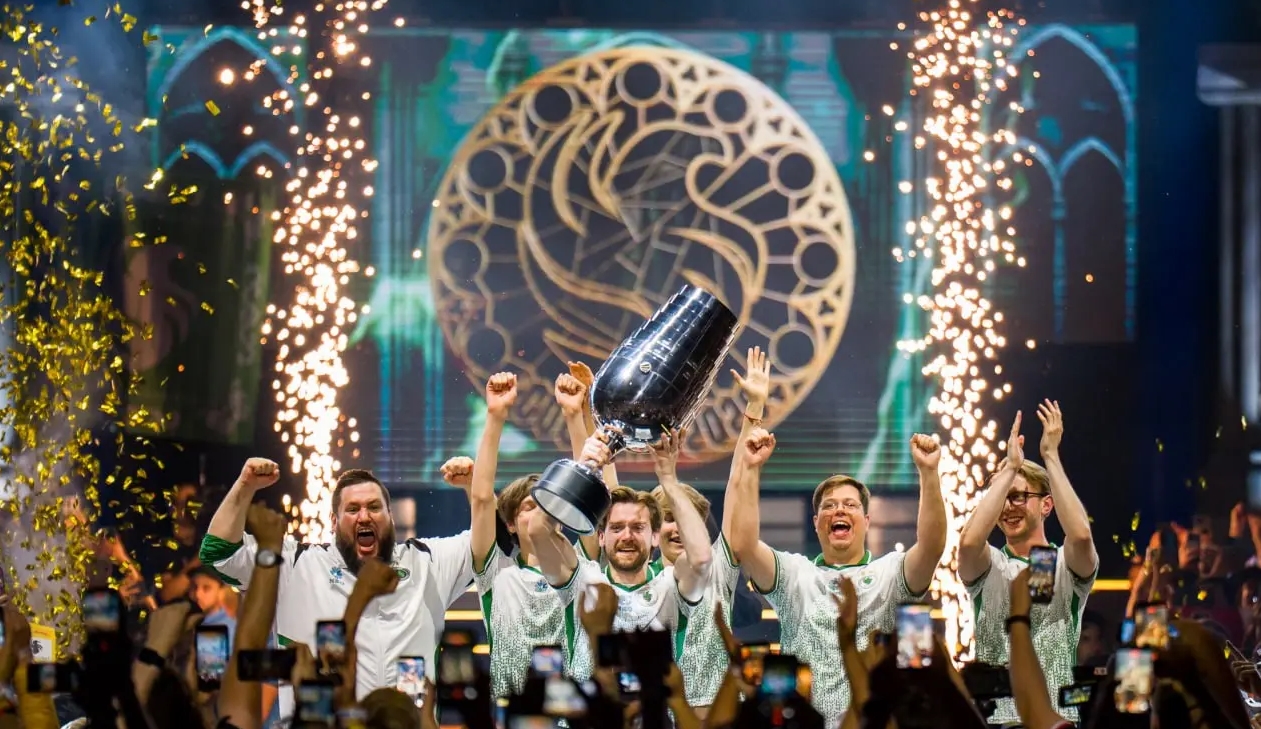
The choice of a partner is obvious. In 2025, T1 officially became the most watched in the world, with fans spending a total of 196 million hours on their matches. Plus, don’t forget about their fifth League of Legends world title, where they defeated KT Rolster in the final. Ahn Ung-gi, the club’s chief operating officer, said bluntly that they are ready to fully support the fleet’s digital capabilities.
-
T1: Five-time world champions.
-
Coverage: 196 million hours of viewing (a record in 2025).
-
Goal: To scale strategic thinking to the public sector.
The partnership with T1 is, in fact, a powerful PR move for the military. The club’s fan base numbers millions of Generation Z around the world, which is exactly the audience that fleets are trying to attract to the service. The South Korean Navy, I must say, gets access to young people through the image of the fleet associated with esports. Interestingly, a career in the Navy is now associated not with routine, but with high technology and gaming culture. Military service, however, is mandatory for many Koreans, but this approach makes it more attractive.
Comparison of traditional and esports recruiting
Recruitment Approach Comparison
The global experience of introducing esports in defense departments
It seems that Koreans are not alone in this rush. In July 2025, the British Royal Navy, together with British Esports, opened a gaming area directly on board the aircraft carrier HMS Prince of Wales. The Americans from the US Navy have also been on the subject for six years — they worked with both Evil Geniuses and ESL. Now South Korea is in the game. In fact, esports is becoming a testing ground for future strategies — cool, right?
The organization has already stated that they will not limit themselves to the fleet. T1 plans to bring its data analysis to all possible government and defense structures. Along the way, a new era awaits us, where the ability to quickly click and analyze meta helps protect borders.
Ethical aspects and risks of gamification of military operations
However, there is also criticism of such an alliance. Public opinion is split — some see progress, others, frankly, are afraid of blurring the boundaries between a virtual game and a real conflict. Cyberethics raises questions: is it normal for war simulators to become simulators for combat operations? Responsibility for decisions in League of Legends and in the real theater of action are generally different things. The industry will have to develop clear standards for where entertainment ends and military training begins — I wonder how this will be regulated.