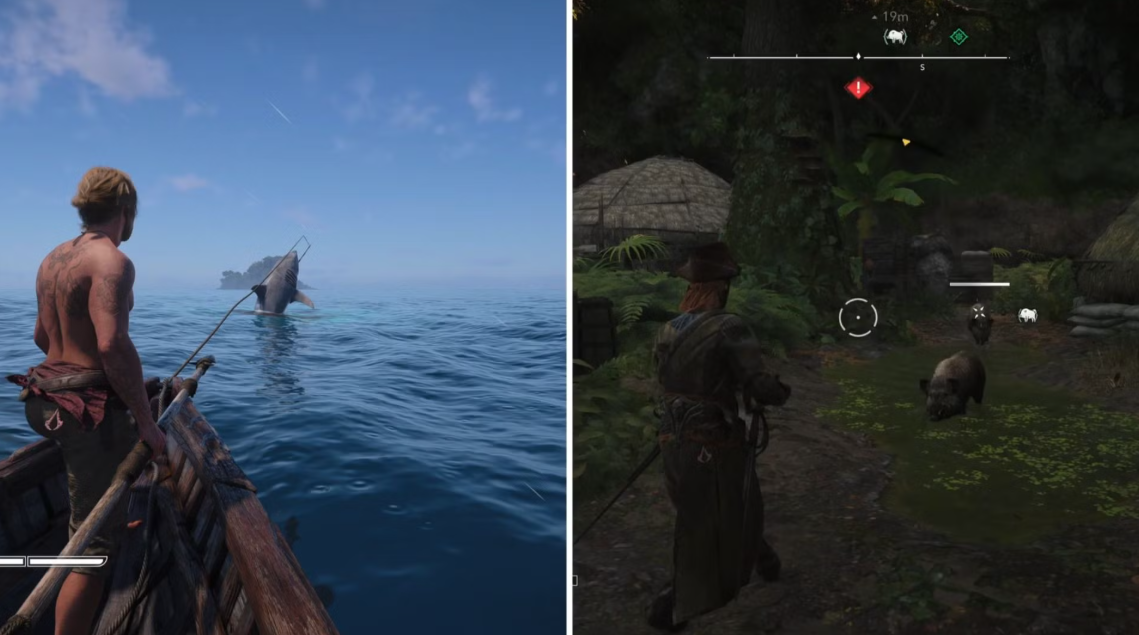
The economy in Windrose is a tricky thing. Money doesn’t just lie around, but if you know where to look, profit is guaranteed. From quest rewards to valuable loot in ruins and, of course, the beloved boarding, there are plenty of options. A slow start can easily be turned into a steady income.
The game’s currency system is designed unconventionally. There are several types of money—some are needed to advance the story, others for upgrading equipment. It’s best to figure out what you buy right away, otherwise you risk getting stuck. By the way, not all currencies are created equal: piastres are the foundation, so be careful with them.
Table of Contents
All Windrose Currencies and Their Purposes
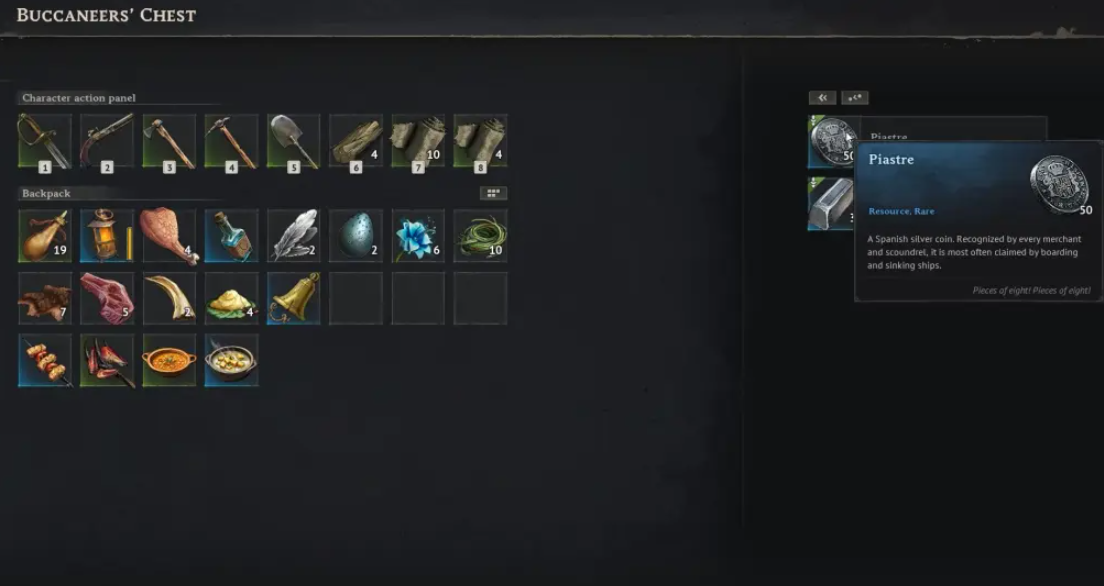
There are four key types in the game. Each serves its own purpose. Piastres are considered the most common—they’re your everyday currency; don’t squander them left and right.
Piastres as the Main Currency of Windrose
The main means of payment in the world of Windrose. Merchants only accept them. Earning money is easy: complete quests, trade with factions, and sell junk from your inventory.
Guineas: Bonus Coins and Where to Get Them
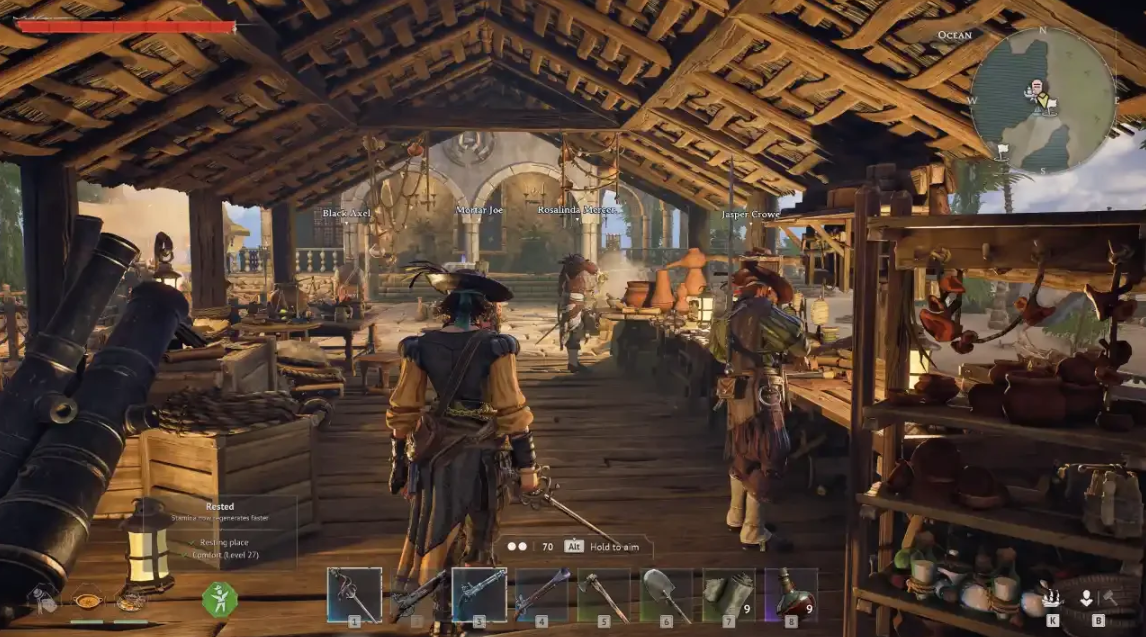
This works differently—more like a bonus system. Guineas can also be used to pay some vendors. They are obtained through world quests and by finding buried treasure (yes, the treasures are real).
Silver Bars for Crafting in Windrose
These are crafting materials, not coins. They are used to create jewelry and upgrade items. Where to get them? Kill enemies, crawl through dungeons, and open chests.
Gold Bars: The Top Crafting Resource
Same story—crafting, but higher value. They are purchased from merchants or dropped by enemies. They can be found in chests. The most coveted type of loot if you’re collecting top-tier gear.
6 Ways to Make Money Fast in Windrose
There’s no such thing as too much money—especially in the world of Windrose, where every step requires investment. The good news: there are plenty of ways to make money, from simply selling trophies to capturing enemy ships. We’ve covered six main methods.
Earning Money from Quests for Beginners
This is the most obvious way to start. Progress through the story, take on side quests—you’ll earn a steady but steady income. This will be enough in the early stages. However, this income isn’t exactly fast.
Selling Loot to Factions and Smugglers
Kill enemies or animals—take what’s left. Smugglers, by the way, buy almost any valuable junk. Their wide selection is their main advantage. Other factions are more picky.
Relics from Ruins and Temples in Windrose
Ruins, temples, swamps, and farms often hide valuable items. High-level relics fetch huge prices. A route for those who like to poke around in corners.
Exchanging Piasters for Guineas: Is It Worth It?
Piastres for Guineas and vice versa. Efficiency? So-so. The losses are colossal. But if you urgently need another type of coin, it’s better than nothing.
Sinking Ships: Quick Loot at Sea
Sink enemy ships and collect what floats to the surface. Quickly, aggressively, without unnecessary fuss. The only downside is that you get less loot than when boarding.
Boarding Ships: The Best Way to Earn Money
The best method in the entire game. First, weaken the enemy, then close in and manually eliminate the crew. Yes, it takes longer. But you also get significantly more trophies. The key to stable profits.

A step-by-step plan for earning piastres in 5 hours
If you’re having a slow start and your piastres are slipping through your fingers faster than they’re dripping into your hold, it’s time to get down to business. Below is a working plan that will help you start earning in the first 2-3 hours of active play. No fluff, just to the point.
Stage 1: Quick Start and Capital Gathering
The goal at the start is simple: accumulate your base capital and avoid going into the red. No heroics required.
-
Take all the side items in the starting zone—piasters are steady and don’t require any investment.
-
Loot everything you can: smugglers readily dismantle even the cheapest junk.
-
Stay away from difficult encounters: a single ship repair will wipe out all your profits in an evening.
The focus is speed and minimal losses. Greed is harmful here.
Stage 2: Break into the black through ruins and trade.
As soon as you have at least some cushion in your wallet, you can raise your stakes. Carefully.
-
Move towards ruins and temples – rare relics actually drop there.
-
Distribute loot among different factions, rather than dumping it wholesale to one fence (prices vary significantly).
-
You can try your first naval skirmishes – but only for sinking; boarding is too early.
The focus is on increasing income without serious risk. This is a transitional stage, and it’s important not to overdo it.
Stage 3: Steady farming through boarding
This is where the real profit begins. The ship is upgraded, the routes are clear, and you can work hard.
-
Switch to boarding – this is the maximum loot that ships can actually get.
-
Combine routes according to the following pattern: ruins → sea → sale. This way, you don’t waste time on empty passages.
-
Accumulate Guineas exclusively through hoards – currency exchange is unprofitable, forget about it.
The focus is on maximizing profit per unit of time. Every hour at sea should pay off many times over.
Income Stages
The biggest mistake newbies make is jumping into farming “based on guides” too early. Boarding on a weak trough turns into a net loss: repairs, crew losses, damaged cargo. First the base, then aggression. Otherwise, the economy simply doesn’t add up, and the piastres will just go to waste.