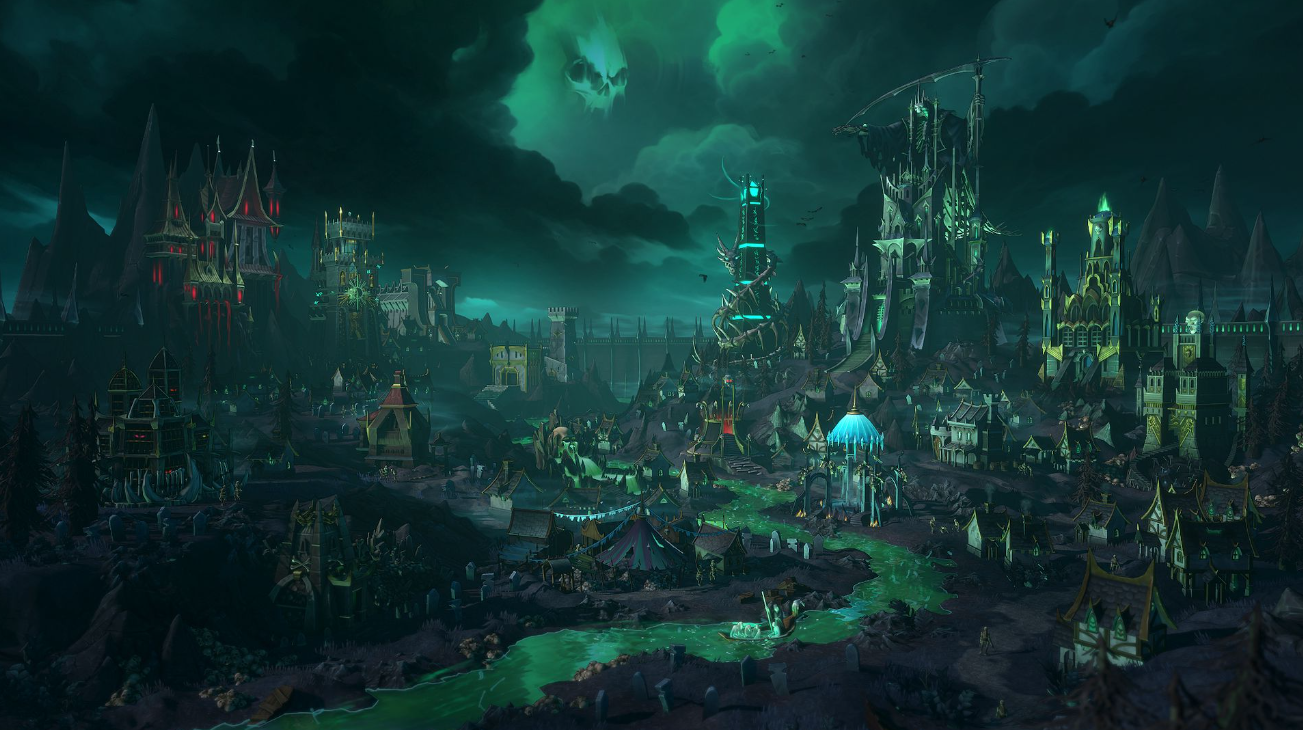
Necropolis in the new HOMM is a faction for those who aren’t used to rushing things from the very first turn. Here, victory is born of patience, calculation, and clever resource management, not brute force at the start. This mechanism is managed by the Necromancers’ Guild, entrenched in the Shadow Tower. Their army of the dead grows stronger with each battle.
Table of Contents
Necromancy Mechanics in Olden Era Necropolis
The faction’s main advantage is turning fallen enemies into their soldiers. The Necromancy mechanic has worked: a percentage of the health points of slain neutrals is transferred to skeletal units after the battle. It’s not the number of units that matters, but their durability. One hefty troll will provide more reinforcements than a dozen goblins. So choose your targets wisely.
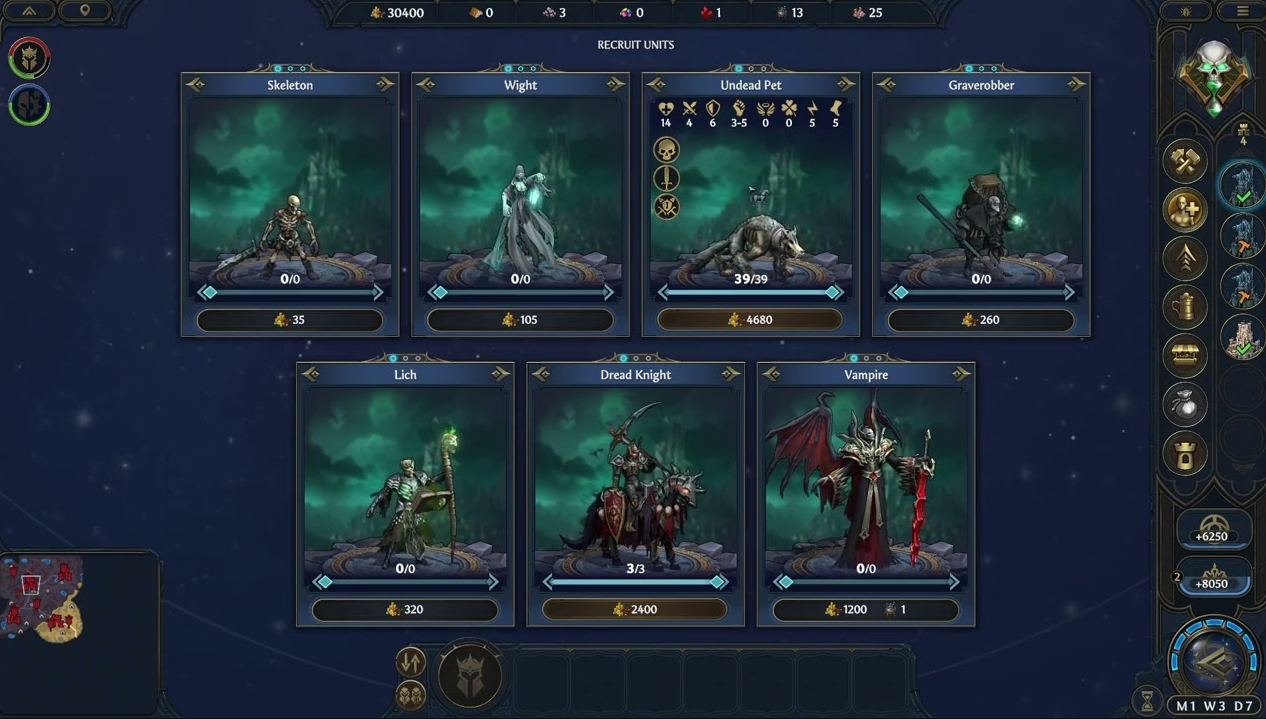
The game plan seems deceptively simple: survive the early game, build an engine of Skeleton Splinters, and get things rolling. But executing it in practice is more difficult.
Necropolis Weaknesses and How to Play with Them
Necromancers rarely encounter native terrain. If the map doesn’t offer patches of Dead Land, don’t count on constant bonuses to initiative and attack. It’s best to plan the Dead Land spell in advance.
Resource dependence also dictates its own rules. Vampires and Liches require a lot of Gems and Crystals. Yes, Necromancy reduces the losses of your units over time, but without control of the mines, you’ll hit a ceiling in the mid-game.
A separate tool is the Undead Transformer. Neutrals recruited from huts or through Diplomacy are sent through it. The result is fully-fledged Necropolis units. A very useful tool.
Necromancy as the Main Driver of Faction Growth
Think of Necromancy not as a nice bonus, but as the main driver of growth. If the map is rare for neutrals and doesn’t provide regular skirmishes with large units, scaling will be difficult. On slow, sparse maps, advantages accumulate very slowly.
Necropolis Laws and Starting Strategy in Olden Era
Laws are a passive faction boost that rely on Law Points. They are awarded for winning battles, capturing mines, and building cities. Necropolis has several very strong options—let’s look at them one by one.
The Best Necropolis Laws and Their Effectiveness
“Immortal Laws” increase Law Point generation in cities by 20%. Pure savings. Take them as early as possible—the longer they last, the more points you’ll get in total for the game. And the extra points give you flexibility in future choices.
“Dead Land” grants heroes native terrain bonuses in any battle, not just their own. Necromancers rarely have native terrain—without this law, you’ll almost never see the bonus. An excellent mid-game choice, regardless of build.
“Moon’s Grace” increases the effective level of Night spells by one. This is especially useful if you’re building a Death Knight with a focus on Dark Magic. For regular Necromancers without investing in the School of Night, it’s practically worthless.
“Bloodthirst” increases the lifesteal of units by 50%. A powerful late-game law that makes Vampires a true survival machine. But until these guys are in your army, it’s useless. Don’t use it at the expense of Immortal Laws or Dead Land; timing is key here.
Week 1 Strategy for Necropolis
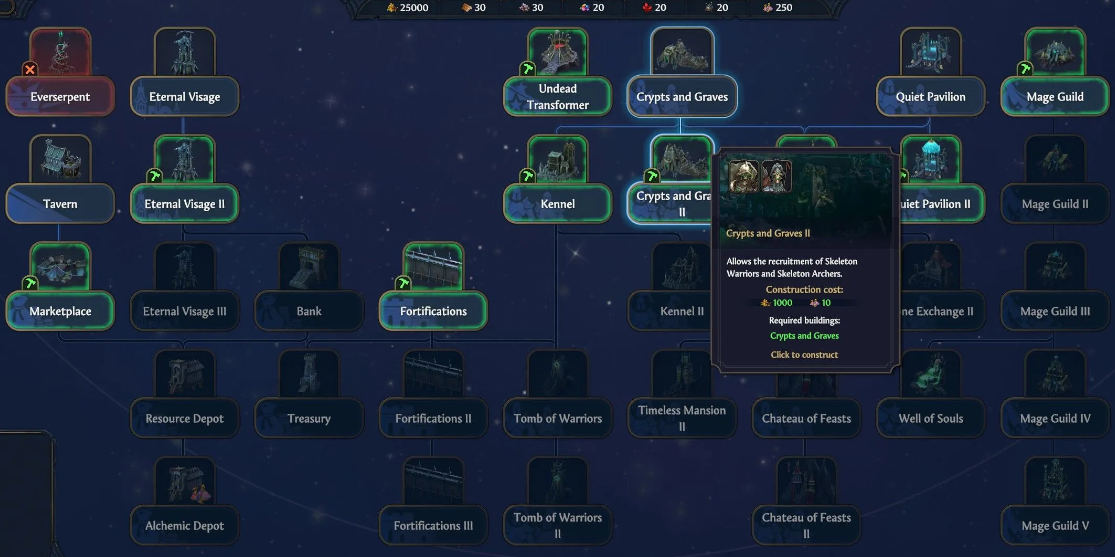
The first week is the most dangerous for Necropolis. The entire starting army is melee. There are no ranged units until you build the building to upgrade Skeleton Spearmen. So this building is priority number one. There are almost no options.
Days 1-2: Build directly to upgrade the skeletons. Don’t recruit them in droves before construction. Meaty skeletons against ranged neutrals are losses that Necromancy won’t cover, and restoring them is expensive.
Days 3-4: Once you unlock Spearmen, upgrade your existing unit. The cost is 10 gold per unit. On higher difficulties, this is significant: a hundred skeletons = 1000 gold. If the upgrade allows you to win subsequent battles with significantly fewer losses, it will pay for itself. If your unit is tiny and you need gold for a key building, hold off on the upgrade.
Days 5-7: Build a Market only if it immediately solves the resource problem for the next building. Don’t use it as a cheap placeholder. Meanwhile, work on gaining access to the Mages Guild—combat spells are critical. If your skeleton “engine” is stable and resources allow, plan your path to Liches or Vampires. But don’t sacrifice an army you need right now for the sake of long-term gains.
Gold priority: Skeleton upgrades → Squad upgrades → Market (if resources are low) → Creature buildings.
And the main rule: play for consolidation, not aggression. A battle where you lose 30% of your skeleton squad is a bad battle, even if you win. It resets the Necromancy effect for the next few skirmishes.
Upgrade Priorities: Vampire Skeletons and Liches
Skeletons are far from expendable. They’re the economic engine of the entire faction. Cheap, replenishable, and with a crazy growth rate, their numbers are the measure of your starting strength. The first upgrade you should make in any game is to turn regular skeletons into Spear Skeletons. The difference is colossal: in close combat, where they die in droves, versus in ranged combat, where they survive and methodically pick off the enemy. Keep this army as numerous as possible. This is priority number one throughout the game.
Wraiths and Death Knights as the Army’s Shield
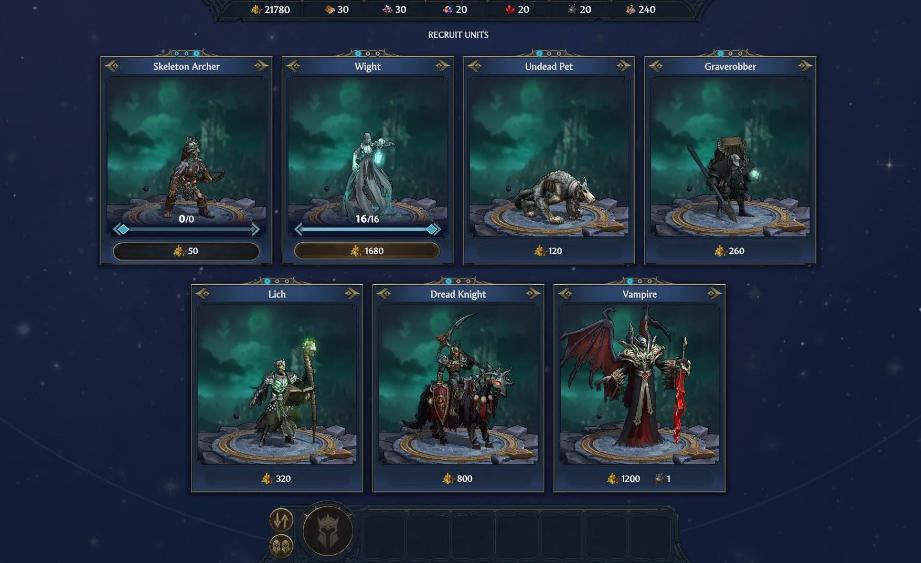
Wraiths are your frontal shield. They have partial lifesteal: they heal a little in combat, allowing them to hold the line longer. Their survivability is roughly on par with skeletons, but their numbers are smaller, so they won’t inflict significant damage. Their job is simple: catch everything that flies at your glass truckers.
Death Knights are the first real force on the front lines until the vampires arrive. Some heroes have a starting specialization for them, and if you pick one, you’re not helpless for the first week. They calmly clear out neutrals where pure skeletons would crumble to dust.
Vampires in Necropolis: When to Build and Why
Vampires are your reward for patience. They only really shine in the late game, and here’s why: their vampirism with every attack makes them practically immortal in protracted battles. The longer the battle goes on, the harder it is to destroy a squad of vampires. But rushing them is a mistake. Build them only when the Skeleton Spears are already firmly established and the faction economy is running like clockwork. Necropolis’s midgame is weak, so don’t panic and don’t rush into vampires too early. They need a functioning base.
Liches and the Death Rewind ability
Liches provide something skeletons can’t do: area damage and weaken enemies. Their active ability, Death Rewind, is the main reason to include them in your army. It restores health and, crucially, can resurrect fallen units. Save your Focus charges for it. Yes, there are other abilities. But preventing the loss of an entire squad is always more expensive than any alternative.
Which hero should you choose for Necropolis in Olden Era
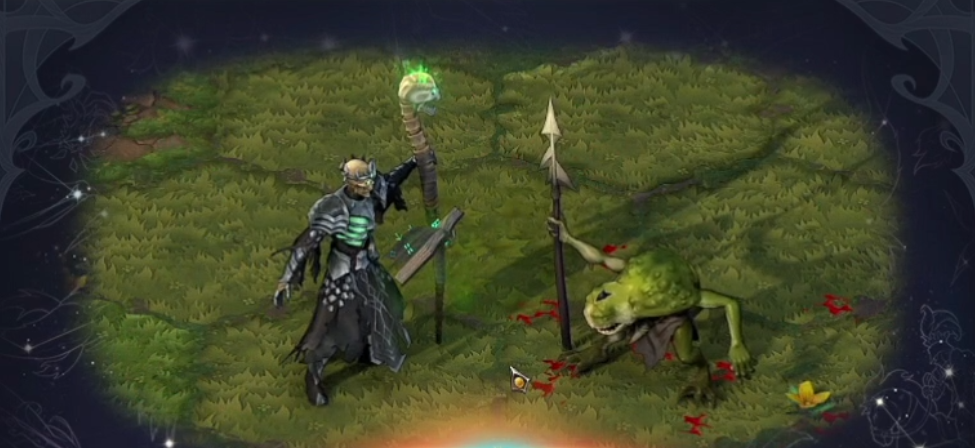
Necropolis has two commander classes, and they have different schools of magic. Necromancers focus on Arcane magic, while Death Knights focus on Night magic. In practice, this translates into this advice: build the Mages Guild as early as possible. Why? Because your army lacks crowd control without spells. And you can’t shoot properly until you’ve leveled up your Skeleton Flares. Without both, you’re nothing. Specifically, “Slow” and “Blind” are a lifesaver against armored factions like the Temple. Those guys destroy your skeletons faster than Necromancy can raise new ones.
Necromancer vs. Death Knight: Class Comparison
In most situations, take a mage. The army will already boost its physical damage output due to its numbers. Your job as a hero is to cast control spells and level up your Necromancy. Investing in Attack? It’s pointless. A warrior hero has a right to exist, but he doesn’t take advantage of the faction’s strengths. And Necropolis requires a truly magical mindset from its commander.
The Best Necropolis Combo Builds in Olden Era
In Olden Era, synergy isn’t just a fancy word; it’s the cornerstone of the mechanics. It operates on three levels. The hero sets the pace, the army decides who tanks and who deals damage, and magic fills the gaps in tactics. There are few truly viable combinations for Necropolis: only five or six options are currently in the meta. All other experiments either fall apart by week three or fail miserably against Temple and Inferno in PvP battles.
Funerella Build: Macro Snowball on XL Maps
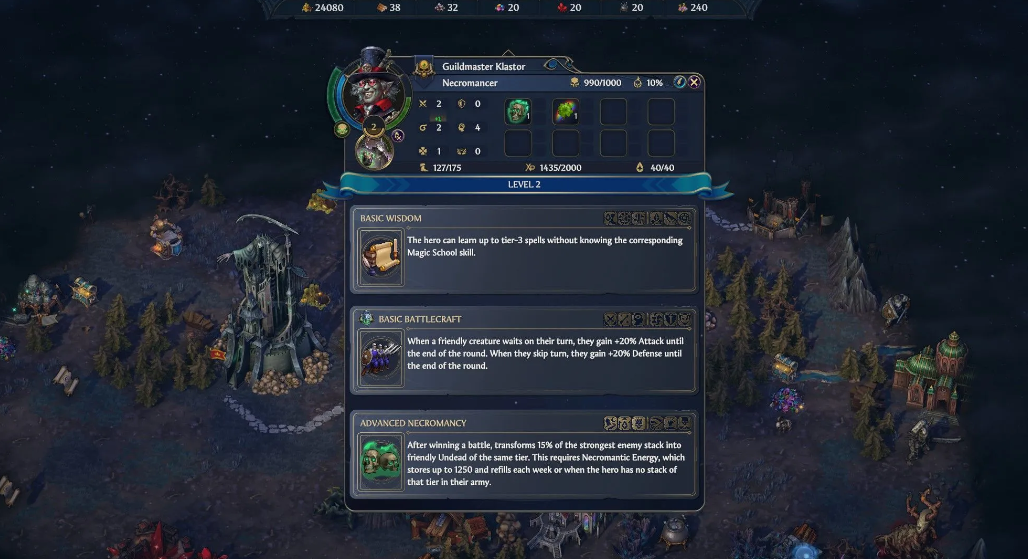
This is an absolute meta build for marathon runs on XL maps and templates like Jebus Cross. Funerella is a great find. She levels Necromancy to Expert in just 4-5 levels (other heroes need 7-8). During the first week, we spend gold solely on upgrading and buying Skeleton Splinters, which form the core of our army. For magic, we focus on Arcane School. Key spells are taken at Guild level 1: Slow and Magic Missile (great as a filler for Focus). This build doesn’t have a sharp power spike, but the power curve climbs so smoothly and confidently that by week four, you’ll crush any opponent. That is, if they don’t punch you in the face first.
Artorius Build: Early Aggression with Berserker
The perfect counter to Snowball for smaller maps and tempo-heavy games where you need to choke your opponent before they get going. Artorius has a masterful Berserker from the start—and it works right from day one. Cast a spell into a crowd of fast neutrals (Harpies or Centaurs are excellent), they slaughter each other, and your Death Knights mop up the rest. This combination allows you to vacuum up neutrals a level harder in the first week than in any other Necropolis start. But there’s a weak point: the build doesn’t scale at all. If the battle drags on beyond the third week, Artorius begins to fall significantly behind Funerella.
Master of the Night Build: Late Game Vampires
A challenging build for XL maps with endless battle chains. We build the army like this: put as many upgraded Vampires as possible on the flanks, hide Liches in the rear, and fill the slots with Skeleton Spears. The magical foundation is the School of Night, focusing on “Sacrifice.” The plan is simple: use up a bunch of skeletons to resurrect three times as many Vampires. This is your top priority for resurrection. Thanks to their built-in lifesteal, they recoup every Gem invested in a couple of drawn-out battles. Their power peaks around the fifth or sixth week—and after that, the tide is unstoppable.
Necropolis Meta Build Comparison
Strategic Combinations — Gaming Guide
How to play against Temple and Inferno for Necropolis
-
How to play against Temple: Focus on strict crowd control. Use Blind on Griffins and Slow on infantry. Be sure to include Liches in your army—they’ll rain AoE damage on dense enemy lines. If you play with only skeletons, the Temple will wipe them out faster than your Necromancy can raise them. Without crowd control, there’s nothing to be gained here.
-
How to survive Inferno: Here, the task is exactly the opposite—you need to endure the early rush. Artorius with his Berserker is ideal. Demons are very proactive, and forcing them to attack each other is practically the only way to avoid elimination in the second week. Once you’ve survived the start, switch to classic snowballing through the splinters.
Common Mistakes When Playing Necropolis
-
Mixing Expensive Units. Don’t put Death Knights and Vampires in the same army before week four. Both require Gems, and your economy will crumble.
-
Warrior Without Specialization. Don’t take a Warrior hero unless they’re tailored to a specific unit. You’ll lose your magic progression and gain nothing in return.
-
Conflicting Schools of Magic. Don’t try to level Arcane and Night Magic at the same time. They’ll fight for skill slots, and both will end up stuck at Novice level.
-
Liches Without Support. Don’t leave Liches without Focus for “Death Rewind.” Without this spell, they turn into expensive ranged units with reduced damage.
Funerella and Artorius: The Best Heroes for Necropolis
Of the recommended heroes, two stand out. Funerella is on the magic side. Artorius is on the power side. Funerella starts with Advanced Necromancy. This essentially means she’s one step closer to the Soulweaver subclass. Each investment in this skill increases her post-battle unit growth. She’ll reach Expert rank faster than any other Necropolis hero. The snowball will begin sooner. Yes, her first week is fragile. But it’s an investment in the future—and a smart one at that.
Artorius is a different story. He starts with Mastercrafted Berserker. This crowd control spell forces enemies to attack their own. Berserker is one of the most powerful combat spells in Olden Era at any stage of the game. The Mastercrafted version is already effective enough in the first week to neutralize high initiative threats. A Necropolis melee army can’t handle them on its own—and Artorius is a match for that.
Necropolis in Single Hero Mode: Tactics and Tips
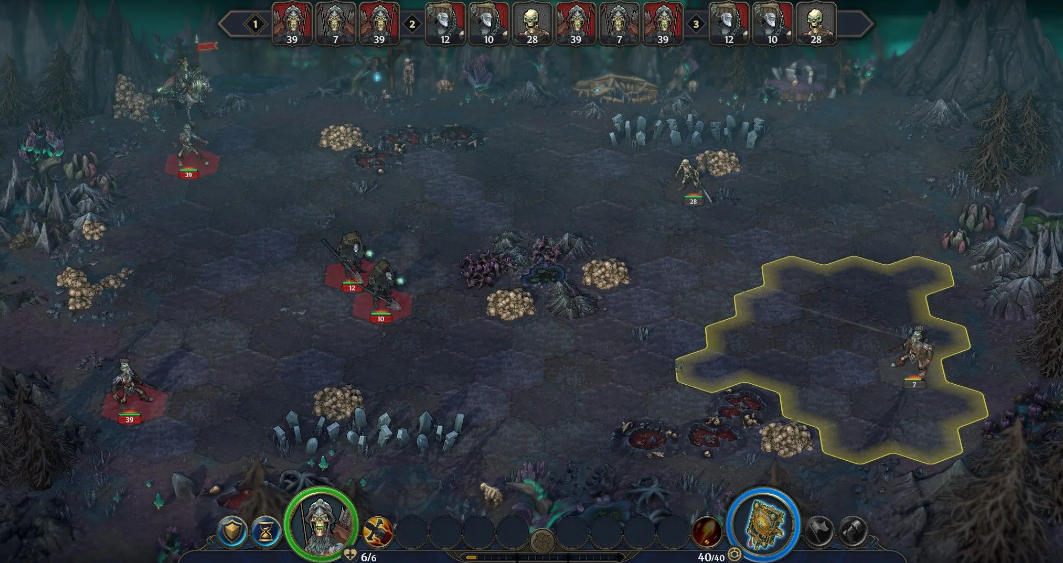
Single Hero mode is a significant limitation. But Necropolis is better suited to it than most factions. Necromancy’s snowball doesn’t require a second hero to function. Faction mechanics don’t break. Reinforcements are a weak point. You don’t have a second commander running around huts, gathering units, and hauling resources. “Undead Transformer” receives fewer inputs. Necromancy has to carry the scaling load alone. Make up for this by choosing your battles. If your main unit is seriously damaged, there’ll be no one to restore it. Don’t rush into trouble.
“King of Kings”—a diplomatic recruitment skill—is a special skill. It’s especially valuable in “Solo Hero” mode. Transformation through “Undead Transformer” directly compensates for the lack of a second hero to feed your army with units. If you’re playing as Necropolis in this mode, consider “King of Kings” as an alternative starting skill.
Interesting read: Magic Schools & Builds.