Nobody retires a character this cleanly and then brings them back without a reason. Blood and Wine gave Geralt exactly the ending a decade of monster contracts deserved — a vineyard, a horse, and nobody trying to kill him for once. CDPR called it a finale. Players believed them. That was 2016.
Apparently, the story had other plans.
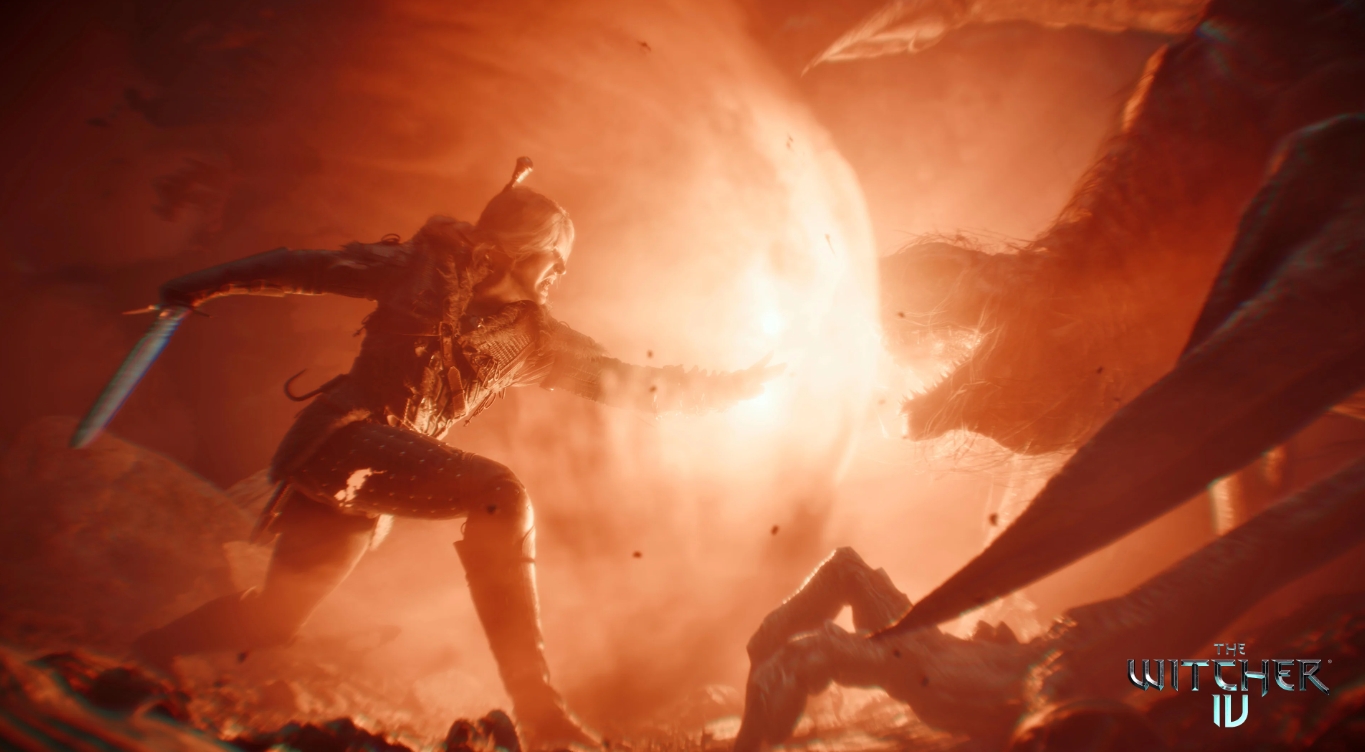
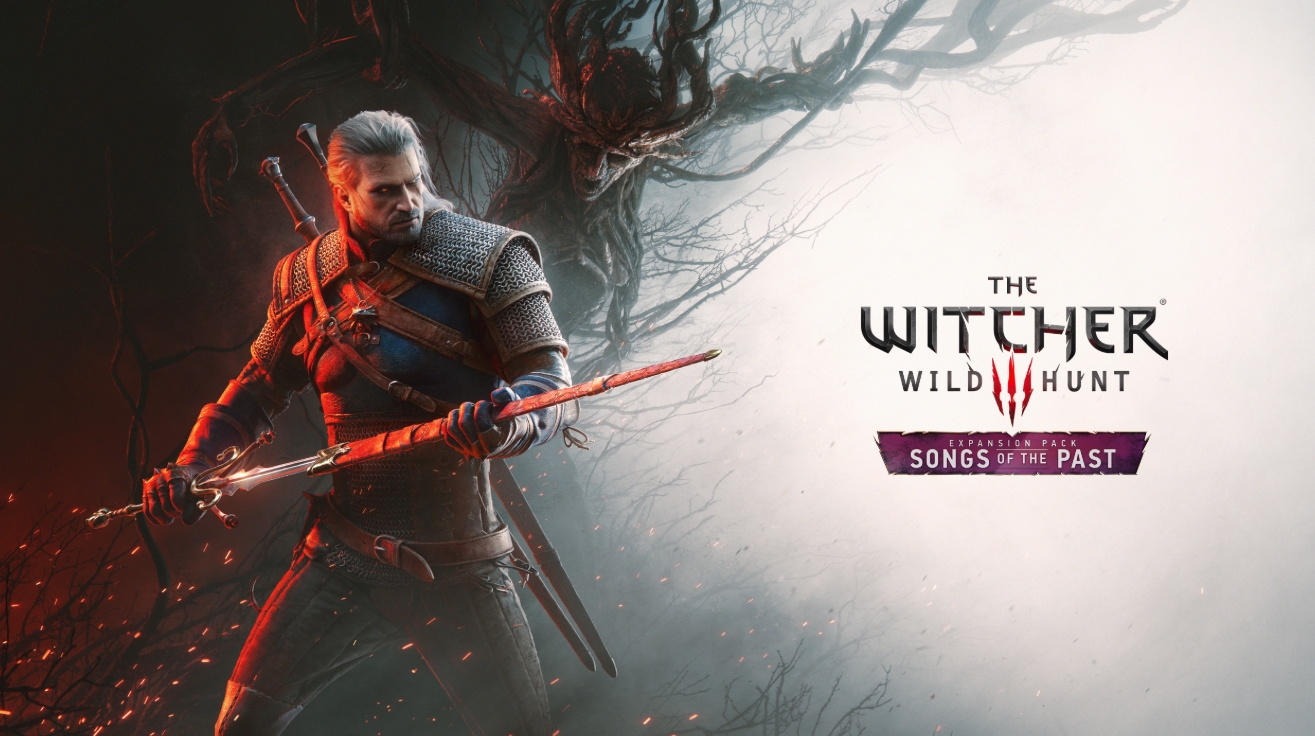
A third expansion for The Witcher 3: Wild Hunt is now officially in production. It’s called Songs of the Past, it puts Geralt back on the Path, and it lands in 2027 across PC, PlayStation 5, and Xbox Series X|S. The studio behind it is CD Projekt Red working alongside Fool’s Theory — and tucked inside the announcement is a hardware shakeup that will force a meaningful chunk of the game’s fanbase to make some decisions before launch day.
Table of Contents
A Leak Killed the Big Reveal — So CDPR Pulled the Trigger Early
The announcement wasn’t supposed to happen this way. CDPR had a proper unveil lined up for a REDstreams broadcast the following day — the kind of staged moment with countdown timers and carefully timed social posts. Then someone spotted the expansion sitting in the Red Launcher before the curtain went up.
Rather than scramble to suppress it, the studio shrugged and went public early. Their statement had an almost self-deprecating honesty to it: they found something unexpected in their own launcher, so the plan changed. The trademark paperwork told the same story — CD Projekt S.A. filed “Songs of the Past” with the European Union Intellectual Property Office on the same morning as the announcement, trademark number 019371013, covering software, merchandise, and digital services. Anyone watching the EUIPO database that day already had the answer before the official post went live.
Fool’s Theory: The Studio That Already Knows This World
The co-developer listed alongside CDPR is worth understanding properly. Fool’s Theory isn’t a body-shop studio brought in to hit a word count — it’s a Polish team built around developers who shipped the original Witcher 3. The same people who designed those systems, balanced those contracts, and built that open world are now extending it.
They’re also the studio currently handling a full remake of the first Witcher game, which puts them in a rare position: working both ends of the franchise timeline at once. CDPR leads the project, but having Fool’s Theory in the room means the expansion isn’t being handed to people learning the lore from a summary document. Actual gameplay, scope, and story details are held back until late summer 2026, when a fuller reveal is planned.
Geralt’s Last Chapter Before the Franchise Moves On
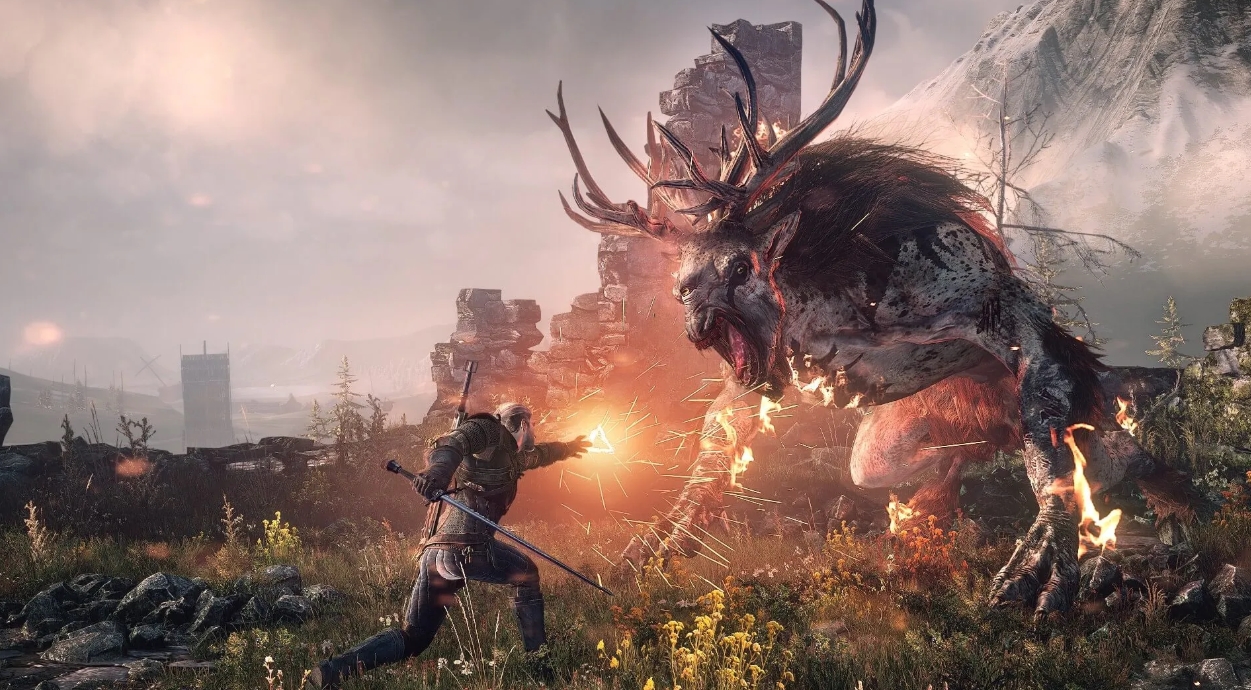
CD Projekt Red hasn’t described a single plot point. The title is everything players have to work with — and “Songs of the Past” carries its own weight. It suggests something retrospective: memory, unfinished history, threads the main game left hanging. It doesn’t sound like another continent-threatening catastrophe. It sounds quieter, more personal.
The franchise context sharpens the stakes. The Witcher 4 follows Ciri — that transition is already locked in, production is underway, and the next mainline entry is being built around a different protagonist entirely. That makes Songs of the Past something specific: likely the last time Geralt sits at the center of a major Witcher release. Whether the expansion treats that as subtext or addresses it directly, the timing alone gives it weight that Hearts of Stone and Blood and Wine never had to carry.
New PC Requirements: The Technical Floor Just Moved Up Sharply
Alongside the expansion reveal, CDPR confirmed that The Witcher 3’s minimum PC specifications are being overhauled. The update drops Windows 10, HDD support, and DirectX 11 simultaneously — a clean break from the game’s 2015-era assumptions about what hardware players would be running.
The studio was unusually candid about why. Microsoft’s end-of-life for Windows 10 in October 2025 removed the active driver support and security update pipeline that CDPR relies on for platform testing. Without that, they won’t test against it — and if they don’t test, they won’t support it. The DirectX 12 shift allows the team to leverage modern rendering features without maintaining a parallel legacy path. SSDs aren’t a preference anymore; the way modern games stream open-world assets makes mechanical drives a bottleneck the studio no longer wants to engineer around.
| Component | Previous Minimum | Updated Minimum |
|---|---|---|
| OS | Windows 7 / 8 / 10 | Windows 11 (64-bit) |
| Storage type | HDD — 35 GB | SSD — 70 GB |
| Graphics API | DirectX 11 | DirectX 12 |
| System RAM | 6 GB | 12 GB |
| GPU VRAM | 2 GB | 6 GB |
| GPU model | GeForce GTX 770 | GTX 1660 / RX 5500 XT |
| CPU | Core i5-2500K / FX-8350 | Core i5-8400 / Ryzen 5 2600 |
The same Windows 11 requirement is being applied to Cyberpunk 2077 under the same logic. CDPR is drawing a single technical baseline under both of its flagship titles and moving forward from there. Players on hardware that can’t clear the new bar will reportedly be able to roll back to older builds of the game — the option exists, but it won’t be actively maintained or tested.
There’s a legitimate tension here. The Witcher 3 spent eleven years being celebrated precisely because it ran on almost anything. That accessibility was part of its identity. Dropping it without a promised visual overhaul to justify the jump will frustrate players on older setups — and not without reason. The counter-argument is that designing around decade-old hardware creates real constraints on what Songs of the Past can actually be. CDPR is betting the expansion is worth the trade-off. Late summer 2026 is when they’ll have to prove it.
Confirmed Details at a Glance
-
Full title: The Witcher 3: Wild Hunt — Songs of the Past
-
Launch window: 2027 — no specific date announced
-
Platforms: PC, PlayStation 5, Xbox Series X|S only
-
Developers: CD Projekt Red + Fool’s Theory
-
Protagonist: Geralt of Rivia
-
Story details: Not yet revealed — full info expected late summer 2026
-
Price: Unannounced — expected as a paid premium expansion
-
PC floor: Windows 11, DirectX 12, SSD required — HDD and Win10 support dropped
What Comes Next and Why It’s Worth Watching
Songs of the Past sits at an unusual intersection. It’s a third expansion for an eleven-year-old RPG — something almost no game in this genre has pulled off — built by a team that includes people who made the original, arriving at the exact moment the franchise is preparing to pass the lead to a new character. That’s not a coincidence. It’s a deliberate choice by a studio that could have simply let Geralt’s story end where it was.
The late summer 2026 reveal will answer the questions that actually matter: what the expansion looks like, how large it is, what the story is actually doing, and whether the hardware requirement jump buys players something they can see on screen. Until then, the announcement is a promise and a provocation in equal measure — an old medallion vibrating in a drawer, insisting there’s still something left unfinished.