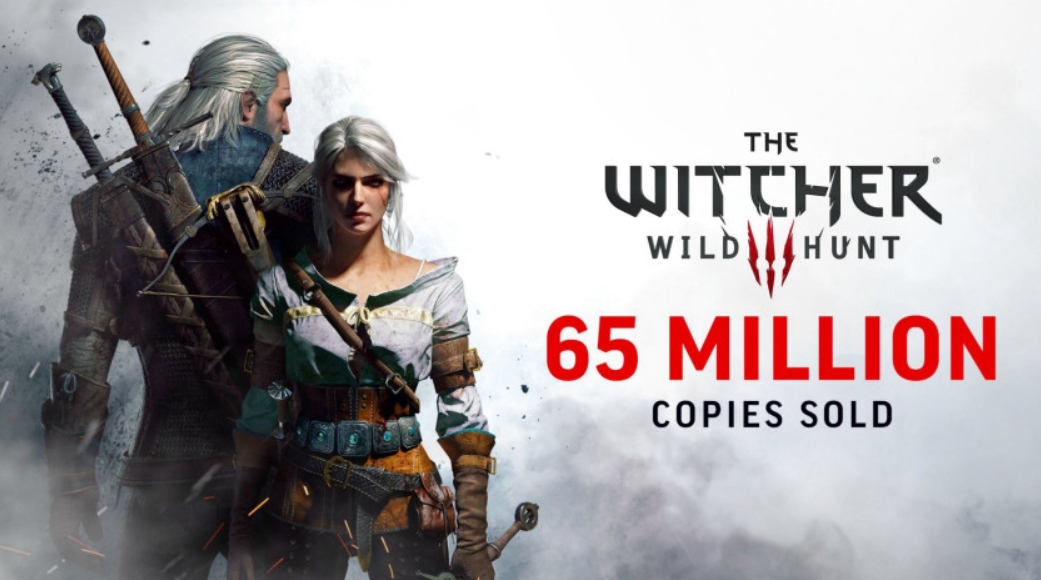
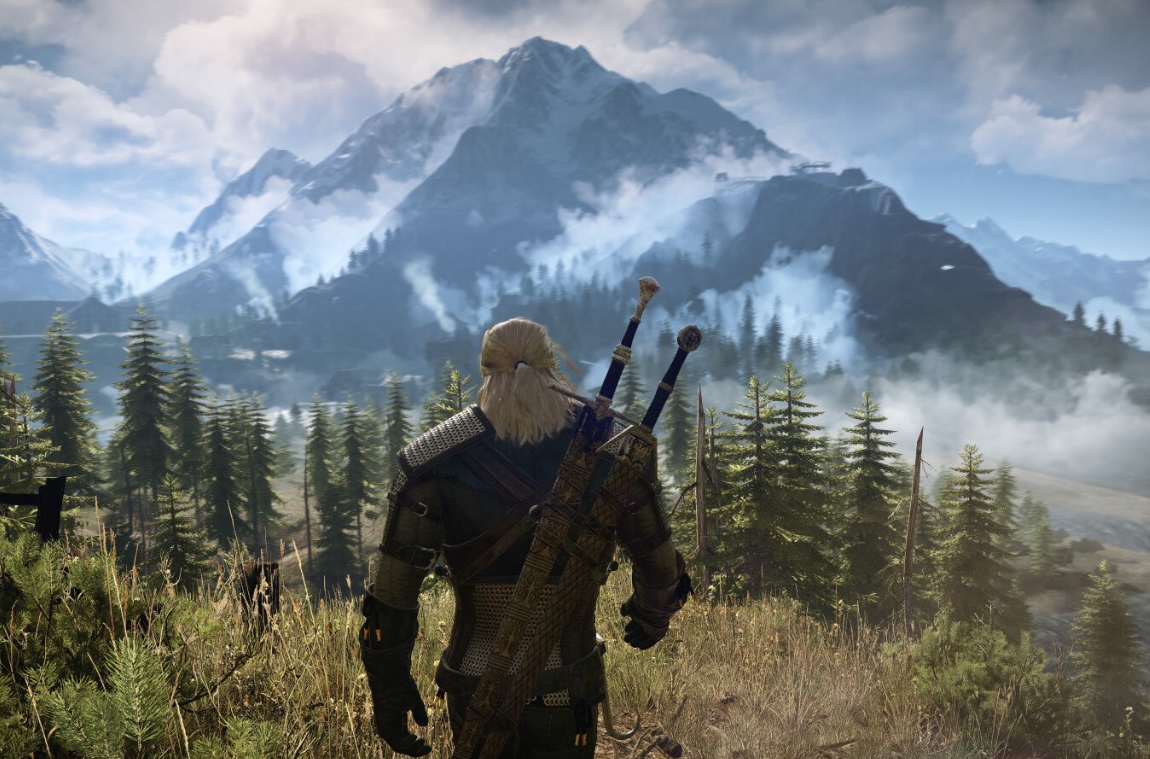
Eleven years on shelves — and no sign of slowing down. The Witcher 3: Wild Hunt has crossed the 65 million copies sold milestone, and this isn’t some cumulative lifetime tally being trotted out for nostalgia’s sake. It’s a fresh data point from CD Projekt’s Q1 2026 financial report, published on May 28. Behind the numbers lies a clear picture of where the company stands today — and where it’s heading next.
Table of Contents
How Many Copies Has The Witcher 3 Sold? Latest 2026 Data
65 million copies. To put that in perspective: that’s roughly the population of France. An RPG released in May 2015 is still moving units in 2026 — driven largely by subscription service catalogs like Game Pass and PlayStation Now, as well as regular PC storefronts sales and bundles.
CD Projekt’s CFO Piotr Nielubowicz addressed this directly in his comments on the report: the company’s revenue continues to benefit from solid direct sales of its key titles alongside income generated by their inclusion in subscription platforms. That’s a crucial detail — it explains how a game from 2015 still generates real, live revenue rather than just a line on a legacy spreadsheet.
The Witcher franchise as a whole brought in 44.7 million Polish zloty (roughly $12.3 million) during the quarter. Not bad for a decade-old title.
CD Projekt Q1 2026 Financial Results: Revenue Up, Profit Down Slightly
Total revenue for the first quarter of 2026 came in at 191.1 million PLN — approximately $52.7 million. That’s a 6% increase year-on-year compared to Q1 2025.
Here’s how the revenue breaks down by franchise:
| Franchise | Revenue (million PLN) | Revenue (million USD) |
|---|---|---|
| Cyberpunk (2077 + Phantom Liberty) | 140.1 | ~38.6 |
| The Witcher (including TW3) | 44.7 | ~12.3 |
| Total | 191.1 | ~52.7 |
The Cyberpunk universe dominates — nearly 73% of total revenue. The game that famously stumbled at launch has long since turned the corner, continuing to generate consistent income through Phantom Liberty and subscription catalog placements.
There’s a caveat worth noting, though: net profit dropped 5% compared to Q1 2025, settling at 106.2 million PLN ($29.2 million). That decline isn’t a red flag — it reflects the company actively scaling up development teams across multiple projects. When you’re deep in an investment phase, margins compress. That’s the trade-off.
What CD Projekt Is Working On: Team Distribution in 2026
One of the most revealing sections of any CD Projekt quarterly report is the headcount breakdown by project. Between late February and late April, the total workforce grew from 933 to 975 people. Here’s how they’re distributed:
-
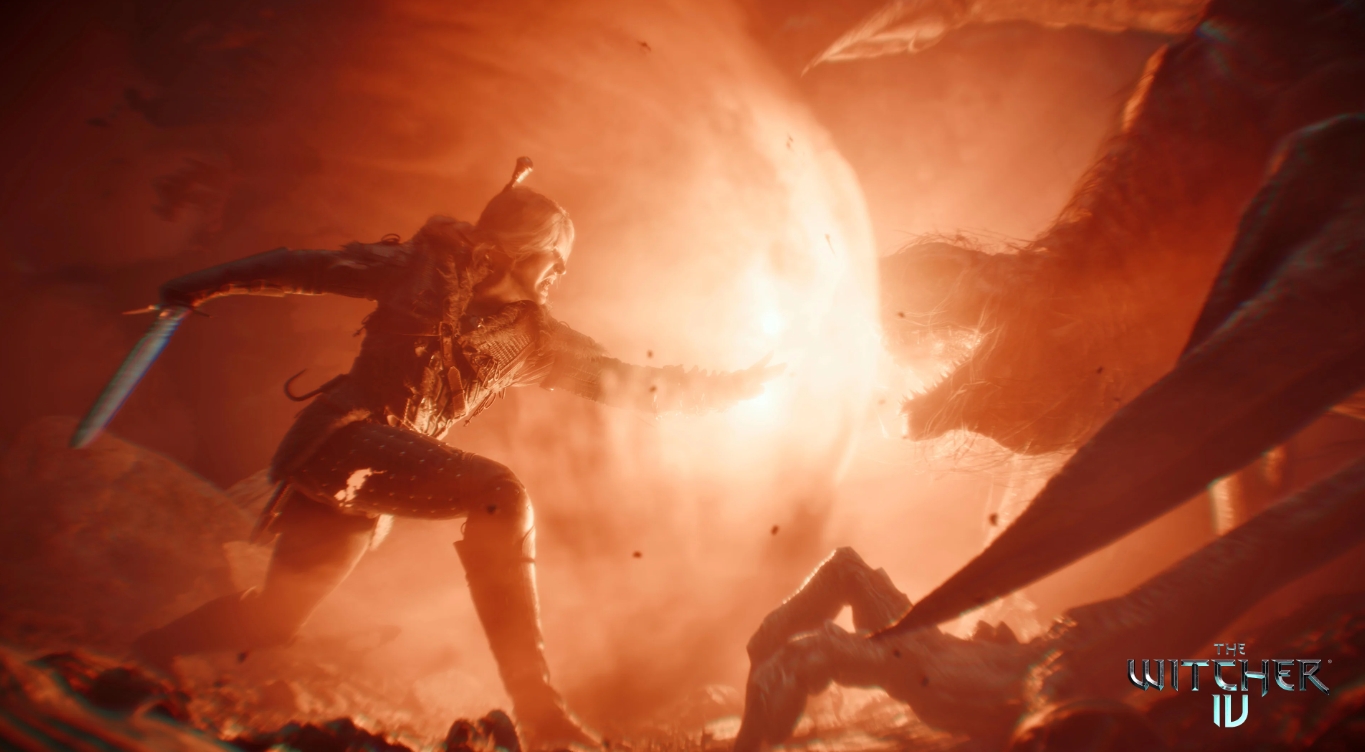
The Witcher IV — 513 developers. The largest team by far, and clearly the company’s flagship priority.
-
Cyberpunk 2 — 163 people. Development is underway, but in the background.
-
Sirius (a Witcher multiplayer spin-off) — 83 people.
-
Hadar (an entirely new franchise) — 24 people. Still the most mysterious project on the slate.
-
Support services (localization, QA, motion capture, etc.) — 173.
-
Other — 19.
The takeaway is hard to miss: more than half of all developers at CD Projekt RED are working on The Witcher IV. That’s not concept support or pre-production maintenance — that’s full-scale production. The next Witcher game is the studio’s number-one priority, and the staffing reflects it.
Cyberpunk 2, despite the fan anticipation, remains in earlier stages. A team of 163 is meaningful, but the project is still a long way from the kind of headcount that signals an imminent release window.
Kickstarter Record: Cyberpunk Trading Card Game Raises $28.3 Million
There’s one more headline buried in the report that deserves attention: the Cyberpunk Trading Card Game wrapped up its Kickstarter campaign with $28.3 million raised. That makes it not just the biggest gaming project in Kickstarter history, but the third-largest campaign on the platform across all categories.
For CD Projekt, this is a meaningful signal. The Cyberpunk brand has clearly grown well beyond a single video game — it’s a franchise with genuine pull across different media and formats. Between the TCG, the announced Edgerunners anime sequel, and Cyberpunk 2077’s continued sales, the studio is building something with long-term legs.
What This Report Means for Players: What to Expect From CD Projekt Next
The short version: CD Projekt is in solid financial shape, but is firmly in investment mode — spending now on the games it intends to release later. Current titles generate enough revenue to fund parallel development across four projects without the company needing to rush anything out the door.
A few key takeaways for anyone keeping an eye on the studio:
-
The Witcher IV is in serious production. Five hundred-plus developers don’t maintain a concept — they build a game. A release date announcement is still likely years away, but the momentum is real.
-
Cyberpunk 2 is confirmed and growing, but don’t hold your breath for news soon. This one is a long-term play.
-
Sirius — the multiplayer Witcher spin-off — is an interesting wildcard. With 83 developers, it could surface before either of the mainline sequels.
-
Hadar is barely off the ground. A brand-new IP with 24 people attached is still in the very early stages of whatever it’s going to become.
Meanwhile, The Witcher 3 keeps writing its own story. Sixty-five million copies is a remarkable number — and it’s almost certainly not the final one. With the newly announced “Ballads of the Past” DLC described as comparable in scope to Blood and Wine, the game has a fresh reason to land in shopping carts and return to wishlists for anyone who hasn’t made the trip to Velen yet.
Quarterly financial reports are, by nature, a look in the rearview mirror. But CD Projekt’s Q1 2026 numbers tell a consistent story: the company is stable, its ambitions are substantial, and its back catalog continues to pull its weight long after the credits rolled.