

Add-ons have remained a constant in the gaming industry. Some might argue that in earlier times, expansions were entire games launched alongside already successful titles. Today, however, segments of finished games are often cut out and sold as DLC or Season Passes, which can sometimes frustrate players. Despite this shift, the essence of an add-on remains unchanged; its fundamental purpose and rationale for existence are the same. A successful project generates substantial revenue, yet creating a full sequel demands considerable time and effort. By leveraging existing assets—such as game engines, character models, development tools, sounds, and music—developers can produce new content more swiftly and with less work. This approach allows them to effectively monetize the affection for the franchise and the triumph of the original game, delivering additional experiences to fans eager for more. The core essence of expansions revolves around the pursuit of quick profit, with creators occasionally looking to add a few additional thoughts to an existing project. One such expansion, the Expansion Pack for Doom 3 titled Resurrection of Evil, truly piqued my interest and drew me in.
Table of Contents
Doom 3 Resurrection of Evil Free Steam Account
Doom 3, despite the varied responses and years of skepticism, was far from just another hit; the game turned into a real phenomenon, which fans snapped up like hotcakes. All the costs of development and promotion of the project more than paid off, which is especially impressive considering the relatively small team that worked on the game. Obviously, it would be extremely unwise to miss the opportunity to make money on such a successful franchise, and Activision, together with id Software, understood this perfectly well. However, the developers did not take the easy way out, repackaging old content into a dubious product that could harm their impeccable reputation. Instead, they adopted a strategy of classic partnerships with small but effective studios that were able to offer high-quality and exciting additional content for an already cult project and its subsequent spin-offs.
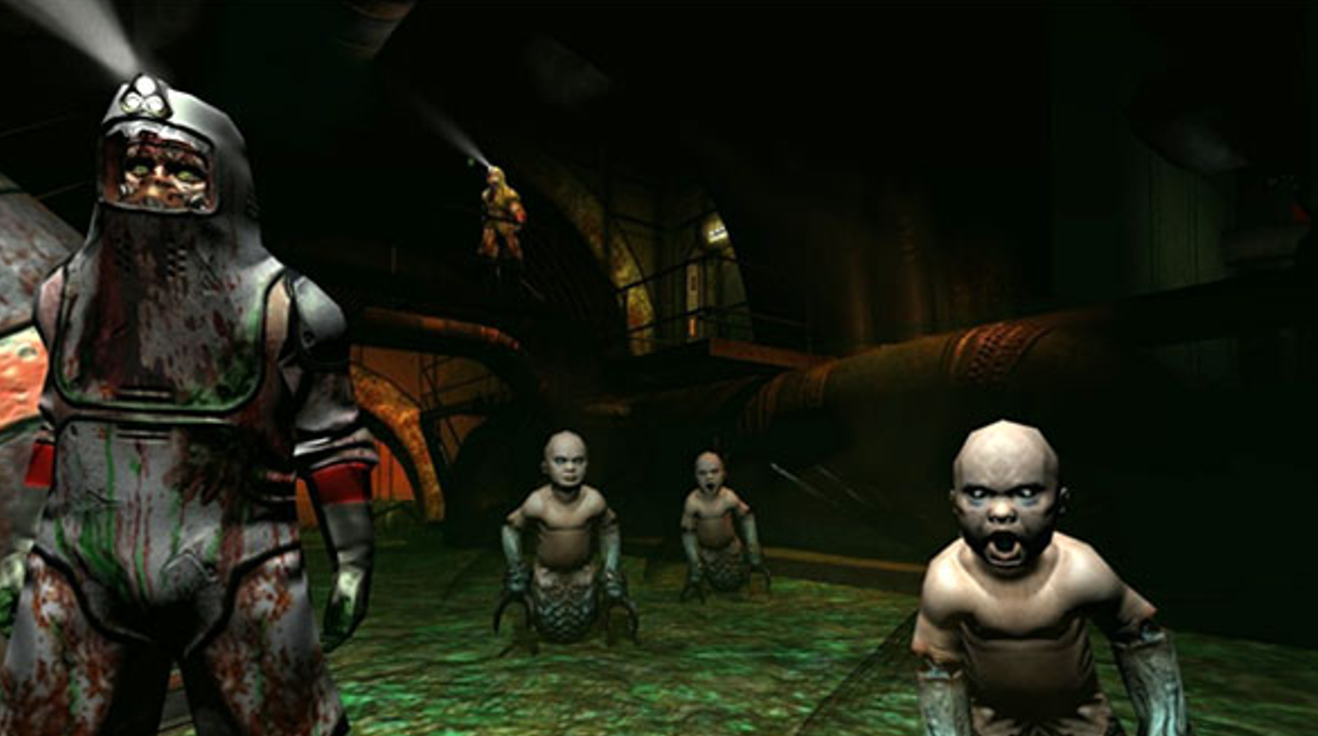
This time, the spotlight is on Nerve Software, a studio that previously made its mark with the multiplayer mode for Return to Castle Wolfenstein and its Xbox port, Tides of War. They were like eager apprentices, full of ambition and equipped with some experience in level design. Did they truly rise to the challenge before them? When the expansion was finally released, it didn’t generate nearly as much excitement as the original game. Doom 3 turned out to be less than the flawless hit everyone had hoped for. Furthermore, new heroes and thrilling franchises like Half-Life, Call of Duty, and Far Cry had begun to capture the public’s imagination. Now, I’m here to dive into how this expansion holds up and feels after all these years, exploring its strengths and weaknesses in the ever-evolving landscape of gaming.
What is it about?
This game serves as a direct continuation of Doom 3, skillfully picking up the storyline and resolving all its narrative threads. This remarkable expansion will draw you even deeper into the thrilling DOOM universe. Two years after the mysterious and terrifying events on Mars, the UAC makes a return to the deserted station to explore an enigmatic beacon hidden within the remnants of an ancient civilization. More specifically, the main character finds themselves reopening a portal to Hell, and Betruger, desperate to seize Earth with his relentless legions of demons, clearly isn’t going to let this chance slip away. As the story unfolds, players will encounter new dangers and challenges that heighten the sense of urgency and excitement.
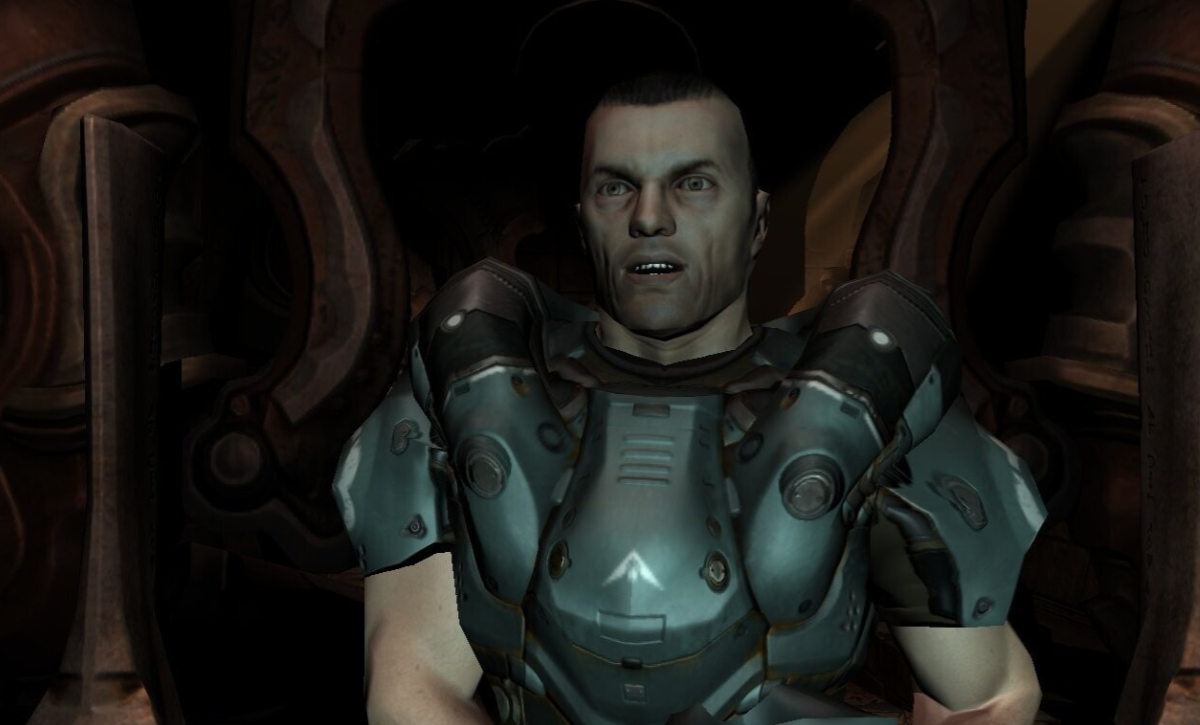
We control a brand-new character who, unfortunately, due to the game’s setup and his ever-present grin, comes off as rather foolish and somewhat naive. Unlike the original game, this installment presents many more significant cutscenes, yet it has lost a great deal of the quality and sheer number of those captivating micro-stories and subplots that I absolutely cherished in Doom 3. It’s not just that encountering a voiced diary is rarer than finding a sober student in a campus bar; the stories that do surface tend to be clichéd and rather unexciting. Overall, the local PDAs have transformed into little more than a source of codes for lockers and doors, almost entirely losing their previous charm and appeal that made exploring so enjoyable in the past.
How does it feel?
When studying the audiovisual component of the game, it becomes obvious that it almost does not deviate from the canons of the original. This is understandable, because we are not dealing with a full-fledged sequel, but an expansion of an already familiar project. Nevertheless, in terms of level and room design, the developers have demonstrated an enviable desire to breathe new ideas and variety into the game. In addition to the usual types of locations that migrated from the previous part, completely new types of rooms were carefully integrated into the game. They bring fresh notes to the gameplay and change the perception of the environment. In addition, the existing rooms have been redesigned in such a way as to seem a little more spacious, thanks to a slight increase in their internal space, which makes exploring the world more comfortable. And although radical innovations should not be expected, the feeling of an updated atmosphere will certainly give players new emotions and make the passage noticeably more exciting. It’s evident that the creators paid meticulous attention to the original Half-Life, as many levels are intricately designed, featuring frequent backtracking and opportunities to revisit familiar locations from new angles and perspectives. Ultimately, the game’s relatively short duration fosters a sense of variety and helps to avoid the constant feeling of déjà vu that occasionally affected the original experience. The sounds and ambient elements remain largely unchanged, although there is one significant and interesting difference that stands out.
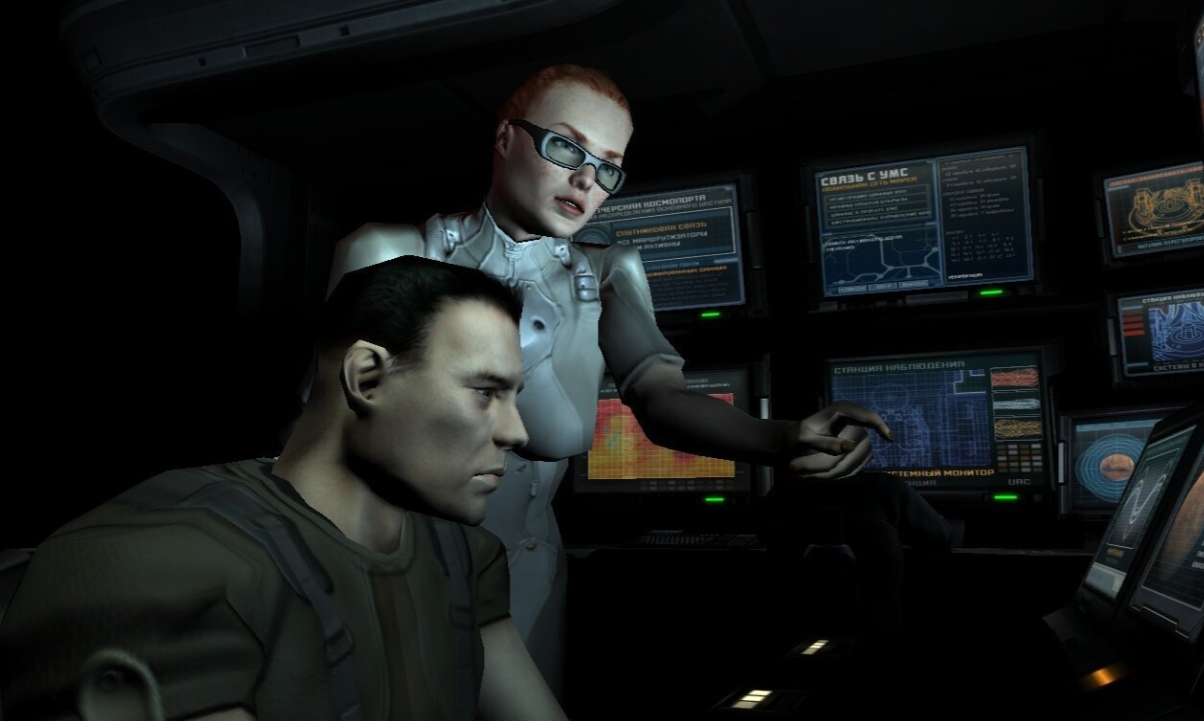
Feeling the game
The hero’s arsenal has seen some notable changes: the Soul Cube has logically vanished, and the chainsaw has mysteriously disappeared without explanation. However, several exciting new additions have made their appearance. You can now grab a powerful double-barrel shotgun straight from classic Doom II, delivering astonishing firepower for such an easily obtainable weapon. Its delightful sound when firing and reloading is so satisfying that it makes you want to stick with it for the entire game. In contrast to the generic firearms from the original, this shotgun truly stands out at the top, shining with its unique character and charm, making every encounter feel exhilarating.
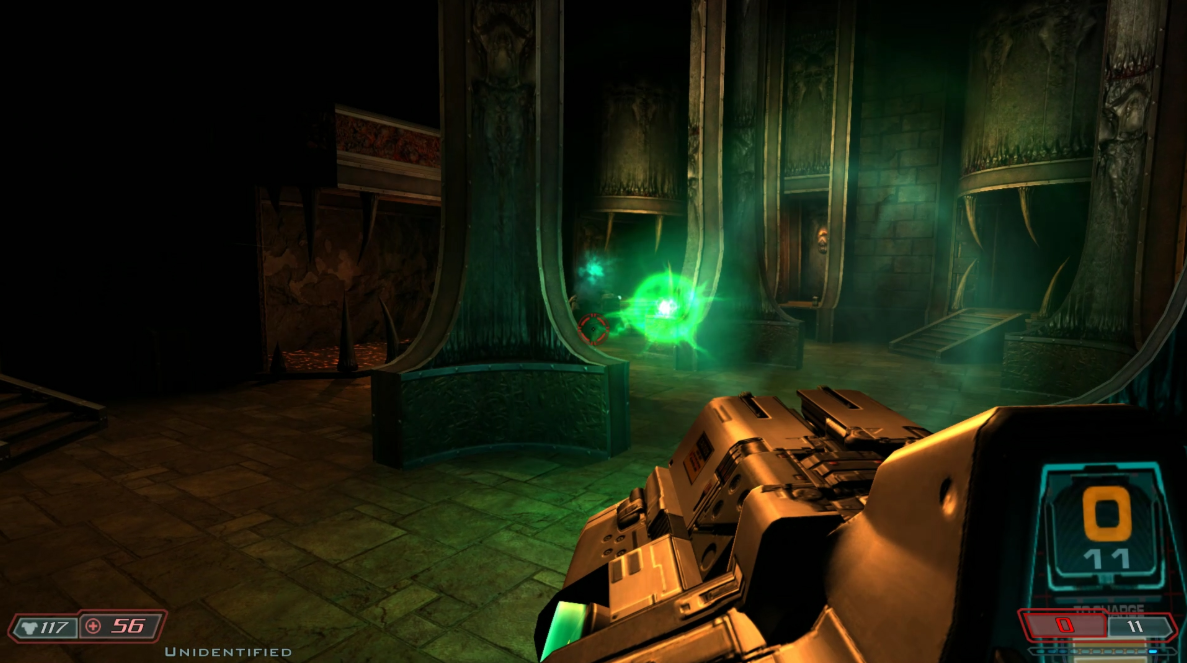
The gravity gun, known in this game as the gravihold, made its iconic entrance in Half-Life 2. While the developers insist they conceived this innovative gadget years prior, the gaming world often abides by the adage that the early bird gets the worm. Although using it isn’t as intuitive as Valve’s gravity manipulator due to the somewhat awkward physics engine, the thrill of capturing enemy plasma orbs and flinging them back is genuinely exhilarating and adds a dynamic layer to combat. However, one significant drawback of the gravihold is the overwhelming abundance of ammunition scattered throughout the game. This surplus diminishes the urgency to utilize the device effectively, making it feel less special. Additionally, the lack of intricate puzzles or challenges that can only be solved with the gravihold further highlights a missed opportunity for deeper gameplay mechanics. It would have been fantastic to see more engaging scenarios where players could creatively use the gravihold to overcome obstacles, adding more depth and excitement to the experience. Overall, while the gravihold is a fun tool, its potential could have been explored much more fully.
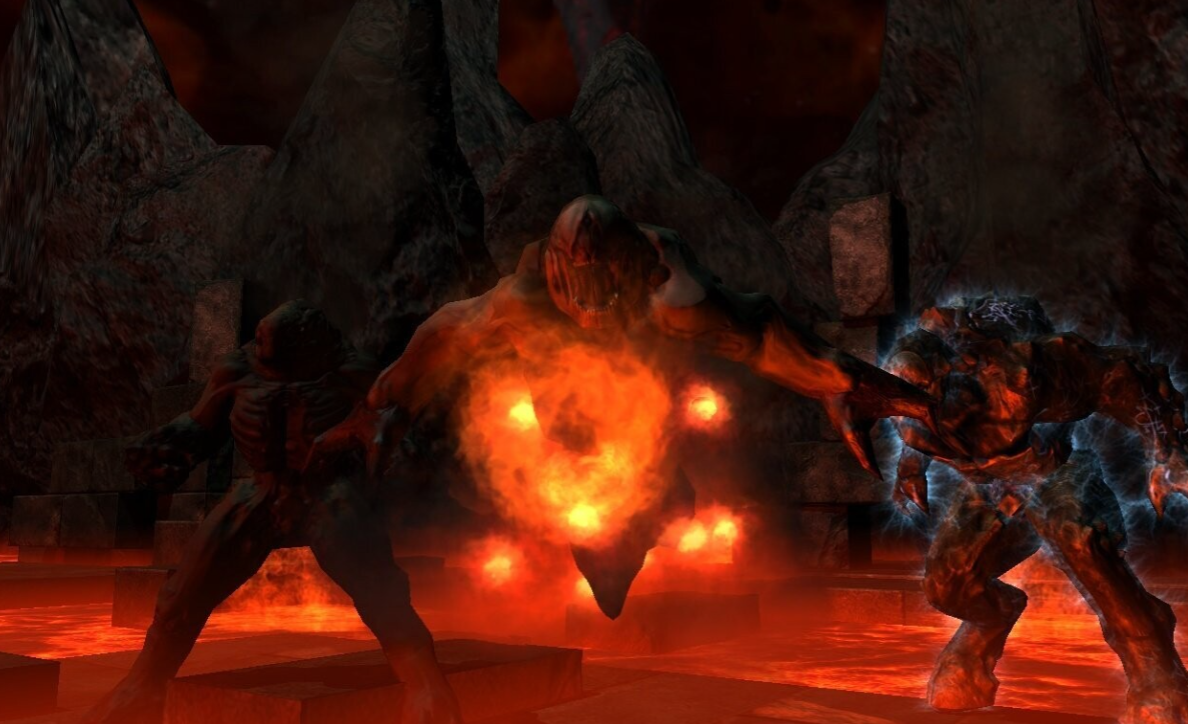
Instead of the usual “cube of souls”, which many considered too cheating, the game now features an equally impressive artifact – the heart. This mystical item has truly unique capabilities that significantly strengthen the character as he progresses and fights with powerful bosses. The heart is able to stop the flow of time for everything around except the player himself, providing invaluable seconds to think about tactics and instant actions. In addition, it increases the damage you deal by four times and provides a short-term, but extremely useful 10-second invulnerability – especially in intense battles, where every second is worth its weight in gold. What is surprising is that all these powerful effects can be combined at the same time, bringing you closer to a triumphant end to the game. The only condition for using this power is to absorb the souls of defeated opponents, which makes each victory even more significant and valuable.
Alongside the arsenal, the bestiary underwent a significant transformation: the flying, fiery heads shed their flesh and morphed into blazing skulls, while the devil evolved into a more sophisticated version reminiscent of an alien creature. Meanwhile, the bull-like monster, a curious hybrid of a mancubus and a hell knight with a television for a face, is always ready to unleash a relentless barrage of rockets at you. Furthermore, after this upgraded form of the devil made its appearance, his regular version will only drop by to visit you during major celebrations and festive occasions, adding an eerie touch to the festivities.
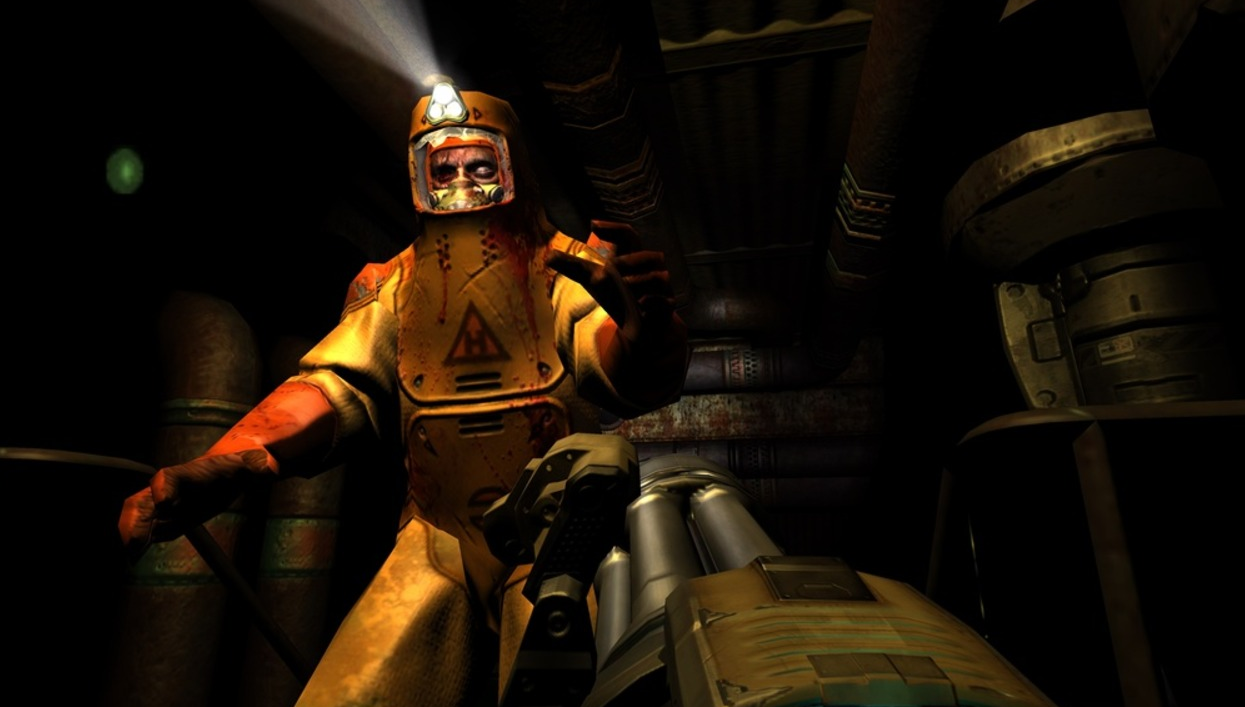
If we take a moment to step back from dissecting every detail and simply observe how the game unfolds, it becomes clear that it plays out with much more energy and excitement compared to the original. The game has largely moved away from attempts to build suspense and scare players with unexpected monster attacks; instead, the battles tend to be quite predictable in nature. Whether it’s due to a shorter overall playtime or an increased concentration of monsters per square meter on the Martian base, at times the game transforms into an exhilarating rush, feeling like a true adrenaline-fueled experience. Players find themselves mowing down groups of foes in a satisfying way, creating a sense of empowerment and thrill.
The double-barreled shotgun and the artifact truly compel you to charge right up to your enemies, blasting them with bullets and triggering the artifact’s power, allowing you to take out multiple foes in just seconds. After this intense flurry, you can finally pause to catch your breath and prepare for yet another gripping encounter. The game manages to surprise even the most seasoned modern players when it comes to navigating the canals filled with toxic waste. In these moments, the gameplay feels entirely different, offering genuinely fresh experiences that constantly urge you onward and challenge your skills in unexpected ways. Each encounter feels unique, keeping you engaged and eager for what lies ahead.
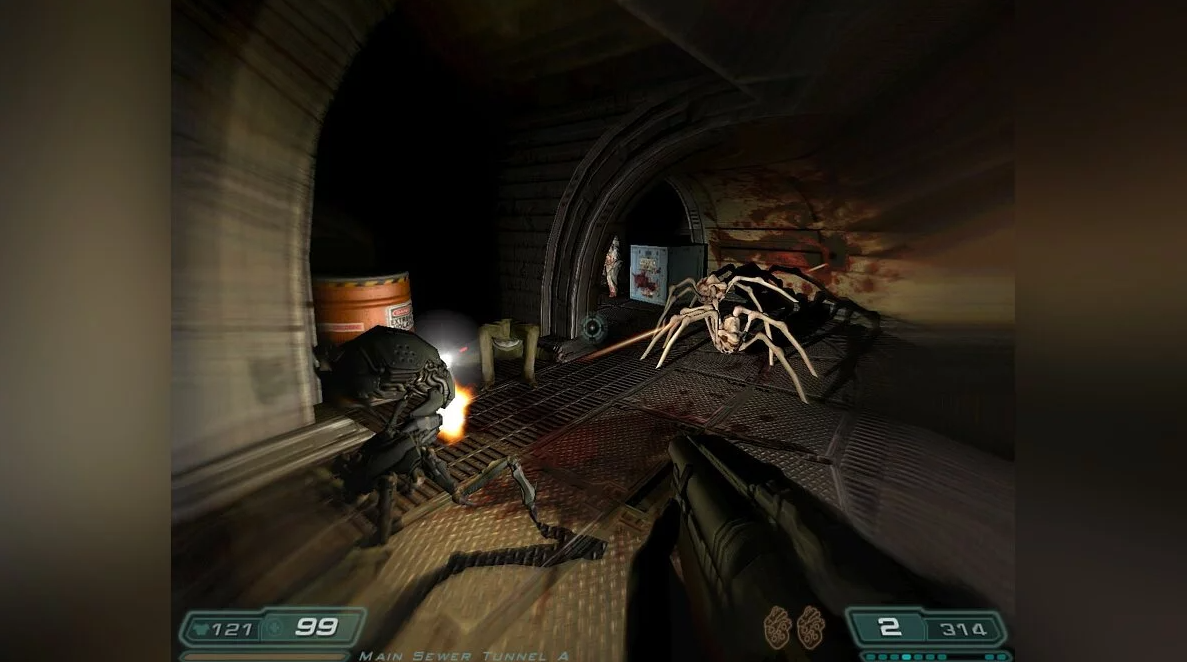
Even the boss battles, which were a notable weak point in the original game, have been significantly improved in this iteration. For instance, the encounter with the Betroguer in its hellish wyvern form can create a truly intense experience, pushing players to their limits and demanding skill and strategy to overcome it. Of course, as I previously noted, the game has lost some of its immersive atmosphere and deeper narrative structure that fans loved. However, when it comes to Doom, gameplay has always taken precedence over everything else, and this case serves as a strong reminder of that simple yet profound truth. Players can appreciate the thrill of the challenges, even if some storytelling elements have taken a back seat.
Conclusions
At first glance, Resurrection of Evil feels strikingly similar to Doom 3, but it would be premature to dismiss it. The game delivers the concise, fast-paced experience that resonates with many contemporary players. If you’re curious about exploring the Doom 3 universe, this expansion arguably distills the experience into a more focused and rewarding package. It’s an excellent recommendation for players who want to immerse themselves in the third chapter of Doom without enduring prolonged, repetitive navigation through dim, labyrinthine corridors. Resurrection of Evil invites gamers to step into the legendary world with a more manageable level of commitment. Though it may not achieve the benchmark set by standout expansions like Half-Life: Opposing Force, it does outshine the base game in several key areas—a feat worth recognizing. In conclusion, Resurrection of Evil presents itself as a strong option for those who crave intense action without a heavy time demand. It stays true to the series’ core appeal while offering a fresh twist that is accessible and enjoyable for both longtime fans and newcomers alike.
We have masterfully woven the game into the very essence of the game, allowing you to enjoy the process while being in the epicenter of the gaming experience. Sounds impressive, doesn’t it?
P.S.: Traditionally, 1C took on the localization again, and the result, as expected, exceeded all expectations. Each interface element and textures were perfectly adapted, leaving no reason for complaint. High-quality, professionally selected voice acting only enhanced the immersion effect. The final localization turned out to be exemplary and significantly enriched the impressions of the game.
Doom 3: Resurrection of Evil System Requirements
The minimum system requirements indicate the computer configuration that ensures stable launch of the game at minimum graphic settings without crashes and delays.
| Parameter | Minimum Requirements | Recommended Requirements |
|---|---|---|
| Operating System | Windows XP or later | Windows XP or later |
| Processor | Intel Pentium 4 2.0 GHz or equivalent | Intel Pentium 4 3.0 GHz or equivalent |
| Memory | 512 MB | 1 GB |
| Graphics Card | NVIDIA GeForce 6600 or ATI Radeon X1300 | NVIDIA GeForce 7600 or ATI Radeon X1600 |
| Storage | 2 GB available space | 2 GB available space |
| Sound Card | DirectX 9.0c compatible | DirectX 9.0c compatible |
How to play Doom 3: Resurrection of Evil for free on Steam via VpeSports
Want to immerse yourself in the exciting and slightly dark atmosphere of Doom 3: Resurrection of Evil without spending a penny? We have a proven solution that will allow you to do this easily and without unnecessary hassle!
On the VpeSports platform, you can take advantage of the opportunity to play through a common Steam account, where this game is already installed. All you need to do is go through a quick registration.
After creating an account, take a look at the Free Steam Accounts section. Here is a list of available projects, among which is Doom 3: Resurrection of Evil. Going to the game page, you will get a detailed review, as well as a download button and clear instructions for launching. Nothing complicated – everything is intuitive!
Don’t forget about the mandatory step – leave a comment under the game review. This is not just a formality, but an important contribution to the development of the platform and maintaining the community. As soon as the moderators approve your message (if it does not violate the rules), you will receive an email with your login details.
We carefully check all games to ensure their safety. We recommend subscribing to our Telegram channel to be the first to know about new updates, useful tips and changes. If you have any questions, the support service is always ready to help. There you can also discuss the game with other Doom fans, share experiences or ask questions of interest.
In case of difficulties – do not worry! On the site you will find detailed instructions that will help you quickly figure it out and start enjoying the game without extra effort.