

Roadside Research is an atmospheric indie PC project that is difficult to fit into the usual genre framework. Formally, this is a first-person adventure game with elements of exploration, a light simulator and a narrative thriller. In fact, it’s a meditative, sometimes disturbing journey along abandoned highways, where every stop can turn into an unexpected discovery.
Table of Contents
Roadside Research Free Steam Account
The plot is simple: you are an employee of a small independent research group dedicated to recording and studying anomalies along old highways and in semi—abandoned settlements. No military labs or pretentious briefings. Everything is in camera: an old van, portable equipment, a tablet with tasks and a list of coordinates.
The game stands out among indie projects not because of its scale, but because of its tonality. There is no overloaded interface in Roadside Research, no constant tooltips, and no aggressive game design that pushes the player into action. It is based on the feeling of the road, emptiness, and the gradual realization that the world around you is slightly “displaced.”
The special feature of the project is the balance between realism and mysticism. Anomalies don’t look like flashy fiction. Sometimes it’s a subtle distortion of space, a strange repetitive sound, or an object that “shouldn’t” behave the way it does. The game deliberately avoids loud special effects, relying on understatement.
Gameplay of Roadside Research — mechanics, exploration and gameplay
The gameplay is built around the “exit — research — analysis — report” cycle. But in practice, it is much deeper than it seems in the description.
You get the coordinates and a short help. Next, independent research. It is important not just to find the object, but to understand its nature. Several tools are used for this purpose: photo fixation, scanning, sampling, recording audio anomalies. Each tool has limitations — the battery is running low, and the equipment may be inaccurate.
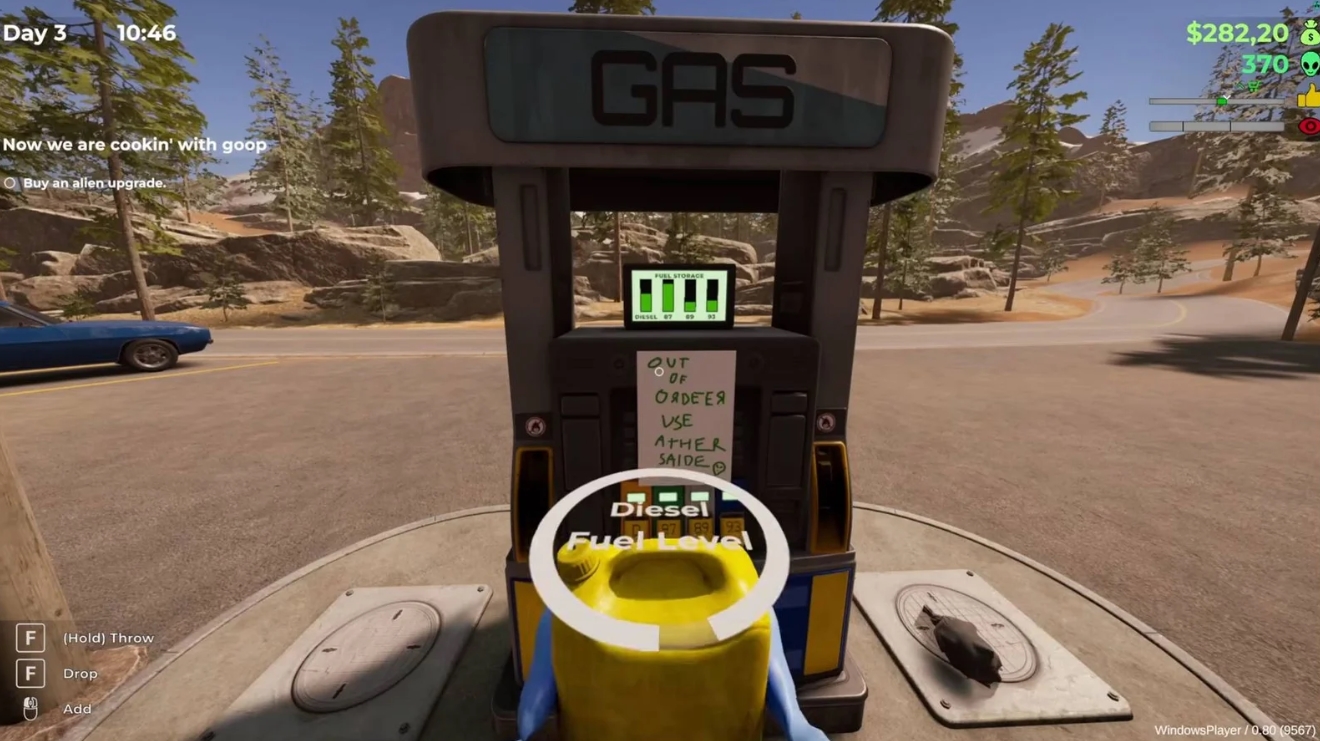
The exploration of locations is designed so that the player is constantly between observation and caution. Sometimes an anomaly reacts to your presence. For example, one of the objects changed shape if you approached it too fast. In another mission, the environment was gradually distorted if you stayed in the area for too long.
Key gameplay elements:
-
careful study of the environment without explicit markers;
-
analyzing the collected data with the possibility of making an erroneous conclusion;
-
making decisions that affect future assignments;
-
the gradual unfolding of mechanics is through practice, not through training.
The pace is deliberately slow. The game makes you stop, listen, and go back. There is a risk in this — some of the audience may consider the process “empty”. But if you adopt the rhythm of Roadside Research, there is a state of immersion that is rarely found in more dynamic projects.
The difficulty is not related to reaction or timing. She is intelligent and atmospheric. Mistakes are not severely punished, but they can change future events, affect access to certain areas or the behavior of anomalies.
Get immediate access to full games using a steam account free!
The plot of Roadside Research — history, atmosphere and hidden meanings
The story is presented in fragments. The game doesn’t dump the exposure right away. We get to know the world through reports, old recordings, colleagues’ voicemails, and the protagonist’s personal comments.
It is gradually becoming clear that the anomalies are not an accident. They are related to the region’s past, the industrial downturn, the disappearance of people and the closure of infrastructure. But Roadside Research never gives a definitive answer. It leaves room for interpretation.
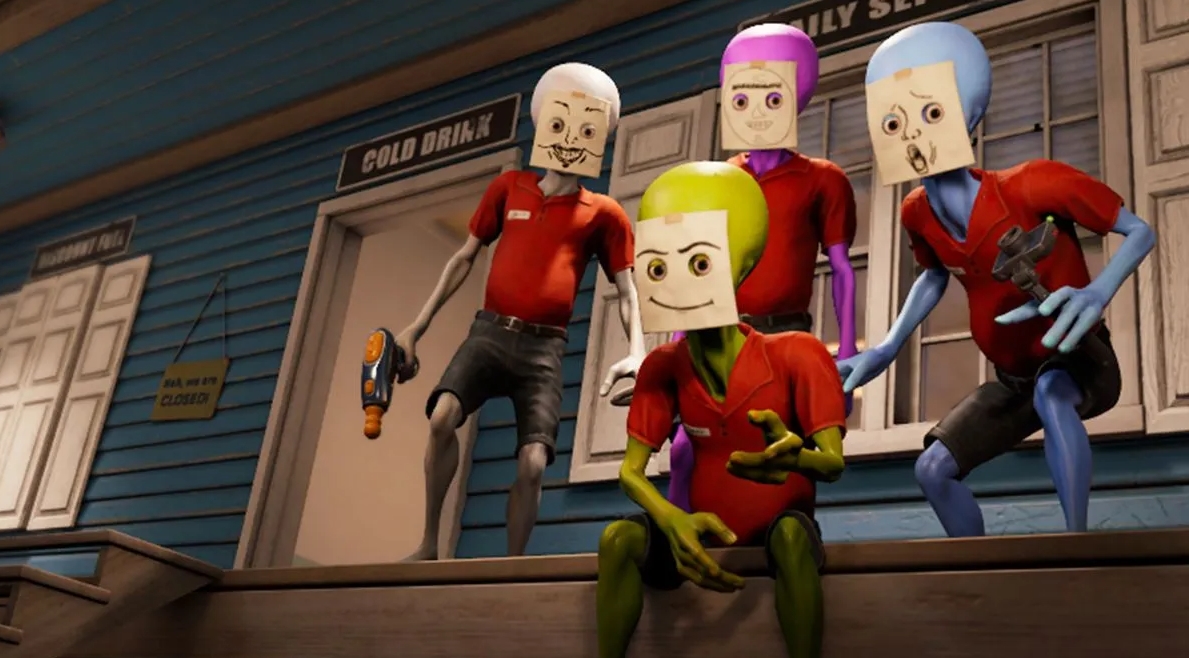
The main character is not a faceless avatar. Through his inner cues, fatigue, detachment and an attempt to deal not only with anomalies, but also with his own past are felt. Some of the missions clearly echo his personal story, but the game doesn’t talk about it directly.
The plot develops quietly. There are no loud turns, but there is a gradual build-up. Towards the end, the feeling of isolation increases. Communication with the database becomes unstable, reports arrive with a delay, and the outside world seems to be responding to your interference.
In this regard, Roadside Research is not so much a story about mysticism as about observation. About what happens when a person tries to systematize something that defies logic.
Graphics and sound in Roadside Research — visual style and atmosphere
Visually, the game is based on stylized realism with a slight touch of faded film. The color palette is muted: warm sunsets, gray clouds, dusty roads. It looks like the world is a little tired.
Special attention is paid to lighting. Sunset scenes create a feeling of loneliness, and nighttime episodes work on the contrast of headlights and total darkness. At some points, the visual becomes almost surreal — space “floats” slightly, objects are distorted.

Sound is one of the strongest elements of the project. There is not much music, but it appears at key moments. The main focus is on the environment:
-
wind passing through metal structures;
-
the distant noise of the highway;
-
the creaking of the doors of abandoned buildings;
-
barely discernible resonances of anomalies.
The sound environment creates tension without direct threats. Sometimes it’s enough just to stand in silence to feel uncomfortable.
Technically, the game shows stable performance on PC. Even on average systems, you can count on 60 FPS with the correct settings. Optimization feels thoughtful: there are no sharp drawdowns, downloads are short.
How long does it take to complete Roadside Research
The average duration of the campaign is about 10-12 hours with careful research. If you go through it more superficially, you can do it in 8 hours.
Additional elements, hidden recordings, and alternative solutions add a few more hours. A full study of all branches will take up to 14-16 hours.
Replayability is moderate. It’s not a sandbox, but the variability of solutions in some missions gives you a reason to come back and check out an alternative outcome.
Pros and cons of Roadside Research — an objective analysis of the project
Strengths:
-
the whole atmosphere and the unique tone of the narrative;
-
thoughtful sound environment;
-
an intelligent approach to research;
-
stable technical implementation on PC.
Weaknesses:
-
a slow pace may seem like a long time.;
-
not everyone will like the fragmentary presentation of the plot;
-
limited dynamics and lack of action.
When compared with typical “walking simulator”, Roadside Research is deeper due to analysis systems and solutions. But for those who are looking for dynamic gameplay, the game may seem too calm.
Is it worth playing Roadside Research in 2026 — the final verdict
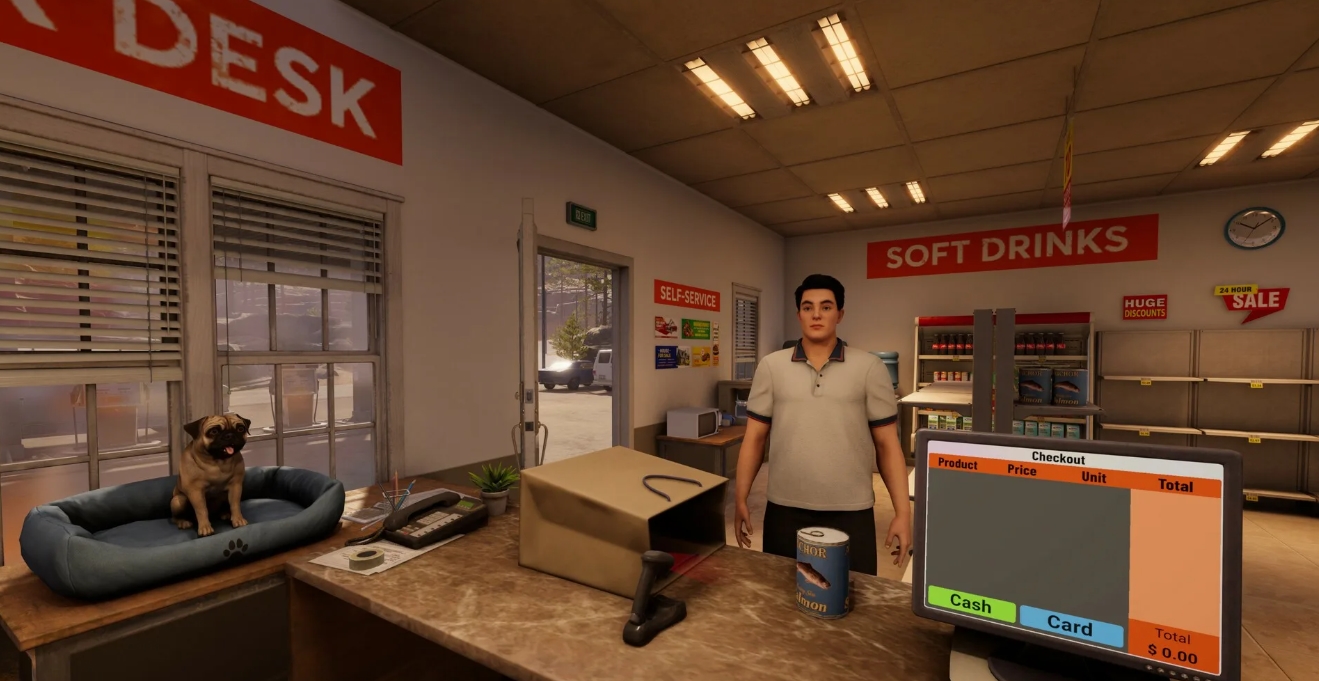
In 2026, Roadside Research remains a relevant atmospheric project. It has not become outdated visually and has not lost its expressiveness. This is a game for those who appreciate exploration, atmosphere, and the gradual unfolding of a story.
For me personally, Roadside Research has become an example of how an indie team can create a deep, thoughtful experience without making big statements. This is not a massive hit, but a niche, but high-quality work.
If you’re ready for a leisurely pace, an attentive exploration of the world, and a slightly unsettling mystique, Roadside Research is definitely worth your time.
Roadside Research System Requirements for PC
Roadside Research
How to play Roadside Research for free on Steam via VpeSports
There are times when you don’t want action for the sake of action, but a story you believe in. One where silence is more oppressive than gunfire, and an ordinary roadside stop suddenly seems more important than any epic castle. Roadside Research is about this feeling. About the strange objects along the highway, about documents with faded seals, about laboratories that seemed to have been closed in a hurry. Here you are not just a player — you are a person who, step by step, unravels someone else’s secret.
The most powerful thing about this game is the atmosphere. The road goes into darkness, the radio picks up fragments of signals, and in another building the lights are on for too long for a place that is considered abandoned. At such moments, you catch yourself thinking that you start to look at the details, listen to the sounds, doubt your own conclusions. Roadside Research does not lead you by the hand — it offers to observe, analyze and make discoveries on your own. And that’s what creates the feeling of real exploration.
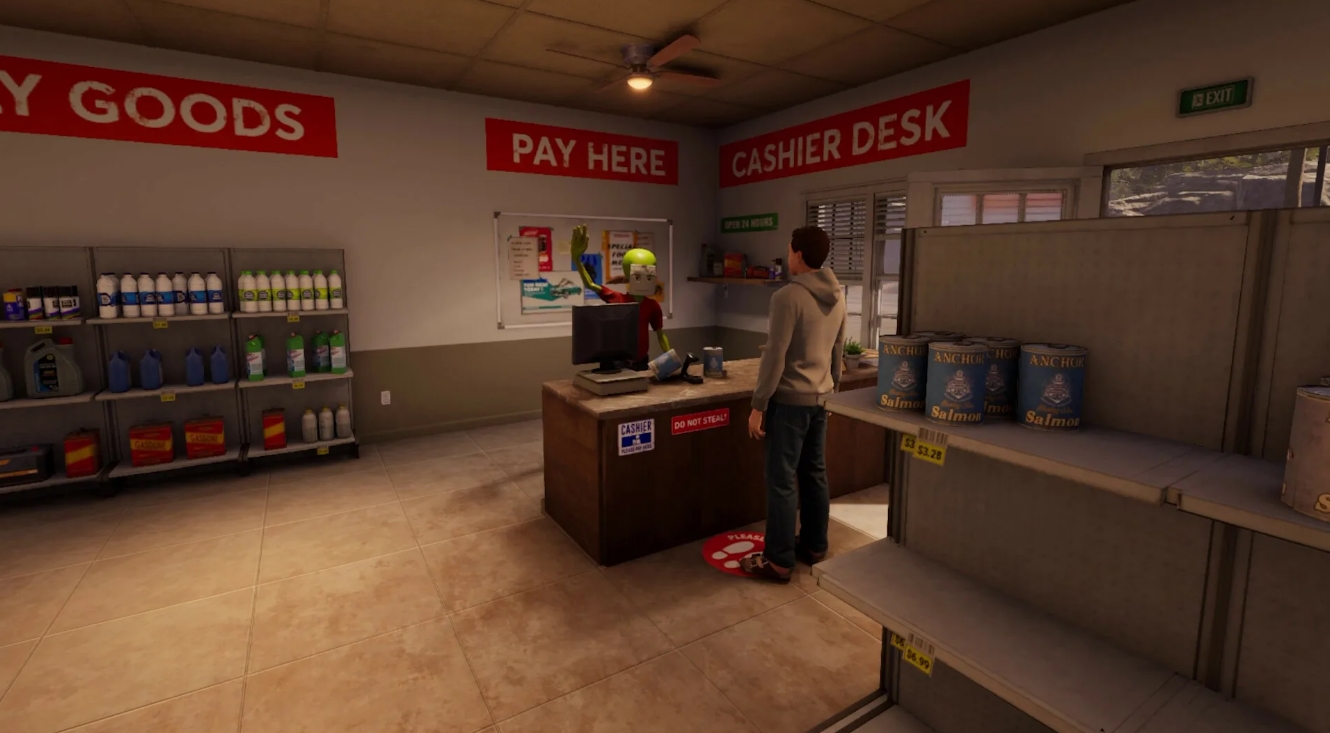
We understand that waiting and complicated instructions can ruin a first impression. Therefore, we made everything as simple as possible. You register on the website, log into your personal account, return to the top of the page and click GET AN ACCOUNT. Then there are clear steps without unnecessary confusion, so that you can go to study the anomalies as soon as possible and look for answers to the questions that the game throws up almost from the first minutes.
If you want to feel like a part of a small but engaged community of researchers, join our Telegram channel. They share new accounts, talk about updates, and discuss theories and findings. And if something causes difficulties, the “How to Play for Free – Complete Guide” section contains explanations and hints, or you can simply write to the chat. We are always happy to help ensure that your research at Roadside Research is not interrupted at the most interesting place.