

There are games that immediately make it clear what you’re getting into. And there are those like Library of Ruin — they look strange at first, almost repulsive, and then they drag you out so much that you stop noticing time. In 2026, this project can no longer be called a niche experiment — it’s a cult thing with a very specific taste.
I entered it with caution. Card fights, a visual novel, a strange aesthetic… it sounds like a set for a narrow audience. But after a few hours it becomes clear: This is not just a “card”, but a full-fledged tactical RPG with depth, which is rarely found even in more expensive projects.
Library of Ruin is a game that requires attention and patience. She doesn’t try to please you right away. But if you give her a chance, she starts to open up—slowly but surely.
Table of Contents
What is Library of Ruina and how is it related to Lobotomy Corporation?
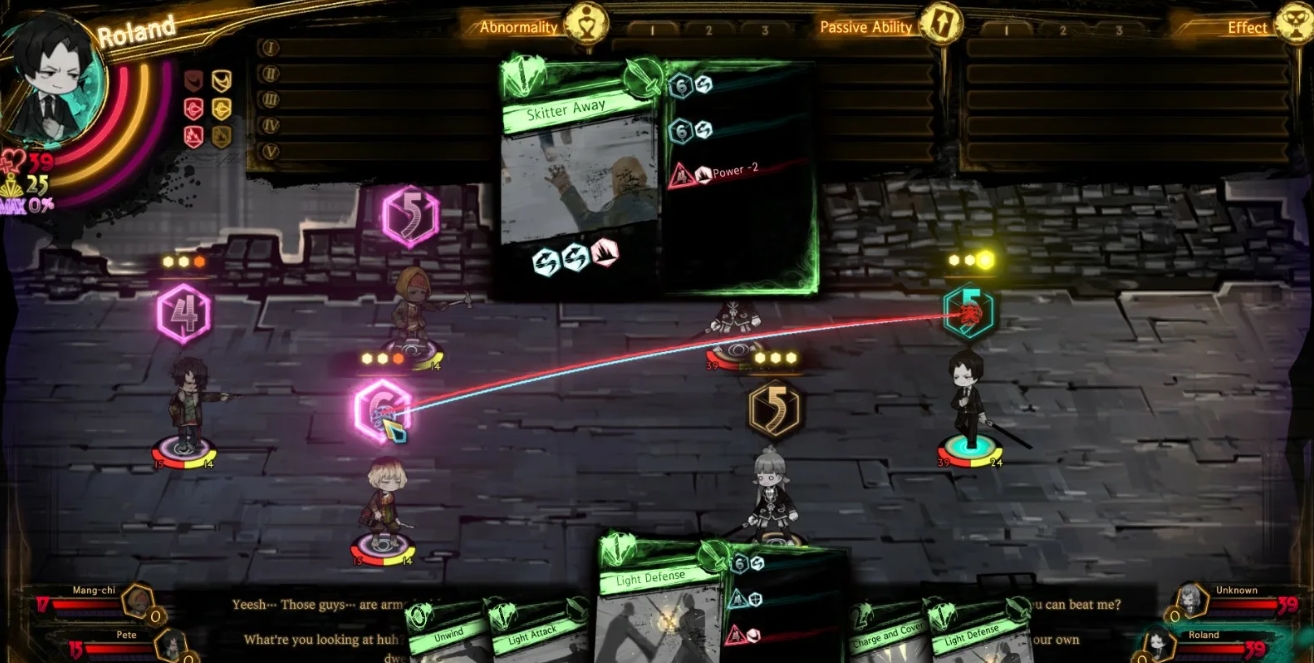
Library of Ruina is a direct continuation of Lobotomy Corporation, and without this context, much seems unclear at first. The events take place in the same gloomy world known as the City, a place where human life is almost worthless.
If you’ve played Lobotomy Corporation, you’ll feel familiar motifs here: strange entities, corporate absurdity, moral dilemmas. But unlike the management simulator, Ruina takes a step towards storytelling and tactics.
If you haven’t played, it’s not critical. Yes, some details will be perceived as a mystery, but the game gradually introduces you to its own world. Moreover, the feeling of understatement here even works for the atmosphere.
The main thing to understand is: This is not “just another card game.” It is an extension of a complex universe with its own philosophy.
The plot of Library of Ruina: the dark world of the City and the main characters
The story unfolds inside a mysterious Library, a place where people come looking for answers, strength, or salvation. But not everyone gets out of here.
You play as Roland, a man with a dark past, and Angel, a Library manager who doesn’t fully understand her own nature. Their interaction is one of the strongest elements of the game. These are not just dialogues for show, but the gradual unfolding of characters through philosophy, sarcasm and internal conflicts.
The plot is presented in the format of a visual novel, but it is written much deeper than one might expect. There’s a lot here:
-
reflections on the meaning of life and the price of the power
-
of gray moral zones, where there is no “right” choice
-
of unexpected turns that change the perception of characters
Sometimes it seems that the game is deliberately taking its time. It gives you time to experience the world, understand its rules, and accept the fact that there are rarely happy endings.
Gameplay Library of Ruin: deck-building battles and library management
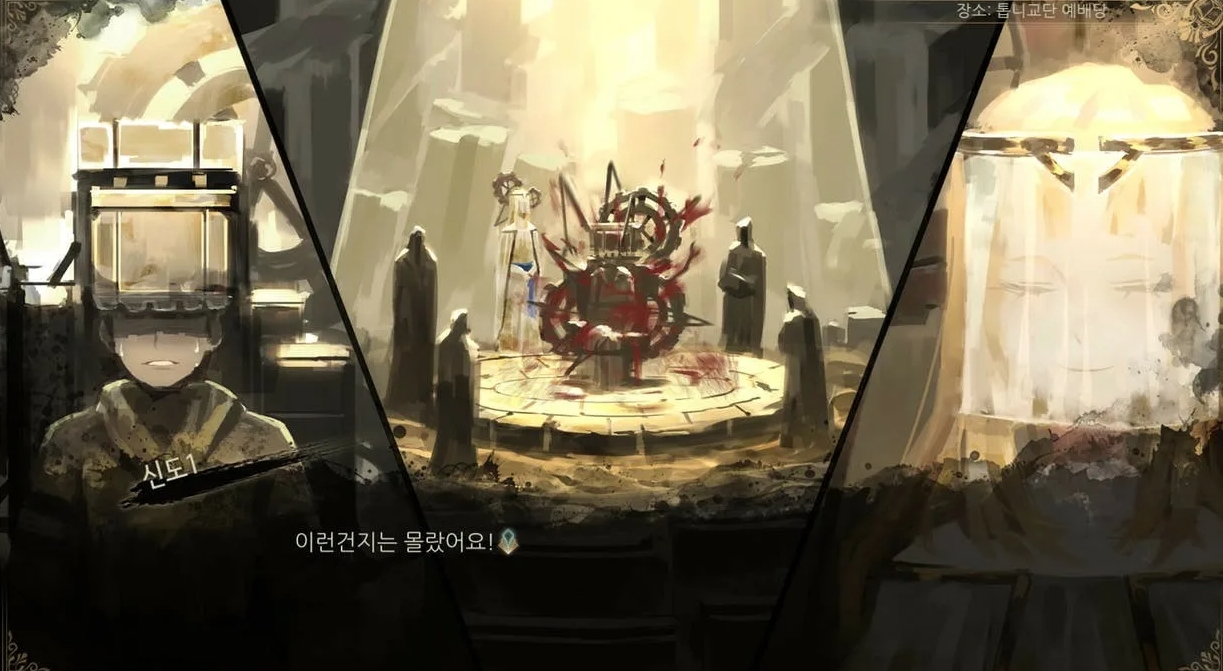
In short, this is a tactical card RPG, but this definition oversimplifies what is happening. The battles here resemble a chess game, where every move has consequences.
Each encounter is not just an exchange of blows, but a well—thought-out system of interaction between maps, speed and resources.
How Techniques, Maps, Lights, and Emotions Work
The combat system is built around cards that represent attacks, defenses, and special actions. But the main thing is not the cards themselves, but their interaction.
You should consider:
-
the cost of cards (Light), which limits your actions
-
the order of moves, depending on the speed of the characters
-
emotions that enhance abilities and open up new opportunities
And that’s where the real depth begins. Sometimes one wrong move breaks the whole strategy. Sometimes, on the contrary, a risky choice leads to an unexpected victory.
The game constantly makes you think. This is not a case where you can “replay” a fight.
Deck customization and book collecting
After winning, you get books, which are the key resource of the game. They are used to create new decks and strengthen characters.
This turns Library of Ruina into a kind of “build constructor”. You’re experimenting, trying different combinations, looking for the perfect balance between attack and defense.
It’s especially nice that the game encourages non-standard solutions. Sometimes the strangest deck turns out to be the most effective.
Difficulty and duration of Library of Ruin passage
This is one of the most challenging games in its genre. And it’s not just the numbers of damage or the strength of enemies — the difficulty here is systemic.
The game does not forgive mistakes. She demands:
-
understanding the mechanics, rather than a superficial knowledge
-
of adapting to each opponent
-
willingness to replay battles and change strategy
If you are used to “easy” card games, it will hurt here. But it’s this complexity that makes winning truly valuable.
It can take 60-100 hours to complete, depending on how deeply you want to understand the mechanics.
Graphics, sound and atmosphere in Library of Ruin
Visually, the game looks unusual. 2D characters against the background of three-dimensional scenes create the feeling of a theatrical production. This is not about “wow graphics”, but about style.
But the atmosphere is what catches on.
The music here does not work as a background, but as a pressure tool. In intense battles, she enhances the sense of risk, and in calm scenes, she emphasizes the melancholy of the world.
Dialogues, animations, even the interface are all subordinated to one goal: to create the feeling that you are inside a strange, almost living system.
Library Of Ruina System Requirements for PC
| System | Minimum Requirements | Recommended Requirements |
|---|---|---|
| Operating System | Windows 7 (64-bit) | Windows 7 (64-bit) |
| CPU | Intel Core i5 | Intel Core i5 or better |
| RAM | 8 GB | 8 GB |
| Graphics | NVIDIA GeForce GTX 560 or equivalent | NVIDIA GeForce GTX 560 or higher |
| DirectX | Version 10 | Version 10 |
| Storage Space | 10 GB available | 10 GB available |
Pros and Cons of Library of Ruina in 2026
Strengths of the game:
-
deep and unique combat system
-
strong plot with philosophical overtones
-
huge build variability
-
high replayability
Weaknesses worth considering:
-
high entry threshold
-
slow pace at the beginning
-
overloaded with mechanics for beginners
-
the need to read a lot (this is not for everyone)
This is a game where the cons are directly related to the pros. What scares one player away will be the main advantage for the other.
Who should play Library of Ruin?
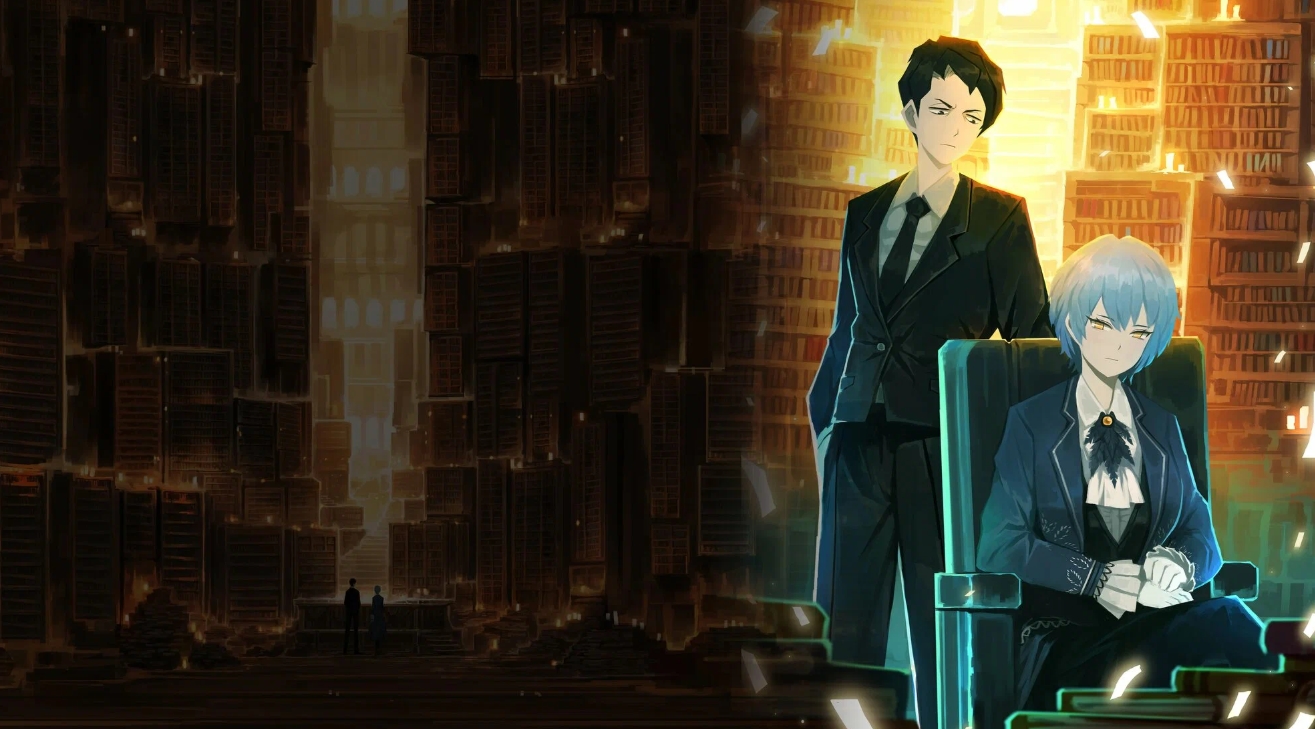
This game is clearly not for everyone. But if you recognize yourself in the following points, it’s worth a try:
-
do you like challenging tactical games
-
appreciate the deep plot and unusual worlds
-
are you ready to understand the mechanics and experiment
-
are you not afraid to lose and learn from mistakes
If you’re looking for something relaxing or quick, it’s better to pass it by.
A free steam account with games can be useful for short sessions or casual play.
Bottom line: Is it worth buying Library of Ruina in 2026
Library of Ruin is not a universal hit, but a character game. She doesn’t try to please everyone, and that’s why she remains special.
In 2026, it still feels fresh. Its mechanics are not outdated, the plot is still catchy, and complexity is more a virtue than a problem.
If you’re willing to invest time and attention, this is one of the most memorable card RPGs on PC. But if not, she will quickly push you away.
And, perhaps, this is her main honesty.
How to play Library Of Ruina for free on Steam via VpeSports
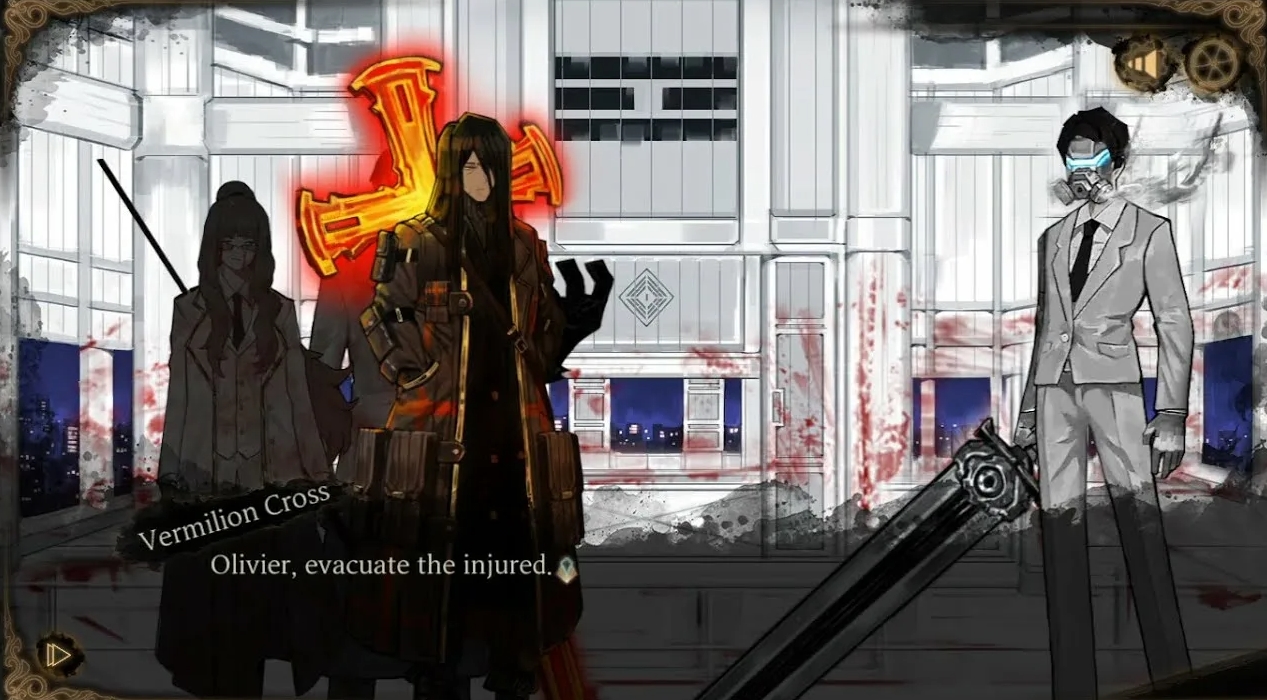
There are games that you just go through. And there are those that you seem to fall into — quietly, gradually, without even noticing how you begin to think in their categories. Library Of Ruina is one of those. She doesn’t greet you with bright scenes or loud promises. On the contrary, it all starts with an almost frightening silence: a huge library, strange characters and the feeling that everything here is not arranged the way you are used to.
The first few minutes can even be confusing. You seem to be playing, but you don’t fully understand the rules of this world. And then something clicks. Fights are no longer just mechanics, turning into a neat chess game where the cost of a mistake is felt almost physically. The dialogues start to sound different, and the library itself no longer seems like just a decoration — it’s like it’s watching you. And that’s when the main thing comes: You’re not just playing anymore, you’re involved.
At the same time, you don’t have to spend a lot of time figuring out how to get here at all. We made everything as simple as possible and without unnecessary problems. You register on the website, log in to your account and return to the beginning of the article — the GET AN ACCOUNT button is waiting for you there. You click, follow the clear steps, and after a couple of minutes you find yourself inside this strange story.
And then everything depends on you. If you want, just play and discover new pages of this library. If you want, dive deeper, discuss theories, share your impressions and findings. To do this, we have Telegram, where something new is constantly appearing: accounts, updates, discussions, and sometimes even unexpected discoveries from other players. There is no sense of an “official channel” there — rather a place where people with the same interest gather.
If something suddenly goes wrong or you want to figure it out in more detail, you can always take a look at the “How to Play for Free — Complete Guide” section. It is written normally, in a human way, without complicated formulations. Well, if that’s not enough, just write to us. We won’t leave you to figure out this world alone.