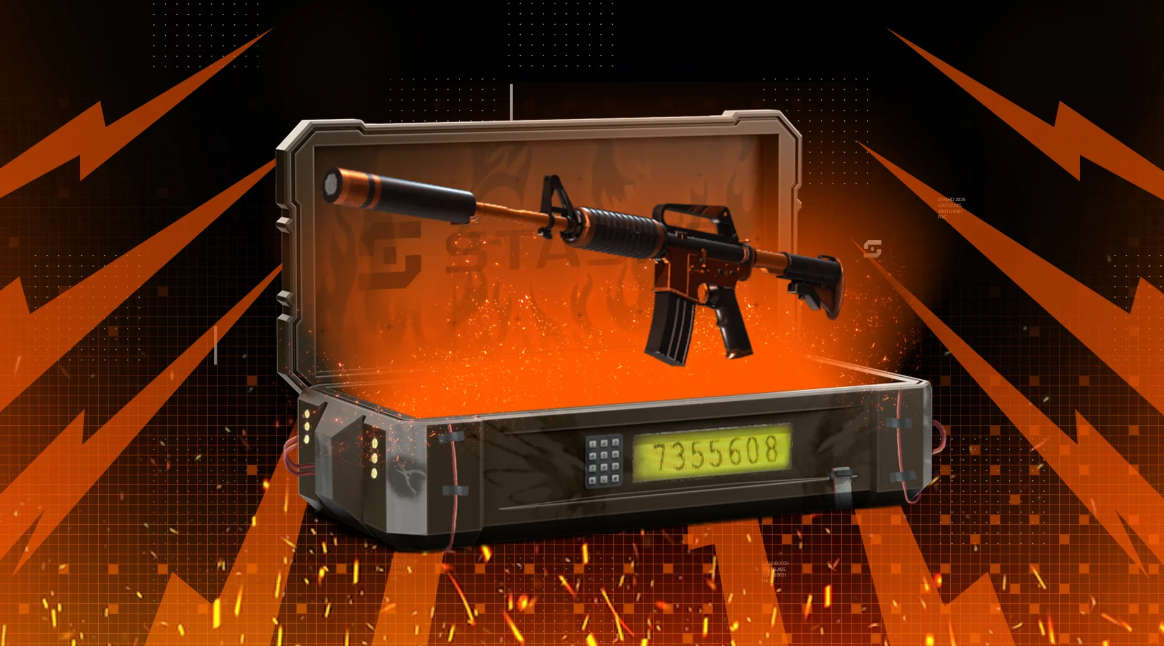
Fnatic esports Club has decided to step on thin ice: the organization has launched its own case discovery platform called STASHD. While management is promoting the site as a tool for getting closer to fans, the CS2 community is sounding the alarm. In fact, this is a classic online casino, simply wrapped in the signature black and orange colors of the famous tag.
Table of Contents
How STASHD Bolts Work and Skin Withdrawal Methods?
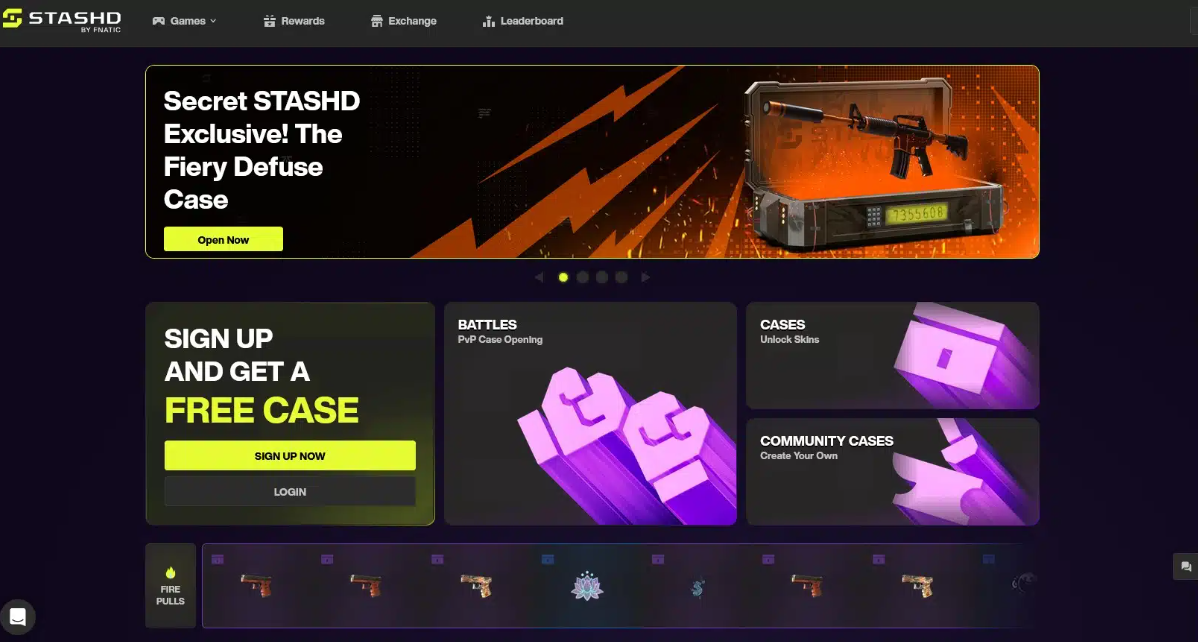
On the STASHD website.gg Bolts virtual currency trading is in full swing. The scheme is simple: you deposit real money through a card, crypt or Valve skins, get “bolts” and spin loot boxes with cosmetics from CS2. You can knock out anything from cheap consumer goods to rare knives. If it’s boring to just open the boxes, you can go into duel mode with another player and bet the currency on whose drop will be more expensive. Withdrawal of funds is also provided: either by skins on Steam, or in cryptocurrency through a rather confusing system of limits.
Fnatic Fan Backlash and Ethical Gambling Concerns
The reaction of the community on Reddit and on X (formerly Twitter) turned out to be predictably harsh. The official Fnatic Dragons fan club did not just distance itself from the project, but openly condemned it. The guys stated that their priority is to protect young and impressionable fans, whom such a platform can push towards ludomania. They even attached a list of hotlines to the post to help addicts. Ironic, considering that STASHD’s slogan promises to “bring you closer to your favorite club.”
Loot Box Regulations and Valve Lawsuits in 2026
The problem with STASHD is not only ethics, but also laws, which are getting tougher every year. Let’s recall 2018: then Belgium officially recognized loot boxes as gambling and banned them. Valve itself is now under the gun. Lawsuits have been filed against the company in New York and Washington State. The prosecutors are confident that the mechanics of opening cases exploit the same psychological traps as slot machines in Vegas — delayed gratification and addictive effects.
Reputational Risks for Fnatic Brand Ownership
While lawyers are arguing whether skins have real value outside the Steam ecosystem, Fnatic is already exploiting its brand to attract an audience to a dubious sector. The platform literally screams about belonging to the club: everywhere there are logos, inscriptions “By Fnatic” and a familiar design. The organization has actually put its long history on the line for the sake of making a profit from cases, and the consequences of this decision can be much more serious than just a couple of angry branches on Reddit. Below we will analyze the specific technical and legal nuances that make the launch of STASHD as toxic as possible.
Bypassing Valve Protection and Crypto Cashouts
Valve’s main argument in the courts has always sounded reinforced concrete. It is impossible to legally withdraw real money from the ecosystem, so loot boxes are not considered a classic casino. For STASHD, this logic crumbles instantly. The platform accepts live fiat without any problems, but only gives back skins or cryptocurrency. Such a scheme completely ruins any attempts to justify the project and prove its safety.
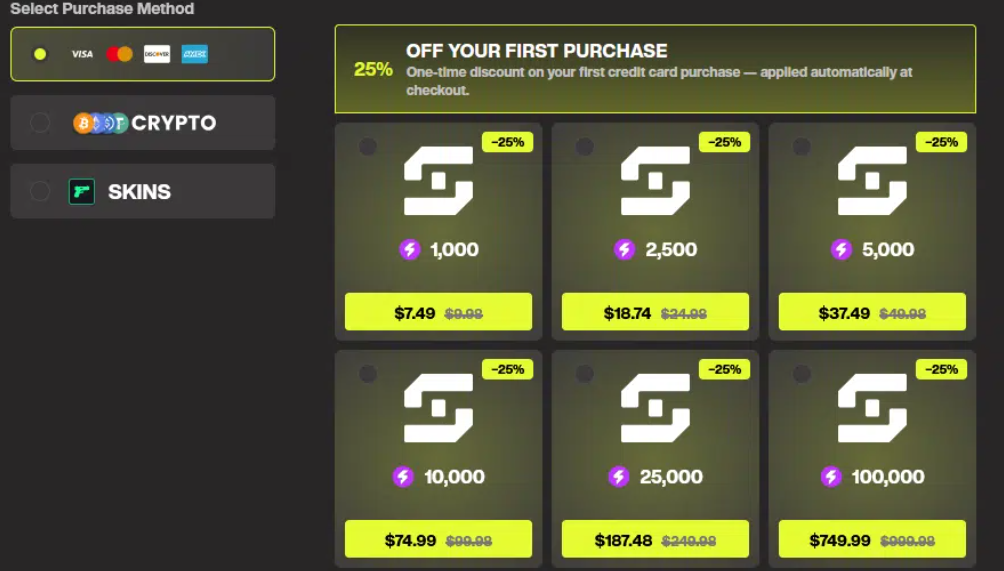
It’s easy to put cash into local Bolts. I paid with a debit card in a couple of clicks and went to turn the boxes. But as soon as it comes to withdrawal, strict multi-level limits suddenly pop up. The developers, of course, tactfully keep silent about this at the deposit stage. An ideal funnel has been created. This is a completely conscious design, where it’s easy to deposit money, but it’s a real bureaucratic hell to get it out. The only barrier to entry is the presence of a bank card. But to pick up the crypt, you will have to flash your passport and link a third-party wallet.
STASHD Case Battles and PvP Roulette Mechanics
Anboxing itself has long been in a gray legal zone, but the duel format kills the last remnants of nuances. If just opening the boxes is boring, users can go to STASHD PvP modes. The site offers four battle options at once. There is a “Crazy mode” for the riskiest, where all the loot goes to the loser. You can choose “General” to fairly share the drop with your opponent, or launch a “Group Opening” for races with friends. The final round in the “Terminal Mode” determines the outcome of the rink. You can sign up with a group of one to four people, or just go out one at a time with a bot.
The entrance fee is charged in Bolts purchased for real money. Then pure randomness works: both players open the box, and whose pixels turned out to be more expensive, he takes the pot. From a legal point of view, there is an absolute bingo of gambling going on here.

-
Fee: your blood Bolts for participating in the rink.
-
Randomness: the outcome is decided by a system of “provably fair” randomness.
-
Prize: The winner takes everything.
Adding a competitive element turns an ordinary fan platform into a banal eagle. And even if the creators did not screw explicit slots like Dice or Plinko here, the essence of this does not change at all. The winner receives virtual items with a specific value in Bolts. And then the user will either have to spin the roulette wheel again, or try to wade through the crypto withdrawal.
Age Verification and KYC Gaps in STASHD
How age verification works in Fnatic’s STASHD. STASHD’s policy towards young users is based on honest word, not on real verification. Formally, Fnatic recognizes that the project works with real money, converting it into virtual Bolts, which suspiciously resembles the mechanics of gambling. However, when it comes to who exactly is spinning these cases, the system crashes.
There is a standard unsubscription hidden in the legal wilds of the STASHD terms: if you are under 18, please get permission from your parents. The problem is that there are simply no identity verification (KYC) tools here. To start spending money, a 13-year-old teenager just needs to get the details of his parent’s card. The whole process takes only a couple of minutes, and the lack of mandatory ID verification allows the service to ignore any geographical restrictions on gambling.
Self-Exclusion Feature and Responsible Gambling
Why does a fan platform need a self-exclusion feature? A curious nuance is that STASHD has introduced a self—exclusion mechanism. Actually, this is an atypical story for ordinary fan services. Usually, such tools are required by regulators who control the gambling business in order to minimize harm to addicted users. The very presence of such a button is an indirect recognition that Fnatic’s product may be dangerous.
In the FAQ section, developers hide behind concern for the user, offering to “take a break” if the process is no longer just exciting. This is where the whole “responsible approach” ends. No real barriers, just a polite suggestion to apply the brakes yourself.
The Cost of STASHD Leaderboards: User Spending Data
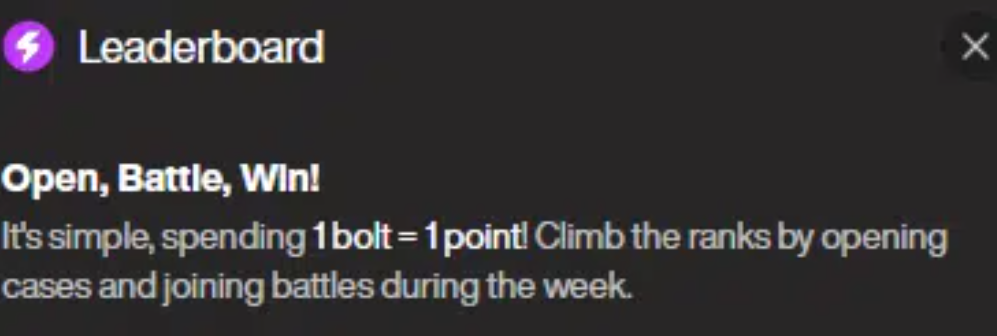
The Price of Leadership: how much do users spend on STASHD. In pursuit of respect in the community, players are forced to pour huge amounts into STASHD. The local leaderboard distributes bonus Bolts every week, but to take the top places there, you need to constantly fight and open cases. In fact, the rating is a list of those who have spent the most.
The indicators make a strong impression:
-
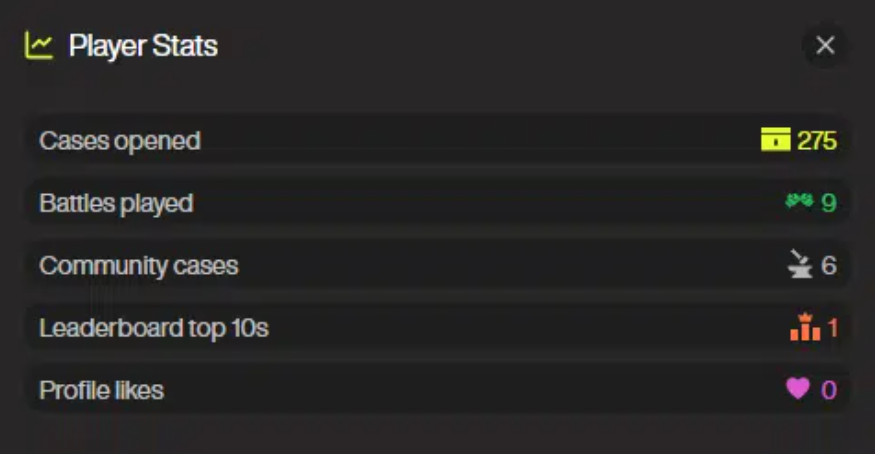
Current leader: Scored 92,248 points in just four days.
-
Currency equivalent: If we take the minimum cost of 100,000 bolts at $749.99, this player’s expenses are in the same range.
-
Activity: In this short period of time, the user managed to open 275 cases and participate in nine battles.
Therefore, it’s not the most dedicated Fnatic fan who wins at STASHD, but the one with the tightest wallet.
Fnatic’s 4.5M GBP Loss and Monetization Strategy
Why Fnatic’s STASHD is not just an advertisement for bookmakers. For Fnatic, partnering with gambling sites is a familiar story. At various times, the logos of Dafabet, Betify and Skinrave shone on the club’s jersey. However, the situation has now changed radically: previously, an organization simply sold advertising space, but in the case of STASHD, it became the owner of the product itself. The distance disappeared.
The inscription “By Fnatic” under the service’s logo and the branded black and orange palette leave no doubt about the origin of the platform. It seems that the financial issue has come to an end — reports for 2024 recorded a loss of 4.5 million pounds from Fnatic. Add to this Valve’s recent restrictions on skin sponsorship, and the picture will take shape. The club is desperately looking for new ways to monetize, even if they are teetering on the edge of ethics. The most ironic thing here is that Fnatic sits on the UK Esports Committee and advises the government on “positive change” issues. The release of a product with questionable protection for vulnerable users against this background looks, to put it mildly, strange.
Targeting Valorant and LoL Fans with CS2 Skins
CS2 skins as a universal lure for any audience. The argument that cases are purely “counterstrike” fun doesn’t work here. Yes, CS2 fans are used to the gray area of skins, trading and betting. It’s part of their cultural code. But the Fnatic brand extends much further — to League of Legends, VALORANT and Rainbow Six Siege, where the audience and the rules of the game are completely different.
Gambling is treated much more harshly in the Riot Games ecosystem than at Valve. But STASHD technically bypasses these barriers.
-
Virtual currency: Bolts are linked to the cost of Counter-Strike appearances, but this is just a layer.
-
Cryptocurrency: You can deposit and withdraw funds through the crypt, bypassing Steam trading platforms.
-
Accessibility: To participate in the “battles” for cases, you don’t even need to log into the game itself.
Sam Matthews, CEO of Fnatic, likes to call his fans a “tech-savvy and young audience.” In fact, this means that a 14-year-old League of Legends fan can jump into a full-fledged gambling cycle in a couple of clicks. He doesn’t need to know what CS2 is in order to lose real money to a bot or another user in pursuit of an expensive pixel.
Why Criticism of STASHD is Not Just Casino Hate
Why criticism of STASHD is not just a “hate” towards the casino. The marketing wrapper of STASHD and its real filling are absolutely polarizing things. It is now fashionable in the esports environment to scold any gambling activity, and the anti-gaming sentiments of Fnatic fans flared up instantly. It would seem that adults have the right to drain their budget into loot boxes or casinos, this is their choice. However, the situation here is much more subtle.
Part of the fan base really loves skins, so the club’s attempt to monetize this interest looks logical from a business point of view. But Fnatic has rolled out a product that is capable of causing real damage to its young audience. The scheme is simple: you throw in a real cache, convert it to Bolts, and then do a classic “coin flip” in the hope of X’s, followed by withdrawal in cryptocurrency.
STASHD Risks: Illusion of Collecting and Lack of Protection
The main risks of STASHD: the illusion of collecting and lack of protection. The community is angry not because of the very fact of gambling, but because of the total disregard for consumer rights. STASHD is literally packed with triggers that force users to spend more: there are “free” drops, and leaderboards where places are bought for activity. At the same time, the only barrier to entry remains the notorious “parental permission.”
The platform expertly creates the illusion of harmless collecting and a reason to “show off” to peers. In fact, it is an aggressive funnel that encourages maximum spending with almost zero protection mechanisms. Sam Mathews stated that he wanted to make the service a “natural extension of the culture” of the organization. Well, apparently Fnatic has succeeded, though in the darkest sense of the word.