China is officially becoming a new force in the Rainbow Six Siege tactical shooter esports ecosystem — Ubisoft Corporation has finally confirmed the launch of a regional league under the CNL code. By the way, this became known right during the heated battles at the Six Invitational 2026, when fans saw a minute-long teaser foreshadowing global changes in the structure of the competition.
Actually, the details were revealed by the producer of the project Jiasheng Liang. It went on the air right after the Fluxo W7M line—up snatched a 2-1 victory from the guys from FURIA – it was a tough cut in the bottom bracket, to be honest.
Table of Contents
CNL League Format and Structure in Year 11
In the 11th year of the discipline’s existence, the Chinese region will receive a full-fledged division of 10 teams — this, in fact, equalizes their rights with NAL, SAL, EML and APL. The guys will now be able to directly loot slots for the majors and the coveted Six Invitational 2027.
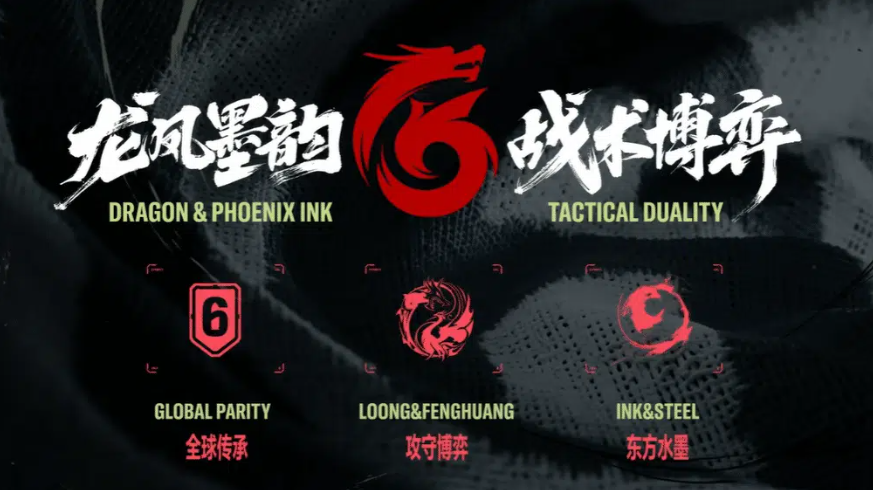
Interestingly, CNL immediately gets into the R6 Share program. This means that organizations will take their share from the sale of game skins and other esports cosmetics. Liang also showed the league’s logo: it depicts the mythical dragon Lung and phoenix Fenghuang — it looks powerful, I must admit.
It is worth remembering that the ground was prepared in advance: in 2025, eight clubs from China were already testing the skills on the GVC Pioneer Series. And although All Gamers, along with Four Angry Man, could not break through to the current “int” through APAC qualifications, their presence on the international stage is already a signal. Along the way, the competition next season will become frenzied.
Review of the Six Invitational 2026 Tournament
In general, the Six Invitational 2026 is the final chord of the 10th year, which Ubisoft and the BLAST tournament operator are holding in Paris. The sums involved are large — the prize pool is one, as much as 3 million dollars.
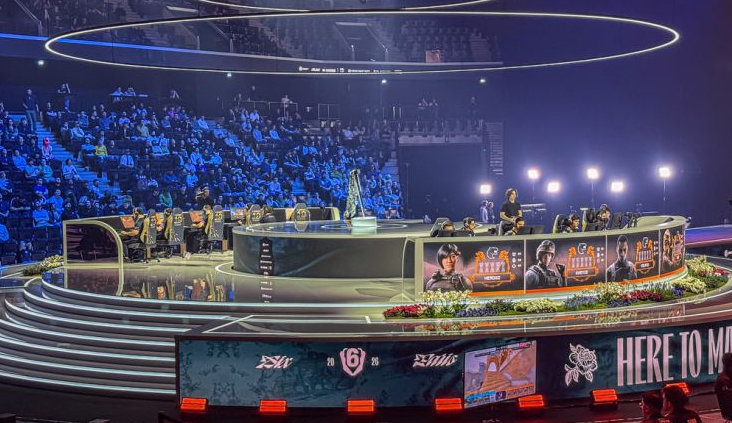
At the moment, 20 top teams from all over the world have gathered in the French capital to find out who will take the title of champion — it is logical that serious passions are boiling. The tournament, by the way, has already entered the decisive stage, although many of the favorites, let’s just say, were unpleasantly surprised. The same M80s that took the title in Munich are already packing their bags — unexpectedly, this is esports.
As a result, we see the birth of a new giant — China is no longer on the margins, but in the very center of events. It seems that Year 11 will be a turning point for Raduga, because the integration of such a huge market is always about growth and new reach. Let’s see which of the newcomers can really push the veterans off the podium.
An analysis of the partnership between Ubisoft and Tencent
The Chinese gaming market has become the main ATM for global giants of the Ubisoft level. Investments from Tencent are no longer just dry figures in reports, but a powerful financial foundation that changes the rules of the game. Today, the combination of Eastern capital, esports hype and tactical shooter Rainbow Six Siege creates a new point of strength. In fact, China has ceased to be just a “promising platform” — now it is the core where the main revenue is forged and the most active audience lives, which, by the way, makes competitors nervously smoke on the sidelines.
The impact of Tencent’s investments on Ubisoft’s budget
The deal, which took place in 2025, was a real lifeline for the French publisher. The injection of about 1.2 billion euros for a quarter of the shares of a Ubisoft subsidiary is, frankly speaking, not just a partnership, but a total reboot of the entire business model. By gaining access to the rights to such titans as Assassin’s Creed and Far Cry, Tencent effectively gave Ubisoft financial freedom. This allows the French to no longer fuss over every quarterly report, but to make bold bets on long—term esports projects – is it logical?
The point here is deep diversification: now a huge share of Ubisoft’s cashflow is not tied only to the capricious markets of Europe or the USA. Money flows from the Tencent ecosystem, through freeplay services and microtransactions, which are apparently a cult in China. Such a strategy makes the company resilient to any shocks, because when such a giant is standing behind it, any risks seem like minor troubles. And that’s where we come to the most interesting part — how exactly the Chinese consume content.
PC Gaming Development in China
In China, gaming on personal computers is not just a hobby, but a real digital addiction, so to speak. Local players literally live in clubs and at home behind monitors, turning grinding and pumping into an aggressive form of leisure, which is fueled by local leagues and endless streams. The volume of this segment is amazing: in 2024, the esports market here broke through the $335 million mark, and by 2030, analysts predict a rise to $1.4 billion.

Such a frenzied intensity of the game makes Rainbow Six Siege fans buy skins and battle passes in bundles. For Tencent, this is the perfect alignment — the company controls everything from development and local distribution platforms to streaming giants like Huya. As a result, the passion of ordinary players is converted into stable LTV income, which is understandable to any large investor. But sales alone are not enough — you need a structure, and this is where China’s esports machine shows its teeth.
Monetization of the CNL League and the R6 ecosystem
Tencent is not just giving money, it is building an autonomous system where esports is an independent and profitable business. In this model, tournament financing is not a charity or a marketing expense, but a mechanism where in—game sales for specific events bring the lion’s share of revenue. Rainbow Six Siege fit perfectly into this contour through the CNL league.
The publisher took over all the dirty work of adapting the game to strict Chinese laws, ensuring a triumphant relaunch for Rainbow. Now, the prize pools, huge arenas, and all the content around R6 in China are part of a lucrative mechanism that media channels and sponsorship contracts are tightly tied to. For Ubisoft, this means only one thing: the region is not just paying for itself, it is dragging the entire global scene with it, setting standards for how to monetize esports in modern realities.
Forecast of the development of esports in China
After analyzing in more detail, it turned out that the wealth of the region is also a matter of total dominance in search. Bundles of terms like “Tencent investments,” “Rainbow Six China,” and “esports financing” create powerful SEO clusters that have been attracting traffic for years. Any event, whether it’s the launch of a new league or the next tranche of a billion euros, triggers an avalanche of news and analytics, which only strengthens the position of these keywords in Google.
Users from all over the world continue to Google the business nuances of the Chinese market, expanding the semantic field and generating sustained international interest. As a result, we get not just a gaming region, but a global information hub that dictates trends and accumulates the attention of millions. It seems that in the coming years, it is this synergy of money, technology, and fan passion that will determine which way the entire global entertainment industry will move.