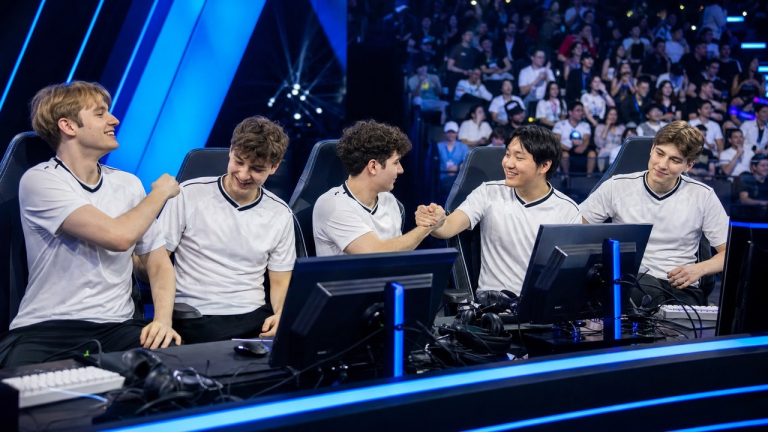

Team Vitality recover from the opening game and beat Fnatic 2-1
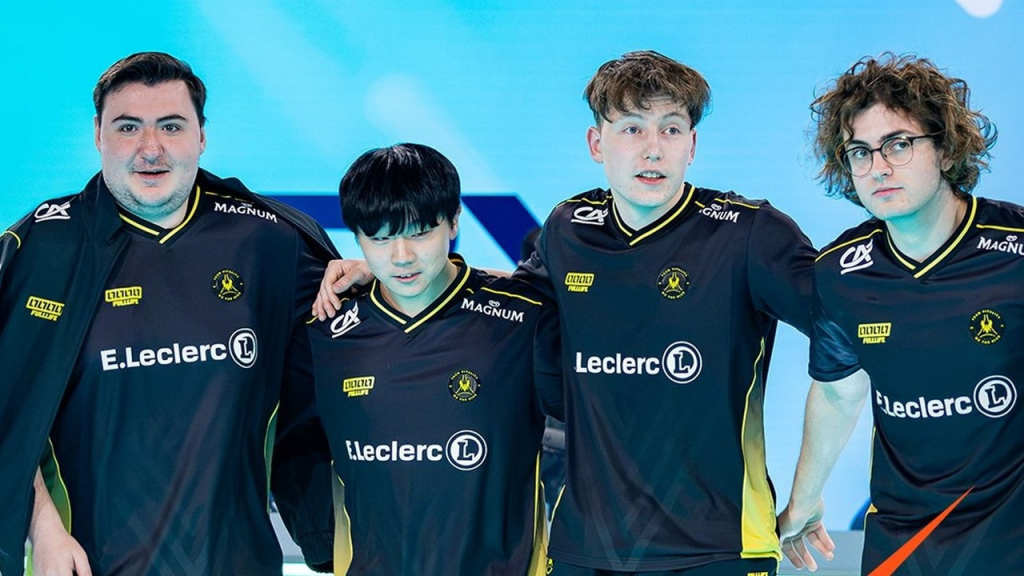
Fnatic took the 32-minute opening game and gained the first chance to close the match. Vitality changed its approach in the next draft and forced a deciding third game.
Fnatic took the first map
The opening game lasted 32 minutes and 36 seconds and ended with a Fnatic win. That gave Fnatic one chance to close the best-of-three in game two. It also forced Vitality to make immediate adjustments. A series lead is valuable, but it does not guarantee the final result. Vitality still had two possible maps available and used both of them.
Vitality’s recovery required emotional control as well as tactical changes. After losing game one, a team may try to force action too early in the next map. A cleaner response is to identify which lanes and objectives need a different plan. Vitality levelled the series and then won the decider, showing that the team could reset twice. The sequence matters more than a vague claim that momentum simply changed on its own.
Vitality changed the direction of the series
The second game removed Fnatic’s lead and forced a decider. That result removed Fnatic’s immediate advantage and created a deciding third map. Vitality needed more than a brief early lead; the team had to finish the opposing base and then reset mentally for another draft. Fnatic, meanwhile, had to respond after missing the first chance to close the match.
Fnatic still had useful phases, including the complete first-game win. The final defeat does not turn that map into an accident, but it shows that one successful composition was not enough for the series. Review work can compare why the opening plan finished the Nexus and why later advantages did not produce another map. Those are separate questions that require game-specific answers.
The deciding map completed a true comeback
Vitality won game three and completed the comeback. Because the team had lost the opener, the final score represents two consecutive map wins. Fnatic won the opener before Vitality took the next two maps. Fnatic earned one map, while Vitality earned two. The order of those wins explains the comeback more clearly than the total alone.
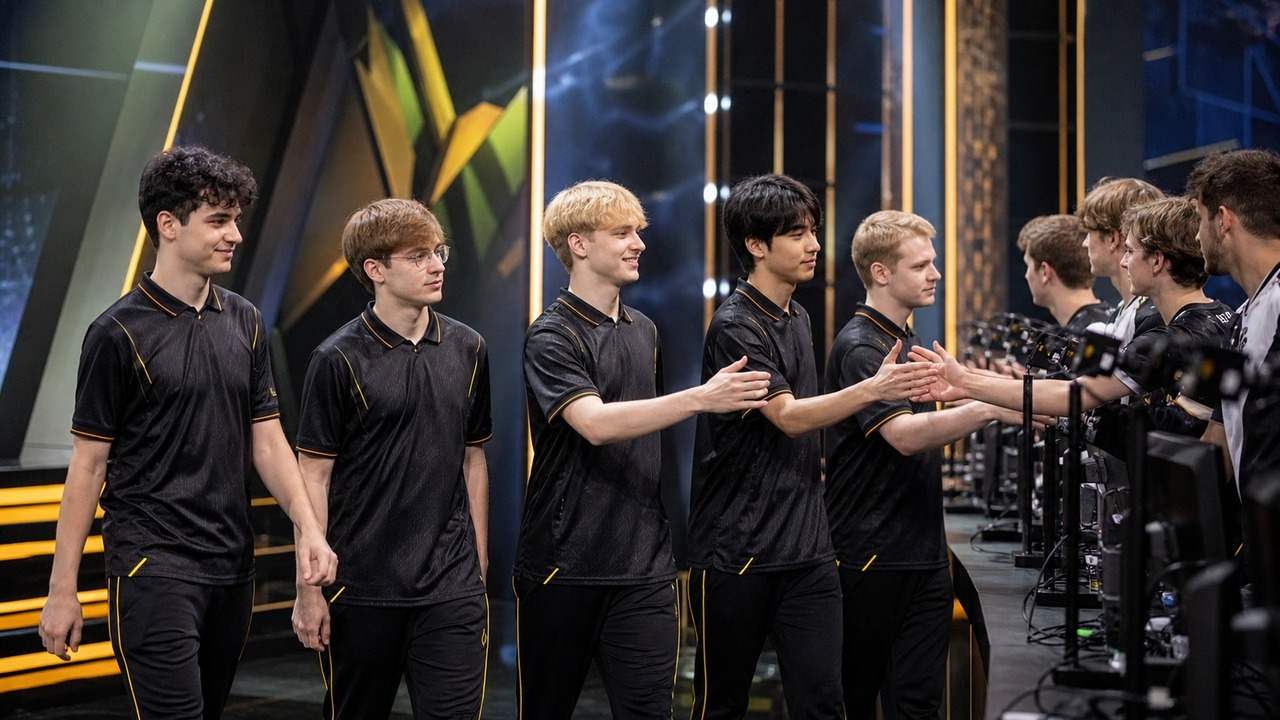
The third-game bottom-lane statistics are especially clear because both Vitality players finished without a death. Carzzy supplied damage and Fleshy appeared in 17 successful takedowns through assists. The zeroes in the death column show that Fnatic did not claim their shutdown value. These numbers describe the decider only and are not inflated into a three-game total.
The bottom-lane pair delivered a clean final game
In the deciding map, Carzzy’s Xayah recorded 3 kills, no deaths and 13 assists. Fleshy’s Rakan finished with no kills, no deaths and 17 assists. Those lines show strong involvement without giving away a death. They also reflect the partnership between damage and initiation.
Vitality gained a standings win and showed that it could recover after losing the first map. The team changed its drafts and map movement without forcing an immediate answer in the opening minutes. Fnatic still took one map, but Vitality controlled the final two endings.
The result affects the late regular-season race
Week 6 carries added importance because fewer matches remain before the next stage. Vitality’s win improves its series record, while Fnatic lose a chance to add another victory. Exact playoff positions still depend on other completed fixtures and tie rules. It is safer to use Riot’s updated standings than to declare a final seed before the round has ended.
Fnatic’s opening win forced Vitality to change the series rather than repeat the same plan. Vitality answered by giving its carries safer routes into team fights and by contesting objectives with all five players present. The adjustment was visible in the reduced number of isolated deaths after the first game.
Carzzy and Fleshy completed the deciding game without a death because the team protected the space around them. The front line absorbed the first pressure, while the back line kept enough distance to continue dealing damage. That positioning mattered more than chasing an early highlight play.
The comeback also depended on calmer resets. Vitality spent its gold before important contests and avoided remaining on the map with low health after a won exchange. Fnatic still found openings, but the final game offered fewer chances to punish a split formation or an unfinished recall.