

LCP opens registration for its 2026 Wild Card qualifier
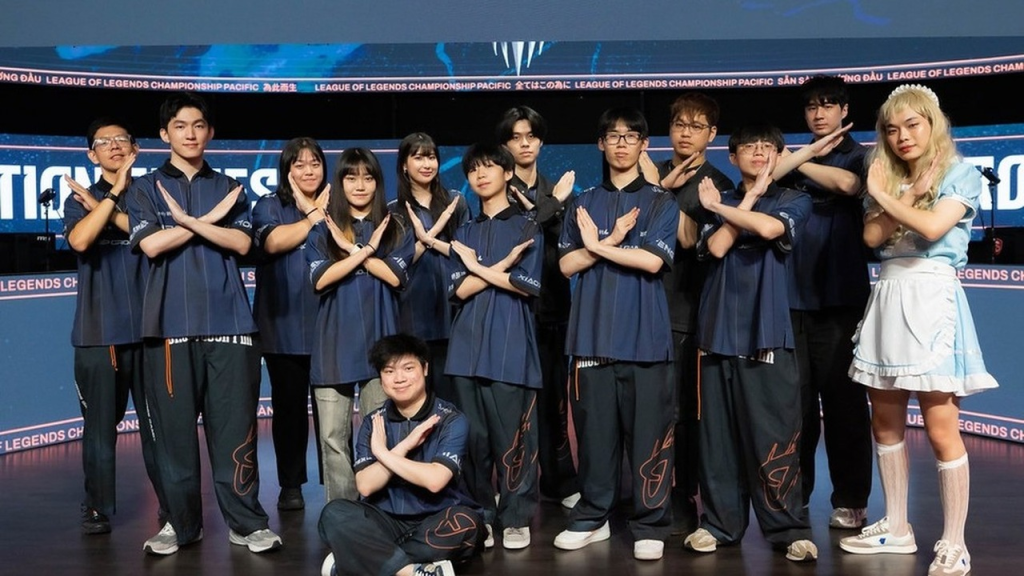
The League of Legends Championship Pacific has opened registration for its 2026 Wild Card regional qualifier. The winner will move into the Wild Card playoffs and remain in contention for the LCP Promotion Series.
Registration remains open until 9 September
Teams can register from 27 August through 9 September. The open qualifying stage will take place on 12 and 13 September. Eight teams will earn places in the knockout stage. Four seeded teams will join them in the 12-team knockout bracket. Those matches are scheduled from 15 to 20 September. Riot’s announcement describes the event as an entry route for teams outside the main LCP structure. The route begins with an open entry rather than an invitation-only field. Eligible teams have almost two weeks to complete registration and confirm that every player can attend the listed match days. This step matters because the open round is held across two days. A roster that cannot meet the schedule may lose its opportunity before results become relevant.
Winning the September qualifier does not award an LCP place immediately. It provides access to the Wild Card playoffs in October. The successful team must then compete for entry into the Promotion Series, where professional opposition awaits. Each stage has a separate purpose, so registration is the beginning of the route rather than a direct application to the 2027 league. The final sequence is easy to follow when each stage is kept separate. Registration closes first, the open round selects eight teams, and the seeded entrants join for the knockout bracket. One knockout winner advances to the October playoffs. Only the later Promotion Series can determine a place in the next LCP season.
One team will reach the Wild Card playoffs
The knockout winner will advance to the Wild Card playoffs, which run from 10 to 13 October. That stage decides which team reaches the Promotion Series. The Promotion Series places the successful Wild Card team against established professional opposition. A place in the 2027 LCP is the final reward, but a team must pass every earlier stage first. The first competitive target is a place among the eight advancing teams. Those qualifiers will not enter an empty bracket.
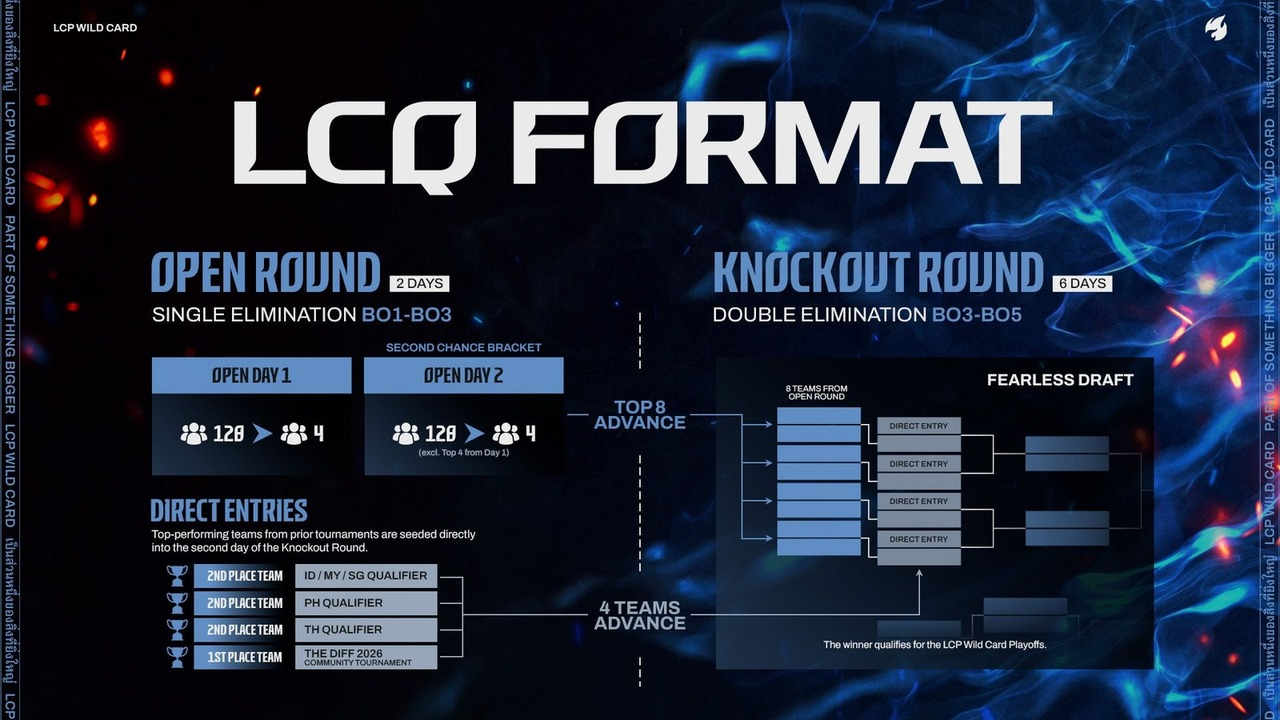
Four seeded teams join the next stage, increasing the knockout field to twelve. The structure rewards a successful open run while preserving places for teams selected through the regional system.
The 2,000-dollar prize pool gives the regional event a reward of its own. In-game prizes add another benefit for teams that advance. The larger sporting value is the chance to become visible in a formal Riot competition. Players outside the existing LCP structure can produce recorded results against other ambitious line-ups. The qualifier is especially important for players who do not already hold a place in the main regional league. It creates a published schedule, formal opponents and a clear advancement rule. Even teams that fall short of the October stage can use the matches as evidence of their level when building future rosters or seeking another competition.
| Stage | Date | Places |
|---|---|---|
| Registration | 27 August to 9 September | Number Of Available Places |
| Open Qualifier | 12-13 September | Eight Teams Qualify |
| Knockout Stage | 15-20 September | Twelve Teams |
| Wild Card Playoffs | 10-13 October | Winner Of The Qualifier |
The qualifier also carries a small prize pool
The regional qualifier has a prize pool of 2,000 US dollars. Riot also listed in-game rewards for teams that reach later rounds. Registration rules cover player eligibility, team names and match availability. Teams should use the official form and tournament schedule because late entries will not be accepted after the deadline.
The knockout stage lasts from 15 through 20 September. Teams may therefore face more than one preparation cycle after the open round. They will know the qualified opponents only after the first stage finishes. That short gap makes stable roles and clear substitution plans useful, because there is little time for a complete rebuild between brackets. Team managers should complete names and eligibility details through Riot’s official form. Changes made informally after the deadline may not satisfy tournament registration. The dates also allow players to check accounts and match availability before the open round. A complete entry reduces the risk that an administrative issue ends the campaign before teams select champions for their first match.