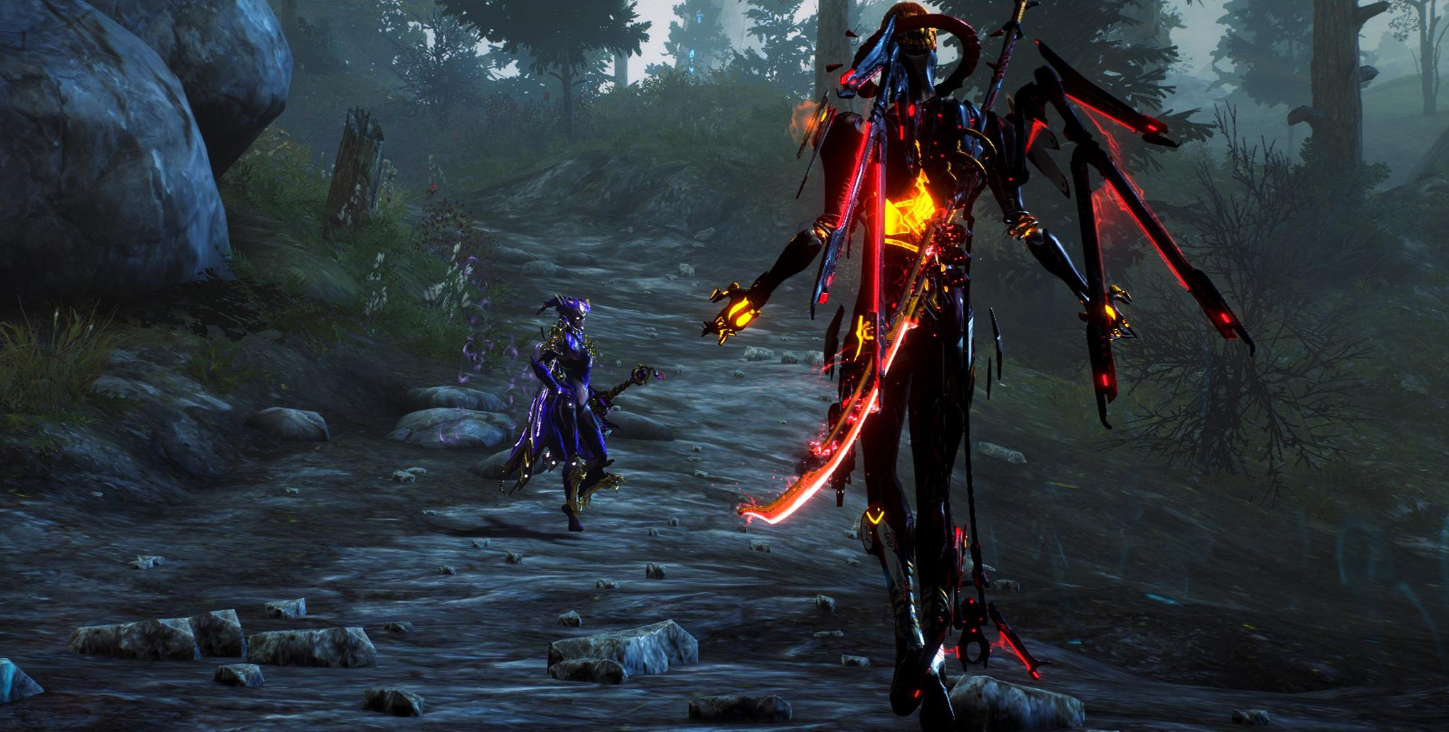
The developers of Warframe and the upcoming Soulframe from Digital Extremes studio have publicly opposed the use of generative AI in the production of their projects. Megan Everett, Director of Community Relations, emphasized in a conversation with GameSpot that the company retains its “AI—free” status, entrusting content creation exclusively to people. “There will be no neural networks in our games. Never,” Everett snapped.
Table of Contents
Why did Digital Extremes abandon generative AI?
The studio’s position is dictated not only by corporate ethics, but also by the personal disappointment of the management in the current state of digital art. Megan Everett admitted that today it is becoming increasingly difficult to distinguish the hand of a master from a machine algorithm, and this scares her. As an example, she recalled an unfortunate incident on one of the Warframe fan streams.
Then, a fan art hybrid of the game’s style and the Gundam mecha universe accidentally flashed on the air. The audience instantly realized that the work was created by artificial intelligence, and the wave of negativity in the chat upset the team. This was an important signal for Digital Extremes: the audience appreciates live creativity.
Generative AI in Game Dev 2026: Who is Retreating and why
Despite the fact that generative technologies are firmly established in the industry, many studios are starting to back off. That’s how the landscape is changing.:
-
Arc Raiders: The developers from Embark Studios initially used AI voice acting, but eventually decided to replace it with recordings of real actors.
-
Crimson Desert and Anno 117: These projects have faced criticism due to the use of AI placeholders in the final builds – players are demanding that Steam introduce mandatory labeling of such content.
-
Soulframe: The upcoming fantasy RPG from the creators of Warframe is now positioned as a product created 100% by hand — and this is a strong marketing trump card.
Due to the massive layoffs in the industry and the dominance of algorithms, Digital Extremes relies on the lamp and human labor. Therefore, in 2026, the “No AI used” bar is becoming the same quality mark for gamers as the absence of microtransactions. Expectations from Soulframe have only grown after such statements — now the studio will have to prove by deed that human imagination and creativity are still more effective than video cards.
And, by the way, the creators of Warframe are far from alone in this crusade.
Studios versus Generative AI: Who took the Stand in 2025-2026
Over the past year and a half, a clear pattern has emerged — studios are massively rejecting machine generation. Someone does it preemptively, someone does it after a loud showdown with fans, but the point is the same. Releasing content with traces of algorithms in 2025-2026 has become frankly toxic — and Digital Extremes just rode the wave here in time.
Game Studios’ Stance on Generative AI
An illustrative anti-case drama surrounding the Sandfall Interactive studio. Their hit RPG Clair Obscur: Expedition 33 triumphantly took a record nine statuettes at The Game Awards 2025. And then the December embarrassment happened. The organizers of the Indie Game Awards strictly disqualified the title — the team lost two awards due to the fact that draft AI placeholders accidentally got into the release build. This incident is the clearest marker of a new reality. The banal excuse of “there will be no neural networks in the finals” is no longer enough — experienced players and prize committees now demand the crystal purity of the pipeline at all stages of development without exception.
New statistics from the GDC 2026 conference only adds fuel to the fire. The numbers speak for themselves: generative AI is used by 52% of developers in one way or another, and exactly the same percentage of teams record tough internal resistance. The industry is frankly in a fever. The divide is not based on budget size — this is not a battle of indies against corporations — but purely on ideology. Some see algorithms as a convenient tool for optimizing processes, while others perceive it as an ethical failure and reputational hara—kiri. Digital Extremes consciously joined the second camp — and, tellingly, long before it became mainstream.