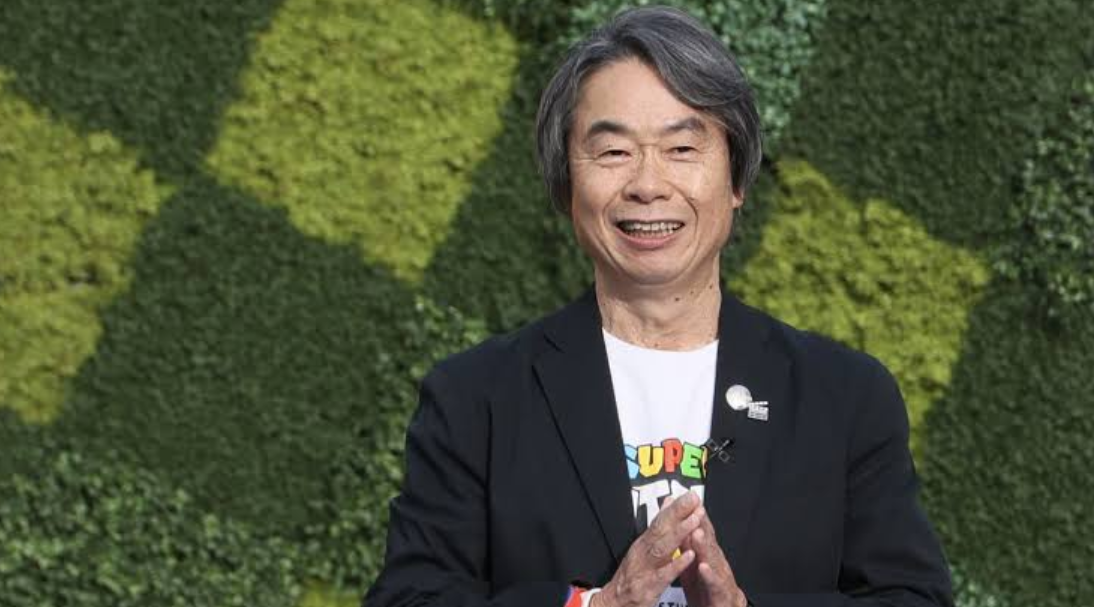
Asking “what’s popular right now?” is the fastest way to end up with a game that has no identity. That’s essentially the core idea Shigeru Miyamoto laid out in a new interview, explaining why Nintendo has spent decades going against the grain of the rest of the industry.
According to him, game development at Nintendo starts with the question of what makes gameplay fun, not with an analysis of competitors’ successful releases. This isn’t just a soundbite for an interview — it’s a concrete production principle: teams don’t sit down to study the charts or try to guess what will “hit” for rivals.
Table of Contents
Why Nintendo Avoids Chasing Profit
Miyamoto directly criticized the industry-wide mindset of prioritizing quick returns. In his view, constantly asking whether a project will make money right now gets in the way of creating something truly unique and broadly appealing. Instead, the company starts by thinking about who will actually be playing — and who’s the person paying for it.
This is exactly where the split from market logic happens: most studios calculate potential revenue first and only then come up with the gameplay. Nintendo, according to Miyamoto, does the opposite — the idea comes first, and commercial success follows as a consequence, not a goal.
Games That Weren’t Born From Marketing Calculations
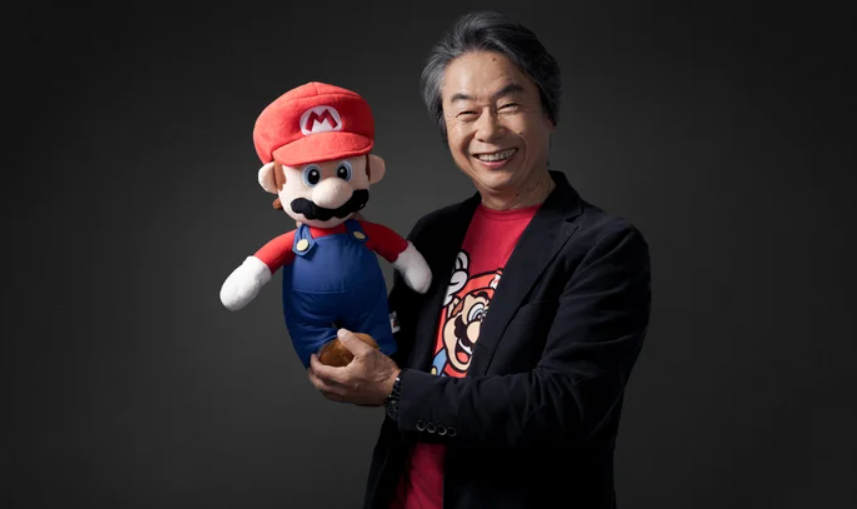
To back up his point, the designer gave concrete examples of how iconic franchises actually came to life:
-
Pokémon Red and Green — grew out of Satoshi Tajiri’s childhood hobby of collecting insects, not from market research;
-
Splatoon — started with the idea of competing for territory using paint, a concept no competitor’s sales report ever suggested;
-
both franchises became massive hits precisely because they weren’t designed to please everyone from the start.
Miyamoto argues that deliberately trying to appeal to the widest possible audience almost always backfires — you end up with a product with no identity of its own, indistinguishable from dozens of similar titles.
For players, this explains a lot about why Nintendo’s series keep feeling distinctive year after year, even in genres competitors have exploited for ages: the company’s platformers, sports arcade games, and adventure titles rarely copy other games’ mechanics wholesale, preferring to grow their own idea from scratch.
There’s a flip side to this approach too — it explains not just Nintendo’s successes but also its caution: the company moves slower into new niches, experiments less with trendy formats (battle royale, live-service, early access), and can sometimes look conservative next to competitors who react to fads faster.
The “idea first, money later” philosophy sounds nice in an interview, but it gets tested in future releases, not in words. It’s worth watching whether this same principle shows up in the company’s upcoming game announcements — or whether even Nintendo starts feeling more pressure from the market over time.