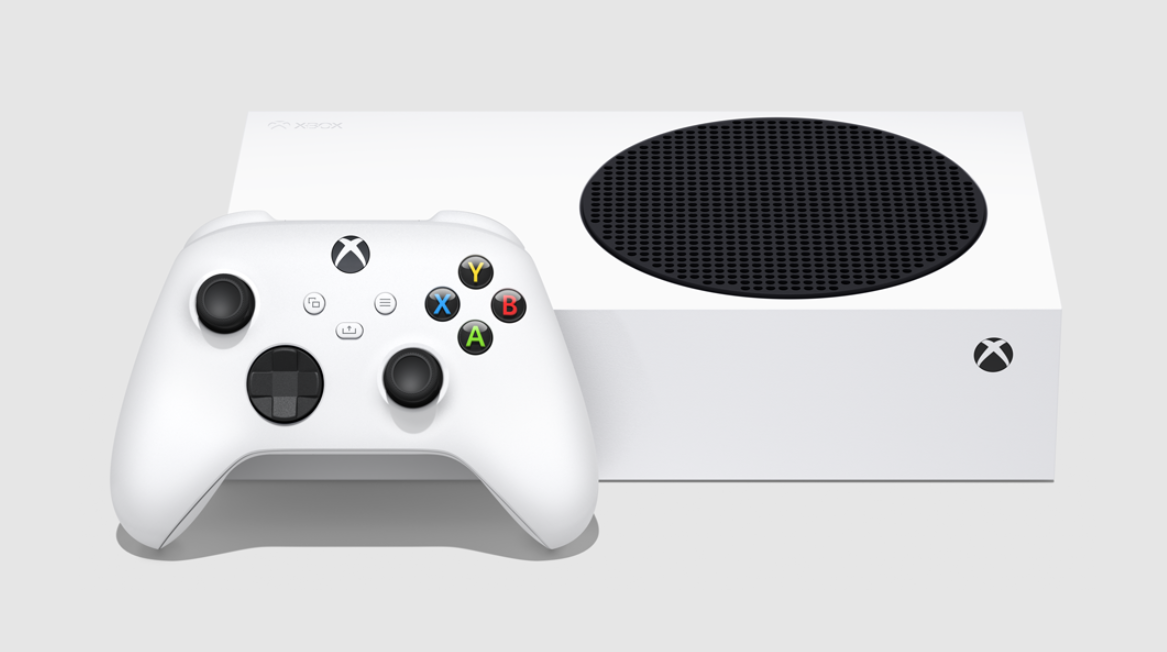
Picture this: you sell a product and lose nearly a third of its retail price on every single unit. Sounds like a failing business plan. Yet that’s basically been the console industry’s playbook for two decades — the losses were always framed as a temporary price for future profit from games. Right now, though, it’s starting to look less like a bridge to profit and more like a hole that won’t close.
According to Windows Central insider Jez Corden, who broke the news on the outlet’s podcast, Microsoft may currently be losing up to $200 on every Xbox Series X|S sold. And it’s not down to one line item — it’s a cluster of factors that all hit at once and are now compounding each other.
Table of Contents
Why Xbox Series X|S Got More Expensive to Build
Consoles used to get cheaper to manufacture every year as components dropped in price and production lines matured. That trend has now flipped in the opposite direction.
Corden points to three drivers behind the rising production costs:
-
Memory prices. Memory chip costs have spiked, largely because manufacturers are prioritizing sales to data centers over consumer electronics amid the AI boom.
-
Tariffs. New trade restrictions have driven up the cost of importing components.
-
Supply chains. Manufacturing and logistics still haven’t fully stabilized since the pandemic-era disruptions.
The end result: a console that was supposed to pay for itself through game sales is now eating into the budget before a single player buys a single digital copy.
Why the “Sell Hardware at a Loss” Model Is Breaking Down
The classic console business model is simple: sell the hardware below cost, then recoup the difference through a cut of game and subscription sales. It worked for decades — until player behavior shifted underneath it.
The core problem is where people’s playtime is actually going. A huge share of console owners now sink hundreds of hours into free-to-play platforms like Fortnite and Roblox, spending little to nothing on new game purchases. For Microsoft, that means the console gets sold, but the investment behind it may not pay off for years — if it ever does.
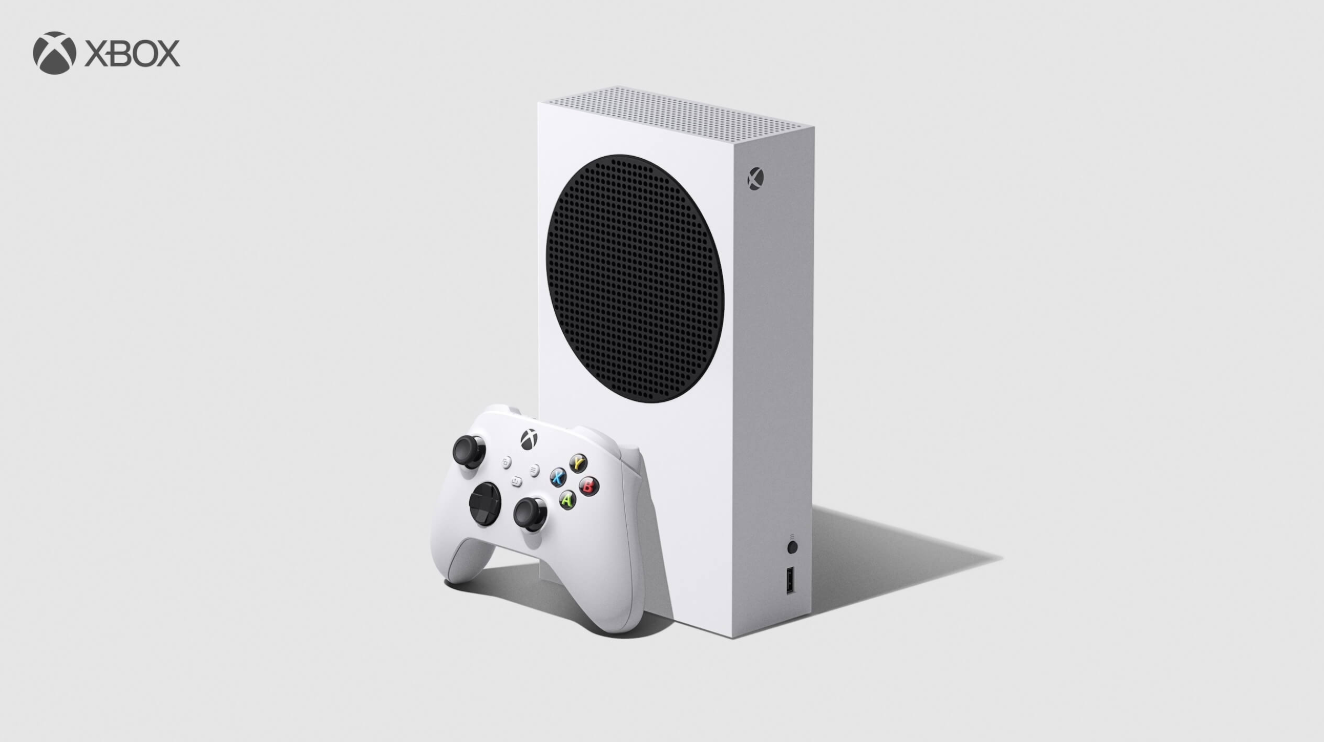
Table: How Console Business Economics Have Shifted
| Factor | Before | Now |
|---|---|---|
| Component costs | Dropped year over year | Rising due to memory prices and tariffs |
| Monetization model | Loss on hardware → profit from games | Loss on hardware, profit delayed for years |
| Player behavior | Regular new game purchases | Hundreds of hours in free Fortnite/Roblox |
| Manufacturer response | Stable prices, growing supply | Rising prices, reduced supply |
How Microsoft and Sony Are Trying to Offset the Losses
Per Corden, both major console makers are moving in lockstep: cutting console shipment volumes while simultaneously raising retail prices. The logic is straightforward — if every unit sold loses money, selling fewer units at a higher price per unit shrinks the total losses.
For players, that translates into something very tangible: shortages during high-demand periods, no aggressive hardware discounts, and prices that tend to creep upward rather than fall — a sharp break from previous generations, where consoles typically got cheaper partway through their lifecycle.
Will Xbox Helix Have a Disc Drive?
If the current generation is a story about today’s economics, the next-gen Xbox — codenamed Helix — raises a bigger question about the future architecture of the console business as a whole.
Based on Corden’s latest reporting, Helix isn’t planned to include a built-in optical drive. That’s not an isolated decision — it’s part of a broader industry shift: Sony has already announced it’s stepping away from physical game disc production, and Microsoft is reportedly watching closely how the market reacts to that move.
The logic is shared by both companies: a disc drive is an extra component that adds to console cost at the exact moment every dollar of production cost matters. If most players are already buying digitally anyway, a physical drive becomes an expense without a meaningful return.
What This Means for Owners of Physical Game Libraries
-
Disc collections built up across Xbox generations may not be playable on the next-gen hardware.
-
Some form of disc-to-digital transition program is plausible (echoing broader industry discussions around this approach), though no concrete details for Helix have been confirmed.
-
Collector’s editions and used physical games risk losing their point entirely if the next generation goes fully digital.
What This Means for Players Right Now
Here’s how this actually affects current Xbox owners and anyone considering a purchase:
-
Don’t expect Xbox Series X|S prices to drop anytime soon. As long as production costs keep rising, Microsoft has little economic incentive to lower retail prices — if anything, the opposite.
-
Shortages and limited shipments aren’t just marketing — they’re strategy. Fewer units sold means smaller aggregate losses for the company.
-
Game Pass and digital sales are becoming even more critical for Microsoft. As hardware payback stretches out, the bet on subscriptions and digital storefronts only gets bigger.
-
Disc drives are already a dying feature on Xbox. The Series S launched without one, and the digital-only Series X has been around for years. Helix would likely just make that direction official.
The Bottom Line: What to Watch Next
Losing money on hardware isn’t a one-off problem — it’s a symptom of the old console business formula breaking down under new economic pressure. Rising memory costs, tariffs, and a player base increasingly drawn to free-to-play games are undermining the classic “sell hardware cheap, profit from games” model.
For now, that mostly shows up through pricing and limited shipments of the current generation. But the next step — a likely fully digital Xbox Helix — suggests the industry is bracing for a much bigger structural shift, not just a temporary correction. Keep an eye on Microsoft’s official statements: if the move away from discs gets confirmed outright, it’ll be one of the most significant shifts the console space has seen in years.