35 million copies sold — and it still isn’t “enough.” That’s the paradox at the heart of Cyberpunk 2077: commercial triumph doesn’t erase a reputational debt. A game that became one of the decade’s best-selling RPGs still reads, for a chunk of its audience, as a broken promise. And CD Projekt RED’s own leadership seems to understand that better than anyone.
Table of Contents
What CD Projekt RED’s co-CEO actually said about Cyberpunk 2077
In an interview with Edge’s Knowledge newsletter, CD Projekt RED co-CEO Michał Nowakowski was unusually candid for a studio executive. He said the company still isn’t fully convinced it has completed its “redemption arc” after the 2020 launch, and that trust from some players is gone for good — a price he considers fair given what happened. His real hope rests on The Witcher 4: if that game doesn’t win the skeptics back, he’s banking on whatever comes after it.
An admission like that is rare. Studios usually talk about “lessons learned” rather than openly conceding that part of their audience is gone for good.
Why CDPR’s reputation took such a hit from the 2020 launch
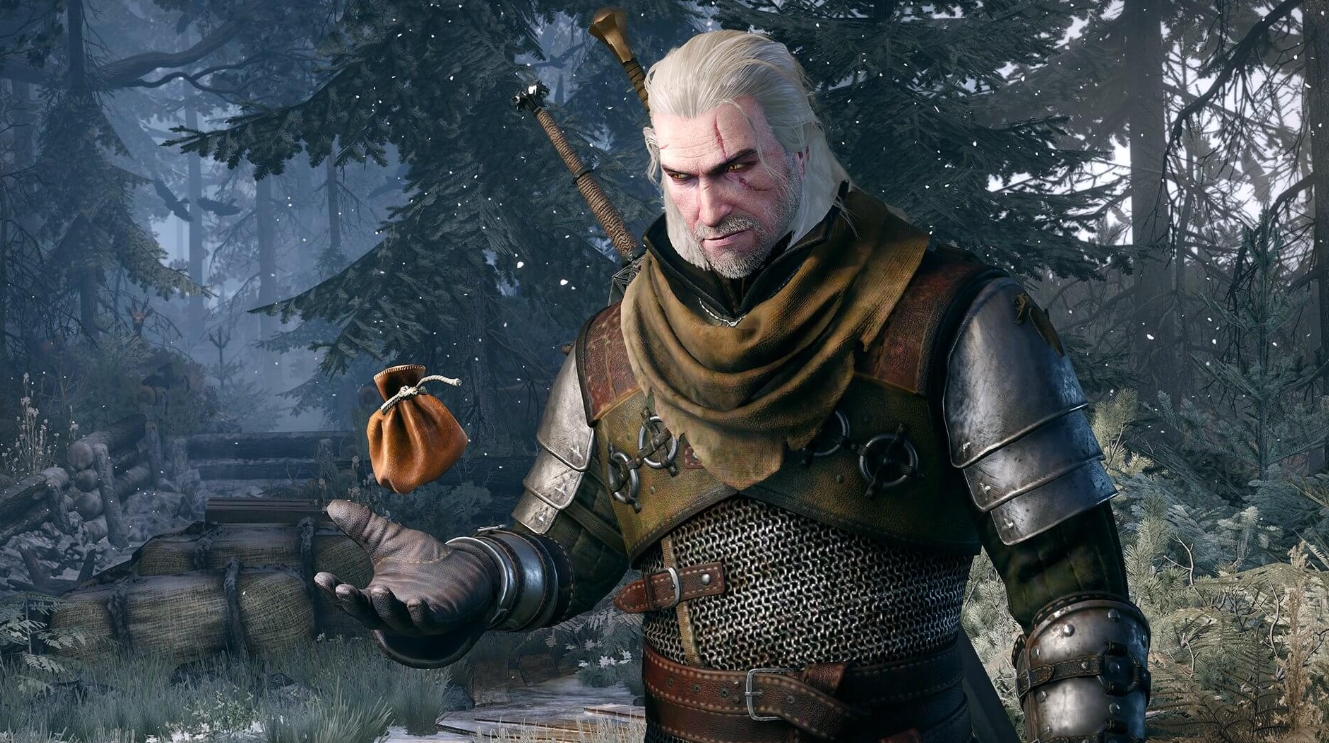
At launch, Cyberpunk 2077 was barely playable on last-gen consoles: critical bugs, severe performance drops, and features that had been trimmed down from what marketing promised. The game was even pulled from the PlayStation Store for a stretch — an unprecedented move for a release of that scale.
What followed was a long recovery process:
-
a steady stream of patches that reworked core systems;
-
the major Phantom Liberty expansion, which noticeably shifted critical and player reception;
-
a return to digital storefronts and sales growth to 35+ million copies in under five years.
Reputation and sales aren’t the same thing, though: plenty of people bought the game out of curiosity or nostalgia without ever forgiving the studio for what happened at launch.
Cyberpunk 2077’s road from disaster to redemption
| Stage | Period | What happened |
|---|---|---|
| 1.0 launch | late 2020 | critical bugs, pulled from PS Store |
| Patches 1.5–1.6 | 2021–2022 | stabilized on last-gen consoles |
| Phantom Liberty | 2023 | expansion that noticeably boosted scores |
| Current sales | 2026 | over 35 million copies in under five years |
Can The Witcher 4 make up for Cyberpunk 2077’s mistakes
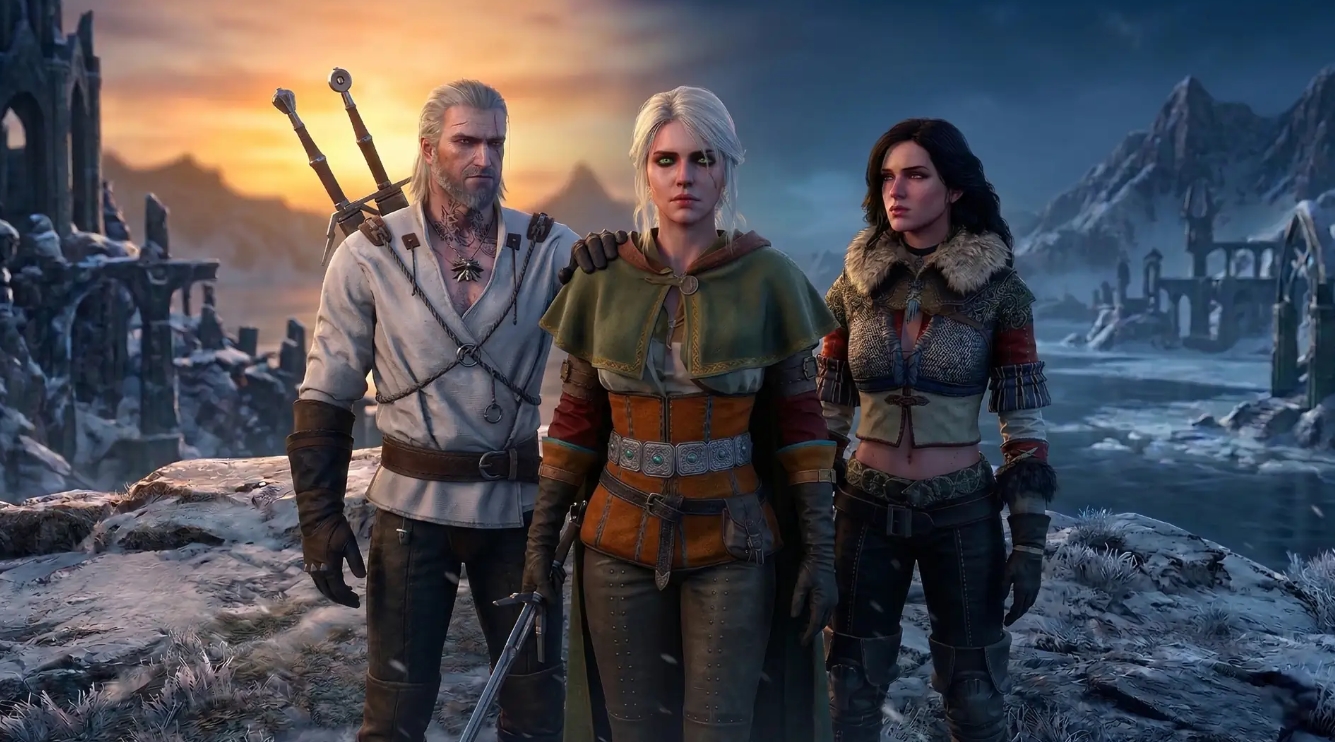
This is where the real stakes lie for the whole industry. The Witcher 4 isn’t just another entry in a popular franchise — it’s effectively a test of whether CDPR can repeat quality on demand. If the launch turns out rough again, the “one-time fluke” narrative around Cyberpunk 2077 stops holding up, and the conversation shifts to a systemic problem with how the studio builds and ships games.
The Witcher 4 still has no official release date, which itself reads as a signal: since 2020, CDPR clearly isn’t in a hurry to commit to firm dates until it’s confident the game is ready.
What else CD Projekt RED is working on in 2026
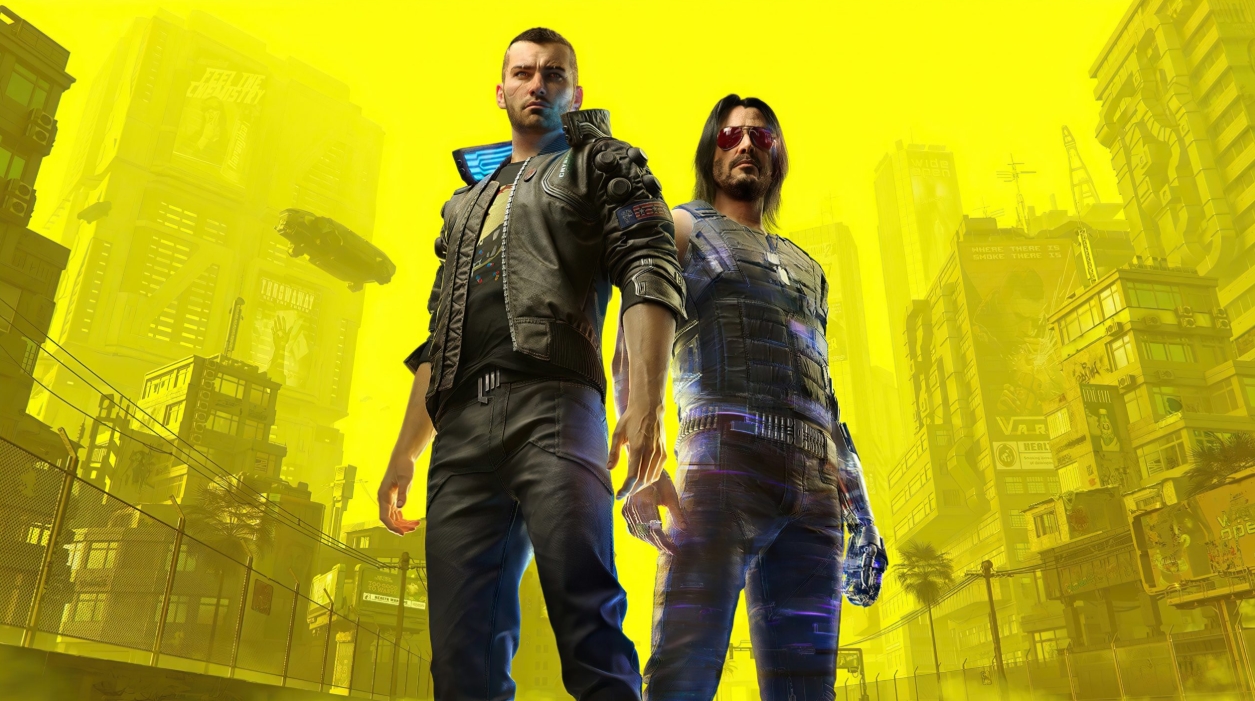
Alongside The Witcher 4, the studio has several other projects in motion:
-
Cyberpunk 2 — the confirmed sequel to the cyberpunk franchise;
-
Songs of the Past — an expansion for The Witcher 3: Wild Hunt developed together with Fool’s Theory, slated for release next year;
-
Hadar — an announced but largely unrevealed new project from the studio.
That spread of projects lowers the studio’s overall risk: if one release disappoints part of the audience, there’s still a chance to win them back with the next one.
What this news means for players
The practical takeaway is simple: don’t expect a miracle, but don’t write the studio off either. CD Projekt RED appears to have deliberately chosen a long, honest path to rebuilding trust instead of making big promises with every announcement. A few things follow from that:
-
it’s worth basing expectations on post-launch reviews rather than trailers and promises made beforehand;
-
pre-ordering or jumping into The Witcher 4 at launch remains a risky bet;
-
Phantom Liberty proved CDPR can fix its own mistakes — but that takes real time, not a single patch.
Nowakowski’s admission is a rare moment of corporate honesty in an industry that usually avoids this kind of language. Whether it’s enough to win back even some of the skeptics will come down to The Witcher 4’s actual launch — and, just like with Cyberpunk 2077, the first few weeks after release will be what decides it.