

Following the current “exclusive wars” is like analyzing a third-division women’s soccer match (if such a thing even exists). It’s already the third year, and there is still no sign of anything truly large-scale, like the once legendary confrontation between Gears of War and Uncharted. We are fed sequels, indie projects, or not very inspiring new IPs like The Order: 1886.
Until Dawn was also in this category of “passable” exclusives for a long time at Sony. The game was not particularly advertised, there were no limited bundles, and the press release headlines were not full of loud sales figures. And in vain. Because Until Dawn turned out to be exactly what I was hoping for after the very first showing – a new Heavy Rain. Moreover, at times it even surpasses everything that David Cage has done. This is the very “system-seller” that PlayStation needs right now.
Table of Contents
Until Dawn Free Steam Account
From the very beginning, writing about Until Dawn is a tricky task. This is one of those games about which the less you know in advance, the better. Everything in it is built on surprises, and you want to uncover them yourself, step by step, especially if you plan to play through the game more than once (and you definitely will). Even a simple mention of the plot can ruin the effect: the first turn occurs after ten minutes, and the opening credits do not even have time to begin.
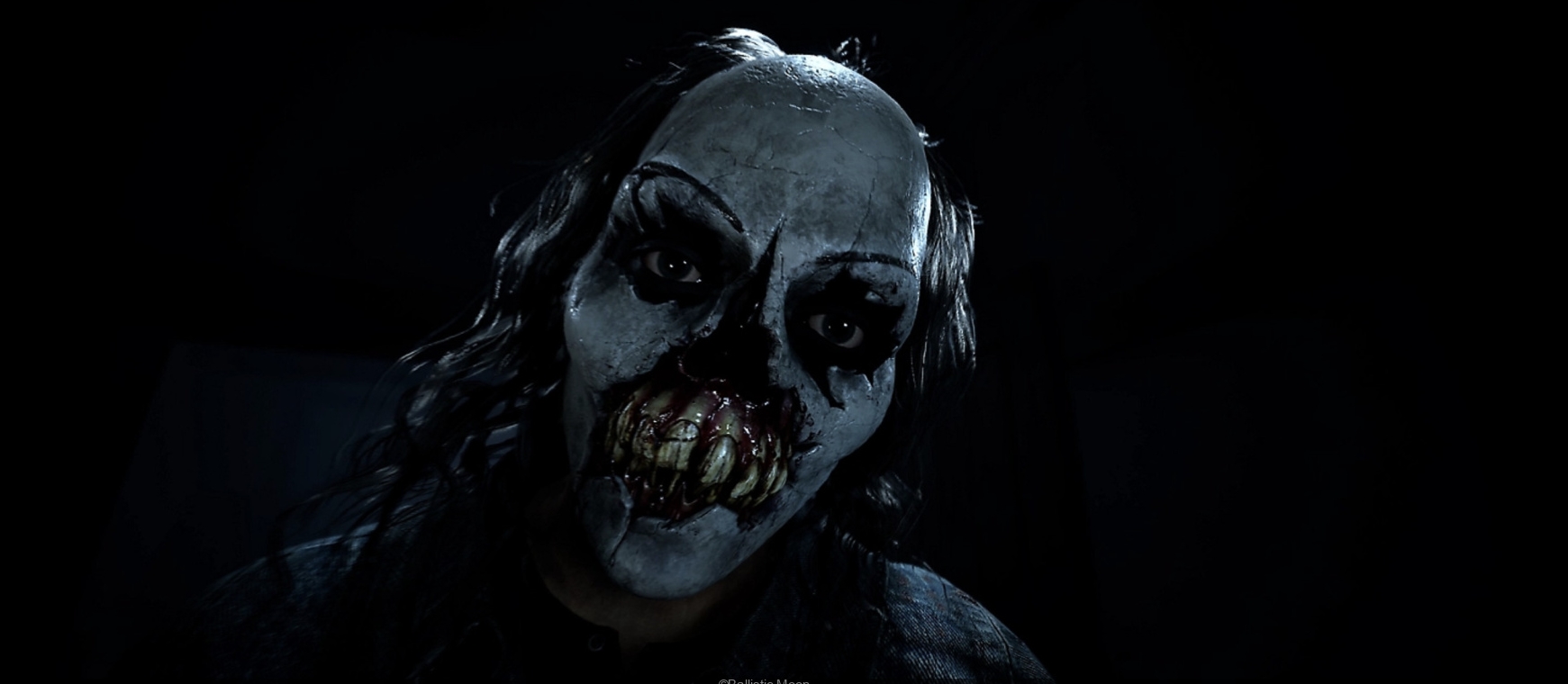
Let’s just say that eight teenagers find themselves cut off from the world in an old mansion on top of a mountain. And, as usual, a maniac is wandering around somewhere nearby. For seven hours, you will watch and participate in an interactive film that is both a horror and a parody of horror. Until Dawn quotes Saw, Halloween, and even Pet Sematary – not just in the spirit of the genre, but as a frank, love letter to the slashers of the noughties. Here you have cliches, cringe, and references — everything is in place, and everything is done with soul.
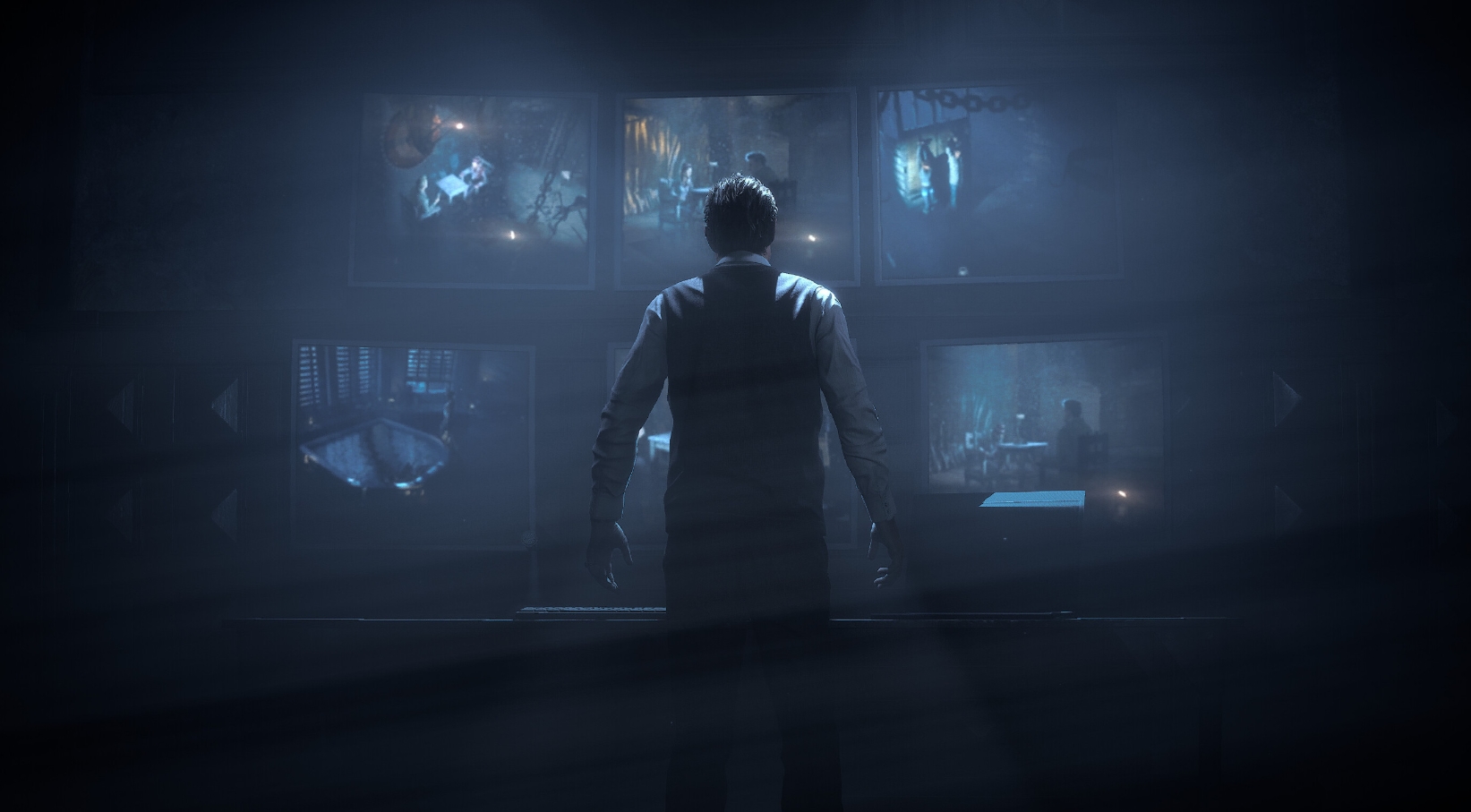
There is not much gameplay as such. Usually the hero gets into a not very large location — say, the basement of a mansion — and explores it, solving a simple task. Sometimes you need to find an important item, but more often it is enough to walk from one end of the corridor to the other for the game to launch a cutscene.
These scenes are where all the fun begins. We have a classic “movie game” formula: press the button in time — the hero will have time to jump away. Make the right choice — he will survive. Sometimes the game asks you not to move the controller, sometimes — to choose where to turn. Nothing super new, but …
The main difference from, say, Heavy Rain, is that Until Dawn does not build variability only on failures. Here it is not always important whether you managed to press the right button. What is much more interesting is what decision you made. Hide under the bed or run out of the room? Kiss the girl or throw a snowball at her? Shoot the bag or spare the squirrel? The game is full of such small, almost everyday choices, but the consequences of them can be much more serious than it seems. An object that you accidentally moved at the beginning of the game can come back to haunt you a couple of chapters later.
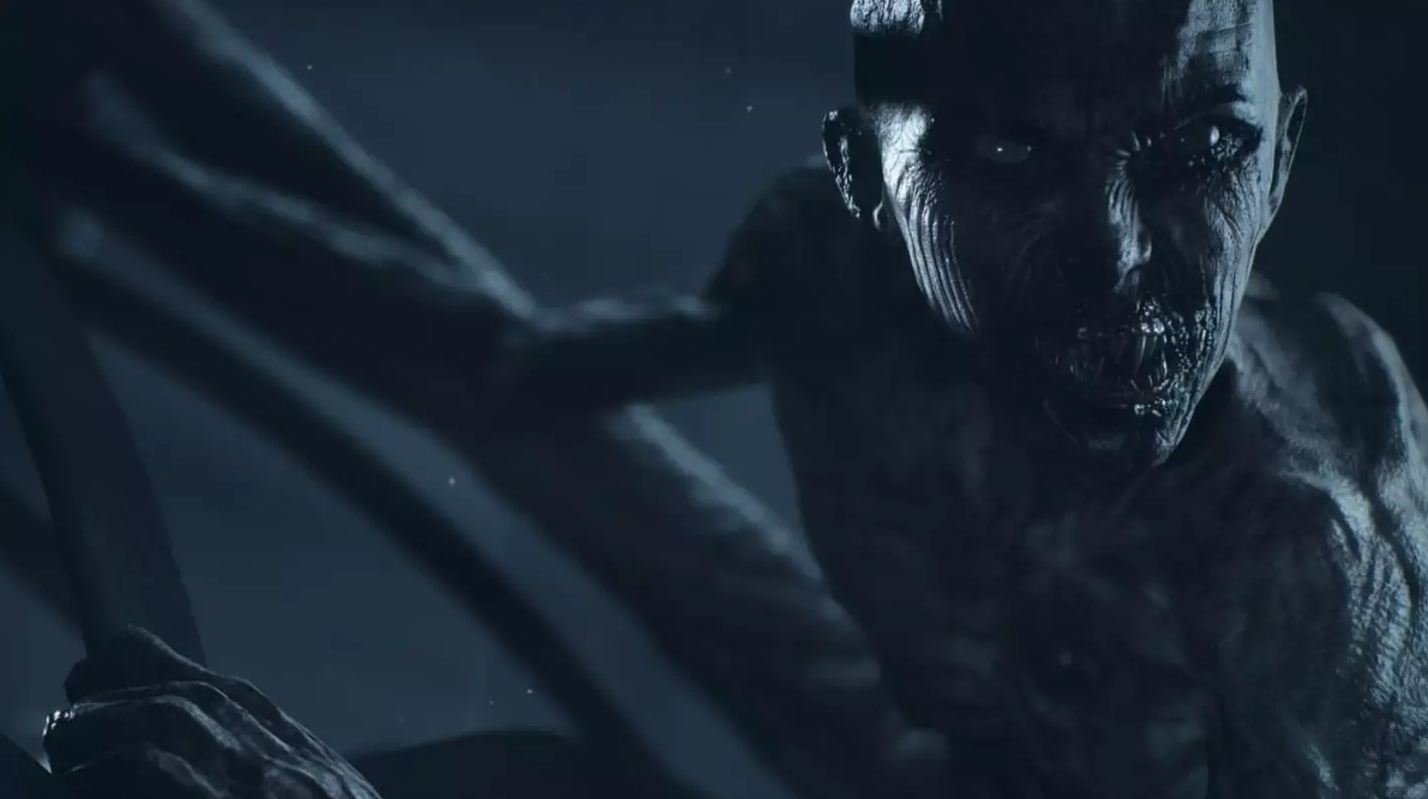
While exploring the levels, you can find totems – Indian trinkets that show fragments of the future. They work as hints: they help you prepare for the consequences if you want to keep everyone alive. Or, on the contrary, to arrange a meat grinder. There is even a special section in the menu with “butterflies” – these are visual marks of all your decisions and their impact on the plot. You can go back and see: here you chose one thing, and now the characters talk differently. But here, it seems, nothing has changed – well, big deal, you lost a snow duel.
Of course, you shouldn’t expect that every sneeze will lead to a new ending. Sometimes the choice changes only a couple of lines of dialogue, sometimes – the fate of the character. But it’s precisely this subtle gradation that’s the magic of Until Dawn. It doesn’t overstate the scale of its decisions, but each one feels important. And it makes the game feel—and be experienced—in a way that’s different from just another interactive horror game.
Game the smart way – through free steam accounts with games!
All Until Dawn character types
One of Until Dawn’s greatest strengths is how even seemingly small choices help flesh out the characters. The eight teenagers you take turns controlling are, at first glance, walking slasher cliches. Here are just a few:
-
a couple dreaming of secluding themselves away from the others;
-
a modest and shy girl;
-
a smug macho with the beginnings of a brain;
-
a typical jock-athlete with good intentions;
-
a nervous guy who is clearly hiding something;
-
a self-confident leader who is used to controlling everyone;
-
a kind but vulnerable “life of the party”;
-
a joker who tries to defuse the situation.
Everything is canon.
Right from the very beginning, the game directly indicates who is who – “smart”, “self-confident”, “reasonable”. It is impossible to completely get rid of these labels, but the dialogues give the player freedom for interpretation. The menu has scales of character traits and special marks from the developers – like: “according to the plan, the hero should be like this.” But this is not a sentence. This is just a gentle hint, not a rule.
You decide what these heroes will be like. If you want, follow the template. Or you can make each of them a truly living person who breaks the boundaries. After completing the game, players discuss not so much the plot as their own versions: “My Mike was a narcissistic asshole, so I don’t feel sorry for him.” – “And mine was the opposite, he sacrificed himself, and I cried.” Such conversations are part of the pleasure. Of course, you shouldn’t expect the level of Crime and Punishment. Everyone will have favorites and those who irritate, but this is not a story about deep drama. This is a story where everything depends on how you direct the characters: will they quarrel and prevent each other from surviving or, on the contrary, will they come together and start acting as a team.
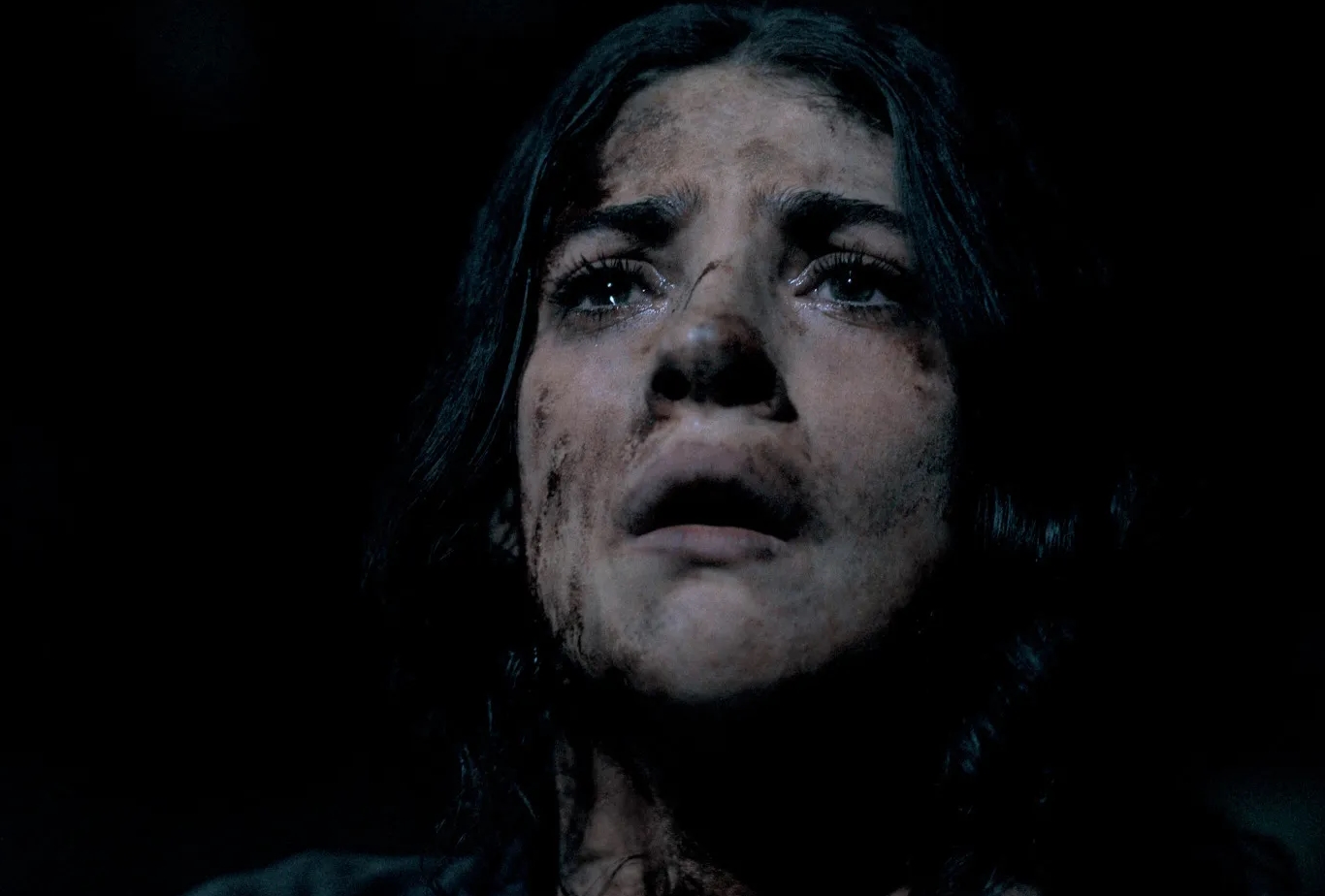
I remember how at gamescom, before the demo, the developers asked us, journalists, several questions: “What scares you more – screamers or suspense? Do you prefer blood or psychological horror? Are you afraid of the dark?” Everyone rushed to ask: “Does this affect the game?” The authors were a little embarrassed: “No, actually, it’s just an interactive way to teach control… but everyone liked the idea so much that we want to implement it in the release.” And they really did it! And the psychologist who appeared later is the best thing in the game. For him alone, the game can be rated “excellent.”
Despite the many branches, the plot holds together. Characters rarely behave illogically or stupidly, and most of the dialogue is on-topic. Sometimes there are funny oddities, but they do not stand out from the general style and rather add charm. Globally, you will not rewrite the entire story – the ending will still come. But how it will look depends on many factors. The longer the characters live, the more details they bring to the overall picture. Anyone can die – and this is always noticeable. Moreover, it is not always clear which ending can be considered “real.”
Although key events are inevitable, understanding the subtleties is a non-trivial task. The locations are filled with notes, photos, newspapers and other lore. All this is collected in personal diaries, which are accessible from the menu and complement the plot. If you run through the levels, you can easily miss details that really make your skin crawl. Moreover, even noticing the right object is a separate quest. The game inherited the not very convenient control from PS Move: the flashlight and the hero’s body are controlled independently – with two sticks. This is not enough – you also need to direct the light to the right angle. Personally, I advise you to turn on the control via the DualShock gyroscope. With it, looking for objects and going through scenes with aiming is much more fun: you feel like you are not just a player, but as if you are really holding a weapon in your hands. The atmosphere works one hundred percent.
Is Until Dawn Worth Playing in 2025?
Unlike David Cage’s projects, which long before the release are covered in advertising about “a new word in narrative”, “Hollywood-scale stars” and “a philosophical view of game development”, everything here is much more modest and honest. No loud statements. Just the promise of an exciting slasher – and the game fulfills it in abundance, while unexpectedly generously adding much more than you expected.
At first glance, everything is simple: eight teenagers find themselves in a secluded house on top of a mountain, where a maniac is waiting for them. A classic horror plot. But if you dive a little deeper, you will discover that Until Dawn does not simply repeat genre cliches, but plays with them. There are choices with consequences, and a branching plot, and the ability to influence the characters. Each of your dialogues, each action is a brick in the story that you build yourself.
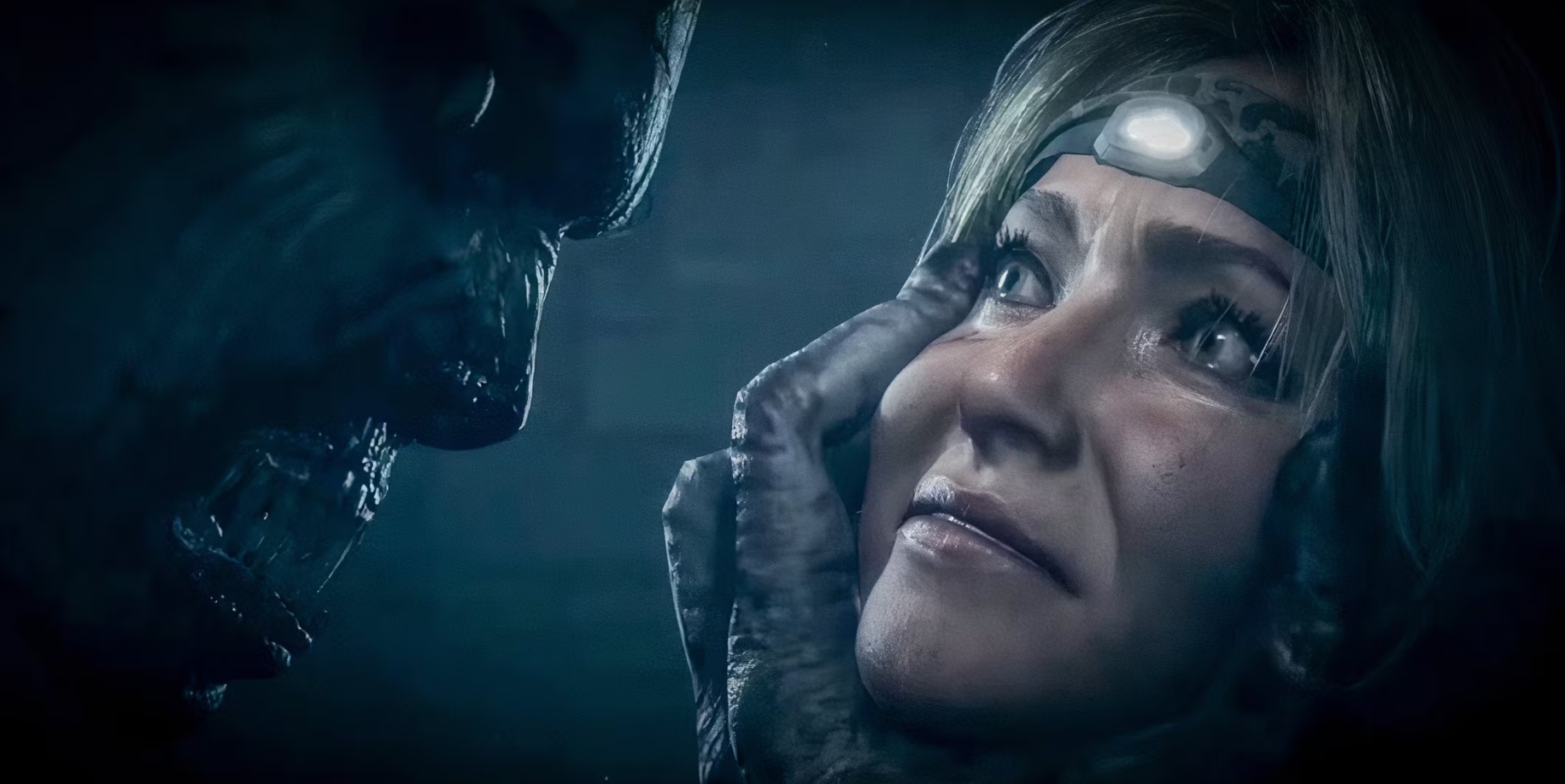
The decision tracking system is especially pleasing: at any moment you can open the menu and see how the relationships between the characters have changed or in which direction their personal qualities have shifted. This adds almost role-playing depth to the game – not in the leveling up, but in terms of the player’s influence on what is happening.
And all this is packed into stunning graphics. The characters’ faces, animations, lighting – everything looks truly cinematic. Plus, there is a brilliant trick with a psychotherapist who appears between episodes and analyzes your actions. He literally talks to the player, puts you in an awkward position, and sometimes scares you more than the maniac himself.
Pros:
-
Non-linearity. Each choice affects the outcome of the story, and characters can either survive or die.
-
Character development. The player can change the characters’ attitudes towards each other, revealing their character from a new side.
-
Interactivity. The “butterfly effect” system helps to understand how small decisions develop into large consequences.
-
Cinematography. The visuals, camera work and acting are at the level of a good horror.
-
Replayability. Different choices lead to different endings – and each playthrough feels new.
Cons:
-
Plot inconsistencies. In some versions of the playthrough, logical holes are possible, especially if you choose chaotically.
-
Predictability of archetypes. The heroes are typical “nerds”, “athletes”, “bitches”, etc., but the game ironically works with this, turning cliches into a feature.
Until Dawn System Requirements
Until Dawn PC Requirements
How to play Until Dawn for free on Steam via VpeSports
Have you ever felt that quiet, creeping dread of knowing something’s watching you — and you don’t know what it is or when it’ll strike? Until Dawn isn’t just a game. It’s a nightmarish rollercoaster where your choices shape who lives and who doesn’t. You’ll find yourself stranded in a remote mountain lodge, surrounded by snow, shadows, and secrets that should’ve stayed buried. Every decision carries weight. Every second counts. And once the horror starts, there’s no pause button.
The best part? You can experience it all without spending a cent. We’ve already prepared everything behind the scenes, so you don’t have to waste time figuring things out. Just register on our site, log in — and Until Dawn will be ready for you to launch. You’ll even get access through a free Steam account, so the setup is fast, clean, and painless. No technical headaches — just you, the story, and your instincts.
When the credits roll — no matter how many characters made it out — we’d love to hear your take. Your impressions mean a lot, and every review helps. We check each one manually, so if yours doesn’t appear immediately, just give it a quick edit and try again. As soon as it’s approved, your login info will be sent directly to your email.
Want to stay one step ahead? Join our Telegram channel for fresh game accounts, patch updates, horror game news, and real-time discussions with other players. If anything’s unclear or you get stuck somewhere, visit our “How to play for free – Complete guide” or message us in chat — we’re always around to help you survive the night.