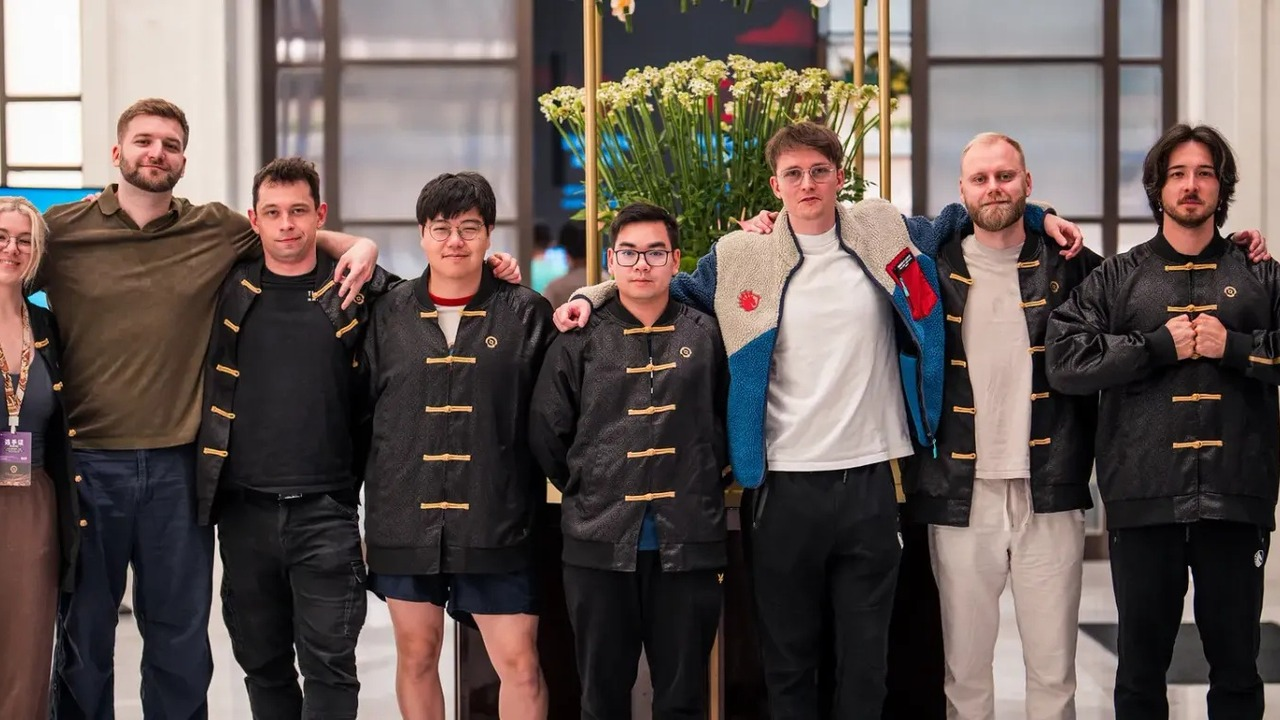
The International 2026 playoffs begin on 20 August at Shanghai’s Oriental Sports Center. Eight Dota 2 teams remain after the sixteen-team Swiss stage. The final bracket runs through 23 August.
Four opening matches determine the first winners and lower-bracket positions. Team Spirit meets 1w in one quarterfinal. Team Liquid faces Team Yandex, while Nigma Galaxy plays Team Falcons.
Table of Contents
The Swiss stage reduced the field to eight teams
Sixteen teams entered the road to the main event on 13 August. They played a Swiss format through 16 August. Each result moved a team toward qualification or elimination. Eight teams completed that stage with enough wins to advance. The remaining lineups left the tournament before the arena matches. Previous results helped establish the opening bracket positions.
Swiss play rewards teams that adjust across several opponents. One fixed draft plan does not cover every round. Successful teams prepare answers for different regions and playing styles. The format also creates a clear boundary before the live arena stage. Earlier records explain qualification, but they do not provide extra points now. Every remaining team enters the bracket with a new elimination risk.
Four matches open the main-event bracket. The first main-event match places 1w against Team Spirit. Another pairing sends Team Vision or PARIVISION against BetBoom Team. The confirmed bracket also includes Team Liquid against Team Yandex. Nigma Galaxy meets Team Falcons in the fourth opening match. These matchups cover several regions and different tournament records. Reputation alone does not decide advancement.
A bracket match provides more drafting information than one isolated game. Coaches adjust bans and lane matchups between games. Players also receive direct evidence about the opponent’s preferred heroes. The loser does not always leave after the opening match.
The bracket structure includes lower-bracket routes before the final stages. Another defeat later still ends the tournament immediately.
| First-round match | Team A | Team B |
|---|---|---|
| One | 1w | Team Spirit |
| Two | Team Vision or PARIVISION | BetBoom Team |
| Three | Team Liquid | Team Yandex |
| Four | Nigma Galaxy | Team Falcons |
Shanghai hosts the fifteenth edition of The International
The 2026 tournament marks fifteen years of The International. Shanghai hosts the decisive arena stage at the Oriental Sports Center. The city previously welcomed major Dota competitions and international audiences. An arena changes the working environment after the earlier stage. Players move from controlled match rooms toward a public stage. Sound, lighting, schedules, and longer production breaks affect preparation.
Teams normally use practice areas before each match. Those sessions help review drafts and first-lane movements. They do not recreate every reaction from a full arena. The location also affects supporters travelling from different regions. Four competition days create a compact schedule from Thursday through Sunday. Every late match reduces the recovery time before the next round.
Teams prepare several hero combinations for longer matches
Dota 2 teams reach this stage after several days of opponent analysis. Common heroes may receive early bans once teams reveal successful combinations. Alternative supports and off-lane choices then become more valuable. A lineup with one strong strategy sometimes wins an opening game. The opponent receives time to remove or answer that plan later. Deeper hero pools reduce the damage caused by one targeted ban.
Item timing also changes between matches. One team may prefer early pressure, while another waits for expensive items. The draft requires enough control and damage for the selected pace. These choices are visible through picks, bans, and completed items.
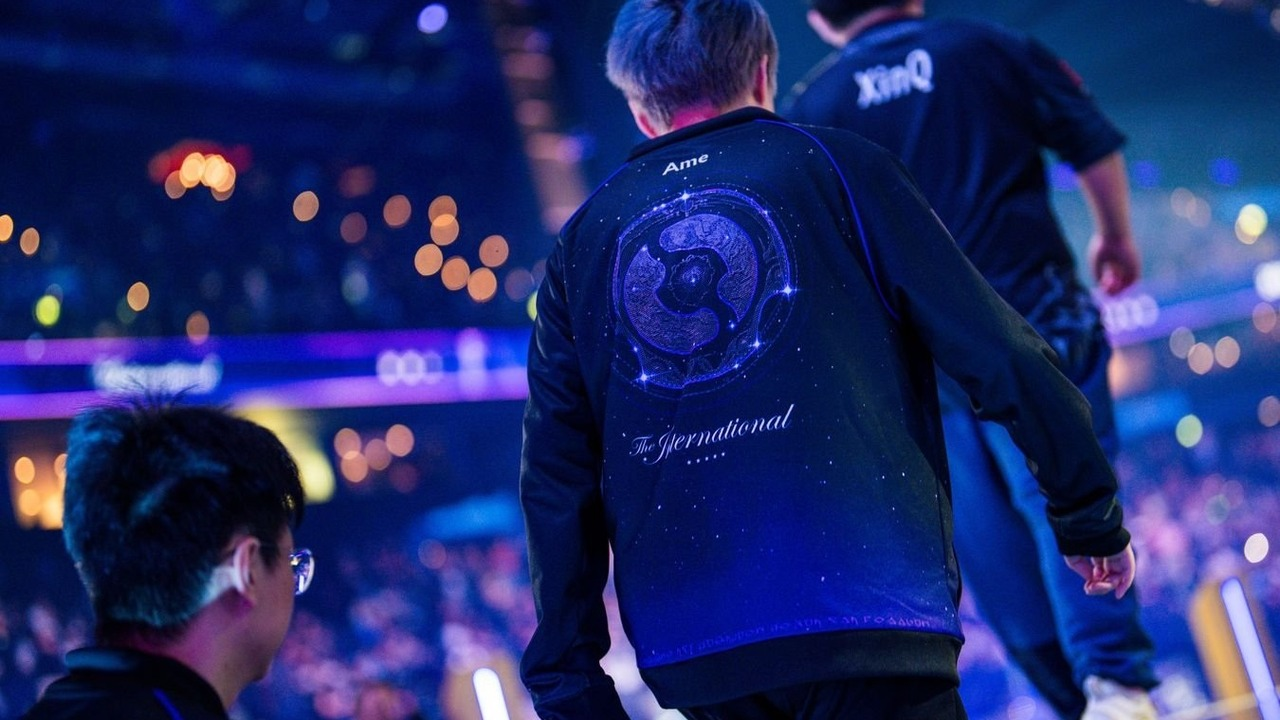
They do not require invented statements about player confidence. The bracket results will show which plans survive repeated tests.
Which first-round match interests you most?
Teams receive little recovery time during the four-day schedule
Main-event play runs from 20 through 23 August. Winners continue toward the upper final, while lower-bracket teams face additional matches. A team may therefore play on consecutive days. Preparation becomes shorter as the tournament advances. Analysts review new drafts during the same evening. Players also require rest after matches that may last several hours.
The first-day schedule carries extra uncertainty because every team enters a new stage. Arena conditions and opening drafts may produce early mistakes. Experienced lineups still require time to settle. Teams that win quickly preserve more time before their next appearance. Longer victories still count equally in the bracket. The difference appears only in recovery and preparation.
The champion receives the Aegis on 23 August
The tournament ends on Sunday, 23 August. The last remaining team receives the Aegis of Champions. Every opening matchup contributes to that final route. Eight lineups begin the main event, but only two reach the final match. Upper-bracket progress offers more protection from elimination. Lower-bracket runs require repeated victories without another defeat.
The opening day provides the first evidence from the Shanghai stage. Results from the Swiss stage remain useful, yet the new bracket decides the championship. No earlier placement guarantees a final appearance. The International 2026 playoffs now have a fixed venue, dates, and eight qualified teams. Results will answer the remaining questions during four competition days. Each completed match changes the bracket.