Buying a company for 55 billion dollars and promising that “nothing will change” makes for a nice press release. But a deal of this size always has a flip side, and in EA’s case that flip side has already shown up as a layoff plan. Just days after the publisher’s takeover by Saudi Arabia’s Public Investment Fund officially closed, word got out: EA has told creditors it plans to cut annual costs by 700 million dollars, and a chunk of that is coming from people.
“Organizational structure optimization” isn’t just a line in a financial filing. Behind it are real studios, real teams, and real employees, some of whom have already received their notices.
Table of Contents
Why EA Is Cutting Jobs: The Real Reason Behind the “Optimization”
Let’s break down the mechanics here, because they explain everything. The deal with PIF, Silver Lake, and Affinity Partners wasn’t a simple cash purchase of shares. A significant portion of that 55 billion dollars was financed through debt, and that debt load landed on EA itself, not on the buyers.
This is a textbook leveraged buyout (LBO): the new owners take control of the asset, while the asset itself — meaning the company’s future revenue — is on the hook for servicing the debt. In plain terms, EA now has to earn money not just to fund games and development, but to pay down debt it never carried at this scale before.
That’s where the 700-million-dollar annual savings target comes from, a figure the company has reportedly already communicated to creditors, according to Bloomberg.
What We Know About the Deal Structure So Far
| Detail | Value |
|---|---|
| Deal value | $55 billion |
| Lead buyer | Public Investment Fund (PIF), 93.4% stake |
| Other consortium members | Silver Lake, Affinity Partners |
| Company status | Fully private, delisted from the stock market |
| Cost-cutting target | $700 million per year |
| Source of layoff reports | Jason Schreier (Bloomberg) |
When EA Layoffs Started and What We Know Right Now
The first signs of cuts appeared even before the deal formally closed — back in June, employees across several divisions began receiving notices, though that initial wave was seen as relatively small at the time. After the buyout officially wrapped up in early August, the scale of the savings plan became clear in hard numbers: 700 million dollars a year isn’t a one-time trim, it’s a systemic overhaul of the company’s cost structure for years to come.
It’s worth separating the two waves:
-
First wave (June) — targeted cuts in individual teams, ahead of the deal’s official close.
-
Second wave (August onward) — a systemic savings program approved by new leadership and disclosed to creditors as an official financial target.
It’s the second wave that’s causing the most concern among players and industry watchers, because this isn’t a one-off cleanup — it’s a pre-planned strategy that will reshape the company’s structure as a whole.
What Happens to EA’s Studios and Games Under New Ownership
EA’s press release, unsurprisingly, promises long-term capital, industry expertise, and strategic support from the new owners — standard language for any major acquisition. But players and analysts are already connecting the deal to two parallel trends: workforce reductions and EA’s growing interest in generative AI as a way to cut development costs.
That’s where the real question for the audience comes in: will the cuts touch flagship franchises like Battlefield, EA Sports FC, and The Sims, or will the pressure land first on lower-margin projects and publishing IP like Mass Effect and Dragon Age, whose fate is already being debated in terms of a possible sale to other publishers?
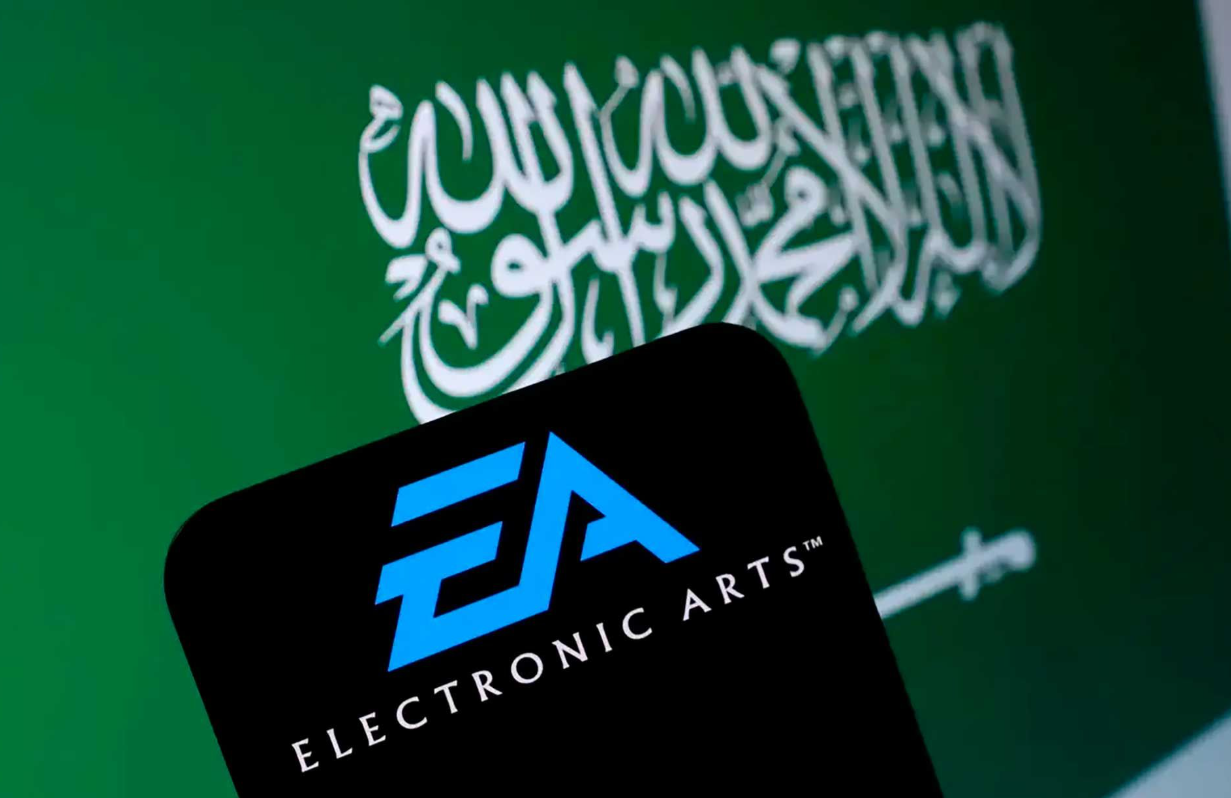
There’s no definitive answer yet — EA hasn’t published a detailed list of affected studios. But the logic of an LBO points to where new leadership is likely to look first:
-
Divisions with the lowest profitability relative to headcount costs.
-
Duplicate functions after back-office consolidation.
-
Early-stage projects without a clear commercial timeline.
-
Publishing deals for IP that don’t generate steady, recurring revenue (unlike live-service titles).
Should EA Players Actually Be Worried Right Now
It’s worth separating the emotional reaction from the practical fallout. On the day the deal closed, nothing actually changed for players: servers are running, updates are shipping on schedule, teams remain in place. That’s not spin — it’s confirmed even by sources that are otherwise skeptical of the deal as a whole.
The real consequences for players, if they materialize, will be delayed:
-
Slowed or canceled projects, if the cuts hit development directly.
-
Shifting studio priorities toward more commercially predictable franchises.
-
Greater reliance on AI tools in development, as a way to offset headcount cuts without shrinking output.
-
Possible sale of individual IP to other publishers, if new leadership decides certain franchises are non-core.
None of these scenarios will play out overnight — this is a multi-quarter horizon, not a matter of weeks.
Industry Context: EA Isn’t an Isolated Case
Looking at EA’s situation in isolation makes it easy to chalk everything up to one company’s specific deal. But this fits into a much broader — and more troubling — trend of the past few months. Alongside EA, reports of large-scale layoffs are also coming out of Microsoft, where cuts reportedly threaten not just internal studios like Bethesda, but independent publishing structures as well. One French industry journalist described the situation as “just the beginning” of a much larger reckoning.
That context matters: EA’s layoffs aren’t an isolated crisis at a single company — they’re part of a bigger picture in which major publishers are rethinking their profitability models against a backdrop of rising development costs and more expensive debt financing.
What This Means for Players Going Forward
EA’s sale itself wasn’t a surprise — rumors of the takeover had been circulating well before the deal closed. What’s surprising is how quickly the financial logic of the buyout translated into concrete staffing decisions. The company hadn’t even finished celebrating its new ownership structure before a 700-million-dollar savings target started shaping what EA’s studios will look like in the years ahead.
For players, that’s a signal to watch less for press releases about “innovation and sustainable growth” and more for the concrete news: which studios keep their staff, which projects stay in development, and whether beloved franchises end up on a list of assets the new owners decide to shed to service the debt. The coming months, by all indications, will reveal a lot more than the closing of the deal itself did.